

Supportive Dental Visits Start Here
Sedation Dentistry in Bunbury – Clinically Assessed Options For Suitable Patients
A Supportive Approach to Dentistry for Nervous Patients
Who Might Benefit from Sedation Dentistry?
- Dental Treatment Challenges
Some patients find dental care difficult due to previous experiences, treatment concerns, or heightened sensitivity. In these situations, clinician-assessed sedation options may be considered after evaluating medical history and suitability.
- Sensitive Gag Reflex
A pronounced gag reflex can make certain dental procedures more challenging. In some cases, sedation may be considered following clinical assessment to help manage involuntary responses and during treatment, with the dental team guiding you throughout the appointment.
- Complex Procedures
Some dental treatments may involve multiple steps or extended appointments. Clinician-assessed sedation options may be considered when appropriate to support patients during these procedures, based on the individual’s medical history and clinical needs.
- Children or Other Special Needs
Some children or individuals with sensory sensitivities or cognitive conditions may require additional support during dental treatment. At Eversmile Dental, sedation options for children and adults may be considered when clinically appropriate, following an assessment of medical history and individual clinical needs.
Understanding Sedation Options in Dental Care
- Reduced Dental Anxiety
Sedation may help reduce fear and tension for some patients during dental procedures. It can support a calmer experience, especially for those with dental phobias, traumatic past treatments, or general anxiety about dental environments.
- Increased Treatment Tolerance
Sedation options may be considered for longer or more complex procedures following clinical assessment. It helps reduce fatigue and discomfort during extended appointments, sometimes making it possible to complete more in one visit when clinically appropriate.
- Improved Gag Control
Patients with a strong gag reflex often struggle during even simple procedures. Sedation may reduce involuntary responses in some patients during treatment and may result in fewer interruptions.
- Building Familiarity with Dental Visits
Some patients report feeling calmer during sedated appointments. This may support ongoing dental care as part of a broader treatment plan. This can encourage more consistent oral health habits and reduce dental avoidance over time as part of a broader care plan.
Types of Sedation We Offer at Eversmile Dental
Oral Anxiolysis
This is a light form of sedation using a prescribed oral medication taken before your appointment. It helps you feel calmer while staying awake and aware. A thorough review of your medical history is required prior to treatment. You will need someone to accompany you and drive you home after the appointment.
Twilight Sedation
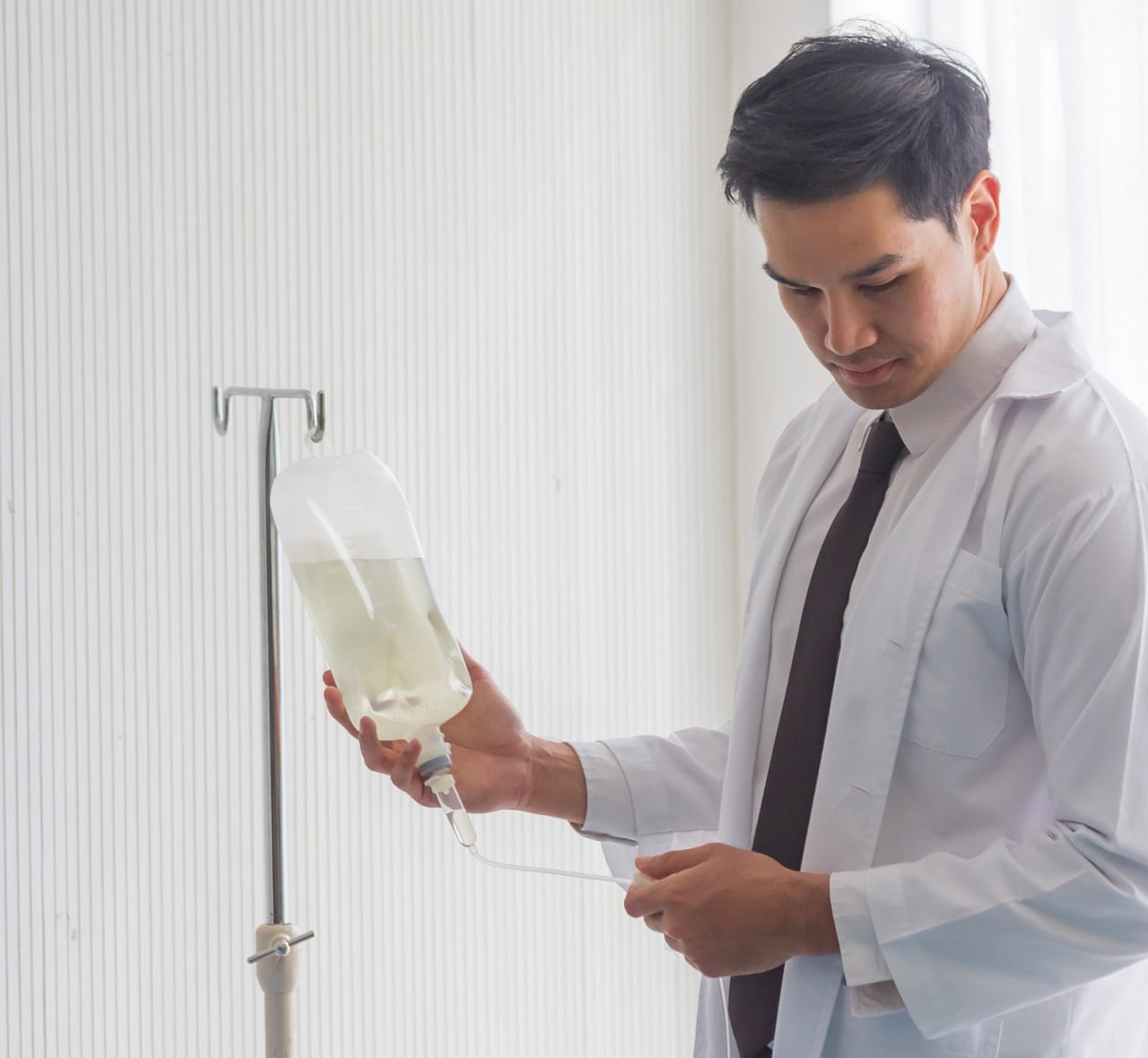
Twilight sedation, or IV sedation, is administered by a trained professional during your treatment. It is suitable for longer procedures or for patients with moderate to high anxiety. You stay conscious but deeply relaxed and may not remember the procedure. Your vital signs are closely monitored throughout your visit.
General Anaesthesia
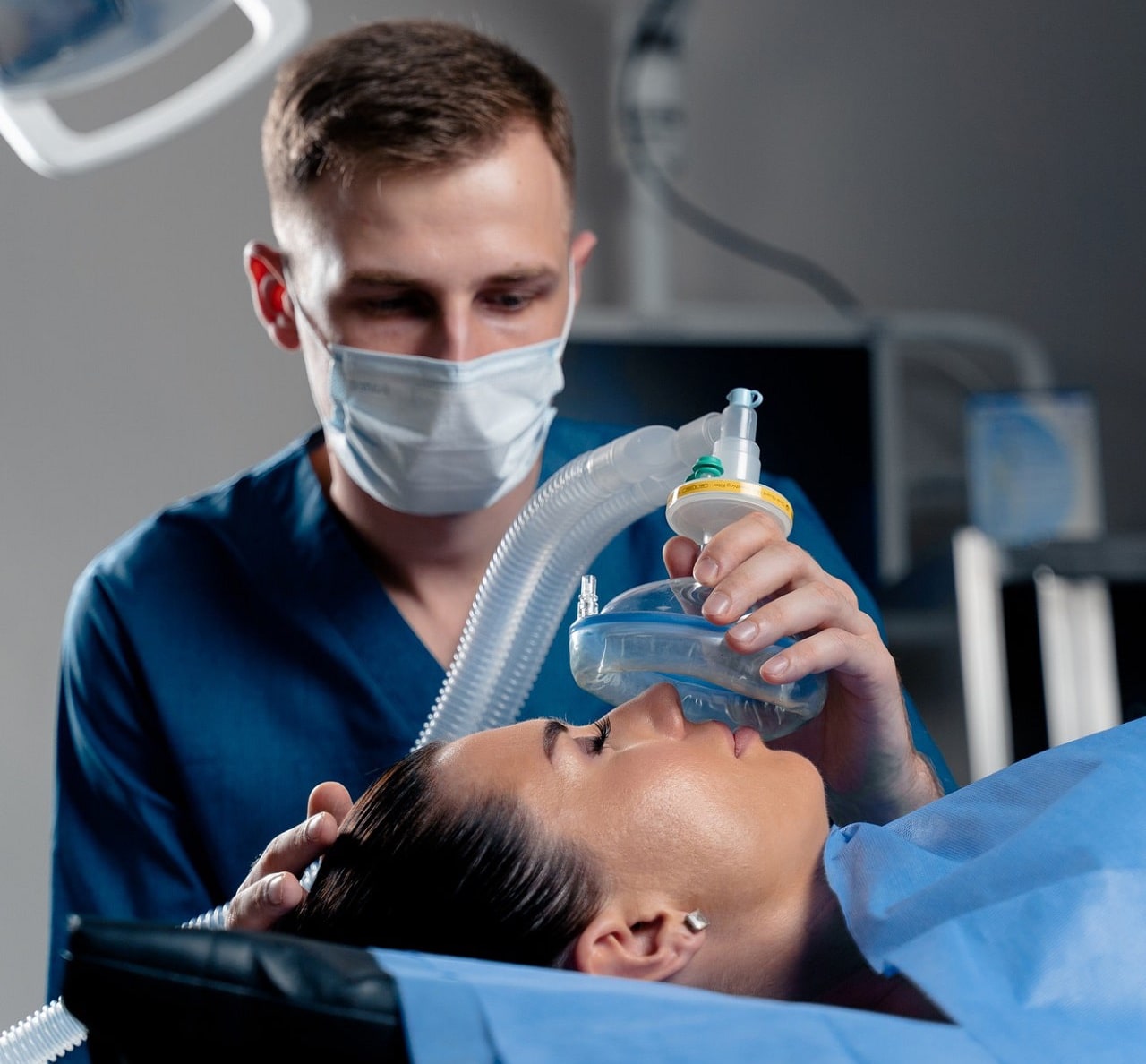
This option is provided at St. John of God Hospital by a qualified medical team. You will be fully asleep throughout the procedure. General anaesthesia is usually recommended for complex treatments or patients with higher anxiety. A medical consultation is required before this type of care is arranged.
Nitrous Oxide
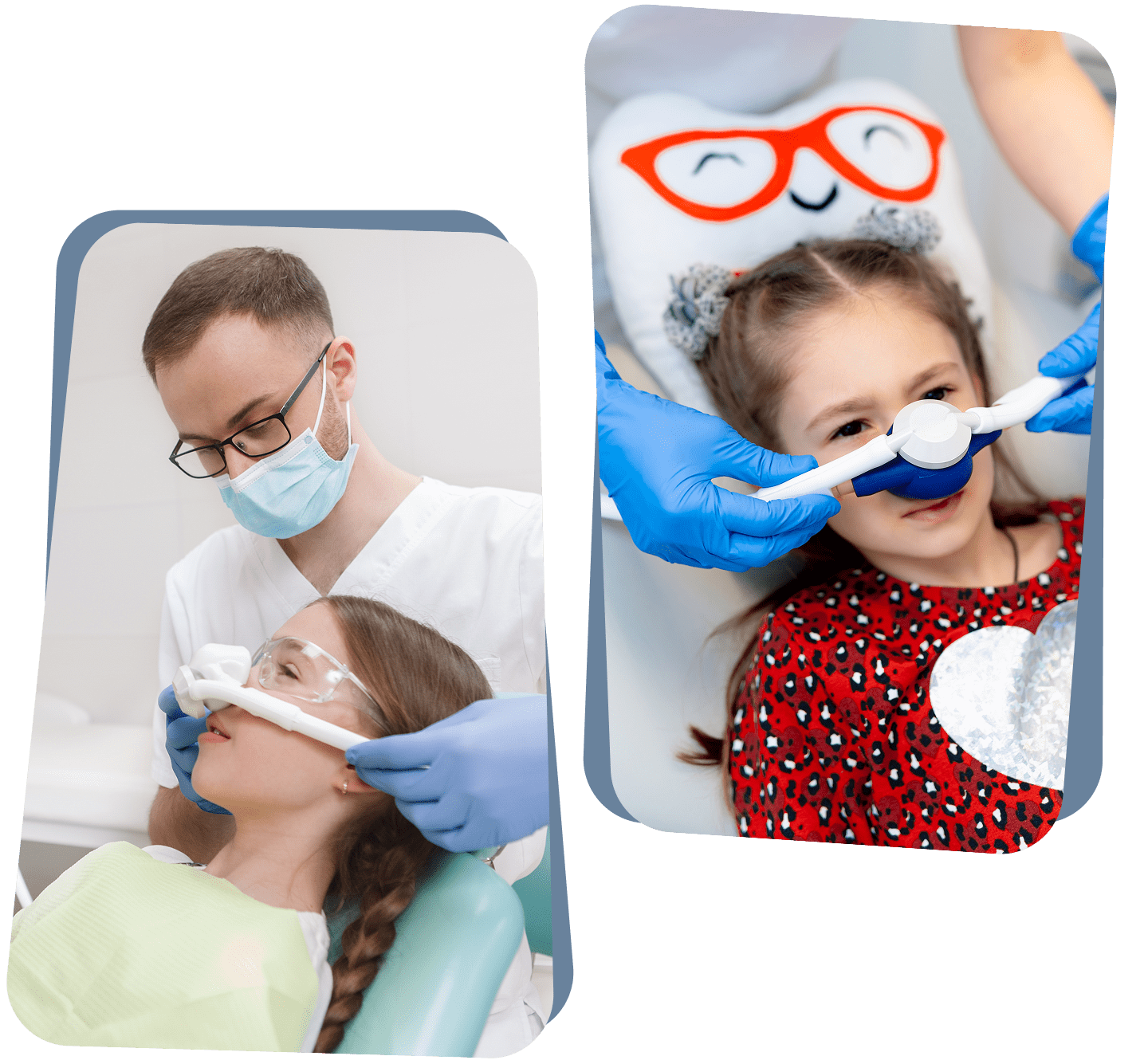
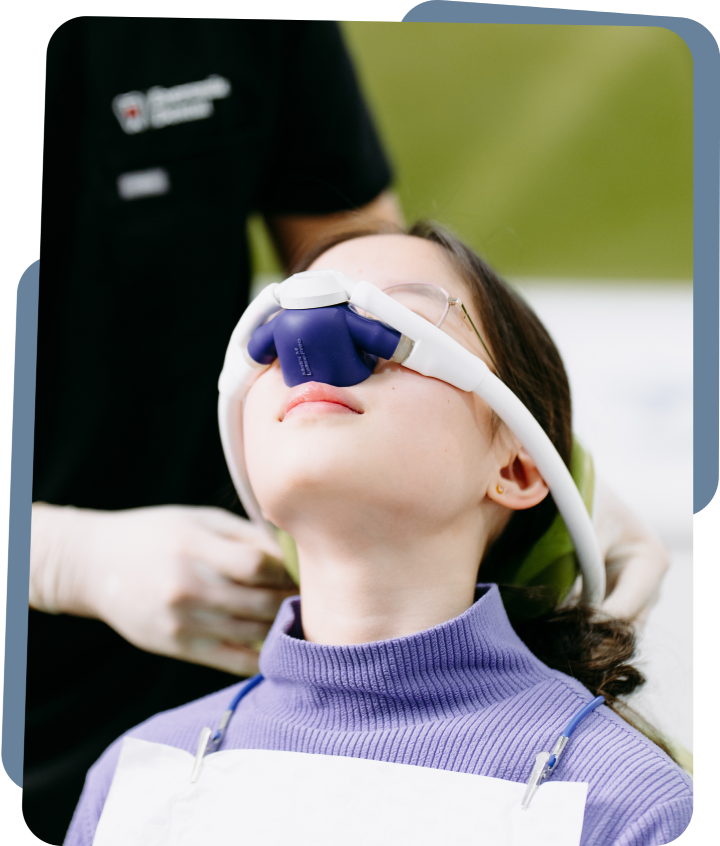
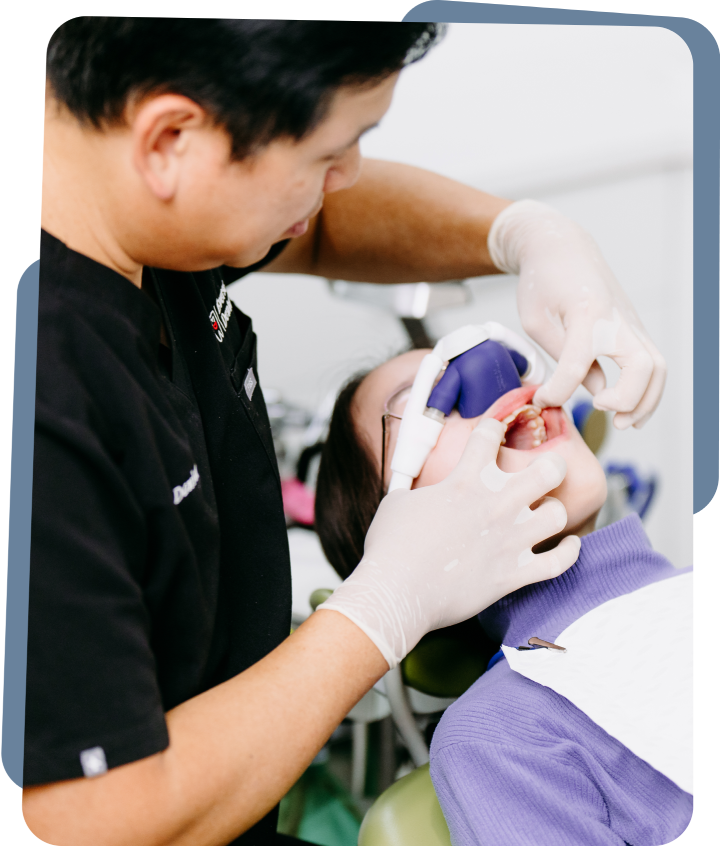
Commonly known as “happy gas,” nitrous oxide is inhaled through a small nose mask. It offers mild sedation, helping you feel more at ease while remaining fully conscious. This option is often used for children or adults with mild anxiety. The effects wear off quickly after the procedure.
Start with a Dental Consultation in Bunbury
Are you ready to prioritise your oral health? Book a consultation to discuss your oral health needs and treatment options.

What to Expect Before, During and After Sedation
Depending on your sedation type, you may need to avoid food or drink for hours before your visit. Your dentist will review your medications and health conditions. This information allows our team to plan your care in line with clinical protocols. It’s important to follow all pre-visit instructions provided. Please arrange for a responsible adult to drive you home, as you shouldn’t drive or travel home without supervision after the appointment.
Before your appointment, you’ll meet the dental team involved in your care. They will introduce the practitioner responsible for your care and explain the sedation method, such as oral medication, nitrous oxide, IV sedation (twilight sedation), or general anaesthesia. You’ll have time to ask questions and raise concerns. Our team aims to create a calm environment so you’re informed about what to expect as your dental procedure begins.
Sedation is provided in various ways, depending on the method. Oral medication is taken before your visit. Nitrous oxide is inhaled through a soft mask. IV sedation is given via a small cannula into a vein. General anaesthesia occurs in the hospital. Throughout your treatment, our team follows clinical monitoring protocols—tracking breathing, pulse, and responsiveness. This monitoring supports comfort and helps the procedure proceed as planned.
Once the sedation takes effect, some patients report feeling calmer and more relaxed. You may remain awake or lightly asleep, depending on the sedation type. Some patients may have limited memory of the procedure afterwards. Throughout the procedure, our dental team will continue to monitor your comfort, track vital signs, and maintain communication as needed.
After sedation, it’s common to feel sleepy, disoriented, or unsteady. Plan to rest for the remainder of the day and avoid eating or drinking until any numbness has worn off. If general anaesthesia is used, recovery occurs at St. John of God Hospital with clinical support. Follow the aftercare instructions provided by your dentist to support healing, manage discomfort, and reduce risks so that an adult is available to assist you.
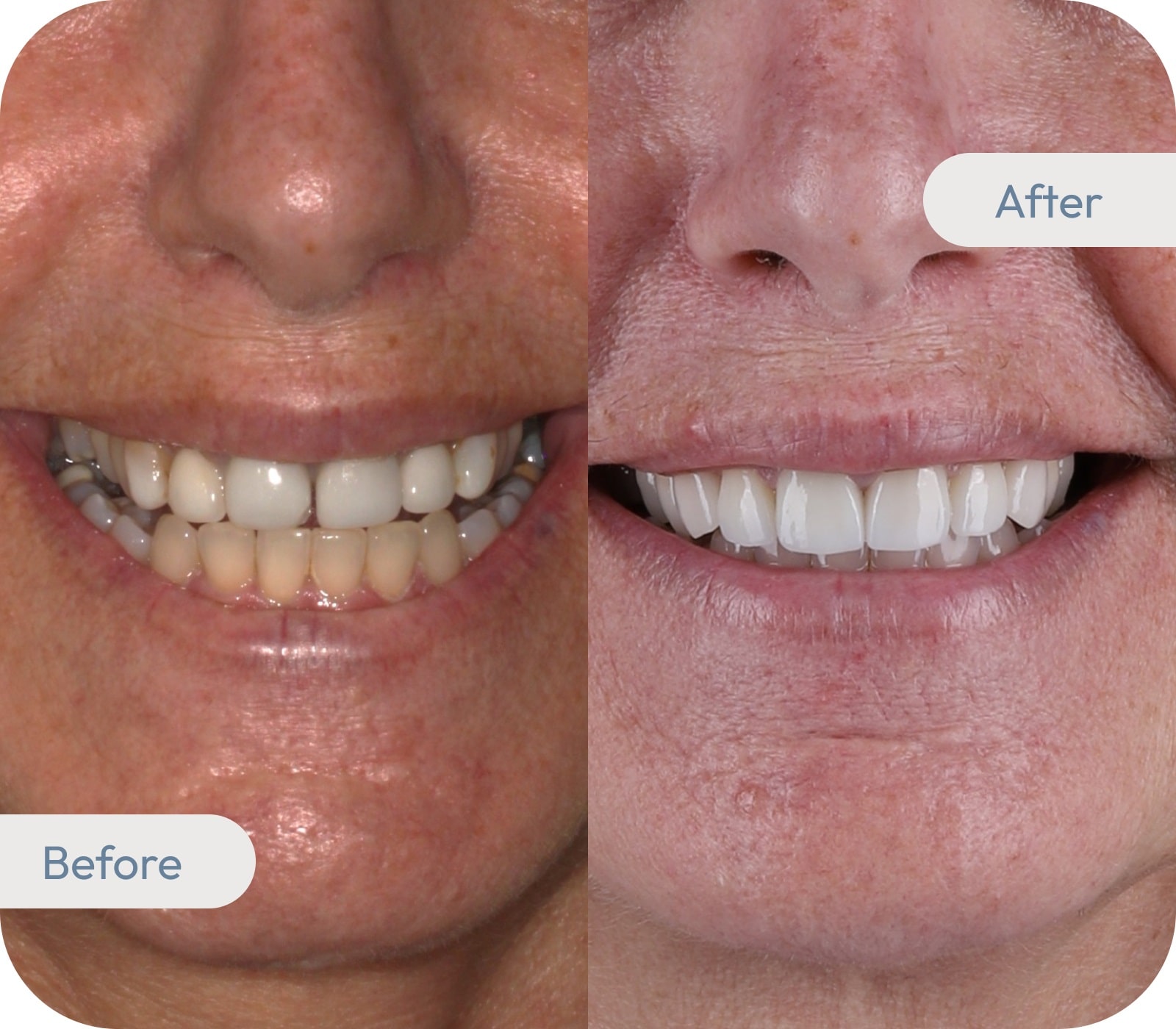
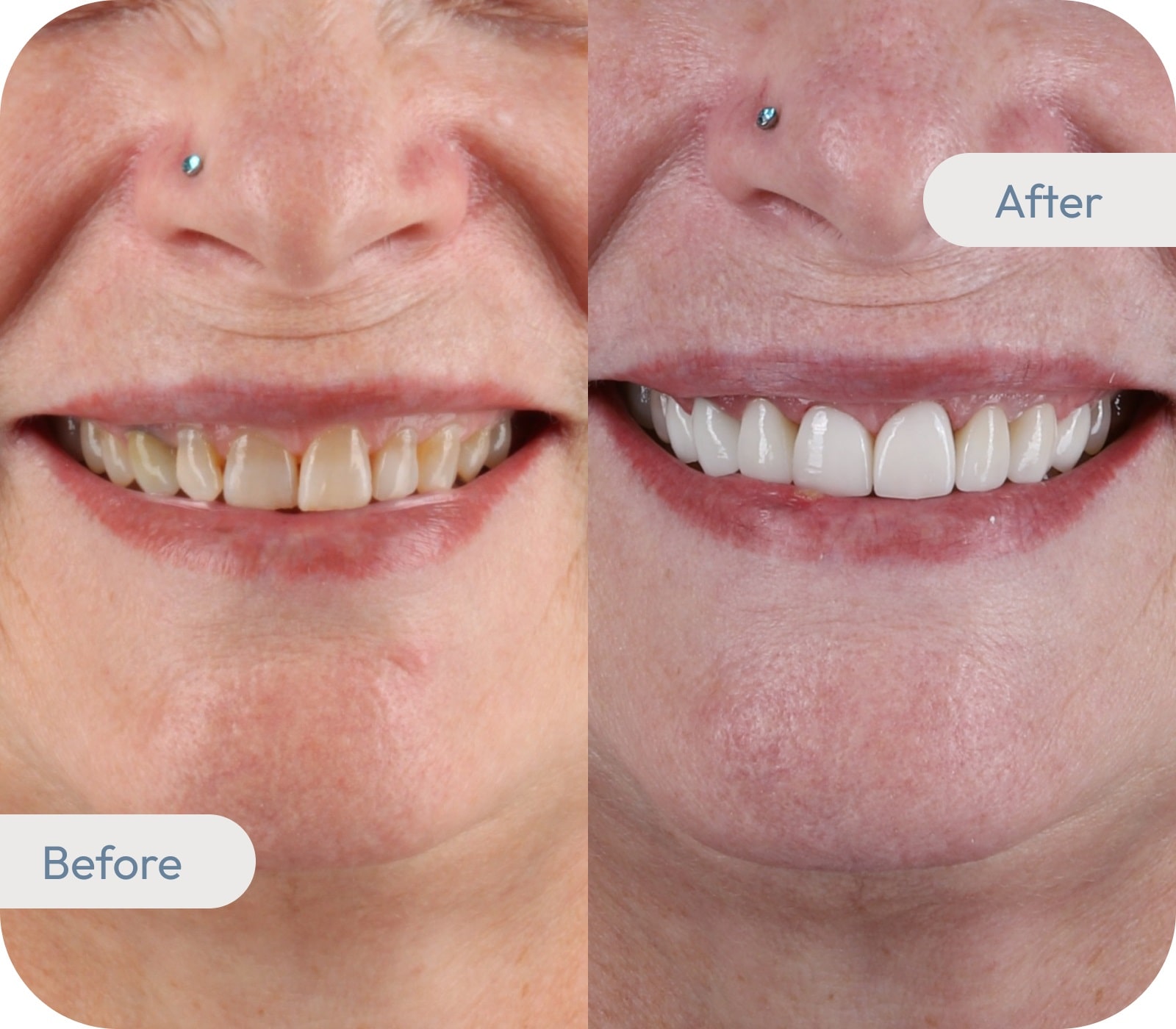
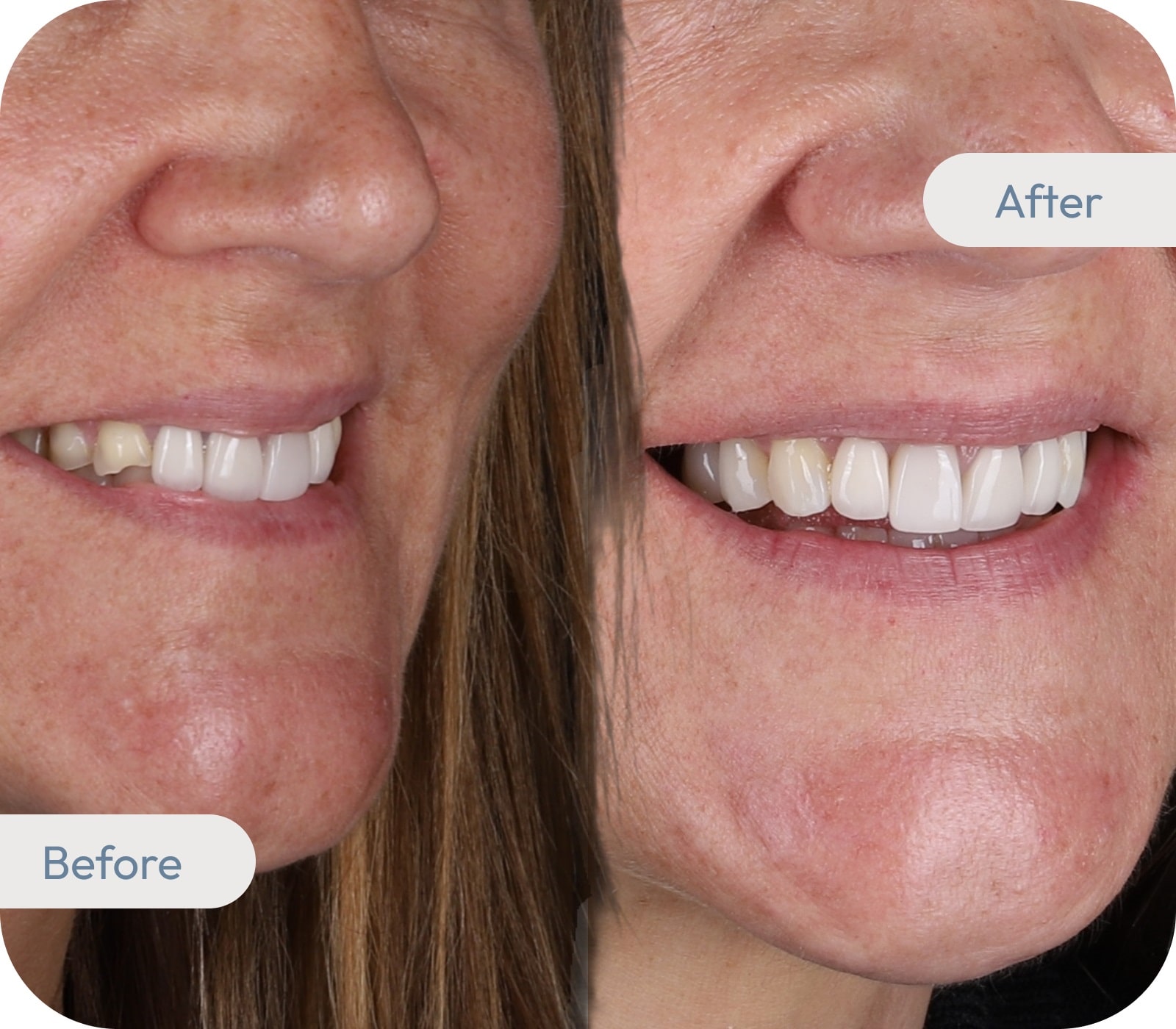
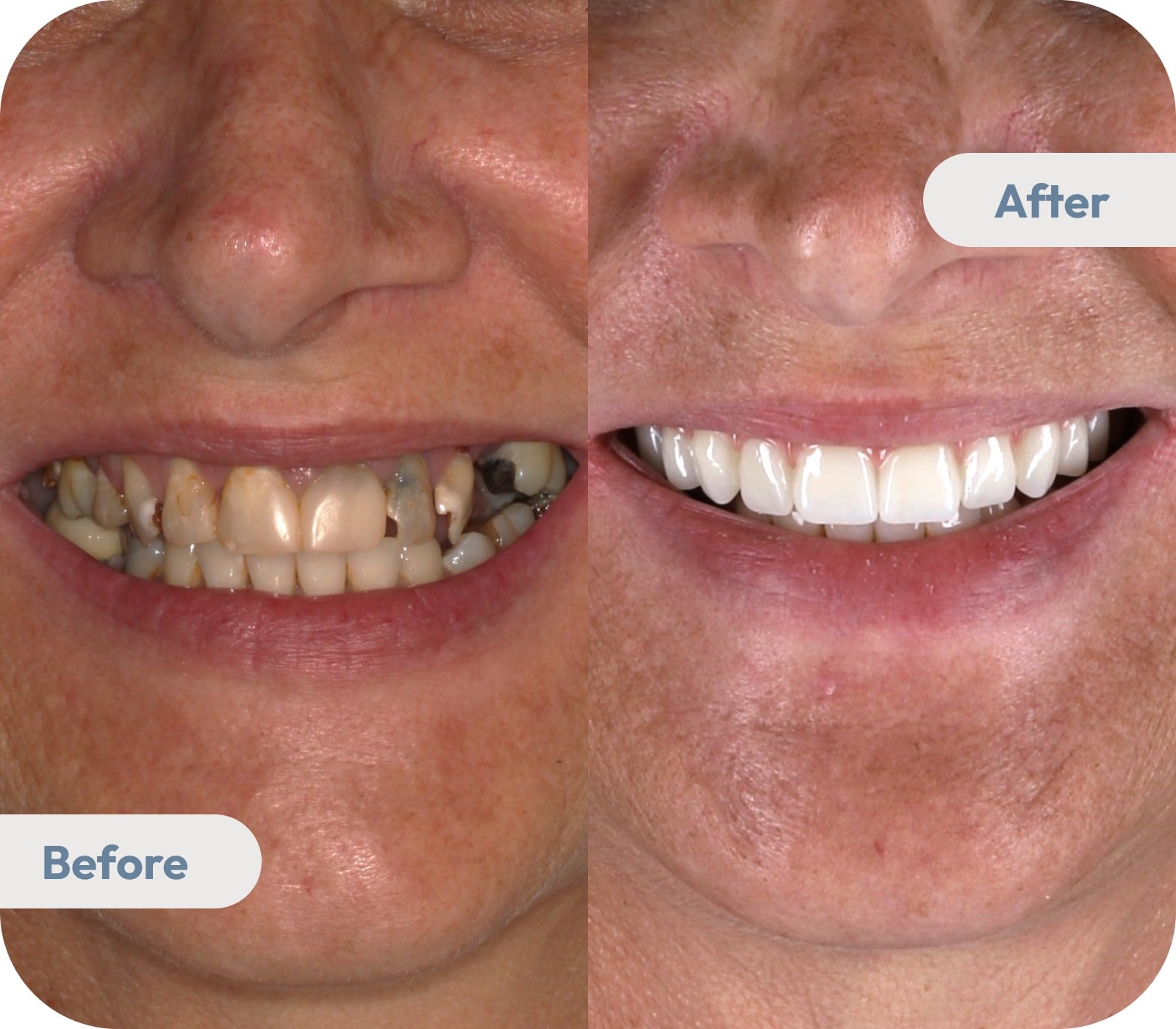
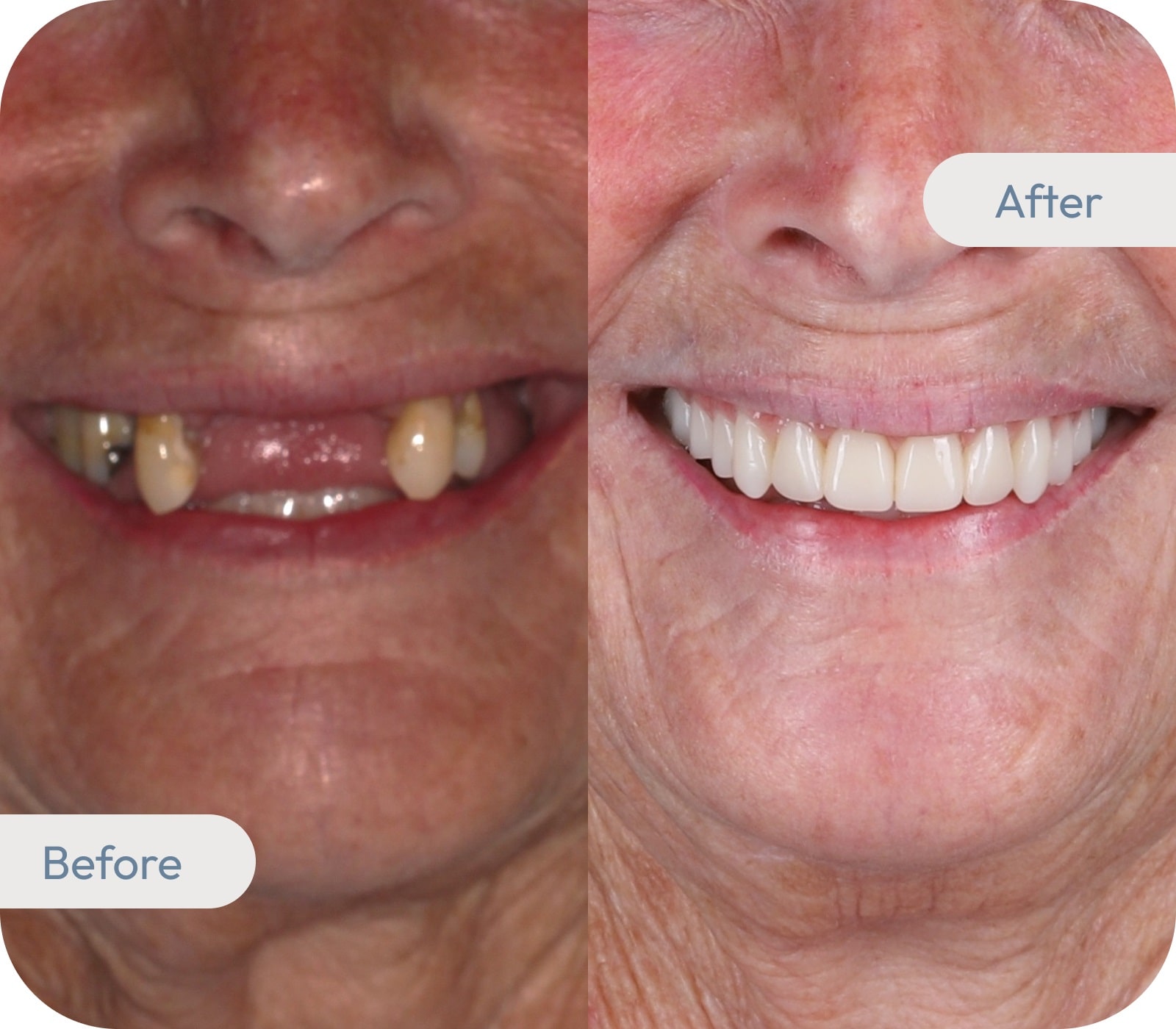
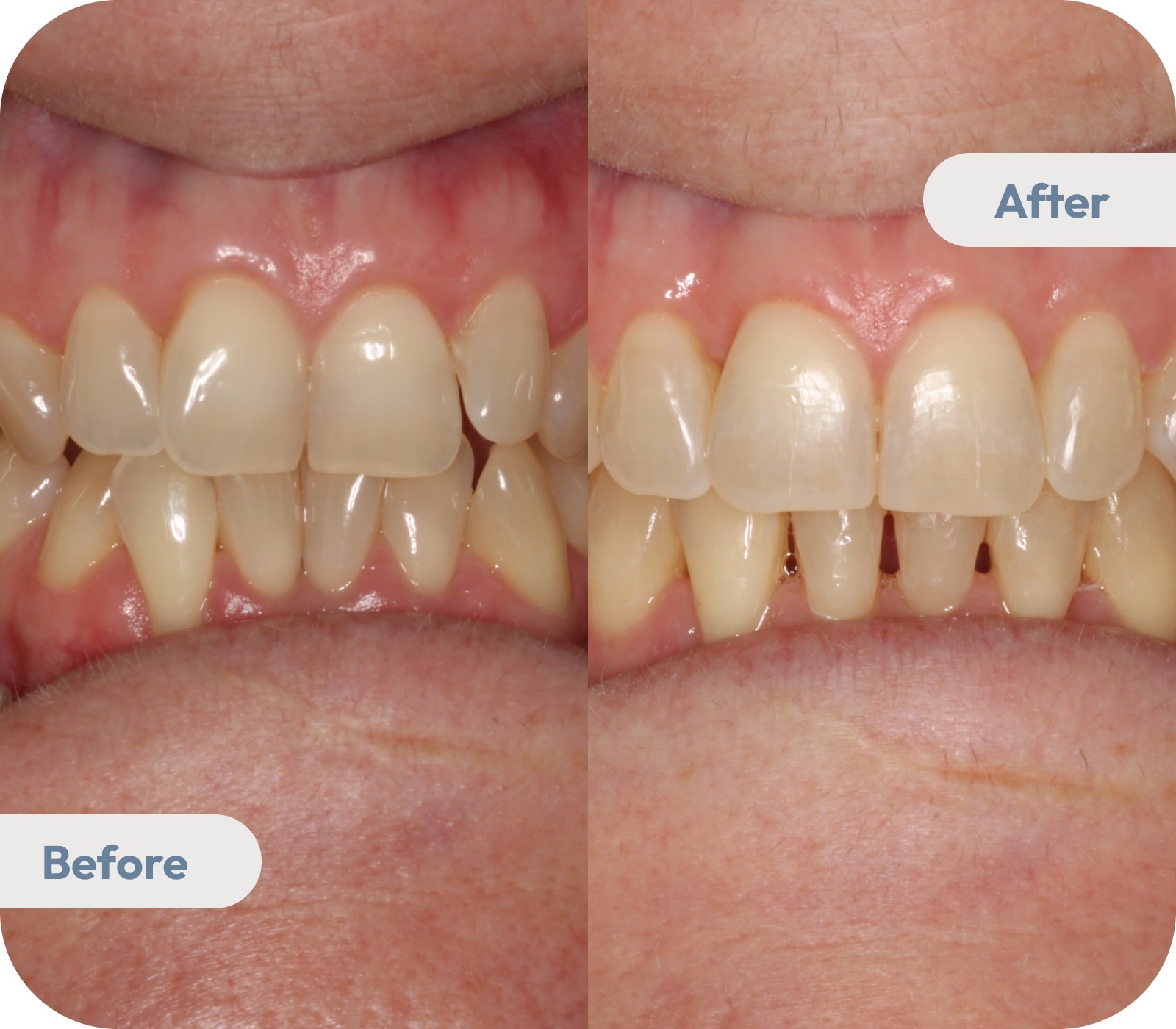
Smile Gallery – Before and After Treatment Examples
*These images display actual patients of our clinic. Every case is different, and treatment outcomes can vary according to individual conditions and needs.
Why Choose Eversmile Dental
-
- Proudly Bunbury Locals
- We don’t just work in Bunbury—we call it home. We raise our kids here, support local schools, and shop at the same weekend markets. We’re part of the fabric of this town, and we’re deeply connected with the people we serve. When you visit Eversmile Dental, you’ll be cared for by dentists who are part of the Bunbury community.
-
- Serving Since 2006
- Founded by Dr. Daniel Tham in 2006, Eversmile Dental has been part of Bunbury for nearly two decades, providing care for local families. We’re proud of our history and even more excited about where we’re heading as we continue caring for generations of local families.
-
- Dental Care for All Ages
- From a toddler’s first visit to helping grandparents maintain healthy gums, we tailor care for every age. We offer flexible appointment options and a supportive approach to make family visits easier. Our goal is to create a welcoming environment where dental care feels familiar and approachable.
-
- Personalised Care Plans for Your Needs
- You’re not just a number. At Eversmile Dental, we listen carefully, explain your options clearly, and work with you to create a plan that aligns with your goals. Whether you’re nervous, curious, or just want a second opinion, we’ll guide you with open communication and informed choices.
-
- Our Commitment to Professional Standards
- Honesty, integrity, and professional responsibility guide our care at Eversmile Dental. We clearly explain your treatment options and give you the opportunity to make informed choices without pressure. Our focus is on clear communication, professional advice, and delivering dental care in accordance with recognised standards.
-
- Modern Technology for Accuracy in Diagnosis and Treatment
- We’ve invested in modern dental technology, like 3D scanners, CBCT imaging, and EMS Airflow. Why? These tools assist with diagnosis and treatment planning in dental care.

Explore Our Dental Implant Information Pages and Resources
Frequently Asked Questions
How does dental sedation work?
Dental sedation helps reduce anxiety and create a calm, more comfortable experience during dental treatment. It works by relaxing your body and lowering your awareness.
The type of sedation used depends on your needs, medical history, and treatment plan. Your dentist will discuss the most suitable option for you in advance.
Here’s how each method works:
- Oral Sedation:
A tablet is taken before your appointment. It helps you feel calm and relaxed while remaining awake and able to respond if needed. - IV Sedation (Twilight Sedation):
Medication is given through a small cannula in your arm. You may feel drowsy, and some patients have limited memory of the procedure. - Nitrous Oxide (“Happy Gas”):
This gas is inhaled through a soft mask placed over your nose. Some people describe a light, relaxed feeling that typically wears off soon afterwards. - General Anaesthesia:
Performed in a hospital, this method places you into a controlled sleep. It is usually recommended for complex or lengthy dental procedures.
Throughout your procedure, the dental team monitors your breathing, pulse, and comfort in line with clinical protocols. This monitoring supports a low-stress experience.
Is sedation dentistry safe?
Sedation dentistry is generally considered low risk for suitable patients when it is clinically assessed and monitored. Suitability depends on your health history and needs.
At our clinic, each sedation option is supported by clinical protocols and continuous monitoring during your procedure. The type and level of sedation are tailored to your comfort and medical background.
Here’s how we support you:
- Comprehensive health review:
Your dentist will assess your medical conditions, medications, and any previous reactions to sedation. - Appropriately qualified team and clear protocols:
Sedation is provided by appropriately qualified registered practitioners following clinical protocols. Your breathing, pulse, oxygen levels, and responsiveness are monitored throughout. - Balanced information and informed decisions:
We’ll discuss potential benefits, risks, and alternatives before proceeding.
Side effects such as drowsiness, dizziness, or nausea can occur. All sedation procedures carry risks. Your dentist will discuss potential complications relevant to your health history during your consultation.
Will I feel any pain during sedation dentistry?
Sedation dentistry may help you stay calm and less aware during dental procedures. However, it is not designed to block pain. To manage discomfort, a local anaesthetic is typically used to numb the area being worked on.
Some patients report minimal discomfort and may have limited memory of the procedure, especially when deeper sedation is used.
Here’s how your comfort is supported:
- Local anaesthetic is typically used. A numbing injection is used to block pain in the specific area of your mouth.
- Sedation may lower anxiety and awareness. You may feel more relaxed and less focused on surrounding sensations.
- You may remain awake or lightly asleep. Some people feel like they’ve slept through the visit.
- Some patients report minimal discomfort. This approach can be helpful during longer procedures or when dental anxiety is present.
- With conscious sedation, most people remain able to respond to instructions or let your dental team know if you need anything.
Combining sedation with local anaesthetic can provide both emotional and physical comfort for many patients.
How long does dental sedation last?
The duration of dental sedation varies depending on the type used and your response. Some methods wear off quickly, while others may take several hours.
- Nitrous oxide (happy gas):
The effects often wear off within minutes after the mask is removed. When clinically appropriate, many adults can return to usual activities soon after. - Oral sedation:
This form of sedation usually lasts a few hours. You may feel sleepy for the rest of the day and should arrange for someone to take you home. - IV sedation (twilight sedation):
This has a rapid onset and gradually wears off over a few hours. You may feel drowsy or light-headed and should rest for the remainder of the day. - General anaesthesia:
This type of sedation takes longer to wear off and is provided in a hospital setting. Recovery may require several hours with support from medical staff.
Your dentist will provide information about how long the effects may last and give you aftercare instructions to help support your recovery.
Are you awake during IV sedation?
IV sedation places you in a deeply relaxed state, but you are usually conscious. You can respond to instructions, although some patients may have limited memory afterwards.
What to expect during IV sedation:
- Conscious but calm:
You are usually awake, though awareness is reduced. You may feel drowsy or like you are drifting in and out of sleep. - Minimal memory:
Some people report limited or no memory of the procedure. This is due to the amnesic effect of the sedative, which lowers anxiety and recall. - Responsive:
You can usually respond to your dentist through simple movements or short answers if needed. - Monitored closely:
Your breathing, pulse, oxygen levels, and comfort are monitored throughout in line with clinical protocols.
This method may be suitable for people with moderate to high anxiety, sensitive gag reflexes, or those undergoing longer procedures.
What happens if I fall asleep during dental sedation?
Falling asleep during dental sedation can occur and is usually managed with routine monitoring. Sedation may help you feel calmer and more comfortable, and in some cases, you may lightly doze off.
In sleep dentistry in Bunbury, patients may drift into a relaxed state where they remain partially responsive but feel detached from the procedure. This drowsy state can occur with IV sedation or oral sedatives.
If you do fall asleep:
- Trained clinical staff will continue to monitor you throughout.
- Your vital signs, breathing, heart rate, and oxygen levels will be checked regularly.
- The dental team can gently wake you or communicate with you if needed.
- Some people have limited memory of the procedure, which may help reduce anxiety about future appointments.
This light, sleep-like state can support a more manageable experience, especially for patients who feel nervous or are undergoing lengthy dental care.
What types of sedation do you offer at Eversmile Dental?
In general, do not drive after sedation unless your dental team confirms it is appropriate for you. Sedation can affect your coordination, reaction time, and decision-making for several hours.
- Nitrous oxide (happy gas):
This option may allow some adults to drive themselves home once the effects have worn off, and if advised, it’s appropriate. However, this depends on how quickly the effects wear off and how you feel afterwards. - Oral sedation:
You will need to arrange for someone to drive you to and from your appointment. The medication can cause drowsiness and delayed reflexes for the rest of the day. - IV sedation and general anaesthesia:
You must not drive after these types of sedation. You will need a responsible adult to take you home and stay with you during your recovery.
Your dentist will give you specific advice based on the type of sedation used and your overall health. Always follow transport and aftercare instructions.
How long does it take for dental sedation to wear off?
The duration of dental sedation depends on the method used and the type of procedure. Each option offers a different duration of calming effect:
- Nitrous oxide:
The sedative effect generally lasts while you’re inhaling the gas. Once the mask is removed, the sensation typically fades soon after. - Oral sedation:
Begins working within 30 to 60 minutes and typically lasts for several hours. It’s often used for longer or more complex appointments. - IV sedation:
The effects can last throughout the procedure and taper off over a few hours. It’s commonly used for procedures that require deeper relaxation. - General anaesthesia:
Provided in hospital with monitoring, it induces complete unconsciousness and can last from one to several hours.
Your dentist will select the appropriate type based on the complexity of your care and your comfort needs.
Can I drive after being sedated at the dentist?
In general, do not drive after sedation unless your dental team confirms it is appropriate for you. Sedation can affect your coordination, reaction time, and decision-making for several hours.
- Nitrous oxide (happy gas):
This option may allow some adults to drive themselves home once the effects have worn off, and if advised, it’s appropriate. However, this depends on how quickly the effects wear off and how you feel afterwards. - Oral sedation:
You will need to arrange for someone to drive you to and from your appointment. The medication can cause drowsiness and delayed reflexes for the rest of the day. - IV sedation and general anaesthesia:
You must not drive after these types of sedation. You will need a responsible adult to take you home and stay with you during your recovery.
Your dentist will give you specific advice based on the type of sedation used and your overall health. Always follow transport and aftercare instructions.
What does being sedated at the dentist feel like?
Dental sedation may create a calm, drowsy state and may help reduce anxiety and discomfort. While you may remain awake, you’ll likely feel relaxed and less aware of your surroundings. Some patients may lightly doze and have limited memory afterwards.
Here is what you may feel during sedation:
- You may lose track of time and feel like the procedure is over quickly.
- You may have little or no memory of the appointment, even if you were conscious.
- You might feel as though your body is heavy or floating, which can occur with sedation.
- You may notice reduced sensitivity to sounds or movement in the room.
Dental sedation for nervous patients is often described as an option that may make dental visits more manageable and less stressful.
Can children get sedation dentistry?
Yes, children can receive sedation dentistry when clinically appropriate and when medical clearance is indicated, administered by appropriately qualified clinicians in suitable settings.
It is sometimes used to support young patients who feel anxious, need complex care, or have difficulty staying still during treatment.
At Eversmile Dental, we use a patient-centred approach with a focus on helping children feel calmer and supported throughout their visit.
Here’s how sedation may assist in children’s dental care:
- Sedation may be helpful when a child feels very anxious about dental treatment.
- It can assist children who need multiple or lengthy procedures that are difficult to complete in one appointment.
- Children with additional needs may benefit from sedation if they struggle to tolerate dental procedures while awake.
- Each sedation option is selected based on the child’s age, medical history, and the type of dental care required.
Your dentist will explain the sedation process and what to expect before and after.
Who should not get sedation dentistry?
Sedation dentistry is not suitable for every patient. At Eversmile Dental, your dentist will review your medical history and health conditions to assess suitability.
The following groups may not be suitable for sedation based on clinical guidelines:
- People with respiratory conditions such as COPD or upper respiratory tract infections:
These conditions may interfere with breathing during sedation, particularly with nitrous oxide inhalation. - Patients with significant systemic illnesses or multiple comorbidities:
These may increase the risk of complications. Medical clearance may be needed before proceeding. - Individuals with known allergies or adverse reactions to sedative medications:
These reactions may include hypersensitivity or unpredictable effects, and may require alternative care. - Pregnant individuals:
Sedation is generally avoided during pregnancy unless advised by your healthcare team. - People with obstructive sleep apnoea or conditions causing airway obstruction:
These conditions can increase the risk of reduced airway tone during sedation. - Patients taking psychotropic medications or with neurological conditions like dyskinesia or Parkinson’s disease:
These individuals may require a modified sedation approach due to altered responses or interactions.
If any of these apply to you, your dentist will discuss alternative approaches or refer you for further assessment. We will discuss options, risks, and alternatives to support an informed decision.
Various Payment Options Available
Book Your Appointment Online or Call Our Bunbury Dental Clinic Today
Book an appointment with our dentist in Bunbury to discuss your oral health needs. We provide tailored dental treatments and clear information to support informed decisions about your dental care.