
Custom Dentures Designed for Everyday Comfort

Dentures in Bunbury Tailored for Fit and Function

At Eversmile Dental, we create custom dentures in Bunbury to help support eating, speaking, and smiling in everyday life. Results vary depending on oral health, but our focus is on individual needs.

Missing Teeth? Here’s How Dentures Can Help You

Tooth loss affects more than just your smile. It can make eating difficult, speech unclear, and social moments feel challenging. These changes may influence daily comfort. At Eversmile Dental, we provide custom dentures that are designed to support function and appearance, helping you eat, speak, and smile more comfortably. Results vary depending on individual oral health and care.

Wondering If Dentures Might Be Right for You?

  • Multiple Missing Teeth
    You’ve lost several teeth in one or both arches, making it harder to chew, speak clearly, or smile with confidence. Dentures are designed to support oral function and can help with daily comfort. Results vary by individual.
  • Loose or Worn Dentures
    Your current dentures slip when you talk or eat, or they feel uncomfortable. These changes often mean the fit is no longer right, and it may be time to consider a more updated option.
  • Healthy Gums and Bone
    You have enough healthy gum and bone structure to hold a denture securely. This foundation stability, although fit and comfort depend on individual oral health, may change over time.
  • Looking for Non-surgical Options
    You’d prefer to avoid oral surgery or aren’t suited to implant procedures. Dentures offer a practical, non-invasive approach that can support oral function and appearance, although outcomes vary between individuals.

Here’s How Dentures Can Support Daily Comfort

  • Improved Speech
    Missing teeth or loose dentures can sometimes affect the clarity of speech. Well-made dentures are designed to support pronunciation and may help conversations feel clearer; however, outcomes vary depending on the individual’s oral condition and denture fit.
  • Chewing Support
    Tooth loss can make chewing difficult. Dentures are designed to support eating a wider variety of foods. Adjustment periods are common, and comfort depends on each person’s oral health and denture fit.
  • Boosted Confidence
    Tooth loss can change how your smile looks. Dentures are made to resemble natural teeth and gums, aiming to support a natural appearance. Individual results vary depending on mouth shape, gum health, and denture design.
  • Facial Structure Support
    When teeth are missing, cheeks may appear hollow. Dentures can provide support beneath the lips and cheeks, which may help maintain facial shape. Changes vary depending on oral structure and denture fit.

Considering Dentures in Bunbury?

Book a consultation at Eversmile Dental in Bunbury to discuss the denture types available. We’ll outline your options and support you in choosing what suits your needs.
Eversmile Dental

What to Expect When Getting Custom Dentures

Every smile is unique. At Eversmile Dental, we take time to understand your needs and design dentures aimed at supporting daily comfort and function.

Your first visit to Eversmile Dental involves a thorough oral examination and a discussion about your needs, preferences, and lifestyle. We’ll check your gums, bone structure, and any remaining teeth. From there, we outline full or partial denture options, answer your questions, and explain the process clearly so you can make informed decisions. This step helps us plan a denture that is tailored to your oral condition, with adjustments made to support comfort.

Once you’re ready to proceed, we’ll take detailed impressions of your mouth and record how your teeth come together when you bite. At Eversmile Dental, we use digital scanning and in-house 3D fabrication tools to help streamline the denture design and manufacturing process. These technologies aim to support accurate planning and efficient production, but outcomes vary depending on individual oral health and bite.

Before your final denture is made, we’ll create a wax model or prototype for you to try. This lets us check the bite, fit, and appearance together in real time. You’ll have the opportunity to provide feedback, ask questions, and share your thoughts on what feels right. We’ll make any necessary adjustments so your denture is tailored to your mouth and intended to support stability, function, and a natural appearance. Results may vary depending on individual oral health and fit.

Once your denture is ready, we’ll place and polish it, then check how it fits, feels, and functions in your mouth. You’ll be guided through speaking and chewing so we can assess how it works in real time. Our dentures are designed using digital technology, which aims to support precision in planning and manufacturing, but outcomes vary depending on individual oral health. If any adjustments are needed, we’ll make them at this visit to help support comfort and oral function.

Your care doesn’t end when your denture is placed. We’ll see you for follow-up visits to check comfort, fit, and long-term function. These appointments also give you a chance to ask questions and receive guidance on care and maintenance. We’ll show you how to clean and store your dentures properly. We also review your oral health at intervals to help support ongoing comfort and function.

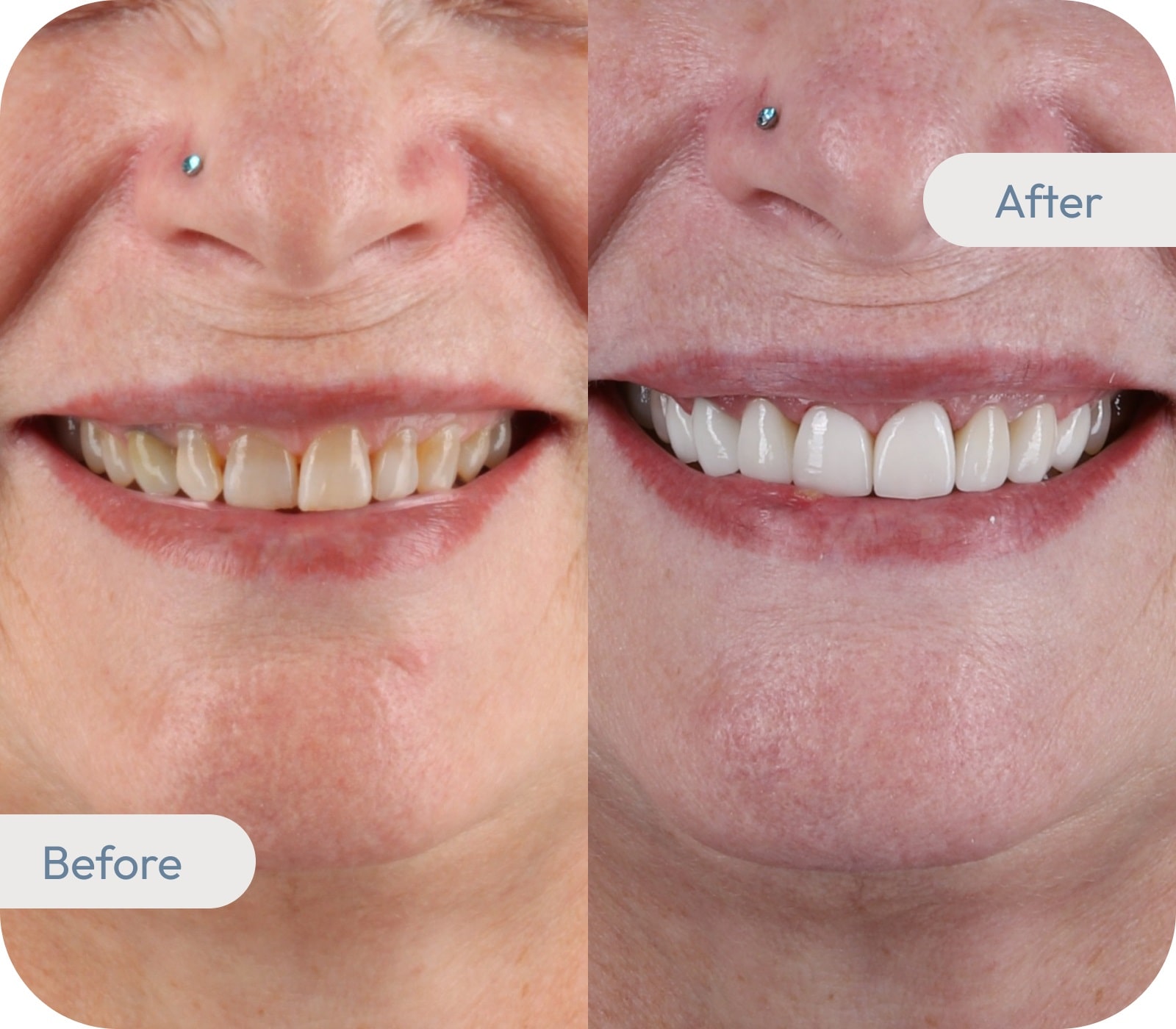
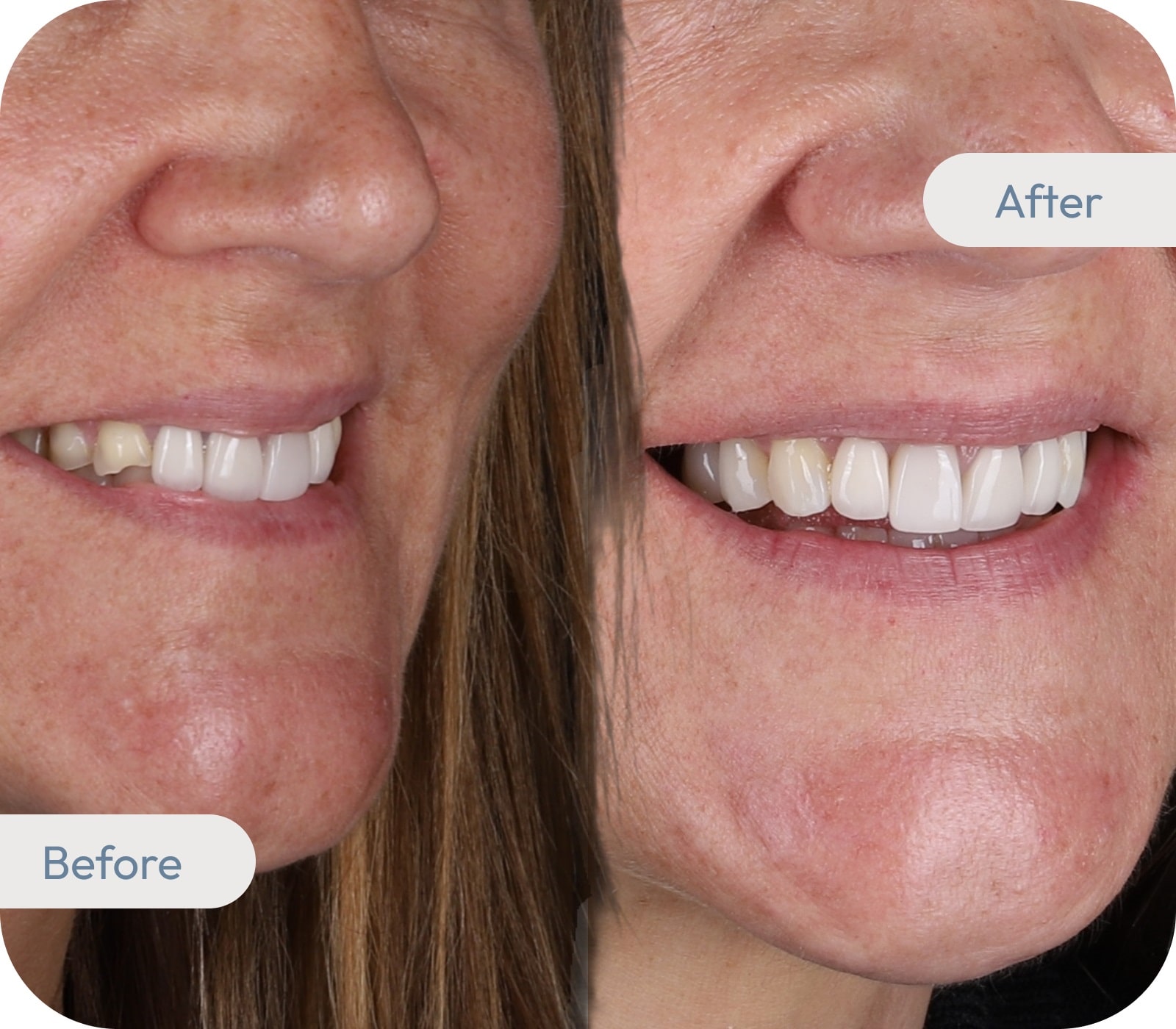
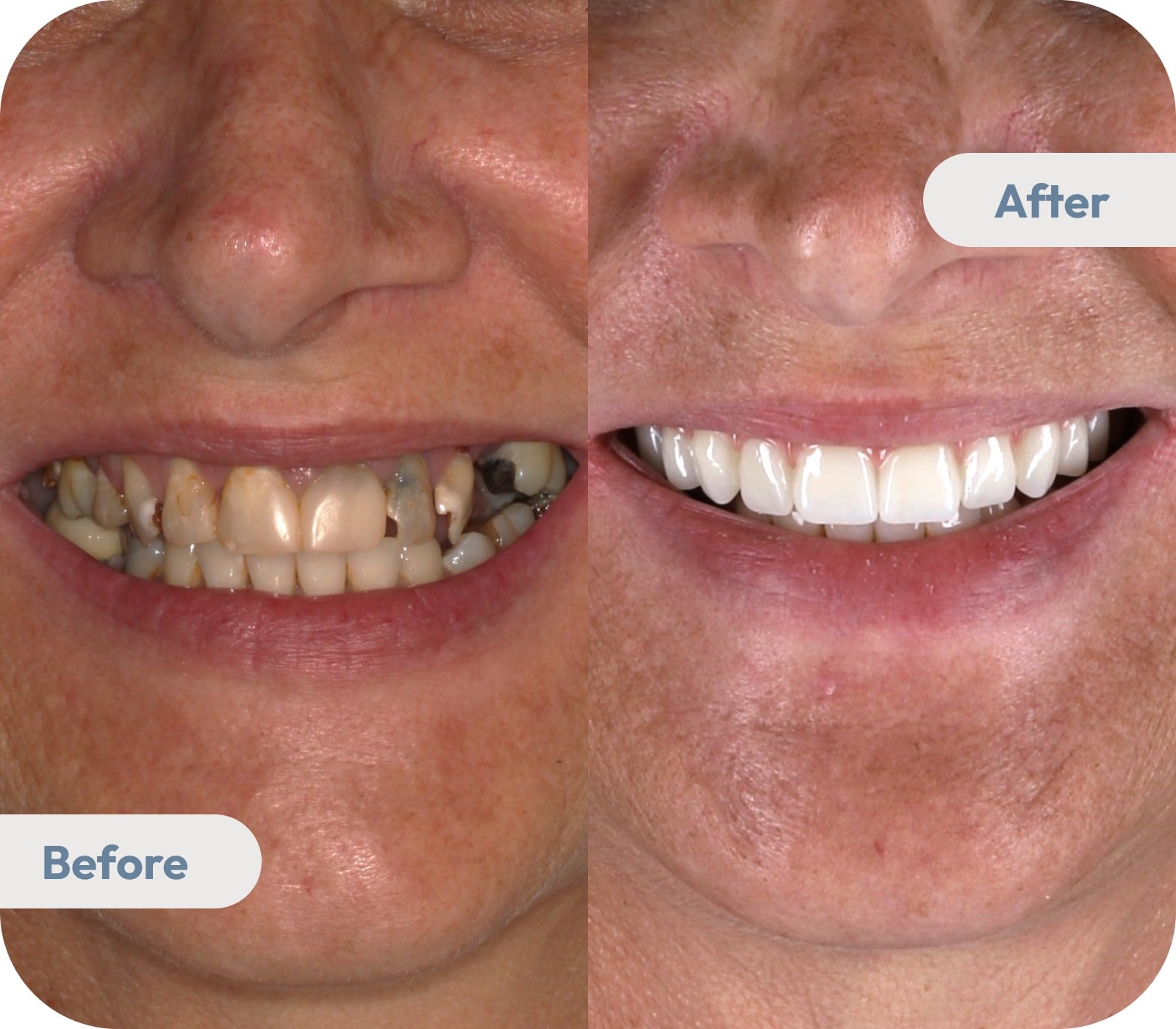
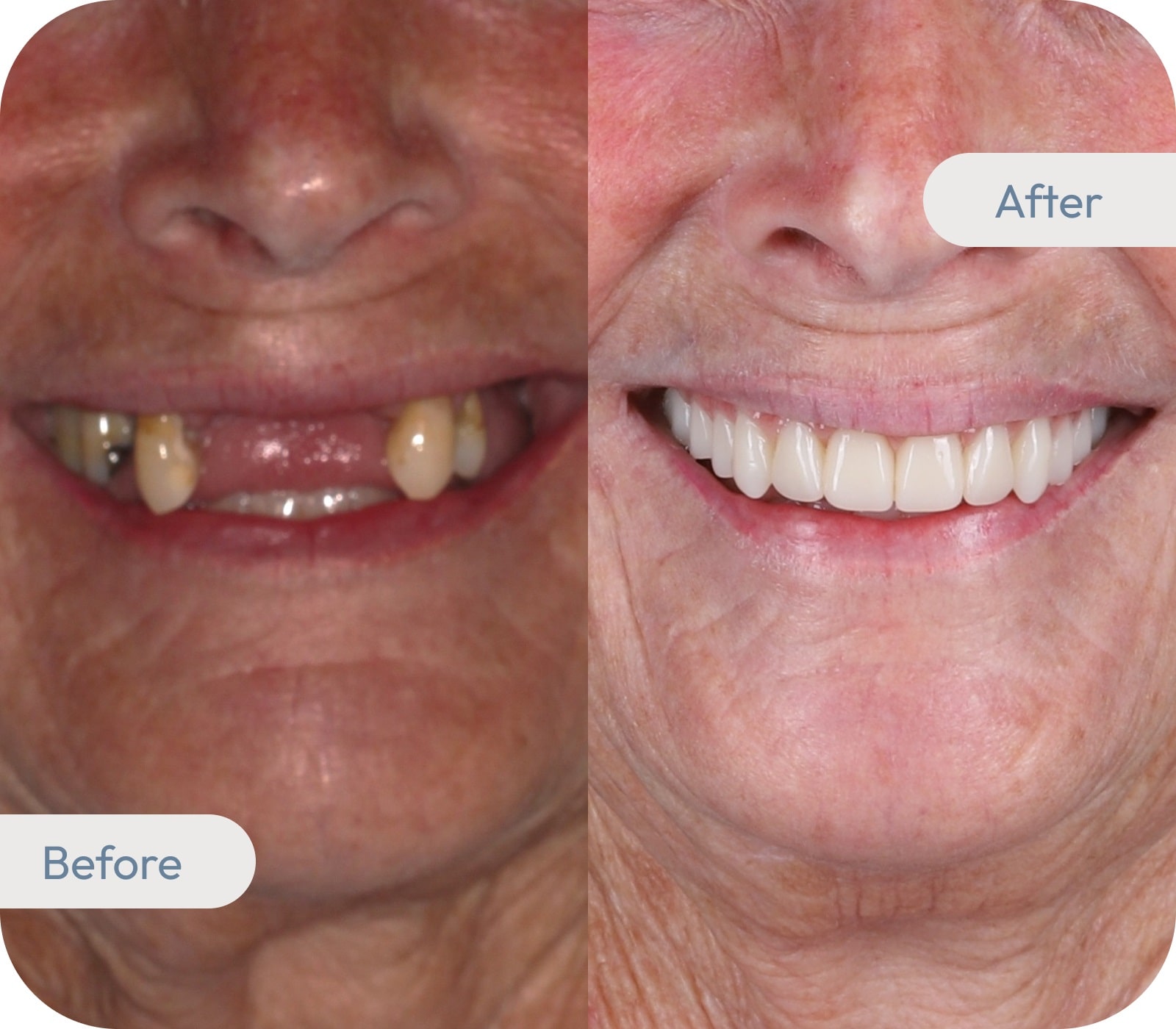
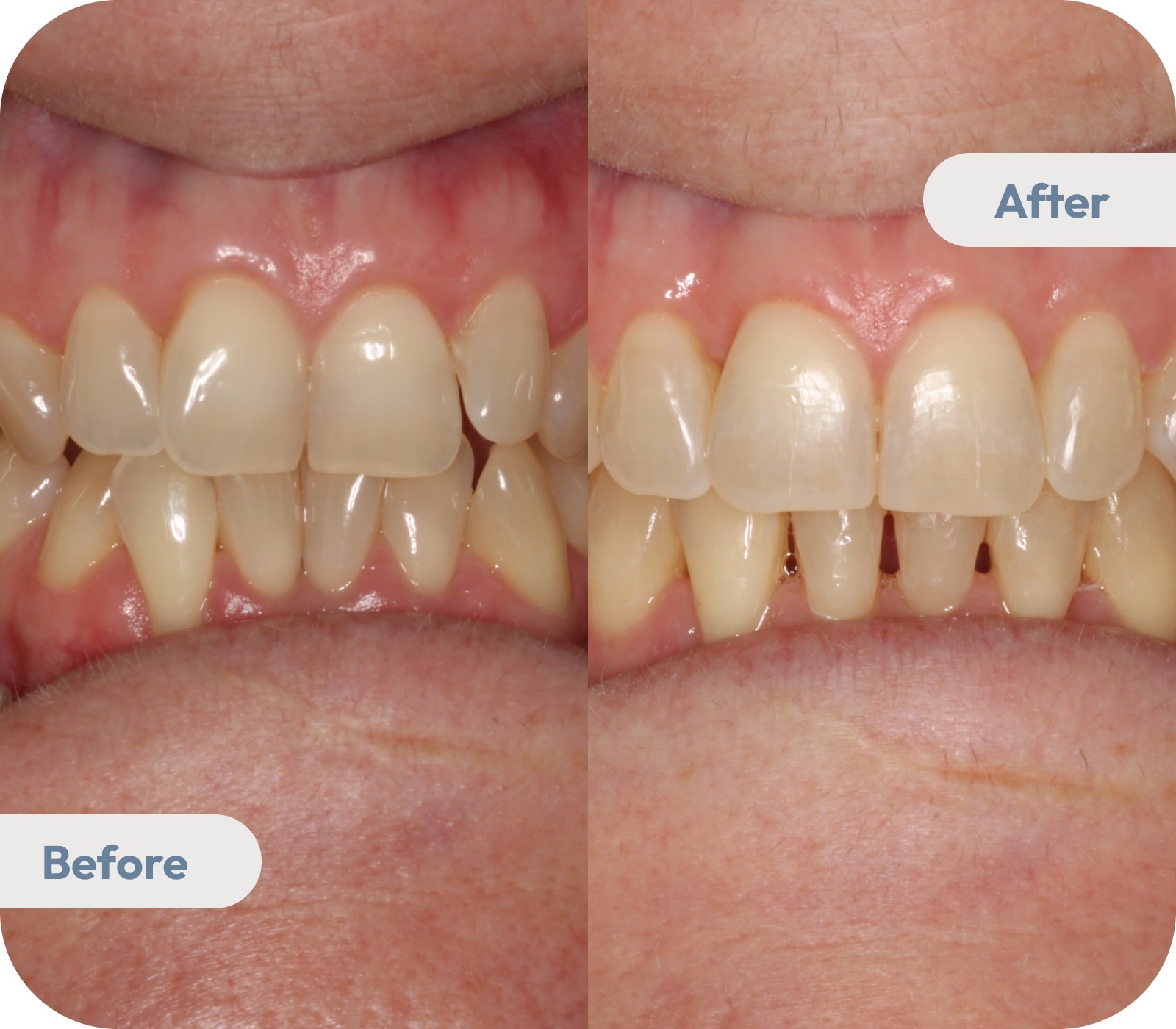
Smile Gallery – Before and After Treatment Examples

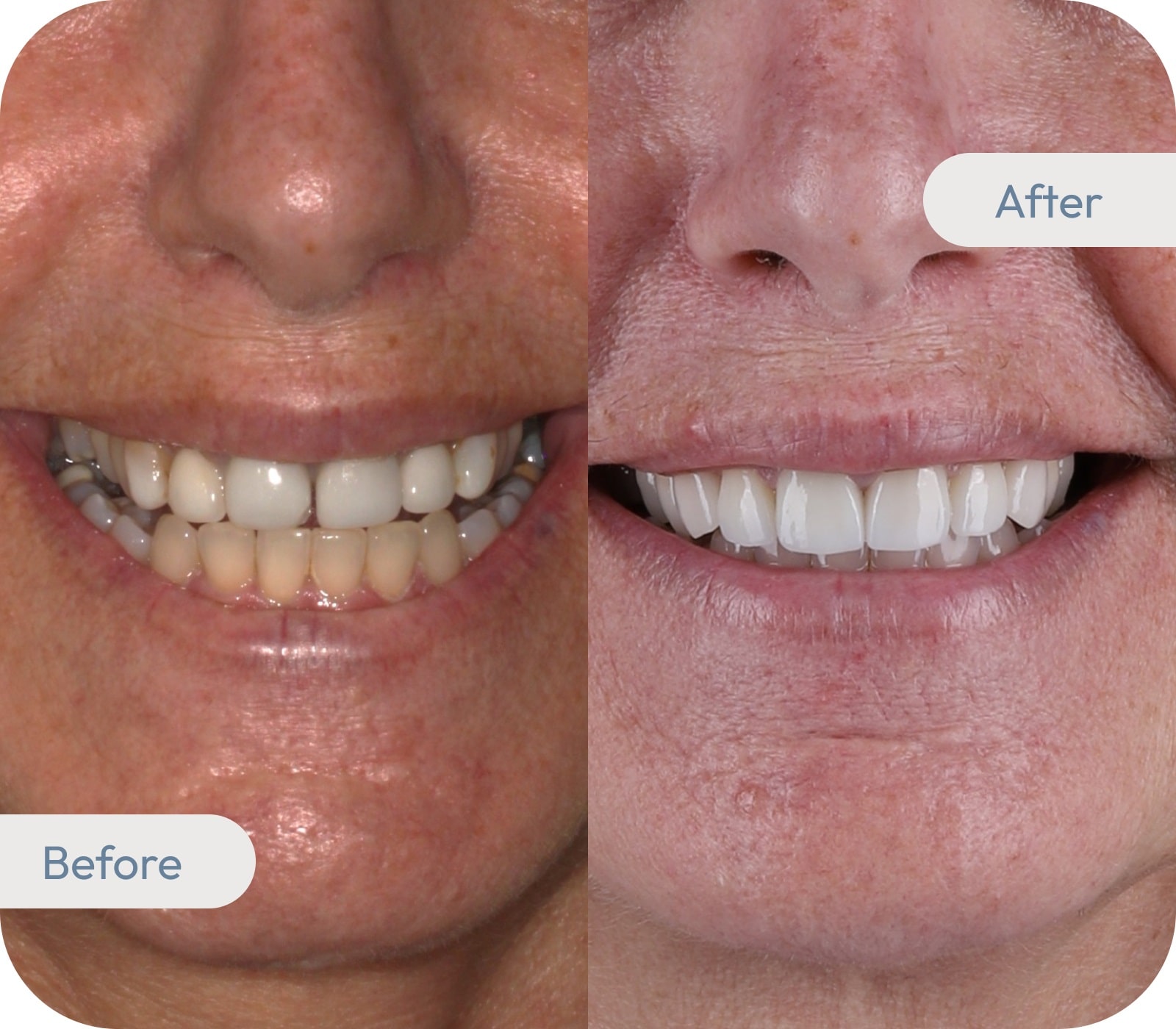
Explore real treatment outcomes in our gallery. These before-and-after photos show actual patients of Eversmile Dental, displayed with their consent. Outcomes vary between individuals, and results are not guaranteed. Images are unedited and taken under comparable conditions to reflect realistic treatment outcomes.

*These images display actual patients of our clinic. Every case is different, and treatment outcomes can vary according to individual conditions and needs.

Why Bunbury Turns to Us for Restoring Smiles

Restorative dentistry is about restoring and replacing teeth to maintain function, comfort, and oral health. At Eversmile Dental, we combine experience, empathy, and modern technology to deliver care that supports your long-term oral health.

Frequently Asked Questions

If you’re exploring dentures or dental bridges in Bunbury, these answers may help you feel more informed and prepared when considering your options.

What are the different types of dentures?

There are several types of dentures available, depending on the number of missing teeth and the condition of the mouth.

  • Full dentures:
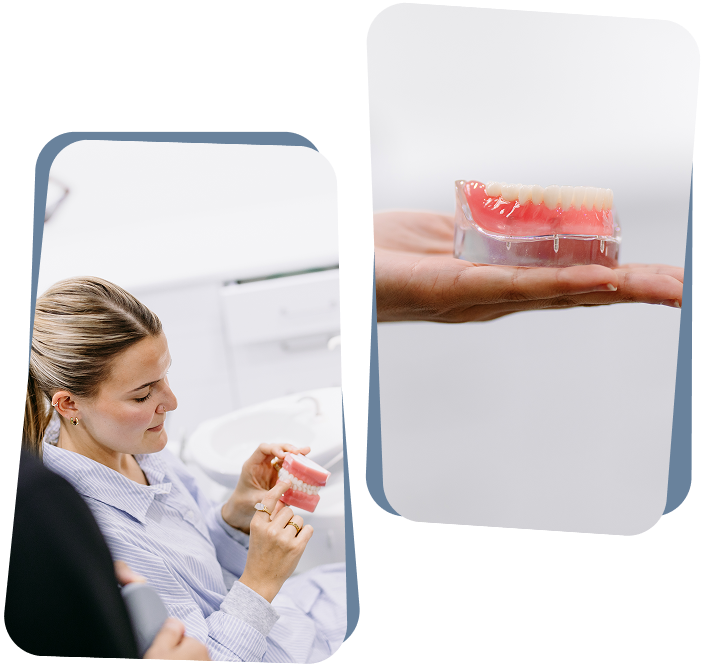
    These replace all natural teeth in either the upper or lower jaw. They sit on the gums and are designed to resemble the appearance of natural teeth.
  • Partial dentures:
    When some natural teeth remain, partial dentures in Bunbury help fill the spaces left by missing teeth. They are held in place with metal clasps or attachments that fit around the existing teeth.
  • Immediate dentures:
    These are fitted immediately after tooth removal, so you won’t be without teeth during the initial healing period. They often require relining or adjustments as the gums change.
  • Implant-retained dentures:
    These attach to dental implants placed in the jawbone. They may provide added support and can be easier to manage when eating or speaking. Your dentist will assess whether this type is suitable based on your general and oral health.

Eversmile Dental offers several types of dentures and will guide you through the details of each one. We’ll explain your options so you can make a choice based on function, fit, and daily needs.

In many cases, dentures involve a lower upfront cost than dental implants because they don’t require surgery or titanium components. However, total costs vary depending on your oral health, the type of denture or implant, and any follow-up care. Dentures may need more frequent adjustments over time, while implants usually involve higher initial costs but less maintenance once placed.

Eversmile Dental offers both options and will provide a detailed quote after assessment so you can make an informed choice.

The cost of dentures in Bunbury depends on the type, materials, and any additional dental work required.
As a general guide:

  • A full upper and lower denture may cost between $2,795 and $4,700.
  • An upper denture only may cost between $1,555 and $3,800.

These figures are estimates only. Your total cost will vary based on your specific needs and treatment plan.

Several factors can influence the overall cost:

  • Type of denture:
    Full dentures in Bunbury generally cost more than partial ones. This is because full dentures replace an entire upper or lower set of teeth, while partial dentures fill smaller gaps.
  • Materials used:
    Standard acrylic is a lower-cost option, while other materials may provide differences in durability or appearance.
  • Additional dental procedures:
    Tooth removal, gum treatment, or bite adjustments may be needed before making the denture.
  • Level of customisation:
    Dentures made to closely match natural teeth and gums may require more time and detail.
  • Follow-up care:
    Some dentures require adjustment visits to refine the fit after they are placed.

To receive an accurate quote, a consultation is required. At Eversmile Dental, we explain all costs clearly so you understand the fees and treatment steps before proceeding.

More expensive dentures often involve steps that can enhance how they fit, but this does not apply to everyone.
Here are some reasons why fit may vary:

  • Level of customisation:
    Higher-cost dentures are usually made using detailed impressions and scans, which may assist with creating a closer fit.
  • Materials used:
    Some materials used in advanced dentures may adapt differently to the mouth compared with standard acrylic.
  • Bite and jaw alignment:
    These dentures often include checks to match how your teeth come together and may help with stability when eating.
  • Follow-up care:
    Some options include extra appointments to fine-tune the fit. These small adjustments may assist with comfort over time.

However, a good fit also depends on your gums, bone support, and how your mouth has healed after tooth removal.

On average, many full upper and lower conventional dentures need replacement after about 5 to 8 years, but this varies for each person. Over time, your mouth and gums naturally change shape, which can affect how the denture fits and functions.

Here are a few reasons why dentures may need to be replaced or adjusted:

  • Wear and tear:
    Daily use can cause the denture base or teeth to wear down, especially with chewing and cleaning.
  • Changes in your gums or bone:
    After tooth loss, the jawbone slowly shrinks, which can affect the stability of the denture.
  • Fit and comfort:
    A denture that once fit well may become loose, which can lead to rubbing, soreness, or difficulty speaking.
  • Appearance:
    Dentures can discolour or become worn over time, and some people choose to replace them for this reason.

Regular reviews can help identify early changes and extend the life of your denture. At Eversmile Dental, we can assess the condition of your dentures and recommend a reline or replacement if clinically appropriate.

Most full upper and lower conventional dentures last between 5 and 8 years. Over time, your mouth and gums naturally change shape, which can affect how the denture fits and functions.

Here are a few reasons why dentures may need to be replaced or adjusted:

  • Wear and tear:
    Daily use can cause the denture base or teeth to wear down, especially with chewing and cleaning.
  • Changes in your gums or bone:
    After tooth loss, the jawbone slowly shrinks, which can affect the stability of the denture.
  • Fit and comfort:
    A denture that once felt snug may become loose, which can lead to rubbing, soreness, or difficulty speaking.
  • Appearance:
    Dentures can become discoloured or dull over time. Some patients choose to update them for a fresher look.

Regular reviews can help catch early changes and extend the life of your denture. At Eversmile Dental, we can check the condition of your dentures and advise when a reline or replacement is needed.

Many people wonder how soon they can replace missing teeth with dentures. The timing depends on whether a temporary or longer-term option is being used, as well as how your mouth heals after extractions.

There are two main options:

  1. Immediate dentures
    These are prepared before your teeth are removed and placed on the same day as the extraction. Impressions are taken in advance to create the denture. This approach may help maintain appearance and function during the early stages of healing.

    Immediate dentures are available for both partial and full tooth loss; however, adjustments are often necessary as the gums and bone change.
  2. Conventional dentures
    These are made once your gums and bones have healed. Healing time varies but is often several months. After healing, new impressions are taken to design a denture that fits the current shape of your mouth more closely.

    While conventional dentures may provide greater stability for some patients, the waiting period is longer unless temporary dentures are used in the meantime.

A consultation is required to assess your oral condition and plan your denture treatment.

It is not always necessary to go without teeth during the healing period.

Immediate dentures may be prepared in advance and placed on the same day as tooth removal. This approach may help with appearance and function during the early stages of healing. Adjustments are often needed as your gums and bone change shape over time.

Your dentist will advise whether this option is suitable for your situation and explain what to expect during the transition.

Many people are able to eat with dentures, though it usually takes time to adjust, especially when they are new.

Here’s what to expect:

  • Start with soft foods:
    In the early days, choose foods that are easy to chew, such as mashed vegetables, scrambled eggs, or soft fish. This helps you get used to the feel of the denture in your mouth.
  • Chew slowly and evenly:
    Try to use both sides of your mouth at the same time. This helps keep the denture stable while you eat.
  • Initially avoid sticky or hard foods:
    Items like chewing gum, nuts, or crusty bread can dislodge or stress a new denture.
  • Cut food into small pieces:
    Smaller bites are easier to manage and less likely to cause discomfort.

With time and practice, many people find they can return to a varied diet, though adjustments are sometimes required if a denture feels loose or sore.

It is possible to sleep with dentures in, but it is often recommended to remove them at night. Taking dentures out while you sleep allows your gums and mouth to rest. This may help reduce irritation and support tissue health.

Wearing dentures overnight regularly may lead to the following issues:

  • Gum irritation or infection may become more likely, especially if the denture isn’t cleaned thoroughly before bedtime.
  • The denture may wear down or stain more quickly, as constant use gives it less time to rest and dry properly.
  • Bacteria can build up under the denture base, which may cause bad breath or increase the risk of oral infections.

Removing your dentures also makes daily cleaning easier. Soaking them overnight in water or a cleaning solution keeps them moist and may help prevent warping.

In some cases, such as after extractions, your dentist may recommend wearing dentures overnight for a short time. If this applies to you, specific care instructions will be provided.

Various Payment Options Available

Eversmile Dental offers a range of flexible payment options to assist patients in managing the cost of their dental care. Please ask our team for details about the payment plans available.
Right Menu Icon