
Straighter Teeth, Subtly Done

Learn About Invisalign in Bunbury

Invisalign® in Bunbury is offered as a clear aligner treatment for orthodontic care. These devices are registered medical products designed to gradually align teeth as an alternative to braces.

A Clear Aligner Option for Straighter Teeth

Misaligned teeth can lead to difficulty cleaning, uneven wear, or jaw discomfort. Wearing metal braces can feel noticeable for some people, particularly in certain settings. Invisalign® clear aligners are a registered medical device designed to be discreet when worn. Each set applies controlled pressure, gradually guiding the teeth into alignment without the need for brackets or wires.

Invisalign® Clear Aligner Overview

  • Discreet Appearance
    Clear aligners are made from smooth, transparent plastic. They’re designed to appear clear when worn, offering a preferred option for people seeking a less noticeable appearance during orthodontic treatment.
  • Removable Trays
    Aligners can be removed for meals, brushing, or flossing. This flexibility can make it easier to maintain oral hygiene and manage aligner use during meals, events, or daily routines.
  • No Food Restrictions
    Because the aligners are removed when eating, most foods, including items like popcorn, nuts, or apples, can be enjoyed as usual. Patients can generally maintain their normal diet, as aligners are removed during meals, unlike traditional braces.
  • Fewer Appointments
    Aligners are usually provided in advance, and the number of in-clinic visits depends on each patient’s treatment plan. Check-ups are usually scheduled every six to eight weeks, as advised by your practitioner.

Step-by-Step Breakdown of the Invisalign® Treatment Process

The Invisalign® treatment involves several stages, from the first consultation to follow-up appointments, each designed to track progress and maintain treatment accuracy.

Your Invisalign® treatment begins with a comprehensive dental consultation to assess whether clear aligners are suitable for you. If appropriate, a 3D digital scan is taken to capture a detailed model of your teeth without the need for traditional moulds. This digital process helps your dental provider plan an individualised treatment approach and enhances precision during the planning phase, avoiding the discomfort sometimes associated with conventional impressions.

Your 3D scan is used to create a series of custom aligners tailored to the unique alignment of your teeth. ClinCheck® Pro, an aligner-planning software, maps out each stage of movement to guide the treatment process. Each aligner applies controlled, targeted pressure to specific areas, resulting in gradual tooth movement. These step-by-step shifts are based on your personalised treatment plan developed during your consultation.

Once your aligners are ready, you'll begin wearing your first set as instructed during your fitting appointment. Aligners are generally worn for 20 to 22 hours each day, including during sleep, as advised by your dentist. They should only be removed for eating, drinking anything other than water, brushing, or flossing. Consistent wear is important, as each set builds on the movement achieved by the last to gradually align your teeth.

After completing the initial stage, you’ll begin changing to a new set of aligners every one to two weeks, depending on your treatment plan. Each set is made to facilitate gradual changes in tooth alignment. Regular check-ins with your dentist remain important throughout your treatment. These visits allow your dentist to monitor progress and make any necessary adjustments to your treatment plan.

After completing your Invisalign® treatment, you’ll be advised to wear retainers to help maintain your new tooth position. This is a standard part of most orthodontic treatments and is not exclusive toInvisalign®. Retainers are custom-made and may be worn full-time at first, then at night, as advised. Consistent use helps reduce the risk of teeth shifting over time and supports the stability of your treatment results.

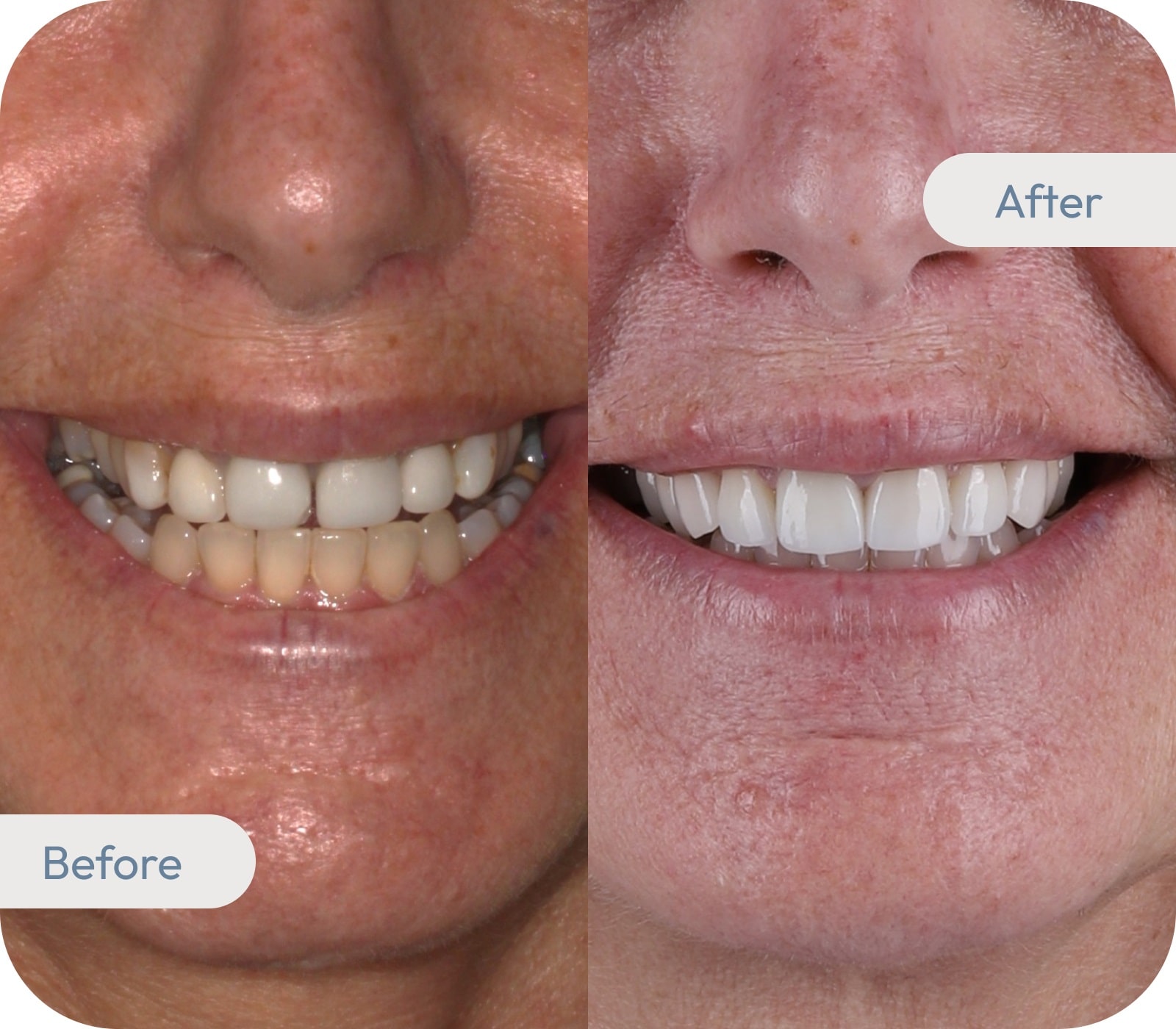
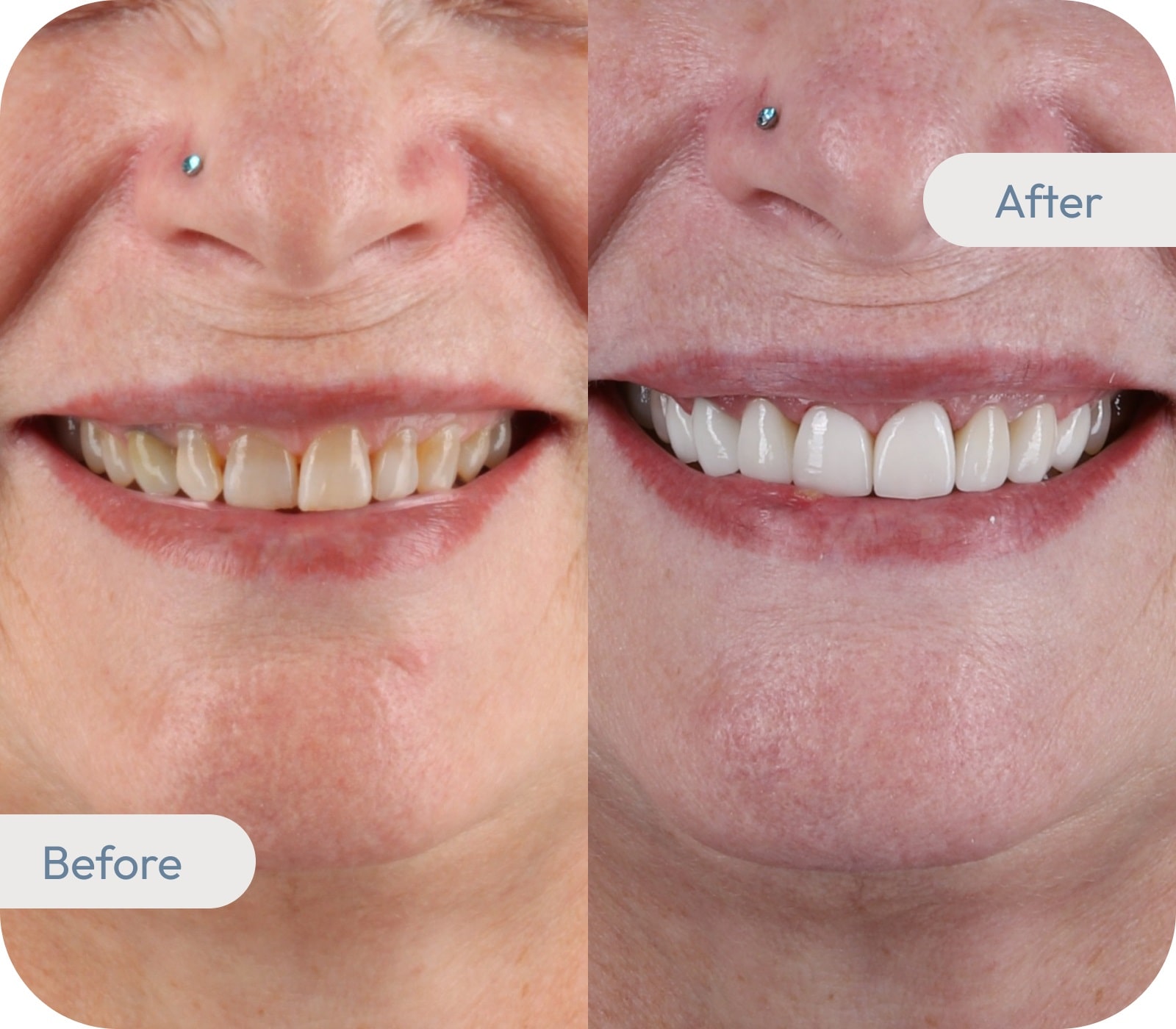
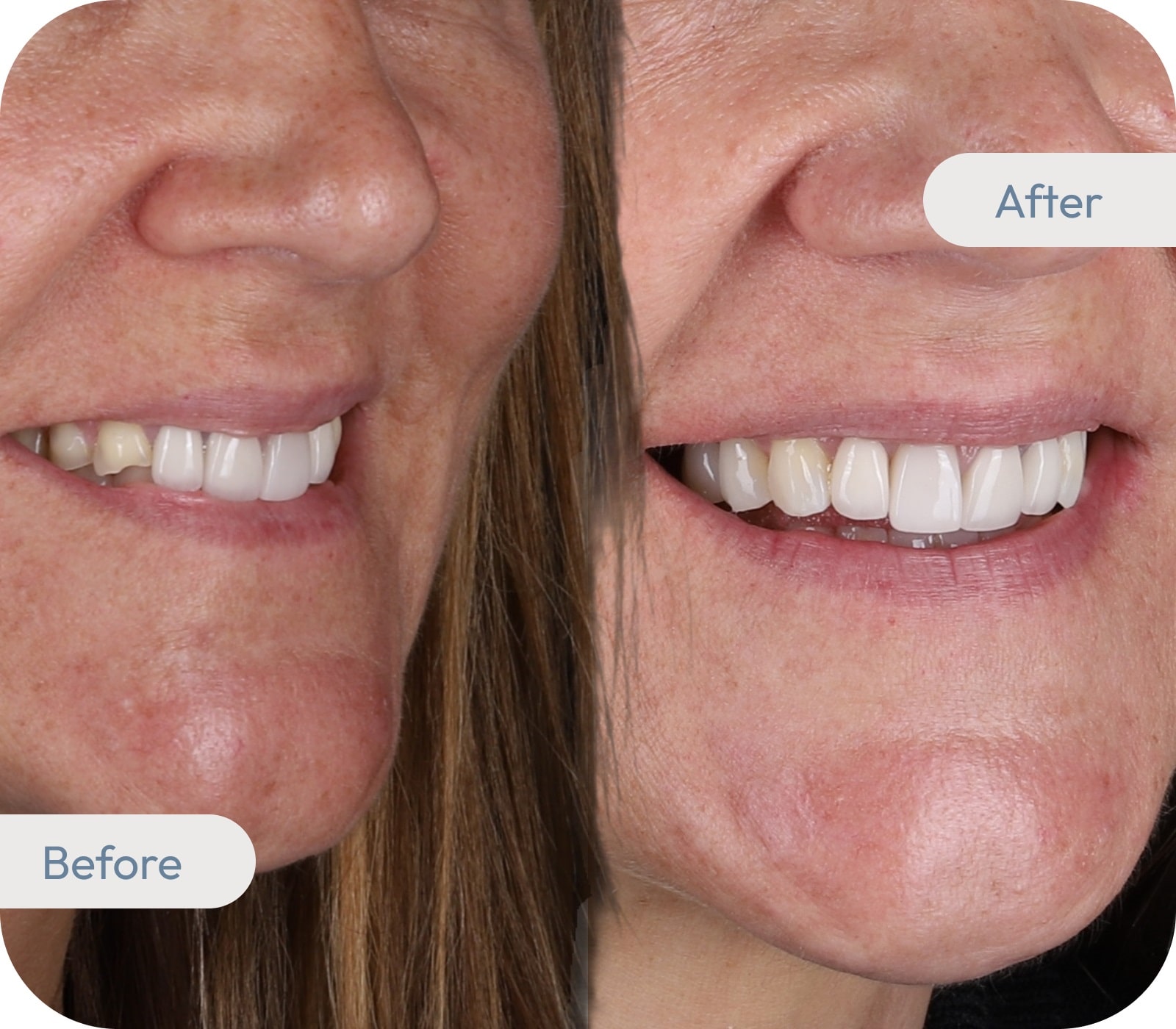
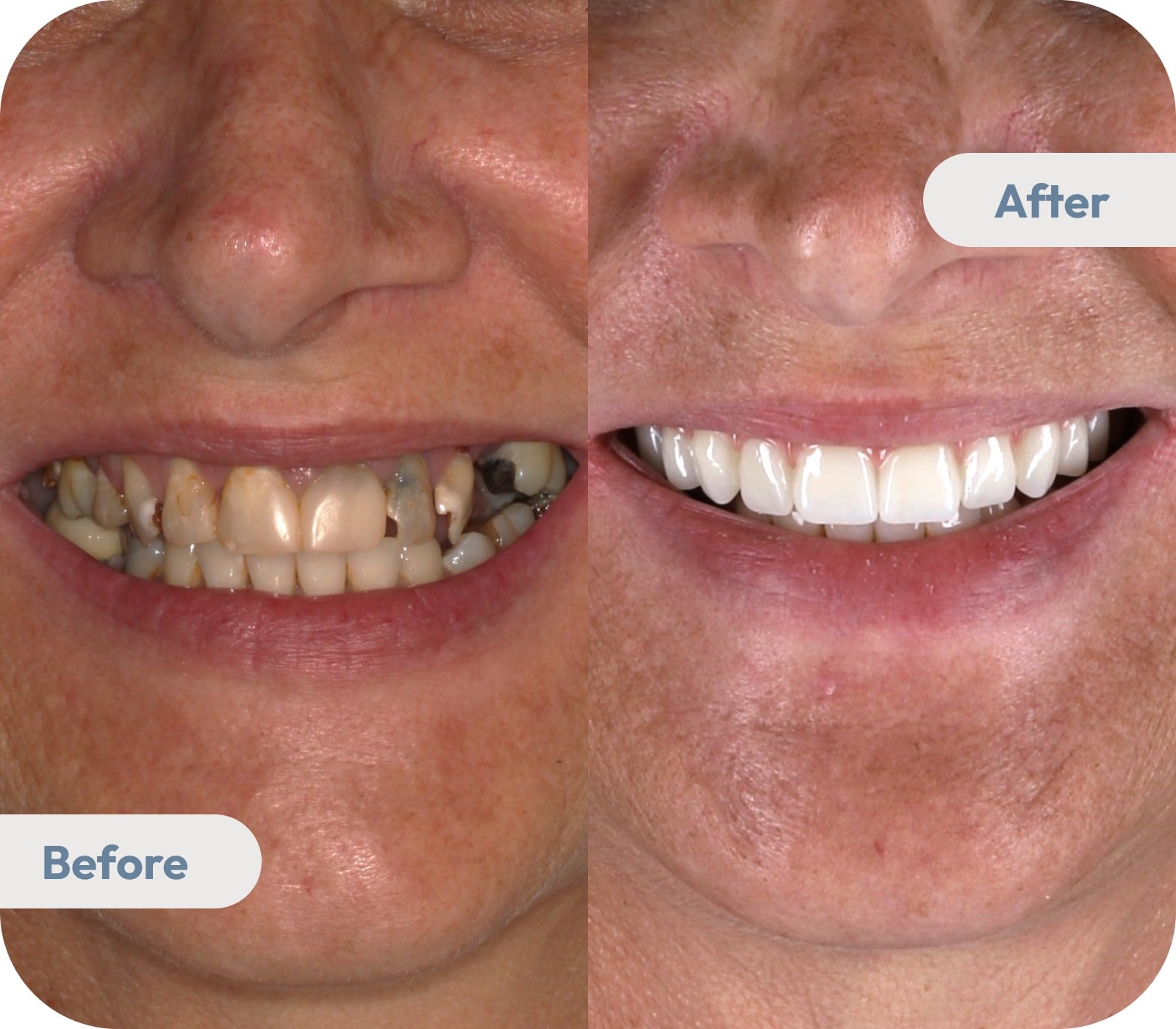
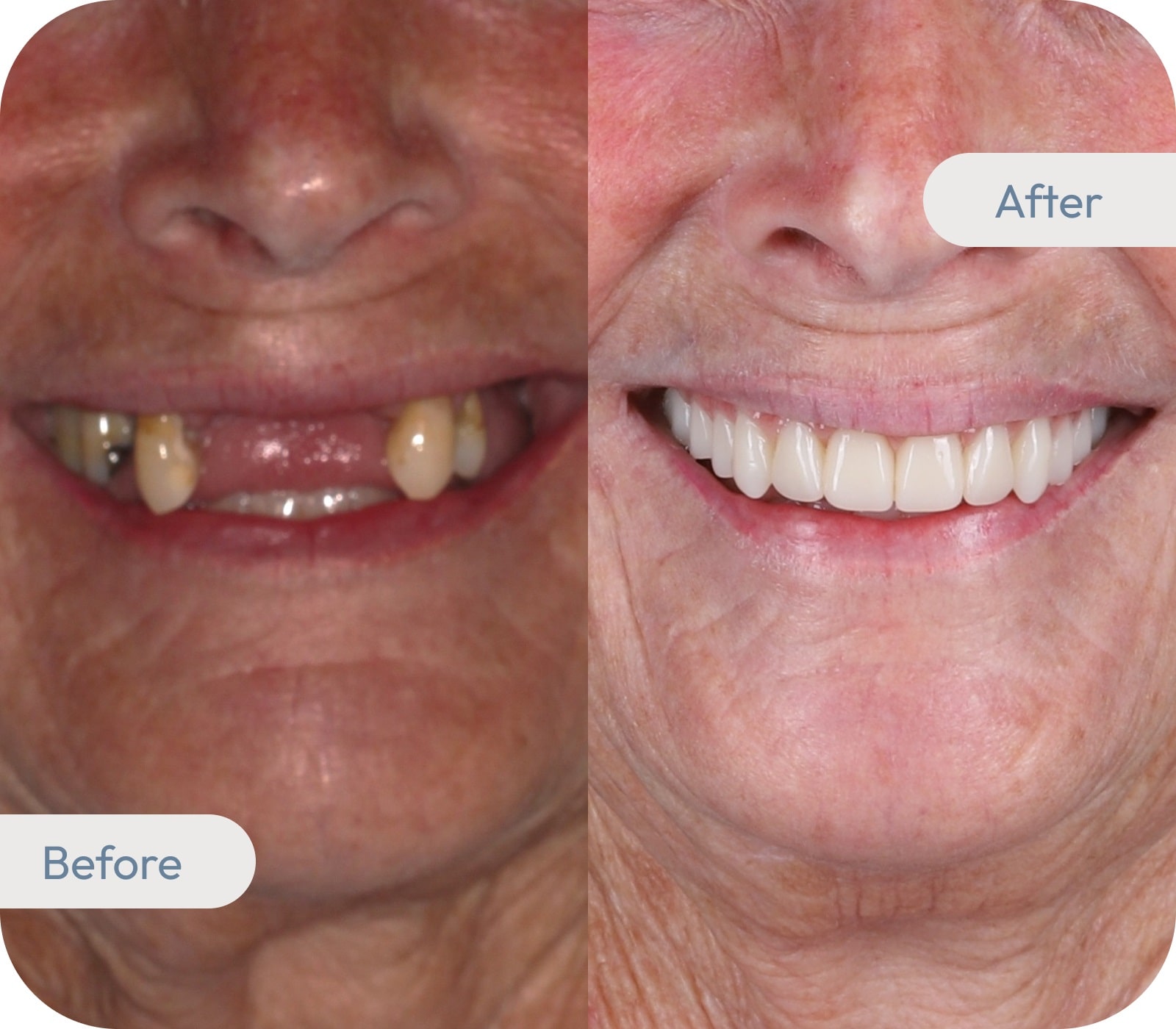
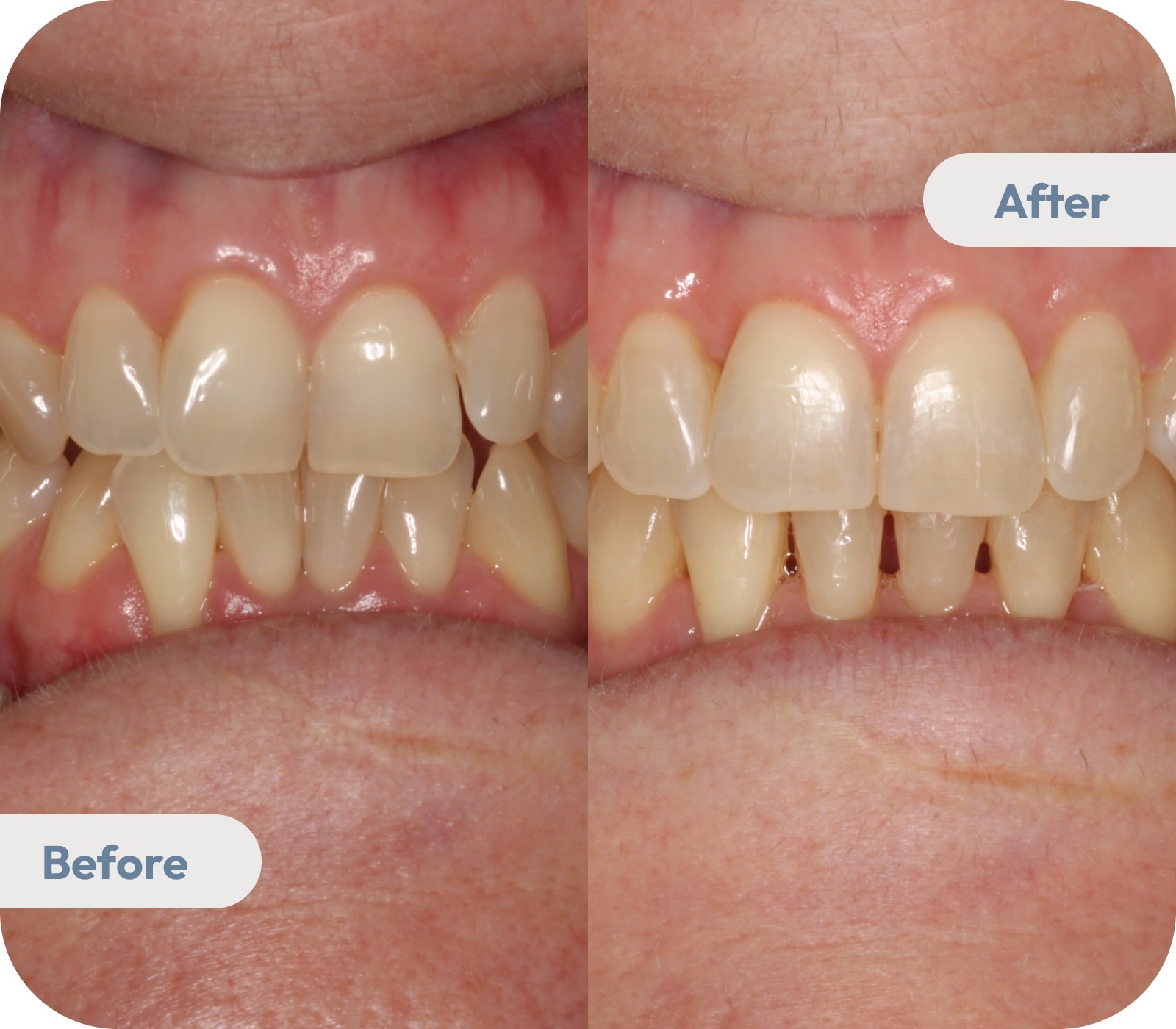
Smile Gallery – Before and After Treatment Examples

Explore real treatment outcomes in our gallery. These before-and-after photos show actual patients of Eversmile Dental, displayed with their consent. Outcomes vary between individuals, and results are not guaranteed. Images are unedited and taken under comparable conditions to reflect realistic treatment outcomes.

*These images display actual patients of our clinic. Every case is different, and treatment outcomes can vary according to individual conditions and needs.

Why Families Choose Eversmile Dental for Orthodontic Care

Orthodontic care is about more than straight teeth—it supports function and contributes to long-term oral health. At Eversmile Dental, we offer early orthodontic assessments and clear aligner treatments planned around individual needs. Our role is to offer clear information and guidance so patients can make informed decisions.
  • Eversmile Dental
    Bunbury-Based Dentists for Local Families
    We’re locals who live, work, and raise families in the same community we serve. That means we recognise the importance of providing flexible orthodontic options that work for local families. Our care reflects our community connection.
  • Eversmile Dental
    Experienced Care with a Personal Approach
    With almost two decades of experience, Eversmile Dental provides orthodontic assessments and clear aligner therapy for patients of different ages. Our approach is guided by professional knowledge and transparent communication.
  • Eversmile Dental
    Orthodontic Options for Children, Teens, and Adults
    From early orthodontic checks for kids to clear aligners for adults, our approach is designed for all ages. We provide clear explanations of available options to help you understand what each involves. Every patient’s needs are different, and treatment planning reflects those differences in supporting oral function.
  • Eversmile Dental
    Individualised Orthodontic Planning for Different Needs
    We’re not here to promote a one-size-fits-all treatment. We discuss available options and answer your questions so you understand what each approach involves. Whether orthodontics is for your child or yourself, we aim to provide information that supports informed decision-making.
  • Eversmile Dental
    Orthodontic Care in Bunbury Guided by Transparency
    Our approach centres on providing straightforward explanations. If early intervention may be beneficial, we’ll outline the reasons. If orthodontic treatment isn’t needed, we’ll make that clear too. You can expect information presented openly, without pressure, so you can make an informed choice.
  • Eversmile Dental
    Modern Orthodontics Using Digital Technology
    We use digital scans and planning software to assess bite alignment and plan clear aligner treatments. These tools assist with treatment planning and allow us to avoid traditional impressions. Aligner trays are designed with the aim of supporting fit and comfort, while professional judgement remains central to care.


Is Invisalign® Right for You?

Invisalign® is suitable for people with mild to moderate concerns, such as crowding, spacing, or certain types of overbites and underbites. It may be an option for teens and adults seeking a less noticeable orthodontic treatment.

However, Invisalign® might not be suitable for everyone. People with complex bite issues or significant jaw alignment concerns may require other orthodontic options. A dental consultation is the appropriate way to determine if clear aligners are suitable for your case.

Frequently Asked Questions

Clear aligners come with many considerations. This section provides information about treatment timelines, aligner care, and what to expect during the Invisalign® treatment process.

How does Invisalign® work?

Invisalign® works by using a series of clear, removable aligners that apply controlled pressure to move your teeth gradually. Each aligner is created using a 3D scan and aims to shift specific teeth based on a planned sequence. The aligners are made from a medical-grade thermoplastic designed to provide a snug fit and steady force. Unlike traditional braces that use brackets and wires, these aligners are clear and fit over your teeth. They work in stages to guide movement, following a personalised digital treatment plan.

Invisalign® aligners may cause a feeling of pressure, particularly when changing to a new set. This sensation is part of how the aligners gradually guide teeth into their planned positions. The feeling usually settles within two to three days as your teeth adjust.

Aligners are made from smooth plastic and do not contain brackets or wires, which can reduce the chance of irritation. That said, comfort can vary from person to person. If sensitivity continues beyond three days, becomes more intense, or interferes with eating or speaking, contact your dentist for advice.

The cost of Invisalign® varies depending on the complexity of your case and how long treatment is expected to take. On average, Invisalign® costs typically start from around $4,500, depending on individual treatment needs. Please contact the clinic for full terms and inclusions. This starting price generally applies to cases with mild alignment needs and shorter treatment plans. For more involved cases, pricing may be higher due to additional aligners or appointments. A consultation allows a dental professional to assess your needs and offer a personalised treatment quote.

The total cost of Invisalign® depends on your individual treatment needs, including how many aligners are required and the duration of the treatment. For some moderate to complex cases, fees may be around $5,000, depending on your treatment requirements and oral health needs. This amount can sometimes include 3D scans, review visits, or retainers, but inclusions vary between clinics. Pricing also depends on factors such as treatment complexity, appointment needs, and post-treatment care.

Whether Invisalign® is worthwhile depends on your needs, lifestyle preferences, and treatment goals. Here are several factors to consider when deciding if Invisalign® in Bunbury is a suitable option for your needs and circumstances:

  • Appearance during treatment:
    Invisalign® aligners are clear and designed to be less noticeable than traditional braces. The clear design may suit those seeking a less noticeable way to align their teeth.
  • Removability and flexibility:
    Aligners can be removed for eating, drinking (except water), brushing, and flossing, offering flexibility in daily routines.
  • Treatment duration and case complexity:
    Invisalign® can be suitable for mild to moderate alignment issues. Some complex cases may require other forms of orthodontic treatment in Bunbury, depending on clinical assessment.
  • Monitoring and check-ups:
    Regular appointments are part of the Invisalign® treatment process. These help your dentist monitor progress and make any necessary adjustments to your treatment plan.
  • Oral hygiene maintenance:
    Because the aligners are removable, brushing and flossing can be maintained more easily than with traditional braces.
  • Lifestyle and comfort preferences:
    Because there are no brackets or wires, Invisalign® aligners may reduce irritation inside the mouth for some individuals.

Invisalign alternatives may be recommended depending on your alignment needs, lifestyle, or budget. A dental professional will assess your teeth and suggest the most suitable approach. Here are a few common options:

  • Traditional metal braces:
    These use metal brackets and wires to move your teeth gradually. This option is often recommended for moderate to complex alignment concerns and remains fixed in place throughout treatment.
  • Ceramic braces:
    They are less visible than metal braces but still use the same bracket-and-wire system to align teeth.
  • Lingual braces:
    These are attached behind the teeth, making them less visible from the front. Not everyone is suited to this option due to comfort or tooth position.

There are several reasons someone may discontinue Invisalign® treatment before completing the planned course. These reasons often relate to lifestyle, fit, or expectations. Here are some common factors:

  • Inconsistent aligner wear:
    Invisalign® must be worn for 20 to 22 hours a day. Some people find it difficult to maintain this routine consistently, which can impact progress and motivation.
  • Discomfort or adjustment period:
    Although aligners are generally well tolerated, some individuals find the pressure or fit uncomfortable, especially during the first few days of wearing a new set.
  • Lifestyle challenges:
    Aligners must be removed when eating or drinking anything other than water. For people who snack frequently or drink coffee or tea throughout the day, this can feel inconvenient.
  • Speech changes:
    Some people may notice a temporary change in how they speak when first wearing aligners. While this usually improves after the adjustment period, it may cause frustration early on.
  • Unrealistic expectations:
    If someone expects rapid or dramatic results without understanding the treatment timeline, they may feel discouraged and choose to discontinue early.
  • Treatment complexity:
    In some cases, such as significant tooth rotation or severe bite issues, the planned outcomes may not be fully achievable with aligners alone. A dental professional might recommend switching to another type of orthodontic care, such as braces, to complete the treatment.

No, you should not eat while wearing Invisalign® aligners. Eating with them in place may damage the plastic, affect how they fit, or interrupt your treatment progress. Here’s what to keep in mind:

  • Always remove aligners before eating:
    Remove aligners before all meals and snacks, and avoid drinking anything other than plain water while wearing them.
  • Store aligners safely during meals:
    Use the provided case to keep them clean and prevent accidental loss or damage.
  • Brush before putting them back in:
    After eating, rinse your mouth and brush your teeth before reinserting the aligners. This helps prevent trapped food and plaque buildup.

To keep your treatment on track, Invisalign® aligners should be worn for 20 to 22 hours each day. Consistent wear is essential to guide your teeth through each stage of movement and helps maintain progress according to your treatment plan.

Removing clear aligners in Bunbury for long periods can affect their fit and slow treatment progress. Skipping hours may result in needing to repeat aligners or extend your overall treatment time. If you’re uncertain whether you’re wearing them enough, your dental provider can review your progress during check-ups and offer guidance.

In some mild orthodontic cases, Invisalign® treatment may take less time than traditional braces, depending on individual circumstances. Mild cases, such as minor spacing or crowding, may be completed on average in 6 to 12 months, depending on individual factors. These can include the number of teeth involved, the type of movement required, and how closely aligners are worn each day.

As a general estimate, braces take 12 to 18 months for mild cases and 18 to 30 months for more complex concerns. The exact timeframe can vary based on your treatment needs and overall oral health.

While Invisalign® treatment can be effective for many people, it may not be the right fit for everyone. Like any treatment, it has some limitations to consider. Here are a few potential downsides:

  • Requires consistent wear:
    Aligners must be worn 20 to 22 hours per day. Inconsistent wear can delay results or require extra aligners.
  • Must be removed for eating and drinking:
    Aligners should be taken out when consuming anything other than plain water. This means extra effort to clean teeth before reinserting them.
  • May not suit all alignment needs:
    Invisalign® may be suitable for many mild to moderate alignment concerns. However, some complex movements may need a different orthodontic approach.
  • Discipline is important:
    Since aligners are removable, the treatment relies on the patient’s commitment to wear them as directed. Losing or forgetting aligners can significantly affect progress and success.

Various Payment Options Available

Eversmile Dental offers a range of flexible payment options to assist patients in managing the cost of their dental care. Please ask our team for details about the payment plans available.
Right Menu Icon