

Identify Smile Concerns Early

Schedule an Orthodontic Assessment for Your Child

Support your dental development with early orthodontic care. Identifying concerns early can guide development, support oral health, and foster positive oral habits from an early age.

Early Orthodontic Intervention Supports Healthy Jaw Growth

Many children develop bite issues or jaw misalignment as they grow. Addressing these concerns early may help reduce the likelihood of needing more complex treatment later on. Early orthodontic care enables dental professionals to monitor development and, where appropriate, guide jaw alignment. This approach may help support function and facial balance and could reduce the need for more complex treatment later.

When Should Children Have an Orthodontic Assessment?

  • At Age Seven
    Orthodontics Australia recommends that children have their first orthodontic assessment between the ages of seven and ten. This early assessment helps monitor jaw and tooth development, allowing for timely care if concerns are identified.
  • Early Bite Issues
    Problems with the bite, such as overbite, underbite, or crossbite, can affect chewing and speech. Identifying these issues early allows for timely care and planning, which can help manage future orthodontic needs.
  • Jaw Growth Monitoring
    Regular orthodontic reviews help track jaw development during key growth stages. Monitoring enables dental professionals to assess alignment and recommend care when needed, helping support healthy jaw development.
  • Crowding or Spacing
    Gaps or overlapping teeth may signal developmental concerns. An early orthodontic assessment can determine if interceptive treatment or space management is necessary to guide alignment as your child’s adult teeth emerge.

Benefits of Addressing Orthodontic Concerns at a Young Age

  • Assisting in Healthy Development
    Early orthodontic care may help support jaw and facial development during key growth stages. It may help manage alignment issues and support healthy dental development as your child grows.
  • Early Intervention Approach
    Addressing early issues, such as crowding or crossbite, may influence future treatment planning. In some cases, early intervention may affect the nature of later orthodontic care. However, outcomes vary significantly between individuals.
  • Function and Development
    Orthodontic care during childhood focuses on supporting bite and jaw development as children grow. Treatment addresses concerns including alignment, spacing, or functional issues as needed.
  • Supporting Comfort and Appearance
    Early intervention may help manage alignment or bite issues affecting comfort and appearance. Each child’s treatment is planned based on their individual developmental patterns and specific concerns identified.

Start with a Dental Consultation in Bunbury

Are you ready to prioritise your oral health? Book a consultation with our friendly team to discuss your needs and explore suitable treatment options.

Eversmile Dental

How We Assess Your Child’s Dental and Jaw Development

An early orthodontic assessment focuses on how a child’s teeth, bite, and jaws are developing during important stages of growth.

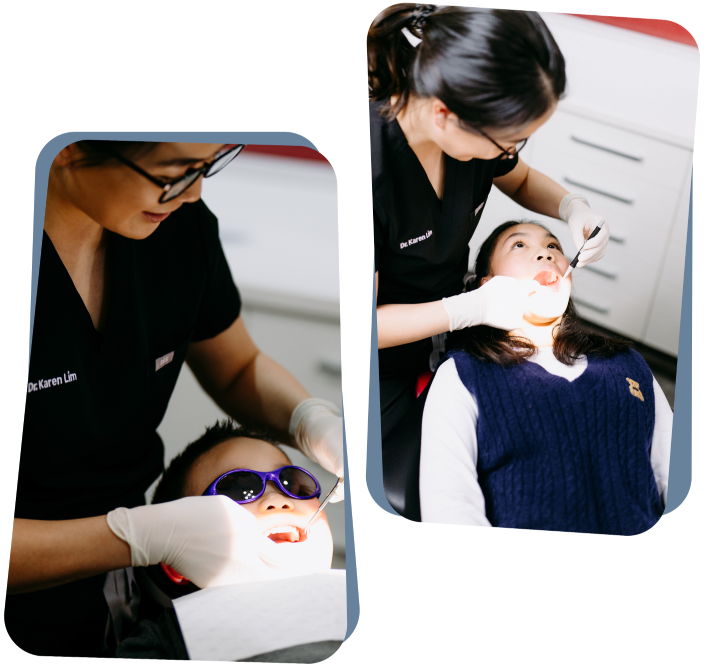
The first visit begins with a review of your child’s medical and dental history. This includes past treatments, oral habits like thumb sucking, breathing or sleeping issues, and family history of orthodontic concerns. Understanding these details helps identify patterns that may influence jaw or tooth development. Appointments are conducted in a child-focused environment to support comfort and guide the next steps in their assessment.

The assessment process is explained in a clear and supportive manner to help your child understand each step. This visit focuses on gathering information rather than initiating treatment. It includes a step-by-step overview of tooth position, bite, and jaw development. Parents can ask questions about growth stages, oral habits, or possible future needs. This appointment provides an overview to inform parents about their child’s orthodontic development and next steps.

Your child’s teeth, bite, and jaw growth are examined during the dental visit. This includes observing how the upper and lower teeth come together, tooth alignment, and facial symmetry. The assessment involves a visual and tactile examination conducted in a professional, child-focused setting. Each step is clearly explained to help your child understand the process and feel supported throughout their orthodontic assessment.

X-rays or digital scans may be recommended when more detailed information is needed to assess a child’s tooth and jaw development. These diagnostic tools can reveal unerupted teeth, jawbone structure, or root position. These are details not visible during a visual exam. Imaging is used only when clinically appropriate, and the process, including its purpose and safety protocols, is clearly explained in advance.

Once the assessment is complete, findings are explained in clear, simple terms. In many cases, ongoing monitoring is recommended to observe changes over time. If early care is needed, you’ll receive information about what it involves and when to consider it. Every child is different, and no treatment begins unless it is clinically appropriate. Parents can discuss care options that align with their child’s individual needs and stage of development.

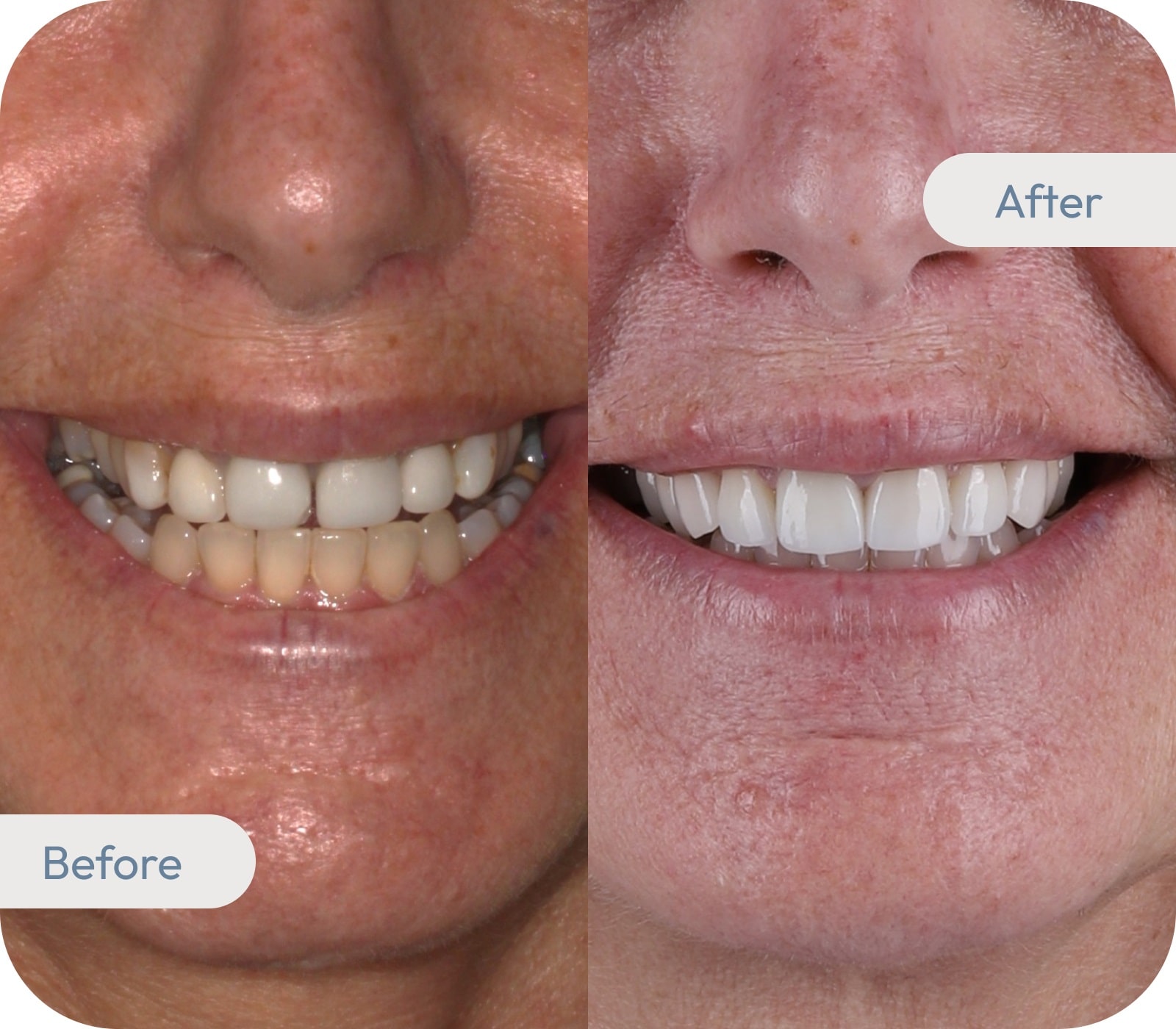
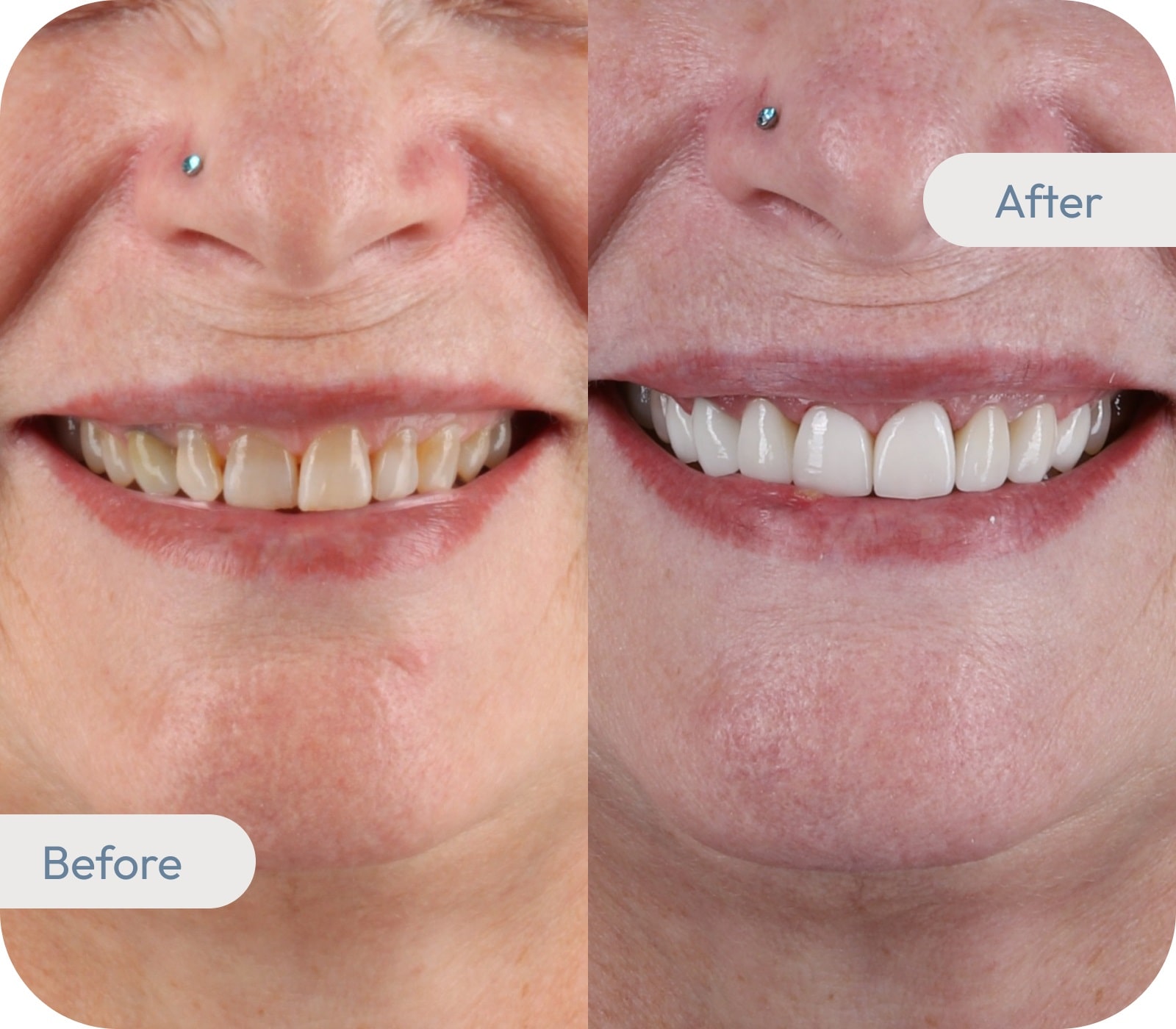
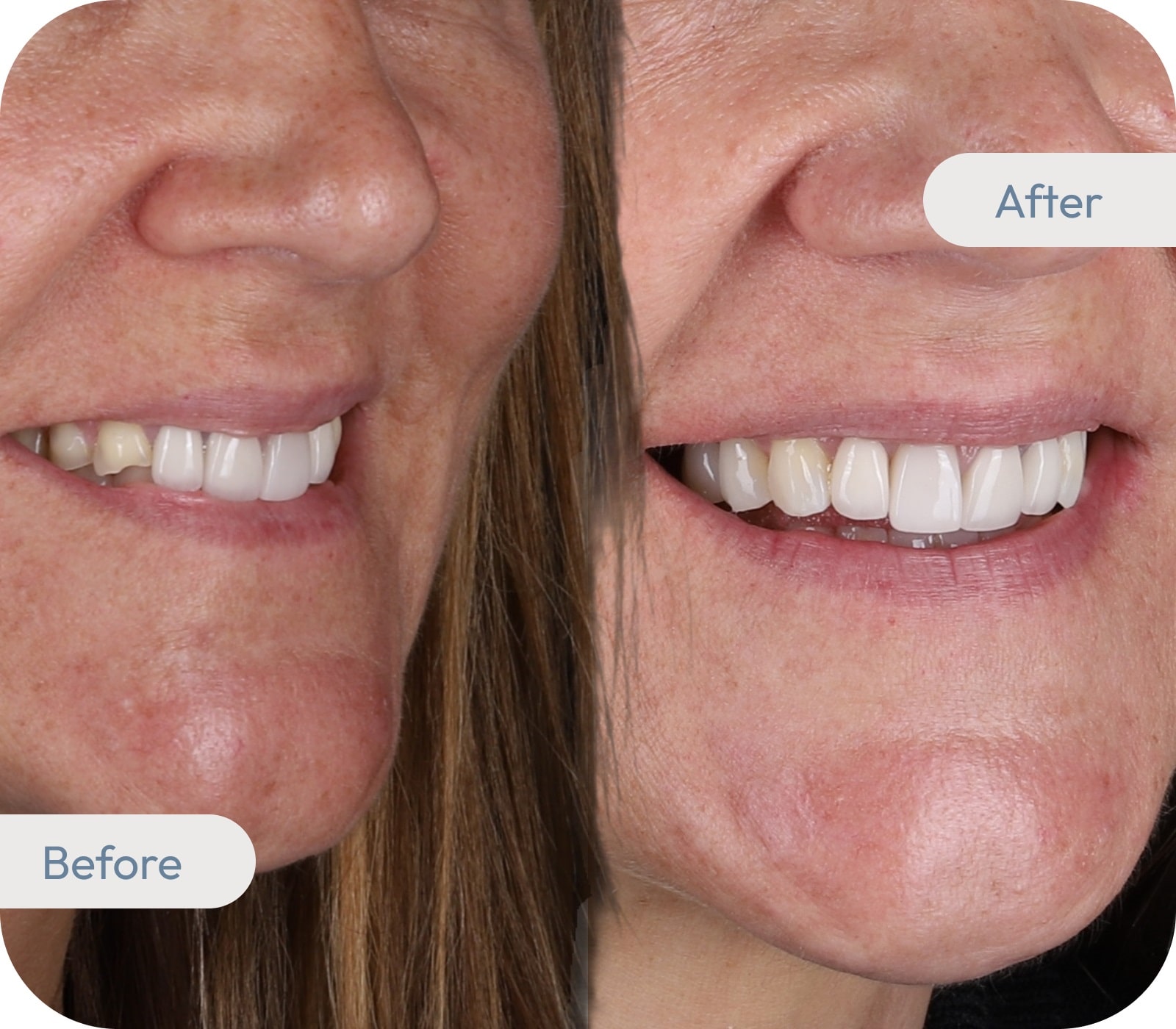
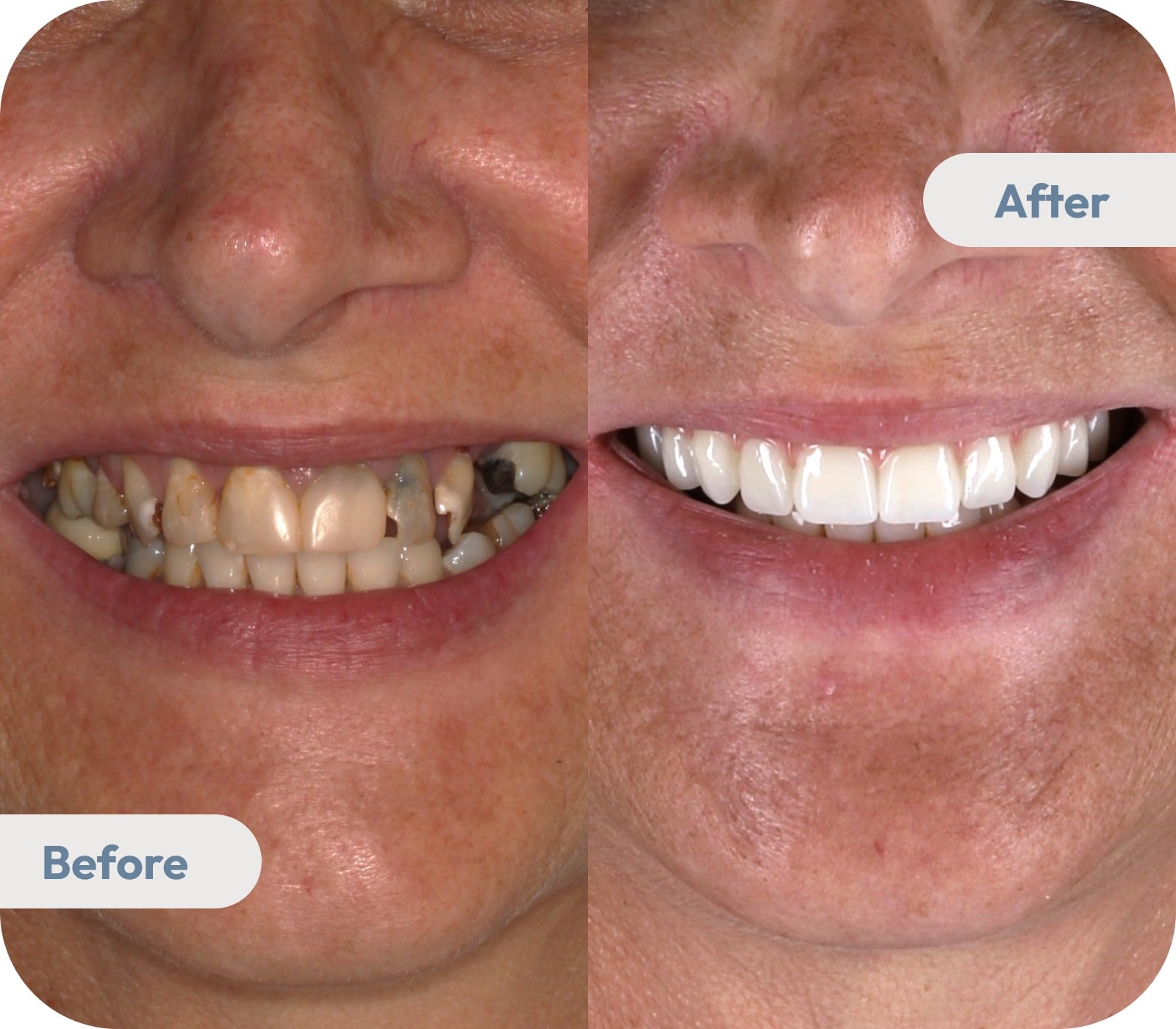
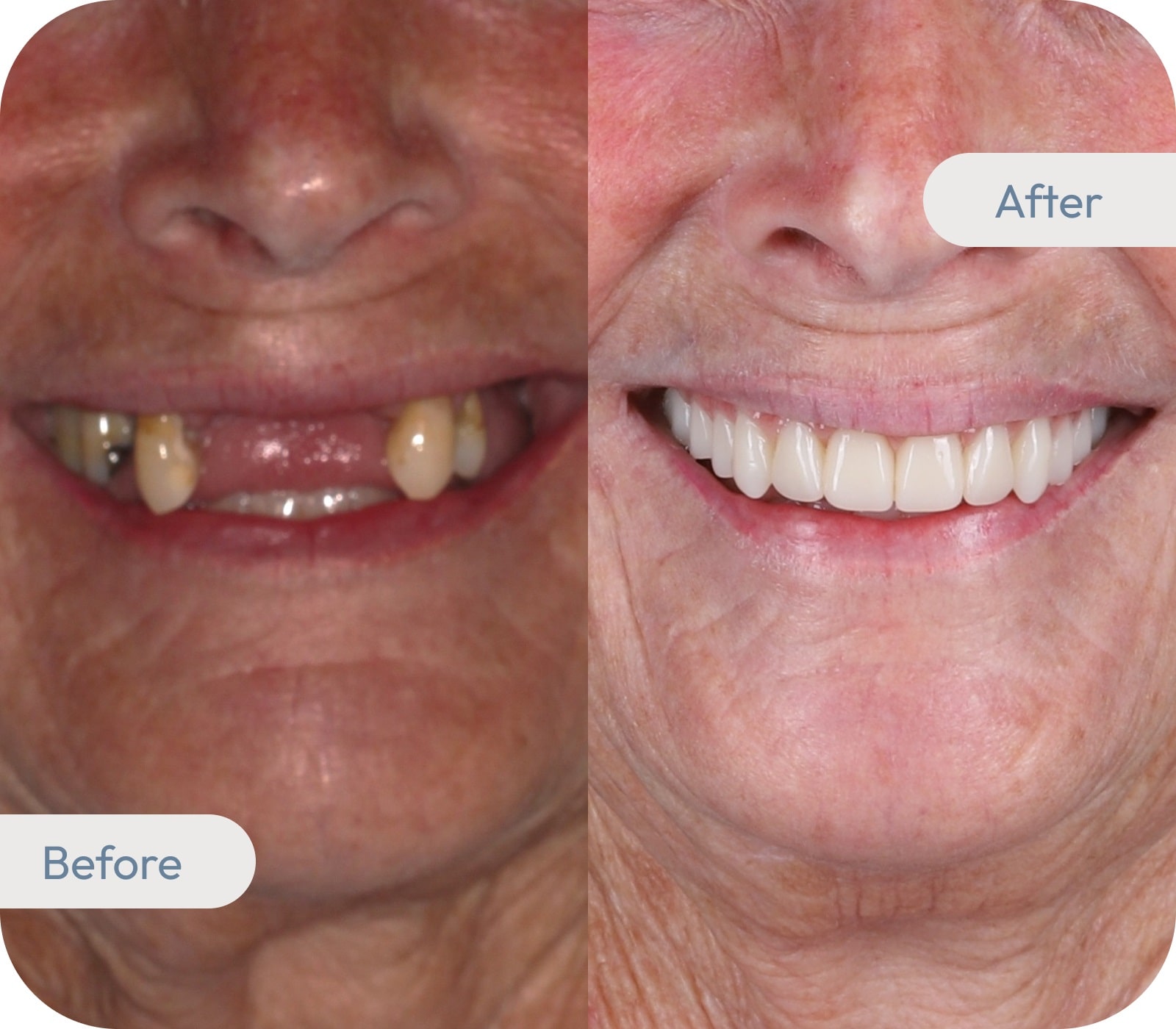
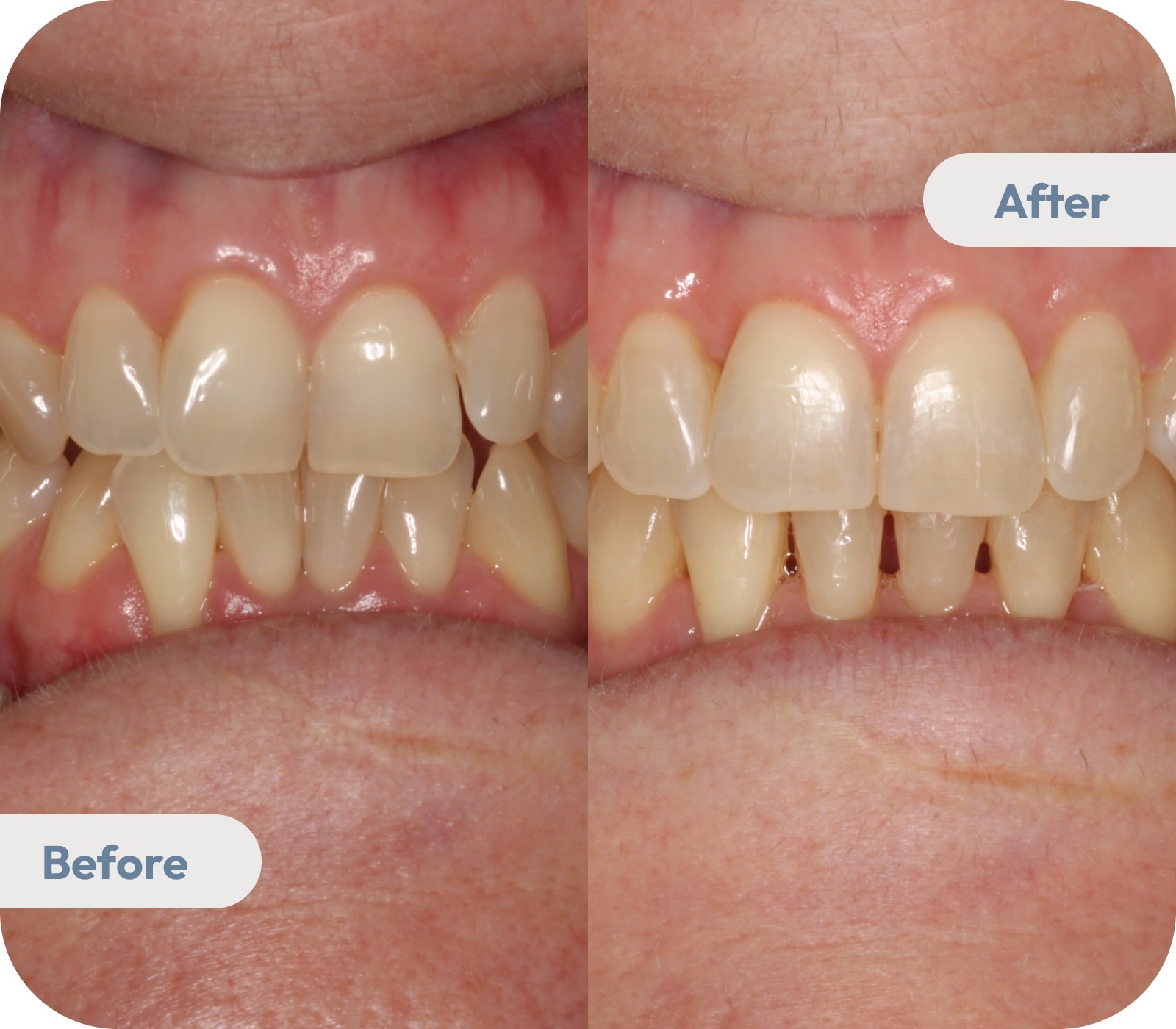
Smile Gallery – Before and After Treatment Examples

Explore real treatment outcomes in our gallery. These before-and-after photos show actual patients of Eversmile Dental, displayed with their consent. Outcomes vary between individuals, and results are not guaranteed. Images are unedited and taken under comparable conditions to reflect realistic treatment outcomes.

*These images display actual patients of our clinic. Every case is different, and treatment outcomes can vary according to individual conditions and needs.

Why Families Choose Eversmile Dental for Orthodontic Care

Orthodontic care is about more than straight teeth—it supports function and contributes to long-term oral health. At Eversmile Dental, we offer early orthodontic assessments and clear aligner treatments planned around individual needs. Our role is to offer clear information and guidance so patients can make educated decisions.
  • Proudly Bunbury Locals
    Bunbury-Based Dentists for Local Families
    We’re locals who live, work, and raise families in the same community we serve. That means we recognise the importance of providing flexible orthodontic options that work for local families. Our care reflects our community connection.
  • Serving Since 2006
    Experienced Care with a Personal Approach
    With almost two decades of experience, Eversmile Dental provides orthodontic assessments and clear aligner therapy for patients of different ages. Our approach is guided by professional knowledge and transparent communication.
  • Gentle Dental Care for Every Generation
    Orthodontic Options for Children, Teens, and Adults
    From early orthodontic checks for kids to clear aligners for adults, our approach is designed for all ages. We provide clear explanations of available options to help you understand what each involves. Every patient’s needs are different, and treatment planning reflects those differences in supporting oral function.
  • Personalised Care That Feels Right for You
    Individualised Orthodontic Planning for Different Needs
    We’re not here to promote a one-size-fits-all treatment. We discuss available options and answer your questions so you understand what each approach involves. Whether orthodontics is for your child or yourself, we aim to provide information that supports informed decision-making.
  • Driven by Our Values
    Orthodontic Care in Bunbury Guided by Transparency
    Our approach centres on providing straightforward explanations. If early intervention may be beneficial, we’ll outline the reasons. If orthodontic treatment isn’t needed, we’ll make that clear too. You can expect information presented openly, without pressure, so you can make an informed choice.
  • Advanced Technology for Comfort and Precision
    Modern Orthodontics Using Digital Technology
    We use digital scans and planning software to assess bite alignment and plan clear aligner treatments. These tools assist with treatment planning and allow us to avoid traditional impressions. Aligner trays are designed with the aim of supporting fit and comfort, while professional judgement remains central to care.


Explore Our Dental Implant Information Pages and Resources

Explore helpful, easy-to-understand information about dental implants. These pages cover treatment options, procedures, care, recovery,and what to expect at each stage.

1

Types of Implants

2

Dental Implant Procedure

3

Dental Implant Benefits

4

Dental Implant Costs
and Financing

5

Dental Implant Care
and Maintenance

6

Dental Implant Success and Recovery

Frequently Asked Questions

This section answers common questions parents have about early orthodontic assessments, when treatment might be recommended, and what to expect during each stage.

What is early orthodontic intervention?

Early orthodontic intervention involves assessing a child’s dental development during their early growth and dental development years. It focuses on identifying potential concerns such as crowding, bite issues, or jaw development patterns. This evaluation may help your dental team track changes over time and determine if and when care is appropriate to support healthy development. The first assessment typically occurs around age seven, when children have both baby and adult teeth.

Not every child will need early orthodontic treatment. However, it may be helpful in situations where dental development appears outside the expected range for their age. Below are some reasons why a dentist may recommend early care:

  • Crowded or spaced teeth:
    If teeth are too close together or far apart, it may affect how adult teeth grow into place. Early assessment may assist in managing spacing and alignment as development continues.
  • Bite concerns:
    Underbite (lower teeth in front), overbite (upper teeth extend too far forward), or crossbite (side teeth don’t align) can affect chewing, speaking, or cleaning. Addressing these early may support jaw development.
  • Thumb or finger sucking beyond age four:
    Ongoing habits like thumb or finger sucking may influence the growth of front teeth or the shape of the jaw. Taking early steps may help reduce the changes over time.
  • Early loss of baby teeth:
    If a baby tooth is lost earlier than expected, nearby teeth may shift into the space. This can affect the eruption of adult teeth and may require a space maintainer or other procedures.
  • Speech or chewing difficulties:
    Some jaw or tooth positions may affect how a child eats or forms sounds. A dental assessment can help determine if early care is appropriate.
Orthodontics Australia recommends the first orthodontic assessment around the age of seven. The appropriate timing may vary based on individual development and specific concerns. By this age, many children have a mix of baby and adult teeth. This allows the dentist to observe the development of the bite and spacing patterns.

No, not all children need early orthodontic treatment. Early assessments are used to evaluate growth and monitor development. Treatment may be recommended when there are specific concerns, such as jaw growth differences, crowding, or bite irregularities. In many cases, children do not need early intervention and are monitored periodically as their teeth and jaws develop. Your dentist will provide advice based on clinical observations, not routine timelines.

Some signs may suggest that a child’s dental development requires closer monitoring or early support. These signs don’t always mean treatment is required, but they may prompt a referral for assessment:

    • Jaw shifts when opening or closing the mouth:
      If your child’s jaw noticeably moves to one side when biting, it may indicate a crossbite or imbalance in jaw alignment. This can affect how the teeth come together and place pressure on certain teeth or joints.
    • Cheek biting or lip trapping during chewing:
      Consistent biting of the inside of the cheek or lower lip may suggest that the teeth are not aligning properly. This can occur if the upper and lower jaws are not properly aligned or if there is insufficient space for the teeth to fit comfortably.
    • Difficulty with speech sounds:
      Some bite patterns can affect tongue placement and airflow, which may influence how certain sounds are produced. If your child has ongoing issues forming sounds like “s,” “th,” or “sh,” an orthodontic review may be helpful.
    • Visibly narrow dental arches:
      A narrow upper arch may limit space for teeth to erupt or contribute to a crossbite. This can be visible as a V-shaped arch instead of a broader U-shape when your child smiles or opens their mouth.
  • Prolonged use of a dummy or pacifier beyond age four:
    Extended use of a dummy can influence the shape of the upper jaw and the angle of the front teeth. This habit may increase the risk of an open bite or other alignment concerns if it continues as the adult teeth come in.
  • Teeth that appear to protrude significantly:
    If the front teeth stick out much further than the lower teeth, it may increase the risk of injury and may signal jaw imbalance. This can occur naturally or as a result of thumb sucking or tongue-thrusting.

In some cases, orthodontic treatment may begin as early as age six or seven when specific concerns are identified. These may include jaw growth issues, crossbites, or ongoing habits such as thumb sucking that affect dental development.

However, early treatment is not always needed. The decision to start care depends on your child’s individual development, the nature of the concern, and clinical findings during an assessment. In many cases, a dentist may recommend monitoring growth over time rather than beginning treatment immediately.

Early treatment addresses specific developmental concerns during key growth stages. However, it does not reduce the need for braces later on. The relationship between early intervention and future treatment needs varies significantly between individuals and depends on many factors, including ongoing growth patterns and the nature of the original concern.

The purpose of early treatment is to address specific issues, such as bite development or spacing concerns, while a child is still growing. In certain situations, timely intervention may make later treatment simpler or more efficient. For example, addressing habits like thumb sucking early aims to minimize potential effects on tooth and jaw development. However, outcomes vary and depend on many individual factors.

Every child’s needs are different. Your dental provider will assess your child’s needs and discuss options based on clinical findings and growth patterns.

A child’s first orthodontic consultation focuses on understanding how their teeth and jaws are growing. This visit helps your dental provider assess whether treatment is needed now or later. Here’s what to expect:

  • Discussion of dental and health history:
    The dentist may ask questions about your child’s oral habits, such as thumb sucking or breathing through the mouth. They’ll also review any concerns you’ve noticed about chewing, speech, or facial development.
  • Clinical examination:
    The dentist will check how the teeth bite together, assess crowding or spacing, and evaluate jaw position and facial balance. They may guide your child through simple movements such as opening and closing their mouth or biting.
  • Diagnostic records (if needed):
    In some cases, photos, X-rays, or digital scans are taken to get a more detailed view of the teeth and jaws. These images help with planning and monitoring over time.
  • Treatment planning or monitoring:
    Not all children need treatment immediately. Some may simply be placed on a review schedule to monitor growth and development as new teeth come through.

Clear aligners may be used in some early treatment cases, depending on the child’s development and specific needs. Here are some important considerations:

  • Age and dental stage:
    Children need to have a mix of baby and adult teeth to be considered for early-stage aligner treatment. This phase, known as the “mixed dentition” stage, usually begins around age 7.
  • Type of orthodontic concern:
    Clear aligners may be used to address mild to moderate spacing, alignment, or crowding issues. More complex bite problems or jaw discrepancies may require different types of early treatment.
  • Ability to follow instructions:
    Clear aligners must be worn for 20 to 22 hours a day as prescribed. Treatment outcomes depend on consistent wear and individual factors. Children need to be able to manage their aligners independently and maintain regular brushing and cleaning.
  • Case-by-case suitability:
    Not all children are suited to clear aligners at an early age. Your dental provider will assess your child’s needs and recommend options based on clinical findings.

Early orthodontic treatment is typically not painful, though some children may experience mild discomfort during certain stages. This often happens when an appliance is first fitted or adjusted, as the teeth and jaws begin to respond to gentle pressure.

Any discomfort is usually short-term. Many patients report that discomfort settles within 2 to 4 days, though individual experiences vary. Children may describe it as a sense of tightness or tenderness. Soft foods, such as yoghurt, mashed vegetables, scrambled eggs, pasta, or soup, can make eating more comfortable during this time.

Over-the-counter pain relief may be used if recommended by your dental provider. Every child responds differently. Your dental team will explain what to expect and suggest ways to help your child stay comfortable during treatment.

Various Payment Options Available

Eversmile Dental offers a range of flexible payment options to assist patients in managing the cost of their dental care. Please ask our team for details about the payment plans available.
Right Menu Icon