

Straighten Teeth with Personalised Orthodontics

Improving Smiles with Orthodontics in Bunbury

Discover orthodontics in Bunbury that are tailored to your lifestyle. Orthodontic treatment may help teens and adults achieve a straighter smile through personalised care and flexible options designed with patient needs in mind.

Orthodontic Alignment for Function and Appearance

Misaligned teeth can affect comfort, appearance, and oral function. Misalignment may lead to difficulties with cleaning, chewing, or speaking, increasing the risk of tooth decay or gum disease. Orthodontic treatment can help move teeth into better alignment, which may support improved comfort, oral function, and appearance. Individual outcomes vary and depend on your specific dental condition and treatment plan.

Who Might Need
Orthodontic Treatment?

  • Crowded Teeth
    Teeth that overlap or grow too close together may be harder to clean. This increases the risk of plaque buildup, decay, or gum disease. Orthodontic treatment may assist with spacing and hygiene access.
  • Spacing Issues
    Gaps between teeth may affect appearance, make it easier for food to get trapped, and increase cleaning challenges. Orthodontic treatment may assist in closing spaces and improving bite alignment.
  • Bite Irregularities
    Overbites, underbites, or crossbites can affect how your teeth meet when chewing or speaking. These bite concerns may cause discomfort or uneven tooth wear and may be managed with orthodontic alignment.
  • Jaw Misalignment
    When the upper and lower jaws do not align properly, it may lead to difficulty chewing, jaw discomfort, or speech concerns. Orthodontic care may assist with alignment and oral function.

Understanding the Potential Benefits of Orthodontics for Oral Health

  • Improved Bite
    Orthodontic treatment may assist in aligning the teeth and jaws, supporting bite and function. A balanced bite can reduce strain on the jaw joints and may assist with chewing function.
  • Easier Cleaning
    Straighter teeth may make brushing and flossing easier, which can help reduce the risk of plaque buildup, tooth decay, or gum concerns. Individual results vary, and maintaining good oral hygiene remains essential.
  • Tooth Wear Prevention
    When teeth do not align properly, certain teeth may experience more pressure than others. Orthodontic treatment can help distribute forces evenly and may help distribute forces to minimise uneven wear.
  • Speech clarity
    Orthodontic care may help address certain speech concerns linked to misaligned teeth by adjusting tooth and jaw positions. Outcomes vary, as improvements in speech depend on individual needs and circumstances.

Explore Your Orthodontic Treatment Options in Bunbury

Orthodontic care is designed to address patient treatment goals. Several treatment options are available to assist with alignment and support oral function and appearance across different ages and lifestyles.

Invisalign

Invisalign® is a clear aligner system available as part of orthodontic care. It uses a sequence of removable, custom-made trays to assist with planned tooth movement. Whether Invisalign system is appropriate can only be determined after a dental assessment that considers your specific alignment issues and functional needs.

Clear Aligners

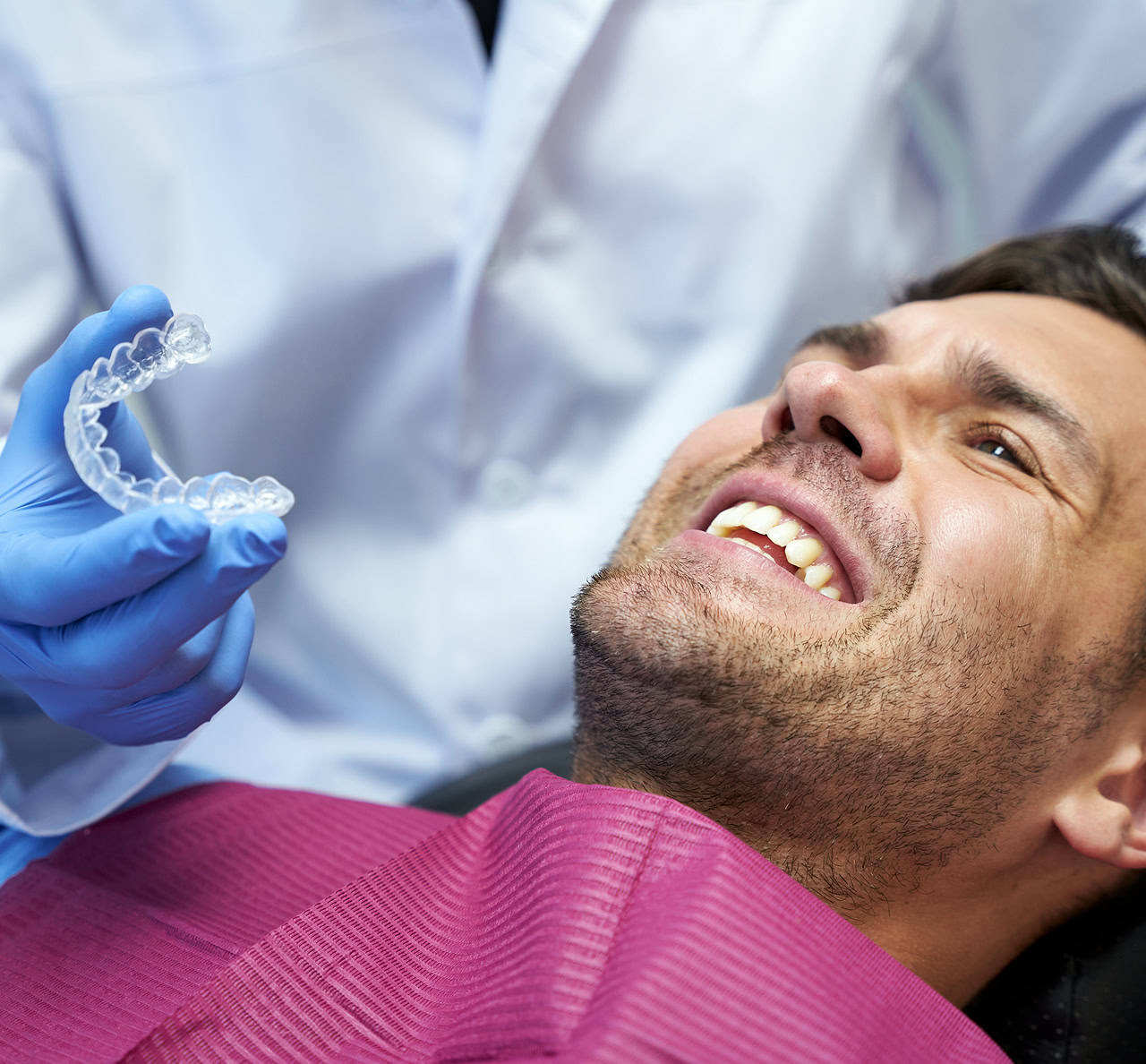
Clear aligners are transparent trays designed to gradually move teeth over time. Each set is worn for a specific period, designed to assist with dental alignment while being removable for eating and cleaning. Their discreet appearance, comfort, and removability make them a popular option for those seeking an alternative to traditional metal braces.

Early Intervention

Early orthodontic treatment may assist with alignment and spacing while a child’s mouth is still developing. It can help improve alignment, support facial structure, and potentially reduce the need for more complex treatment later in life by addressing dental concerns at an earlier developmental stage.

Start with a Dental Consultation in Bunbury

Are you ready to prioritise your oral health? Book a consultation with our friendly team to discuss your needs and explore suitable treatment options.

Eversmile Dental

How Orthodontic Treatment Progresses from Start to Finish

Orthodontic treatment involves several key stages, from the initial consultation to regular reviews and treatment outcomes, all planned to support patient treatment needs and oral health.

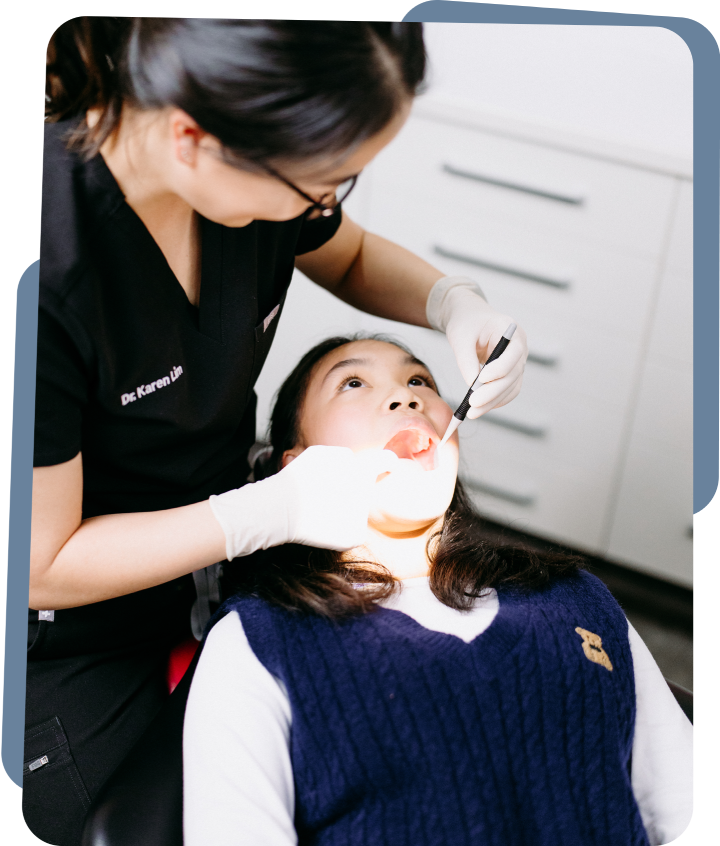
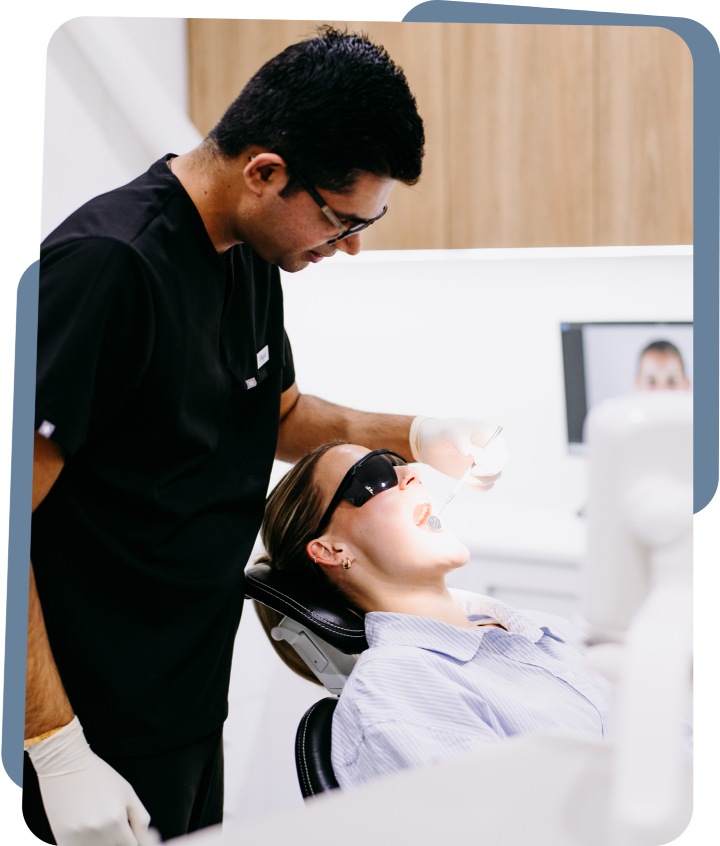
During the first visit, the dentist will assess the teeth, bite, and jaw alignment through a visual and physical examination. They will also take time to understand the patient’s concerns, lifestyle, and treatment goals. This appointment provides an opportunity to ask questions, learn about potential treatment plans, and determine whether orthodontic care may be appropriate based on the individual’s clinical needs and assessment findings.

Digital scans, photographs, or X-rays are used to assess how the teeth and jaws meet and function. These detailed images support accurate diagnosis and treatment planning. A personalised orthodontic plan is then developed based on clinical findings and patient treatment needs. Patients are guided through each option, with sufficient time allocated to answer questions and explain the recommendations. Patients are provided with information and guidance throughout the planning process.

Once the treatment plan is confirmed, custom clear aligners are designed to fit closely to the patient’s teeth. At the fitting appointment, the dentist will check the fit of the trays and provide instructions on how and when to wear them. Patients will also receive guidance on caring for their aligners, as well as information about the early stages of treatment.

Clear aligner progress is monitored through scheduled checkups to check the progress of tooth movement. During each visit, the dentist will review the fit of the aligners and provide new trays if required. These appointments help support progress with the treatment plan. Ongoing support and open communication are prioritised to keep patients informed throughout the course of treatment.

After active orthodontic treatment, patients receive retainers to support alignment and reduce the risk of relapse. Wearing retainers as instructed helps reduce the risk of teeth shifting. Regular follow-up visits may be recommended to check stability and monitor treatment outcomes over time. Continued success relies on wearing retainers consistently, maintaining proper oral hygiene, and attending routine dental checkups to support ongoing care and support the outcomes achieved through treatment.

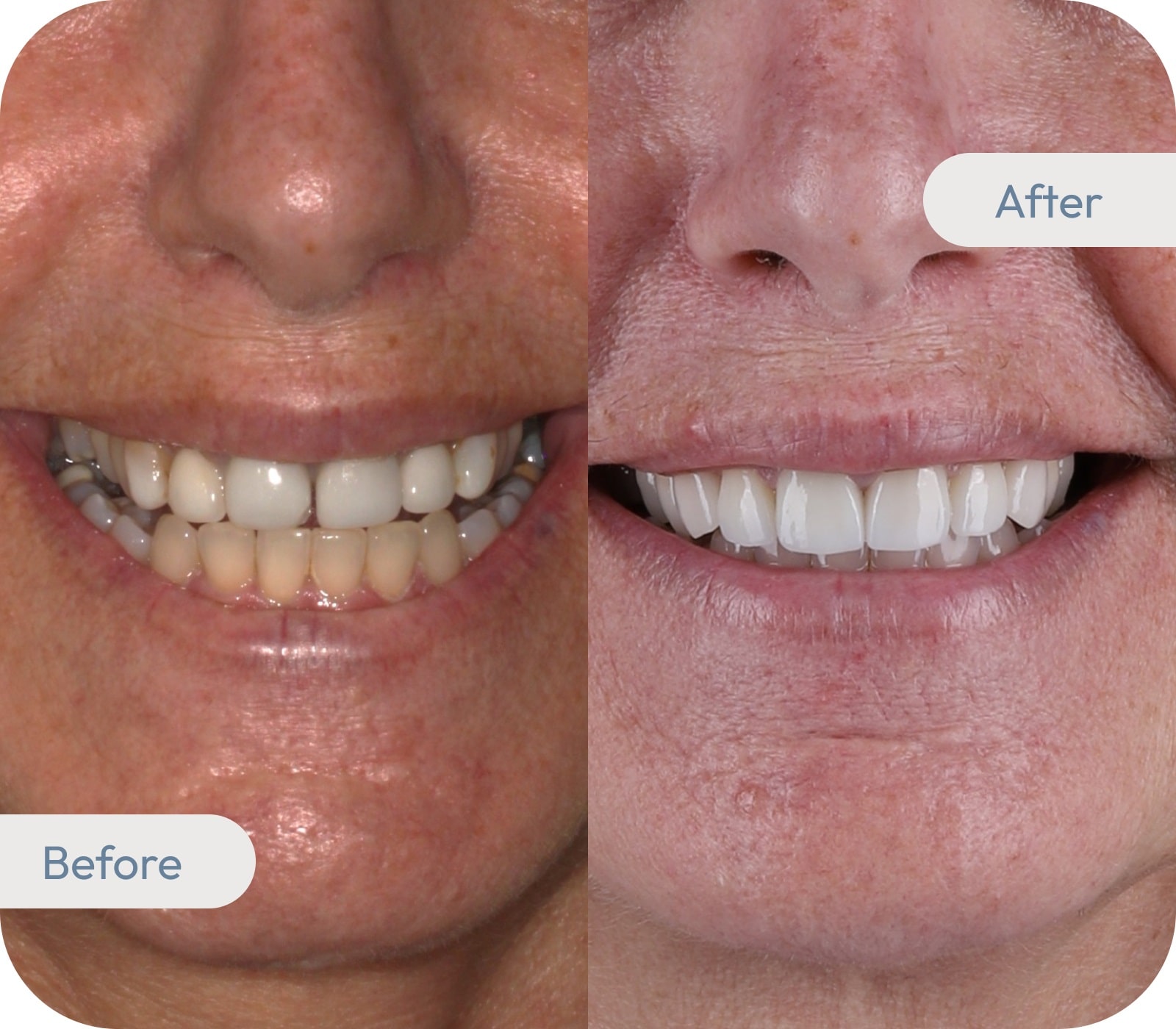
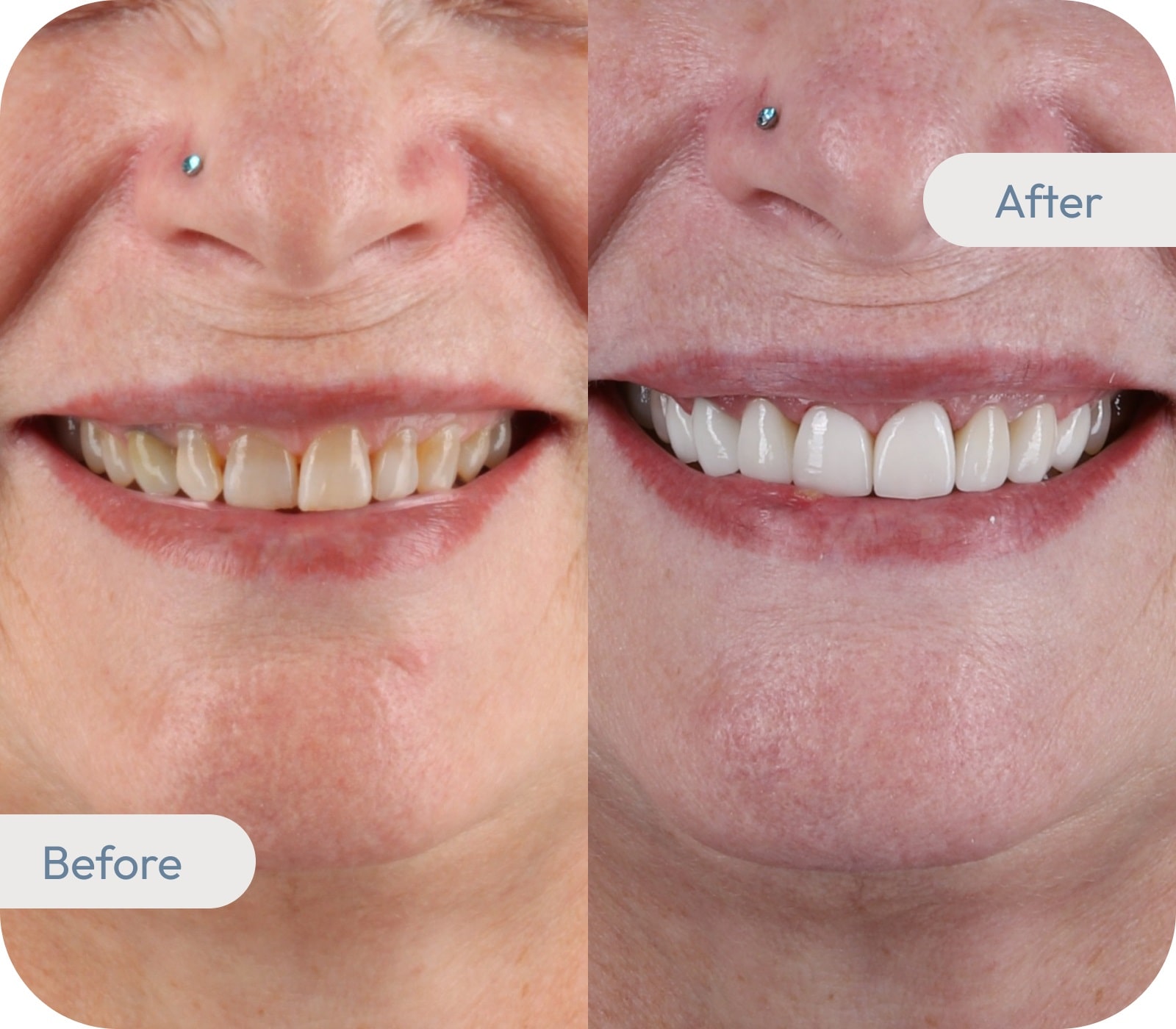
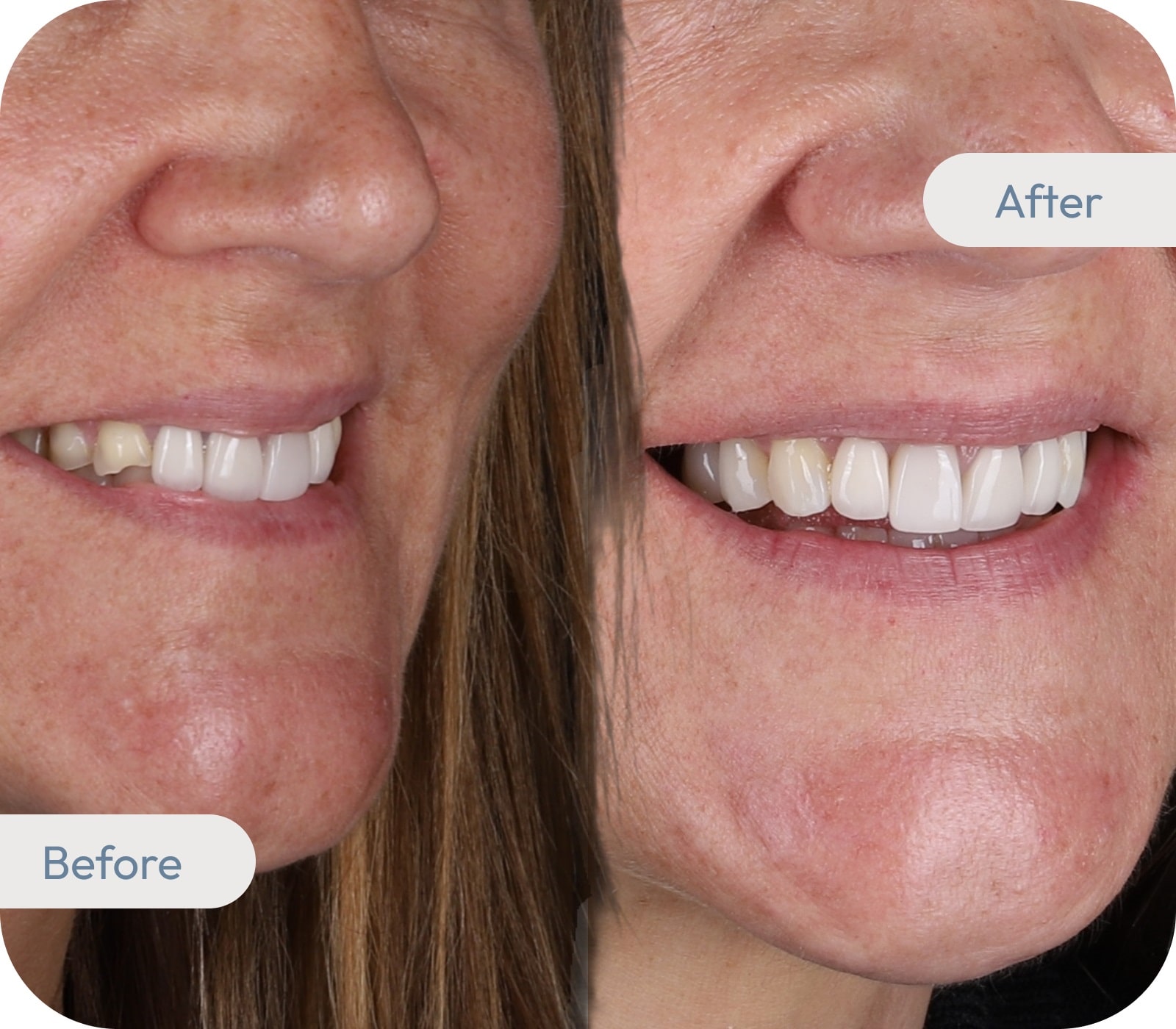
Smile Gallery – Before and After Treatment Examples

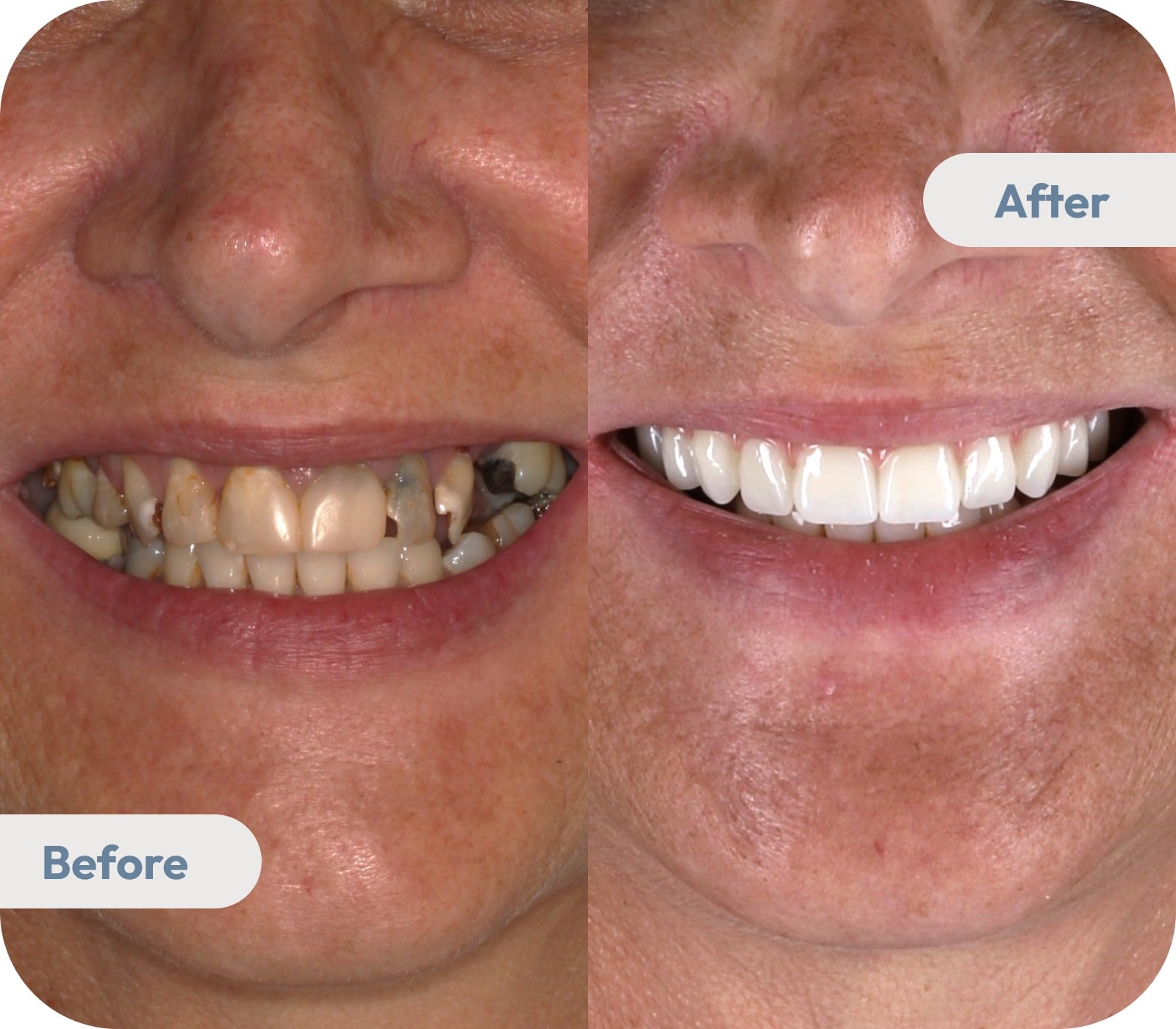
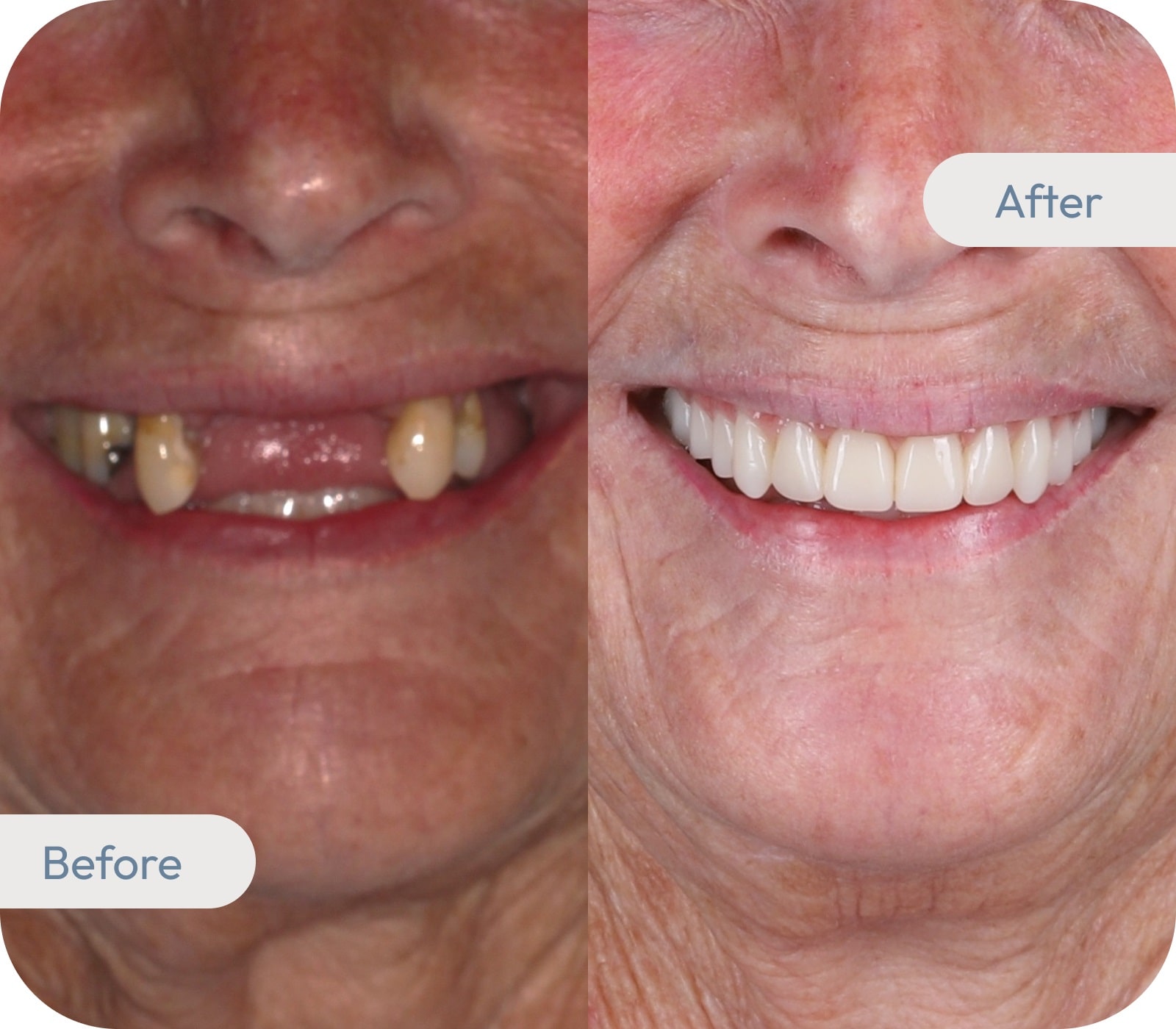
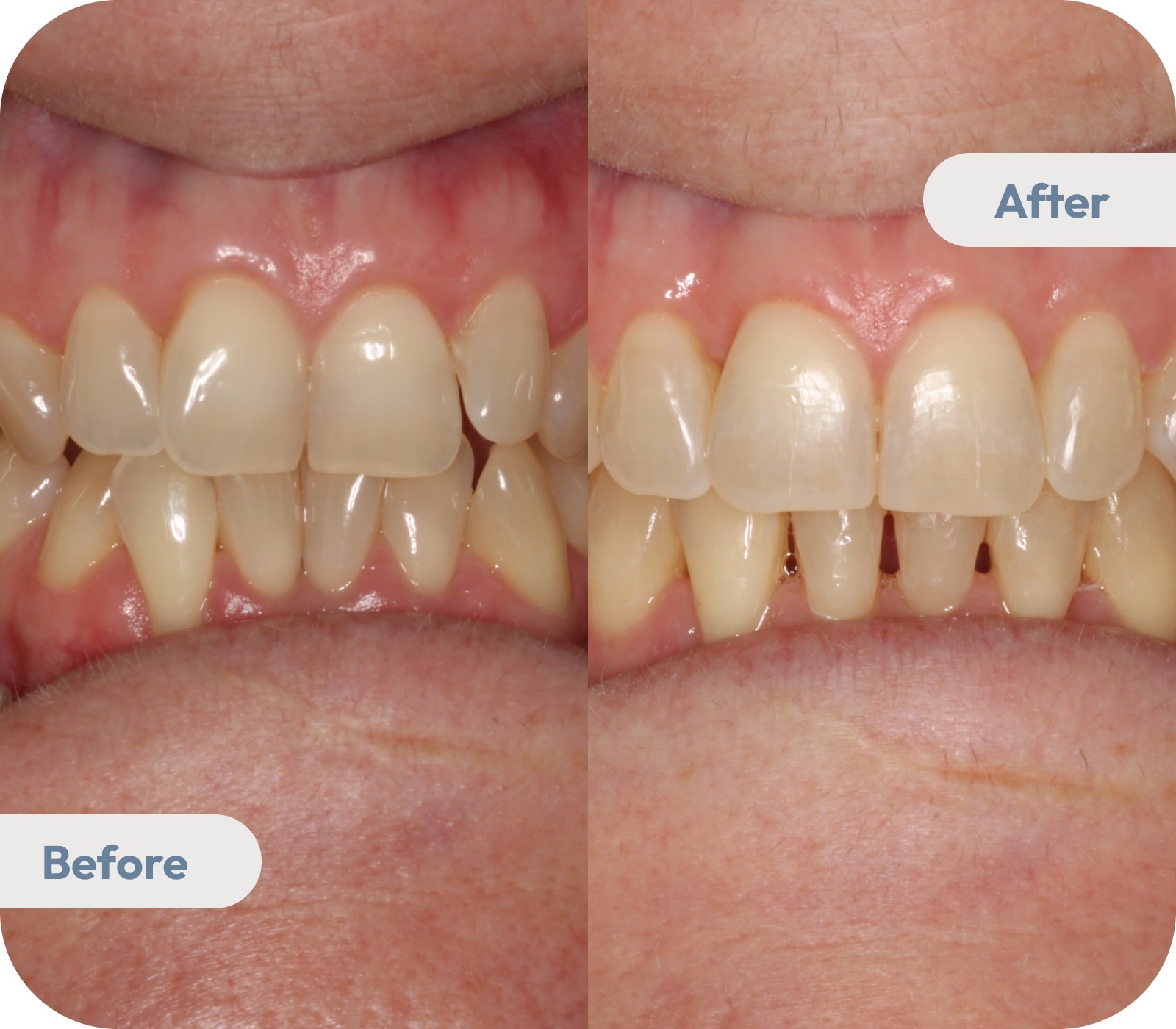
Explore real treatment outcomes in our gallery. These before-and-after photos show actual patients of Eversmile Dental, displayed with their consent. Outcomes vary between individuals, and results are not guaranteed. Images are unedited and taken under comparable conditions to reflect realistic treatment outcomes.

*These images display actual patients of our clinic. Every case is different, and treatment outcomes can vary according to individual conditions and needs.

Why Families Choose Eversmile Dental for Orthodontic Care

Orthodontic care is about more than straight teeth—it supports function and contributes to long-term oral health. At Eversmile Dental, we offer early orthodontic assessments and clear aligner treatments planned around individual needs. Our role is to offer clear information and guidance so patients can make informed decisions.
  • Proudly Bunbury Locals
    Bunbury-Based Dentists for Local Families
    We’re locals who live, work, and raise families in the same community we serve. That means we recognise the importance of providing flexible orthodontic options that work for local families. Our care reflects our community connection.
  • Serving Since 2006
    Experienced Care with a Personal Approach
    With almost two decades of experience, Eversmile Dental provides orthodontic assessments and clear aligner therapy for patients of different ages. Our approach is guided by professional knowledge and transparent communication.
  • Gentle Dental Care for Every Generation
    Orthodontic Options for Children, Teens, and Adults
    From early orthodontic checks for kids to clear aligners for adults, our approach is designed for all ages. We provide clear explanations of available options to help you understand what each involves. Every patient’s needs are different, and treatment planning reflects those differences in supporting oral function.
  • Personalised Care That Feels Right for You
    Individualised Orthodontic Planning for Different Needs
    We’re not here to promote a one-size-fits-all treatment. We discuss available options and answer your questions so you understand what each approach involves. Whether orthodontics is for your child or yourself, we aim to provide information that supports informed decision-making.
  • Driven by Our Values
    Orthodontic Care in Bunbury Guided by Transparency
    Our approach centres on providing straightforward explanations. If early intervention may be beneficial, we’ll outline the reasons. If orthodontic treatment isn’t needed, we’ll make that clear too. You can expect information presented openly, without pressure, so you can make an informed choice.
  • Advanced Technology for Comfort and Precision
    Modern Orthodontics Using Digital Technology
    We use digital scans and planning software to assess bite alignment and plan clear aligner treatments. These tools assist with treatment planning and allow us to avoid traditional impressions. Aligner trays are designed with the aim of supporting fit and comfort, while professional judgement remains central to care.


Explore Our Dental Implant Information Pages and Resources

Explore helpful, easy-to-understand information about dental implants. These pages cover treatment options, procedures, care, recovery, and what to expect at each stage.

1

Types of Implants

2

Dental Implant Procedure

3

Dental Implant Benefits

4

Dental Implant Costs
and Financing

5

Dental Implant Care
and Maintenance

6

Dental Implant Success and Recovery

Frequently Asked Questions

This section addresses common questions about orthodontic care, explaining the process before, during, and after treatment, and providing general information to assist with decision-making.

Do I really need orthodontics?

If your teeth fit together well and brushing is easy, orthodontic treatment may be one option to discuss with your dentist. A thorough assessment can help you understand whether orthodontic care in Bunbury would be helpful in your situation or simply an option to consider. Here are some common reasons people consider orthodontic treatment and how it may be helpful in each case:

  • Crowded or overlapping teeth:
    When teeth are misaligned or too close together, cleaning can be difficult. Orthodontic treatment may assist with spacing and positioning, which can support effective brushing and flossing.
  • Spaces or gaps between teeth:
    Gaps between teeth can trap food or affect how your bite works. Orthodontics may assist in closing these spaces and supporting bite alignment.
  • Bite alignment concerns:
    An overbite, underbite, or crossbite may affect chewing comfort and tooth wear. Orthodontic care may assist in managing bite alignment.
  • Jaw discomfort or clicking:
    A misaligned bite may contribute to tension or discomfort in the jaw joints. Orthodontics may assist in managing how the teeth and jaw function together.
  • Early or late loss of baby teeth:
    In children, the timing of tooth development can affect adult tooth alignment. Early orthodontic monitoring may assist with future treatment planning.
  • Desire for improved confidence:
    Some people choose orthodontic care to change the appearance of their teeth in everyday situations.

General dentistry focuses on maintaining the overall health of your teeth and gums. This includes checkups, fillings, cleanings, and managing common concerns like decay or gum inflammation. It’s often your first point of contact for everyday oral care.

Orthodontics, on the other hand, is concerned with the alignment of your teeth and jaw. It involves assessing how your teeth fit together and planning treatment to reposition teeth to support alignment and function. Orthodontic care may assist in managing concerns related to bite function, spacing, or crowding.

While general dental care supports oral health, orthodontics may be recommended when tooth or jaw alignment is impacting oral hygiene or bite function.

Orthodontic care follows a step-by-step process designed to gradually guide your teeth into a position that supports alignment and function. While every treatment plan is personalised, here’s a general overview of what you can expect:

  • Initial consultation:
    Your first visit includes a thorough assessment of your teeth, bite, and jaw alignment. Digital scans, photographs, or X-rays may be taken to help your dentist understand the position and development of your teeth and jaws.
  • Treatment planning:
    After reviewing your results, a customised treatment plan is developed based on your clinical needs and assessment findings. During this stage, you’ll also discuss the types of orthodontic appliances available.
  • Beginning active treatment:
    Once the plan is finalised, your chosen appliance, such as braces or clear aligners in Bunbury, will be fitted. These orthodontic appliances work by applying controlled pressure over time to shift your teeth into a new position.
  • Ongoing monitoring and adjustments:
    Throughout your treatment, you’ll attend regular appointments for progress checks. These visits support monitoring and allow for adjustments as needed.
  • Retention phase:
    After active treatment ends, you may be fitted with a retainer. This device supports new alignment while your teeth and surrounding structures stabilise.

An orthodontic assessment is often recommended around the age of seven. At this stage, a mix of baby and adult teeth is usually present, allowing for early detection of alignment or bite development concerns.

Early assessments don’t always lead to immediate treatment. In many cases, children are simply monitored over time. However, in some situations, early planning may assist with jaw development and the alignment of adult teeth. In some cases, early monitoring may assist with future treatment planning.

Braces are one of the most well-known types of orthodontic treatment, but they’re not the only option available. Today, different approaches may be considered depending on clinical needs.

One alternative many people consider is clear aligners. These are also available for people interested in options for improving teeth alignment and may suit those looking for a more discreet form of treatment. These custom-made trays are removable and work by gradually moving the teeth into new positions to support alignment.

An orthodontic assessment includes an evaluation of your teeth and bite. It helps identify the treatment approach appropriate to your clinical dental needs.

Certain private health funds may include orthodontic treatment, depending on your level of cover and waiting periods. It’s important to review your policy carefully or speak with your provider to understand what’s included and how limits apply. Orthodontic treatment may be subject to annual limits, and different rules can apply to children and adults. You may also need to serve a waiting period before claiming.

For accurate information about your cover, please contact your health fund provider before starting your orthodontic treatment.

The cost of orthodontic treatment depends on the type of appliance used, the length of treatment, and the complexity of your case. Treatment plans vary for each patient, so costs depend on clinical needs and case complexity.

An initial orthodontic assessment for children is from $170 (includes evaluation of bite and dental development). Final costs depend on treatment recommendations. Clear aligner treatment costs vary depending on the number of aligners required and the treatment duration. A full cost outline is provided at the consultation.

Orthodontic options may have different pricing. During your consultation, you’ll receive a treatment plan with a cost outline based on your clinical needs.

Invisalign and traditional braces are priced similarly in many cases, but the total cost depends on your specific treatment needs. Costs vary depending on treatment type, duration, and complexity. Clear aligners and braces are generally comparable in price, and a detailed cost estimate is provided during consultation.

Pricing can vary based on factors like treatment time, number of aligners or adjustments, and any additional procedures. One option may be more suitable than the other, depending on your clinical needs and oral health.

Clear aligner systems are one type of orthodontic option, but other treatments may also be available . Here are some common alternatives offered as part of orthodontics in Bunbury:

  • Traditional metal braces:
    These orthodontic appliances use brackets and wires to guide teeth into improved alignment. They may be recommended for more complex cases, such as significant crowding, large gaps, or bite issues like an overbite or underbite.
  • Ceramic braces:
    Similar to metal braces but made with tooth-coloured or clear materials for a more subtle appearance. They function the same way but may be chosen by patients seeking a less visible appliance.
  • Other clear aligner brands:
    Other clear aligner systems are available and may be suitable for certain cases. They are generally suited to mild or moderate crowding, spacing, or alignment concerns and require consistent wear to support planned tooth movement.
  • Plates or expanders:
    These may assist in managing jaw development or emerging bite issues in children.

The length of time you’ll need to wear aligners depends on your individual treatment plan, case complexity, and aligner use as directed.

In many cases, aligner treatment timeframes vary and may range from several months to over a year, depending on the case. In mild cases, treatment may take approximately six months, but the duration varies. More involved cases, such as those with significant bite issues or severe crowding, can take 12 to 18 months or longer.

Aligners are typically worn for 20 to 22 hours per day. Removing them too often or not following your provider’s instructions may affect treatment duration.

Orthodontic treatment does not clean your teeth, but it may assist in making cleaning easier over time. When teeth are crowded or misaligned, it can be harder to brush and floss properly. This may increase the risk of plaque buildup or gum irritation.

By gradually moving the teeth into a more balanced position, orthodontics can help make daily oral hygiene more effective. However, keeping your teeth clean during treatment is still your responsibility. Whether you’re wearing braces or aligners, regular brushing, flossing, and professional cleaning are recommended to maintain oral health during treatment.

Various Payment Options Available

Eversmile Dental offers a range of flexible payment options to assist patients in managing the cost of their dental care. Please ask our team for details about the payment plans available.
Right Menu Icon