Considering Options to Improve Your Smile
Unhappy With Your Smile? Explore Treatment Options.
Feeling self-conscious about your teeth can affect how you speak, smile, and connect with others. We offer personalised dental care to support your oral health and address specific cosmetic concerns.
Dental Consultations for Cosmetic Concerns in Bunbury
It’s common to feel self-conscious in photos or social settings when you’re unhappy with the appearance of your teeth. These feelings may affect your comfort and the way you engage with others. A dental consultation uses digital imaging to assess your smile. We tailor treatment recommendations to meet your specific oral health needs and smile goals.
Common Dental Concerns You May Want to Discuss With Your Dentist
- Crooked Teeth
Teeth that grow unevenly may impact overall facial balance. This can make people feel less comfortable when speaking or smiling in public. Some individuals avoid smiling in photos due to feeling self-conscious about their alignment.
- Tooth Discolouration
Stains from coffee, red wine or tobacco can gradually darken teeth. This change may cause some people to hide their smiles. Discolouration may also develop due to age, certain medications, or enamel thinning over time.
- Gaps Between Teeth
Spaces between teeth can make some people feel self-conscious. Gaps may also trap food and affect one’s ability to speak or eat comfortably. Dentists often discuss personalised options to improve appearance during a consultation.
- Chipped Edges
Small chips or worn edges can draw unwanted attention. People often feel self-conscious when talking, smiling, or eating in public. These minor flaws may change how someone perceives their appearance and self-expression.
Dental Treatments and Cosmetic Options at Eversmile Dental
At Eversmile Dental, we offer a range of general, restorative, and cosmetic dental treatments. Treatment suitability, risks, and expected outcomes vary for each patient and will be discussed during your consultation.
Book a Smile Consultation at Eversmile Dental Today
Book your cosmetic dentistry consultation today to explore personalised treatment options that align with your dental goals. Each treatment is delivered safely and professionally to enhance your natural smile.
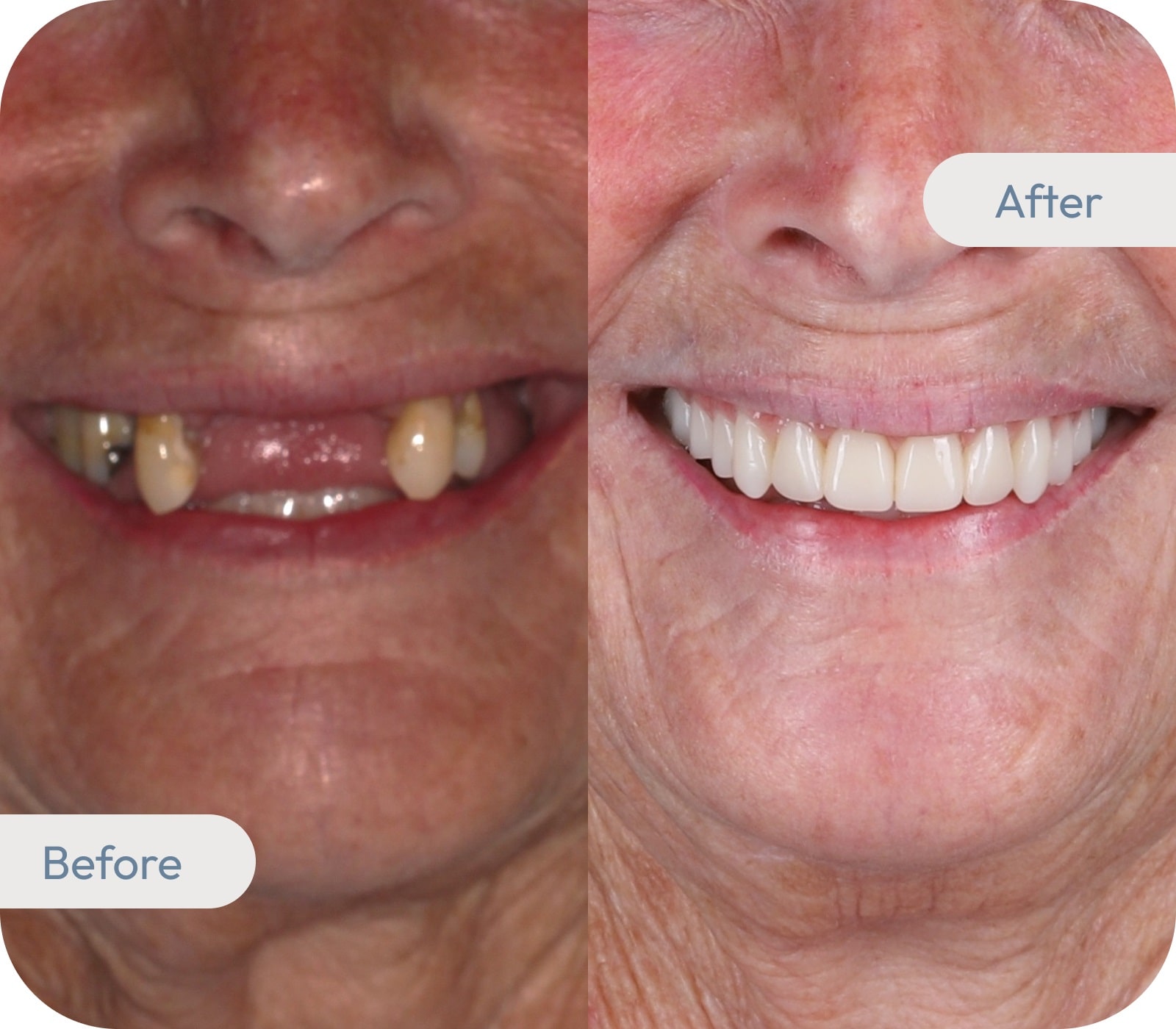
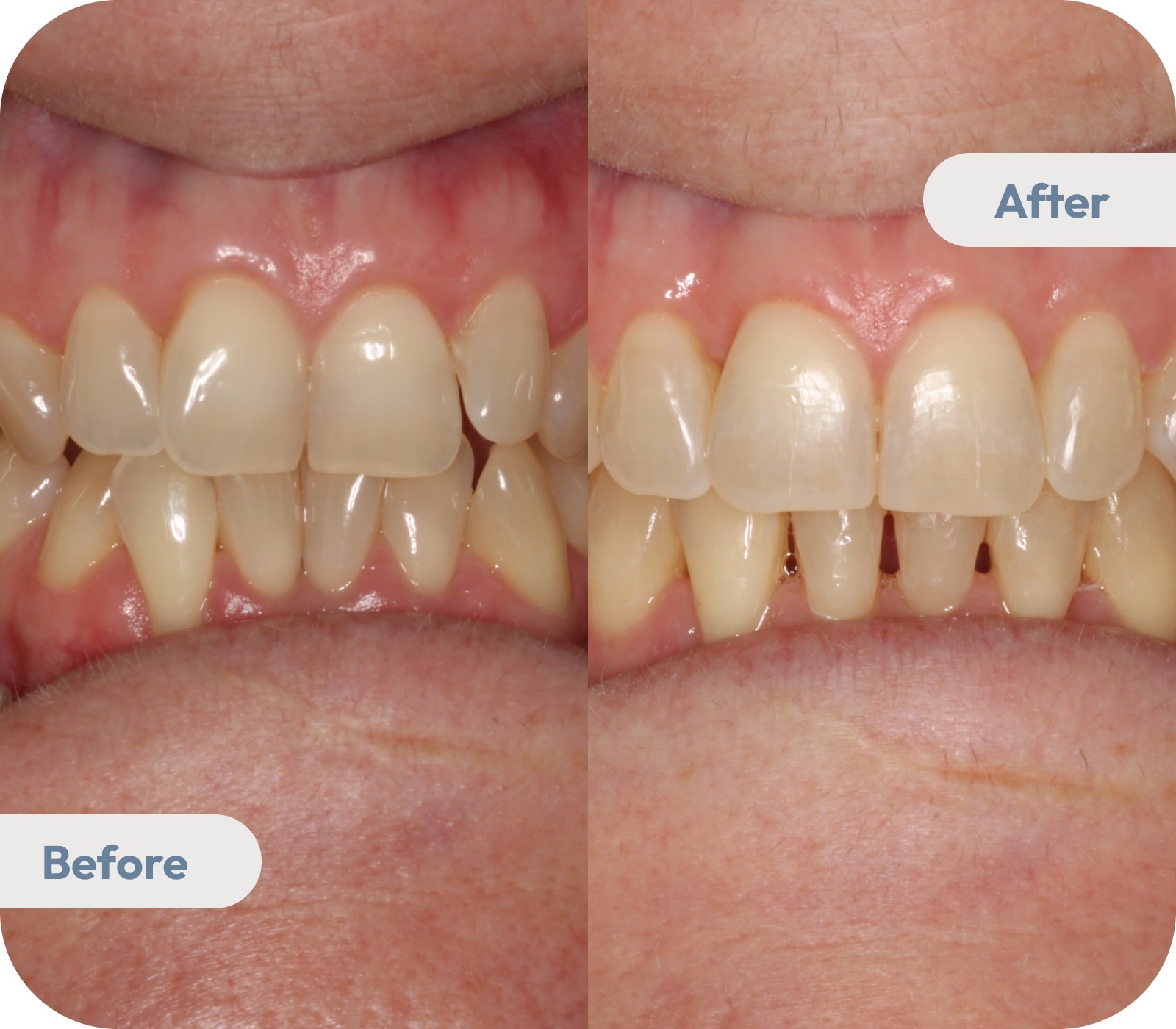
Smile Gallery – Before and After Treatment Examples
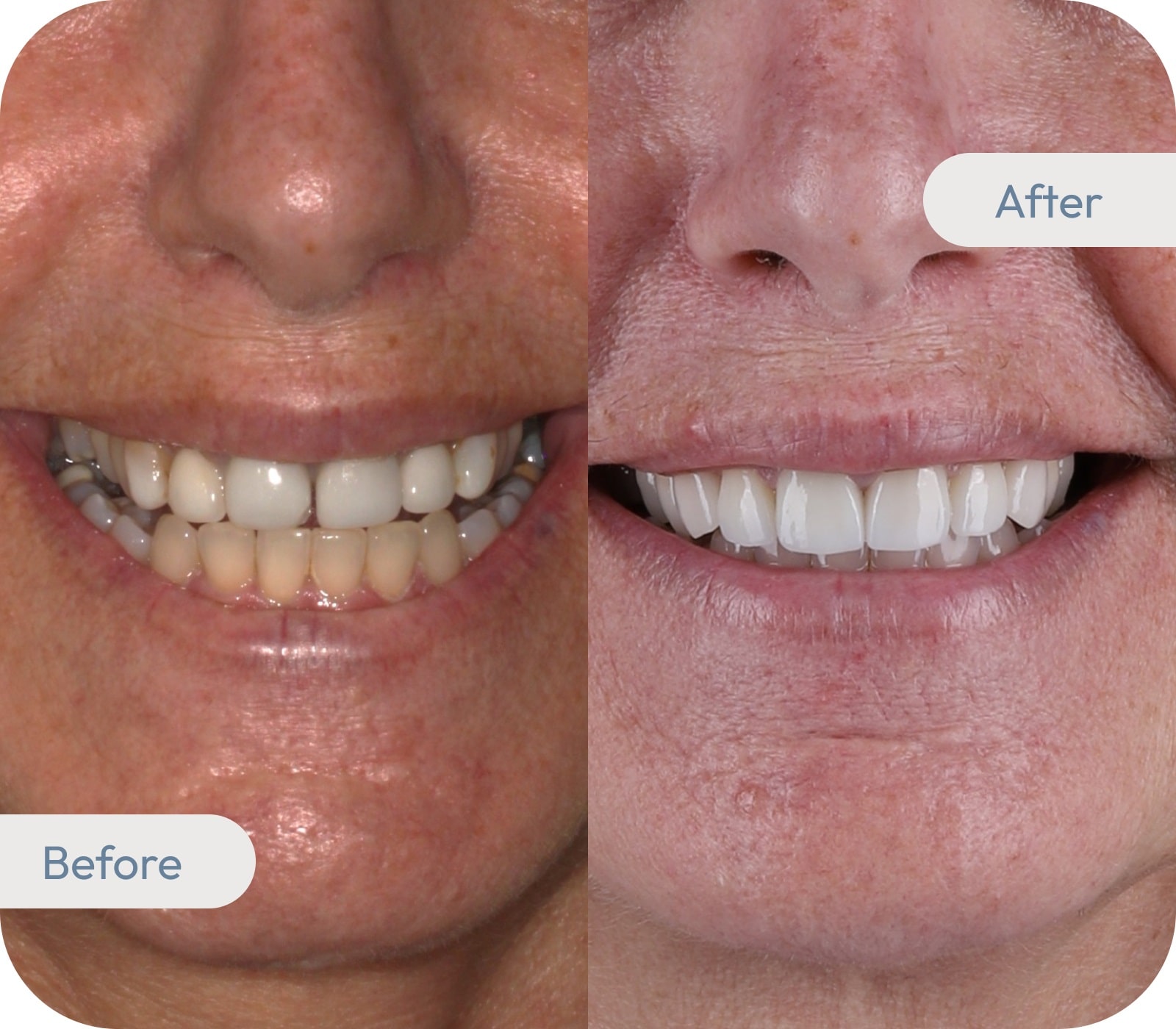
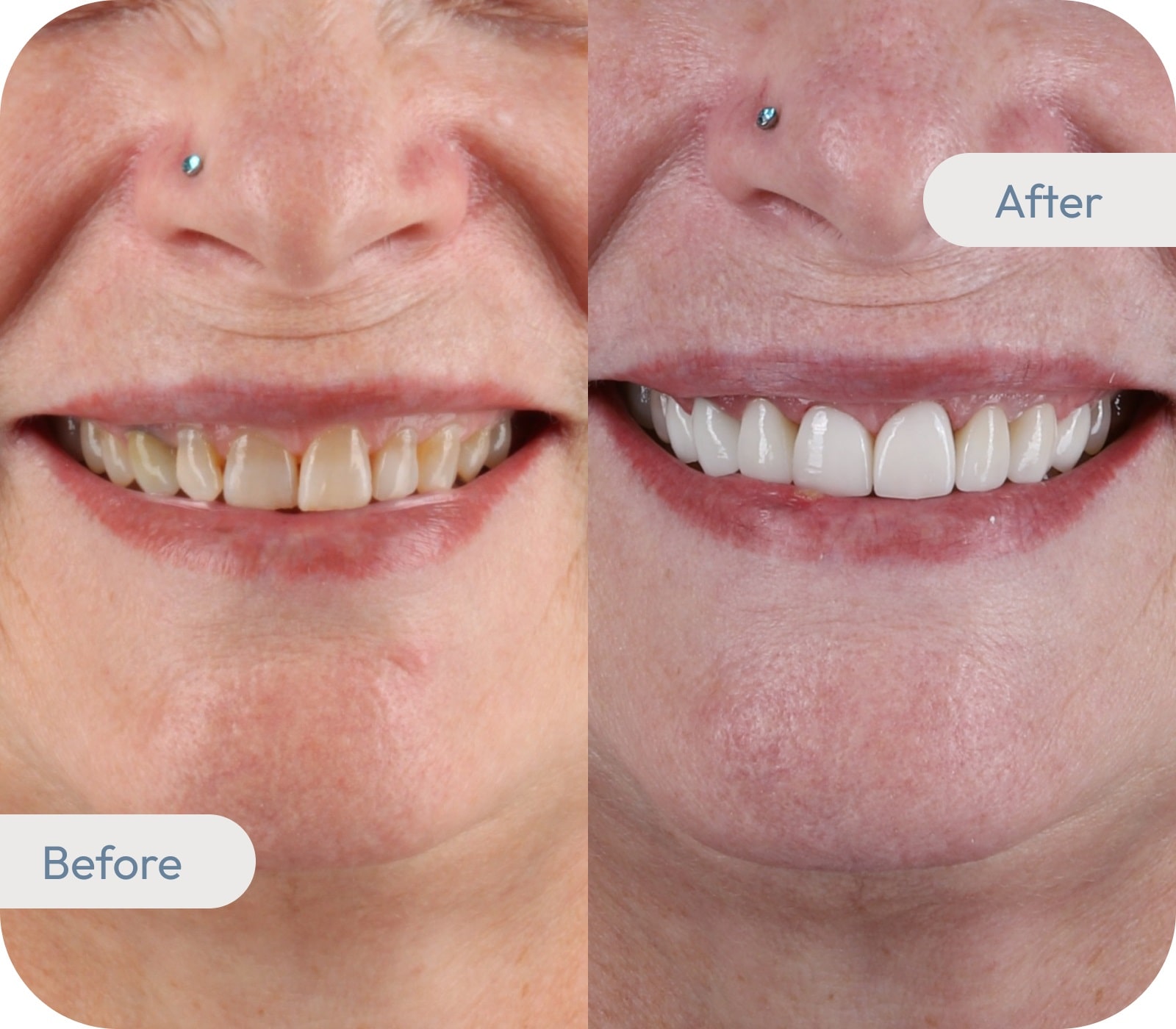
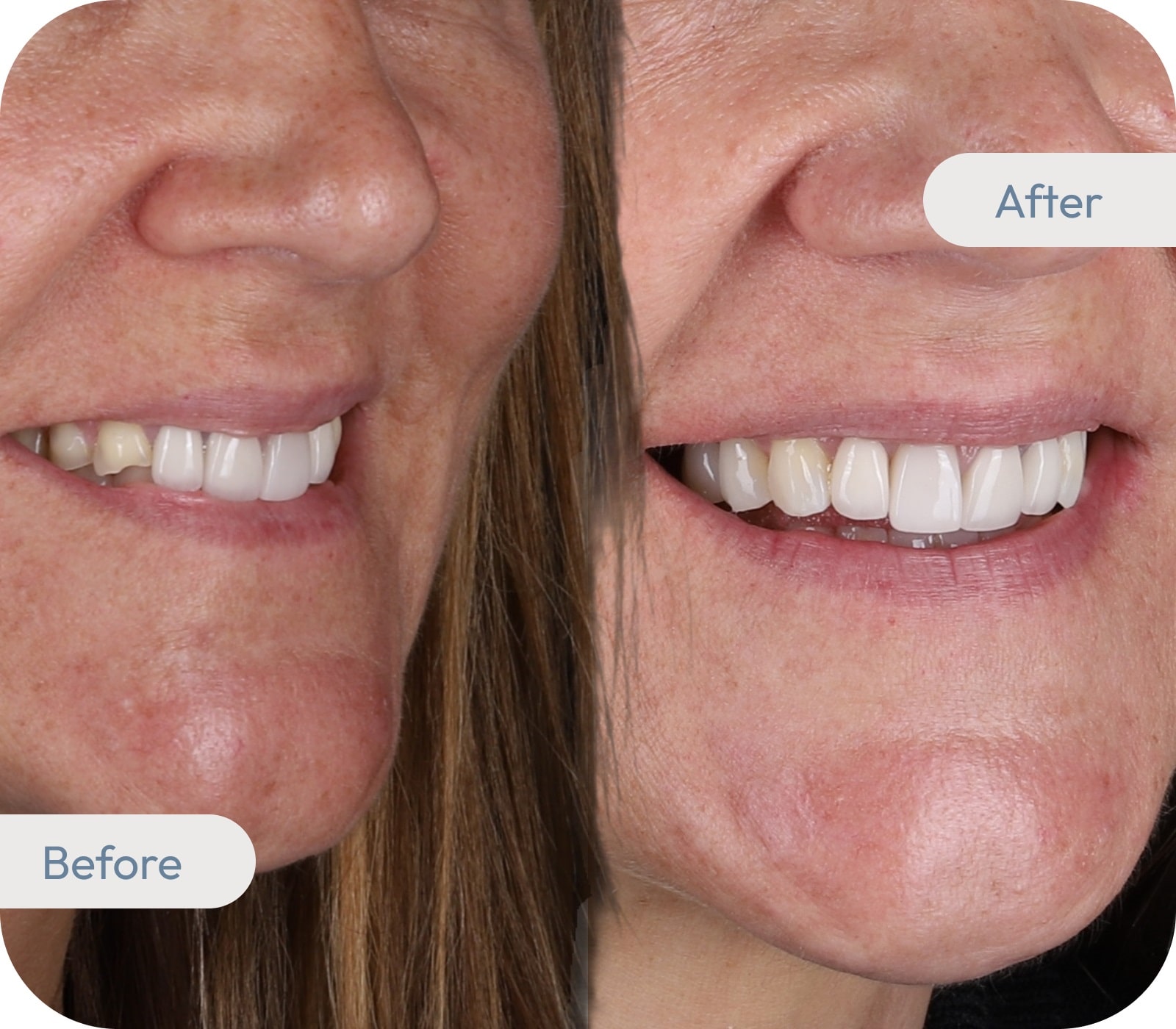
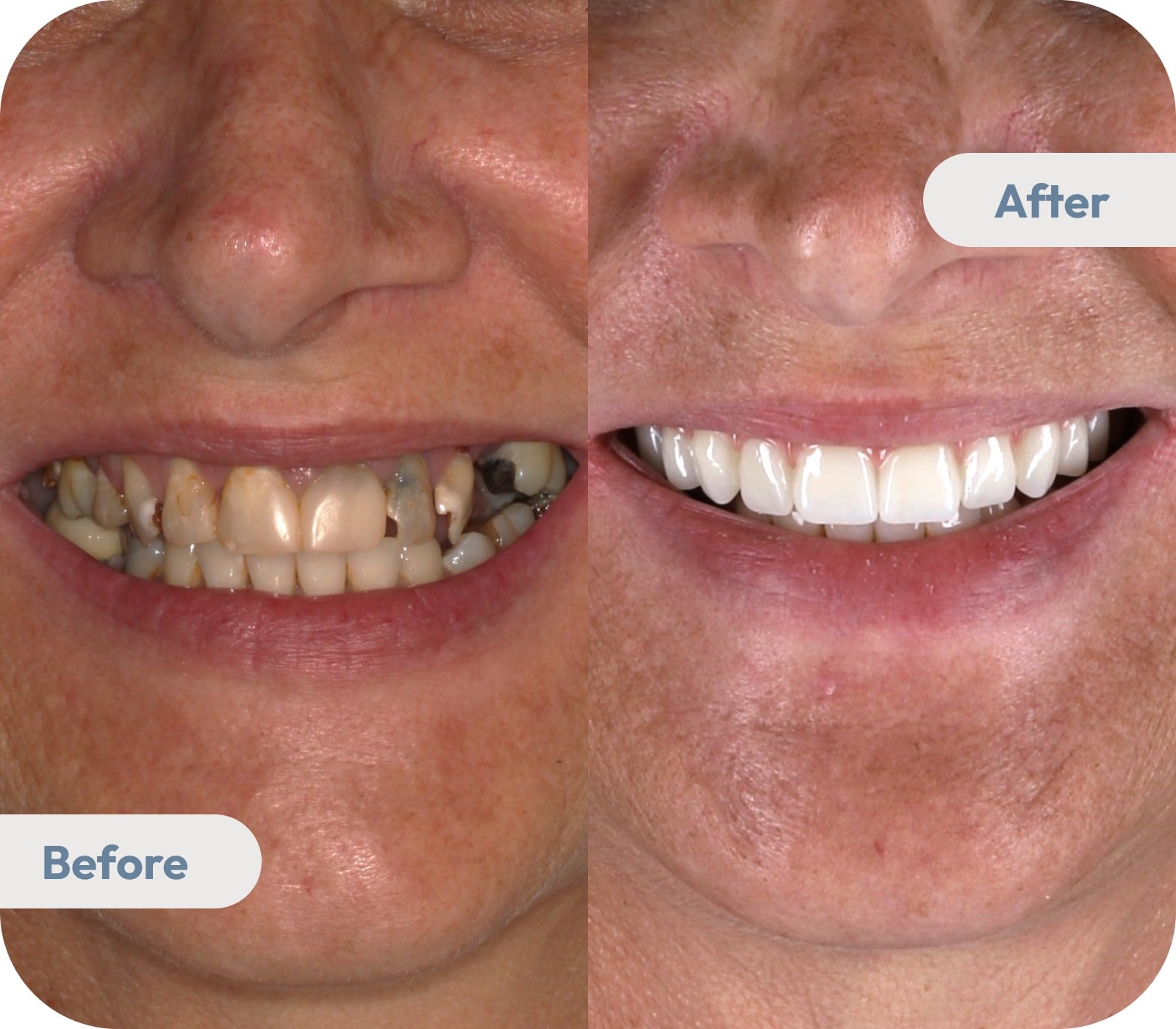
Explore real treatment outcomes in our gallery. These before-and-after photos show actual patients of Eversmile Dental, displayed with their consent. Outcomes vary between individuals, and results are not guaranteed. Images are unedited and taken under comparable conditions to reflect realistic treatment outcomes.
*These images display actual patients of our clinic. Every case is different, and treatment outcomes can vary according to individual conditions and needs.
Our Approach to Cosmetic Dental Care
Cosmetic dentistry can enhance the appearance of teeth. At Eversmile Dental, we offer personalised treatments tailored to your individual needs, with your oral health and comfort as our priorities.
-
- Locally Based Dental Team
- We have been part of the Bunbury community for many years. The dentists at Eversmile Dental live and work here, which means patients see the same team members regularly and can expect continuity of care. Being a local team enables us to establish long-term relationships with patients and deliver care in a familiar and consistent environment.
-
- Experience in Cosmetic Dentistry
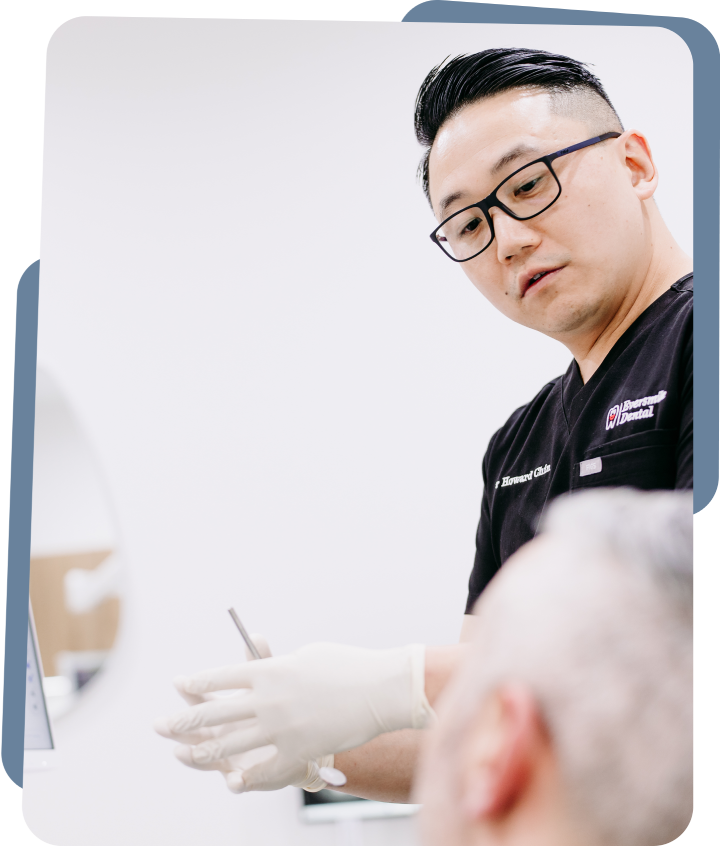
- For nearly two decades, our clinic has provided cosmetic dental treatments, including veneers, teeth whitening, and other aesthetic options. We draw on this experience to assess what treatment may be suitable for each patient’s needs. While results can vary, experience enables us to discuss what may be achievable, outline the risks involved, and explain the type of maintenance that may be required. Our focus is on planning treatment that is clinically appropriate, evidence-based, and designed to support long-term function and aesthetics. These treatments are performed by Dr. Howard Chin, a registered dentist with the Dental Board of Australia (General Dentist, DEN0001580816).
-
- Cosmetic Treatments with Oral Health First
- Cosmetic dentistry does not replace the fundamentals of good dental health. At Eversmile Dental, we take a comprehensive approach, starting with a dental checkup to assess the health of your teeth and gums before recommending any cosmetic options. This helps reduce the risk of complications and supports both long-term function and appearance. Cosmetic care may be considered at different life stages, depending on individual suitability.
-
- Individualised Treatment Planning
- No two patients are the same, and cosmetic dentistry requires a tailored plan. We begin with a consultation that focuses on your individual needs and oral health. During this appointment, we discuss different treatment pathways and outline what may or may not be appropriate for you. This way, each cosmetic treatment option is considered within the context of your dental health and personal circumstances.
-
- Clear, Evidence-Based Advice
- Our recommendations are guided by clinical evidence and professional standards. We explain the likely outcomes, risks, recovery considerations, and costs so you have a clear understanding before making a decision. We do not make unrealistic claims or promises about results. If a treatment is not suitable, we will explain why and provide safer alternatives. Our role is to provide you with factual information, enabling you to make an informed choice without pressure. .
-
- Use of Modern Dental Technology
- Our clinic uses digital technology and modern dental equipment to assist with accuracy in cosmetic procedures. This includes tools such as 3D scanning, digital planning systems, and contemporary materials, which contribute to accuracy and consistency in treatment planning. Technology helps with precision, but it does not replace professional judgement and patient understanding. We use these tools to plan carefully, reduce risks, and support quality treatment outcomes, while prioritising patient comfort and safety.

Frequently Asked Questions
This section provides helpful information about common cosmetic dental concerns. It provides clear answers to support informed, evidence-based decisions about your smile.
Why might my smile look or feel different?
Your smile might look or feel different due to natural changes in your teeth, gums, or bite over time. Factors such as ageing, tooth wear, or gradual shifting can subtly alter alignment and the way your smile appears. Dental restorations, orthodontic treatment, or the loss of a tooth can also change how your teeth meet and how your facial muscles move when you smile. Even small adjustments in your bite can significantly impact how comfortable and natural your smile feels.
Sometimes, differences in your smile may also result from changes in oral health or muscle tension around the jaw and face. Gum inflammation, grinding, or clenching can create uneven pressure that influences the way your teeth fit together. In other cases, a dental procedure such as a filling, crown, or aligner treatment may temporarily affect the sensation of your smile until your mouth adapts. If you notice ongoing changes in comfort, appearance, or function, it’s advisable to schedule a dental assessment to determine the underlying cause and discuss appropriate care options.
How can I manage concerns about the appearance of my teeth?
Feeling concerned about the appearance of your teeth is common, and there are practical, evidence-based ways to address these concerns while maintaining good oral health. The following steps outline how you can manage these issues with professional support.
Maintain Consistent Oral Hygiene: Regular brushing and flossing help reduce staining, plaque buildup, and gum inflammation, all of which can affect the appearance of your teeth. Using fluoride toothpaste and following a proper technique helps maintain cleanliness and long-term enamel strength. Consistent daily care helps preserve the natural colour and texture of your teeth over time.
Schedule a Professional Dental Examination: A dental assessment enables your clinician to identify underlying causes that may affect the appearance of your teeth, such as enamel wear, alignment issues, or surface staining. Your dentist can provide individualised advice based on your oral health status. Early detection of changes helps prevent minor cosmetic issues from developing into more complex concerns.
Explore Evidence-Based Treatment Options: Depending on your needs, options such as whitening, veneers, or orthodontic treatment may be discussed after a professional evaluation. Each treatment has specific benefits, limitations, and risks that should be clearly explained before you make a decision. This approach promotes alignment between any procedure you choose, your goals, and your overall oral health.
Focus on Function as Well as Appearance: Sometimes cosmetic concerns are linked to underlying bite, wear, or gum issues that also affect function. Addressing these aspects promotes comfort and aesthetic improvement in a balanced way. A comprehensive approach can enhance the health and stability of your smile over time.
- Seek Reliable Information and Support: Choosing a dental team that communicates clearly and bases recommendations on current clinical evidence facilitates informed choice about your care. Avoid advice from unverified sources or social media, as this information may be inaccurate or misleading. Clear communication with your clinician builds understanding and clarity in your care plan.
Managing concerns about your teeth’s appearance involves a combination of preventive care, informed choices, and professional guidance. By taking a measured and evidence-based approach, you can make decisions that contribute to the health and appearance of your smile.
Is it common to want to change my smile?
It is quite common for people to consider changing aspects of their smile due to concerns about tooth colour, alignment, or general appearance. Over time, natural changes such as wear, discolouration, or shifting can influence how a smile looks. These variations are normal and occur for many reasons, including ageing and lifestyle factors. A dental professional can help assess these concerns and provide evidence-based advice about appropriate treatment options if desired.
Some individuals explore dental treatments to improve the function, comfort, or aesthetics of their smile. Seeking professional guidance facilitates changes that align with your oral health needs and realistic expectations. Modern dentistry offers a range of evidence-based options, from whitening to bite adjustments, tailored to individual needs. Understanding your motivations and available choices helps you make decisions that promote the health and appearance of your smile.
What treatment options are available to improve the appearance of teeth?
Improving the appearance of teeth involves a range of evidence-based dental treatments tailored to individual needs and oral health conditions. The most suitable option depends on the cause of the concern, overall oral health, and desired outcome discussed during a professional consultation.
Professional Teeth Whitening: Teeth whitening performed by a dental professional uses approved whitening agents to reduce surface and intrinsic stains. This treatment may lighten tooth colour under professional supervision. The procedure is customised based on enamel condition and sensitivity considerations.
Dental Veneers: Veneers are thin, custom-made coverings placed over the front surface of teeth to alter their shape, colour, or alignment. They are typically made of porcelain or composite materials selected for durability and aesthetic compatibility. A dentist assesses suitability and discusses preparation requirements before treatment.
Orthodontic or Aligner Treatment: Clear aligners or traditional braces can adjust misalignment, crowding, and bite irregularities. These treatments gradually move teeth into improved positions using controlled forces. Orthodontic treatment also enhances long-term function and hygiene accessibility when clinically indicated.
Composite Bonding: This bonding technique utilises tooth-coloured resin materials to restore minor chips, reshape teeth, or fill small gaps. The process is minimally invasive and can often be completed in a single visit. The materials are colour-matched to blend naturally with surrounding teeth.
Dental Crowns and Bridges: Crowns restore damaged or heavily restored teeth, while bridges replace missing teeth by anchoring to adjacent ones. Both options aim to restore structural integrity and appearance while supporting oral function. The choice depends on the condition and location of affected teeth.
- Implants or Dentures for Missing Teeth: Dental implants replace missing tooth roots with titanium posts supporting a crown, while dentures replace multiple missing teeth. These treatments improve function and appearance when planned with a thorough assessment. Suitability depends on bone density, gum health, and overall oral condition.
Each treatment should be selected based on a professional dental assessment that considers oral health, function, and aesthetic goals. Discussing benefits, limitations, and risks with your dentist facilitates collaborative decision-making about improving your smile’s appearance.
Why might my smile look uneven in photos?
An uneven smile in photos can occur due to natural facial asymmetry, which is a common and often subtle characteristic in everyday expressions. Muscle activity, posture, and camera angles can emphasise one side more than the other, making the smile appear unbalanced. Variations in tooth alignment or gum level can also contribute to differences that appear more pronounced under lighting or flash. These factors are usually normal, but can sometimes relate to dental or muscular conditions that a professional can assess.
In some cases, changes in bite position, missing teeth, or previous dental work can influence how your smile appears in images. Muscle tension, lip positioning, or even how you hold your head can alter symmetry in photographs. A comprehensive dental assessment can help identify whether the cause is functional, structural, or simply photographic. Understanding these contributing factors allows your dentist to provide appropriate advice or treatment options if you wish to explore adjustments.
Why do teeth sometimes shift or appear crooked again?
Teeth can shift or appear crooked again due to natural changes in the mouth and surrounding tissues over time. Factors such as ageing, changes in jawbone density, and everyday pressure from chewing or speaking can gradually influence alignment. Even after orthodontic treatment, teeth have a natural tendency to move towards their original positions without proper retention. Consistent retainer use and regular dental checkups help manage these natural movements effectively.Other influences include tooth loss, gum disease, or grinding, which can alter spacing and bite balance. Small gaps or misalignments may also result from unaddressed wear or uneven forces acting on the teeth. In some cases, shifts occur due to changes in oral habits or the placement of replacement restorations that subtly alter contact points. A dental professional can assess the underlying cause and provide tailored strategies to help maintain stable alignment and long-term function.
How do I explore treatment options for cosmetic concerns?
Exploring treatment options for cosmetic dental concerns involves understanding your goals, assessing your oral health, and seeking professional guidance based on evidence-based recommendations. The following steps outline a structured and responsible approach to making well-informed choices about aesthetic treatments.
Start with a Comprehensive Dental Assessment: Schedule an examination to evaluate your oral health, tooth structure, and gum condition before considering any cosmetic procedure. A dentist can identify underlying issues, such as decay or gum inflammation, that should be addressed first. This helps confirm that any aesthetic treatment is built on a healthy foundation.
Discuss Your Aesthetic Goals and Concerns: Communicate what aspects of your smile you wish to improve, such as colour, alignment, or shape. Providing clear examples helps your dentist understand your expectations. This discussion forms the basis for a personalised and clinically appropriate treatment plan.
Understand Evidence-Based Treatment Options: Your dentist can outline various treatments, such as whitening, veneers, bonding, or aligners, explaining how each works and its suitability for your specific situation. Every procedure has benefits, risks, and limitations that should be considered carefully. Reviewing these factors helps you choose treatments that align with your oral health and desired outcomes.
Consider Function and Long-Term Maintenance: Cosmetic improvements should not compromise function or durability. Your dentist can advise how proposed treatments may affect bite, cleaning routines, and future maintenance. This approach strikes a balance between aesthetics and long-term oral health.
- Ask Questions and Review Supporting Information: Request information about expected outcomes, recovery, and maintenance requirements before proceeding with treatment. Reviewing case examples, where appropriate and compliant, can help you understand realistic results. A clear understanding reduces uncertainty and supports informed choice in your care decisions.
When considering cosmetic dental treatments, it is essential to consult with a professional and base your decision on evidence-based planning. Working collaboratively with your dentist helps you make choices that promote oral health and aesthetic balance.
What role does oral health play in the appearance of my smile?
Oral health plays an important role in the overall appearance of your smile by influencing tooth colour, shape, and gum condition. Healthy gums frame the teeth evenly, creating balance and symmetry that enhances facial aesthetics. Issues such as decay, plaque buildup, or gum inflammation can cause discolouration, unevenness, or swelling that detracts from a smile’s appearance. Maintaining oral health through regular dental care helps preserve the natural brightness and balance of your smile over time.
Strong oral health also supports proper tooth alignment and jaw stability, which affect how your smile looks and functions. When teeth and gums are healthy, they reflect integrity and structural balance. In contrast, unaddressed dental problems can gradually shift the position of your teeth or reshape your gum contours, which may affect your smile’s appearance. Prioritising preventive dental care promotes lasting oral health and the natural aesthetic appeal of your smile.
Book Your Appointment Online or Call Our Bunbury Dental Clinic Today
Book an appointment with our dentist in Bunbury to discuss your oral health needs. We provide tailored dental treatments and clear information to support informed decisions about your dental care.