
Professional, Personalised Orthodontic Options

Considering Teeth Straightening? We’re Here to Help.

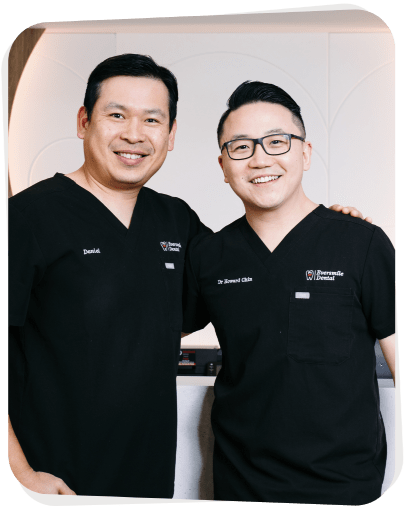
Our Bunbury dental team provides personalised assessments, clear explanations, and professional support to help you understand which teeth-straightening options may be suitable for you.

Every Smile Is Unique
—Let’s Talk Teeth
Straightening Options

Many people in Bunbury consider straightening their teeth, but starting the process can feel confusing. Age, confidence, or concerns about lifestyle or oral health often lead to hesitation. At Eversmile Dental, we provide clear explanations and personalised care to help you understand the options that may suit your individual needs and circumstances.

Is Teeth Straightening
Right for You?

  • Mild to Moderate Crowding
    When teeth overlap or sit too closely together, they can be harder to clean and more prone to plaque buildup. Orthodontic treatment may assist in improving access for cleaning and supporting better oral health outcomes over time.
  • Spacing Between Teeth
    Gaps between teeth may affect function and can sometimes lead to food trapping.  Orthodontic treatment may assist in improving access for cleaning and supporting better oral health outcomes over time.
  • Bite Alignment Issues
    Conditions like overbites, underbites, or crossbites can place extra pressure on teeth and jaws. Orthodontic care may assist in improving function, reducing uneven wear, and supporting long-term comfort. A consultation is required to determine suitability.
  • Appearance-Related Concerns

    Crooked or uneven teeth may influence how a smile looks. Orthodontic treatment may improve appearance in some cases, though results vary. A personalised consultation is essential to assess what outcomes may be appropriate and clinically achievable.

We Offer Personalised Treatments to Help You Straighten Your Teeth

Straightening your teeth is a unique journey. Our Bunbury team is here to provide professional guidance and treatment options, creating a plan that suits your smile and lifestyle.

1

Clear Aligners

2

Porcelain Veneers

3

Dental Crowns

Start with a Dental Consultation in Bunbury

Are you ready to prioritise your oral health? Book a consultation with our friendly team to discuss your needs and explore suitable treatment options.

Eversmile Dental

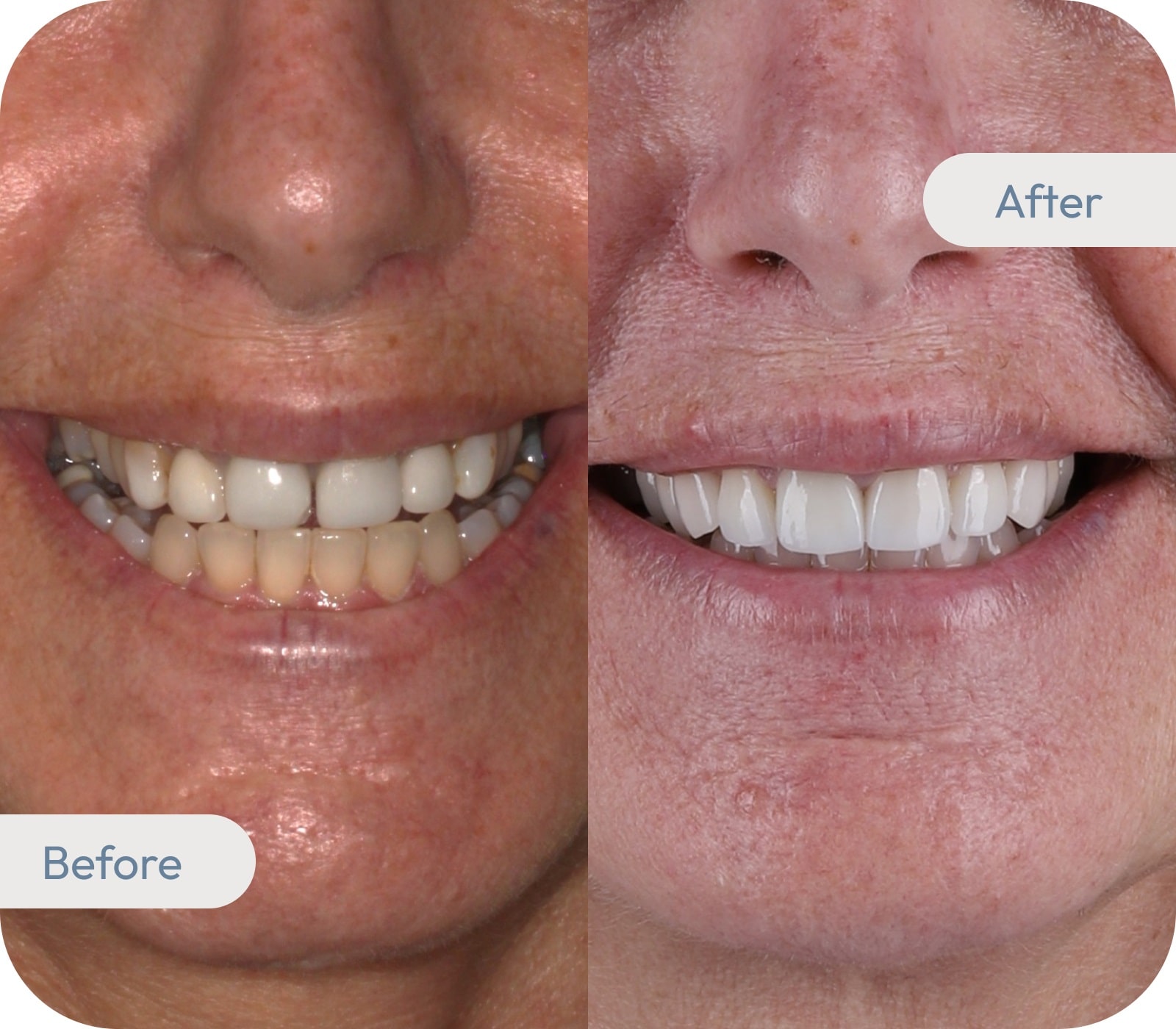
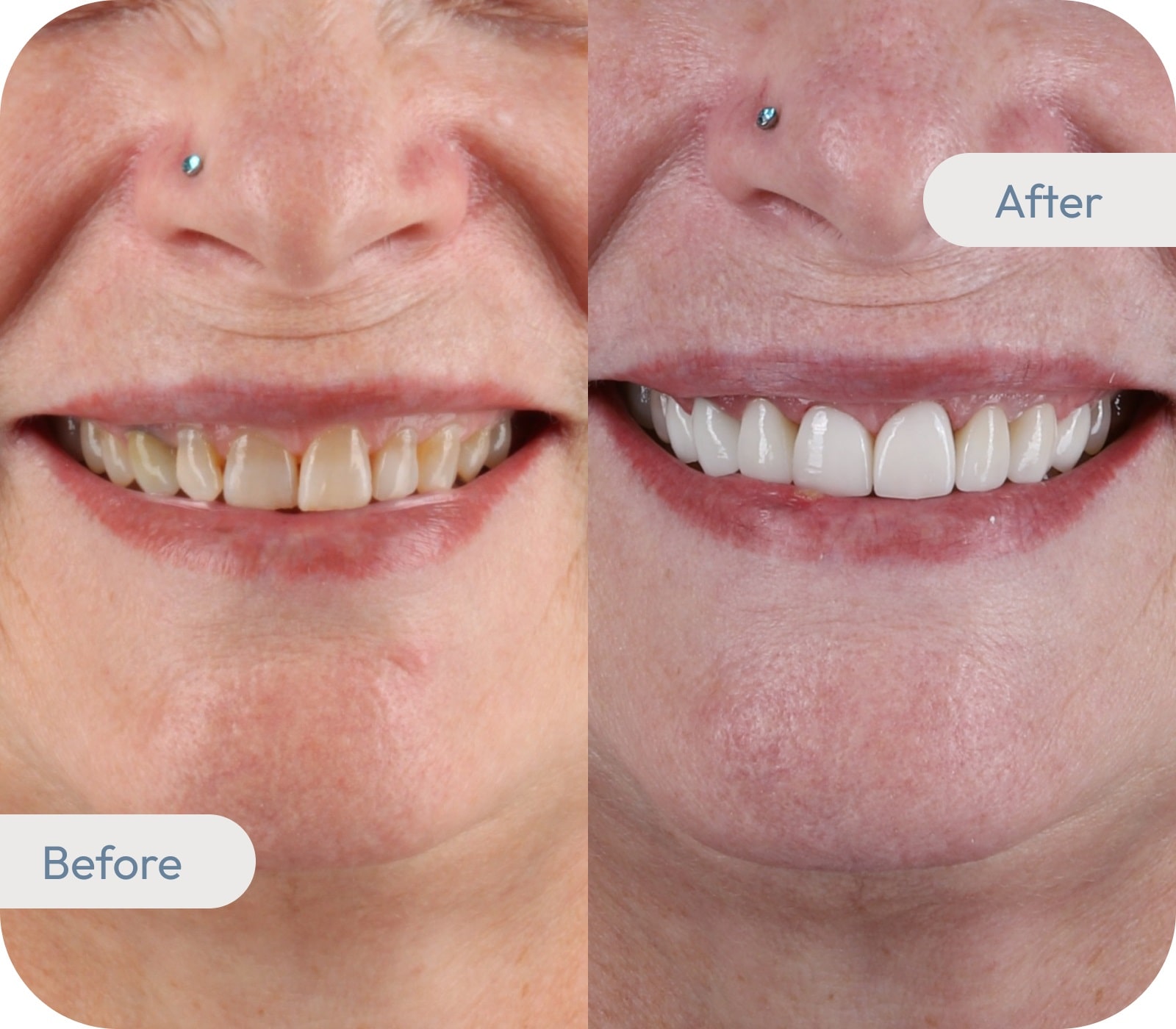
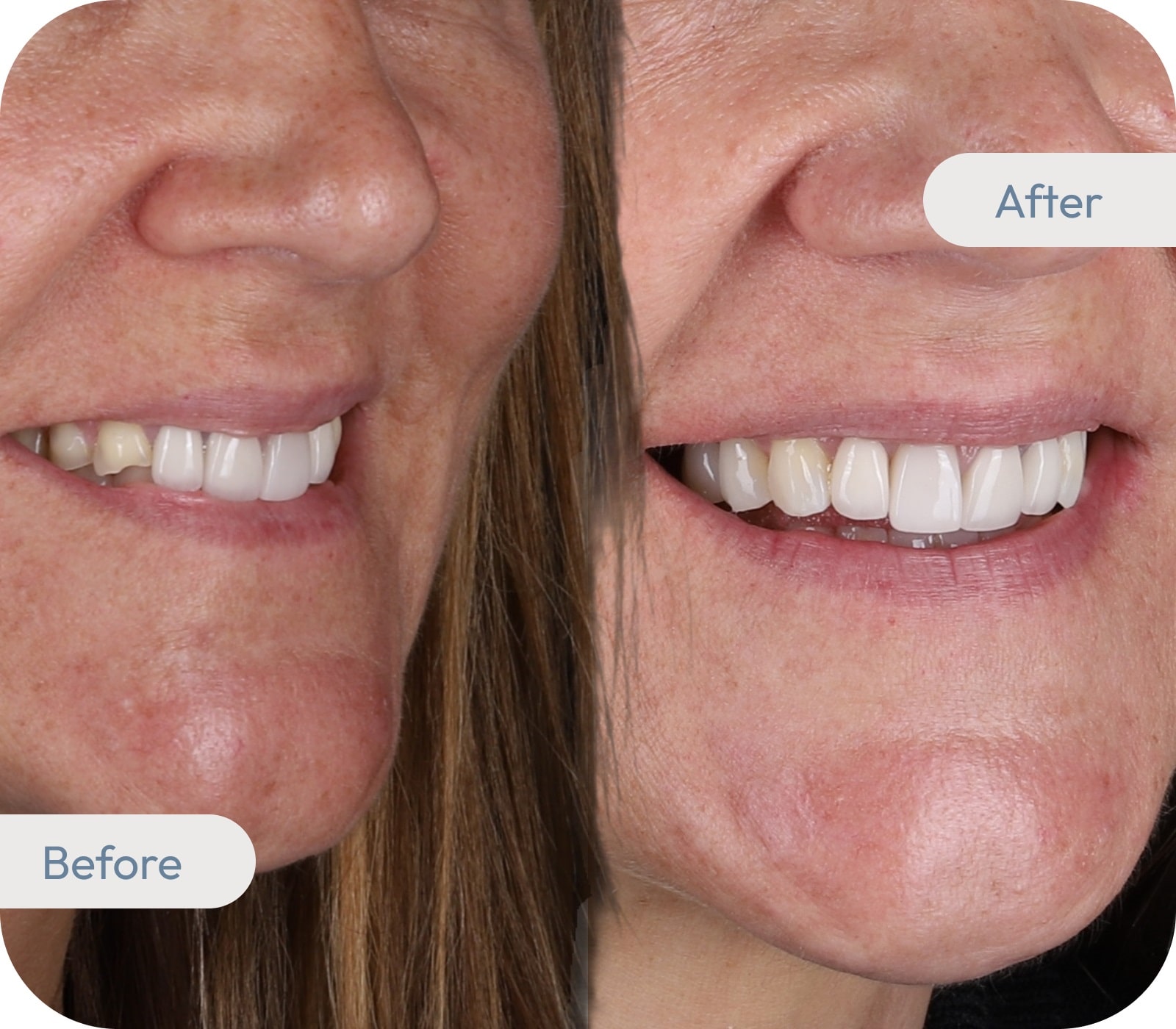
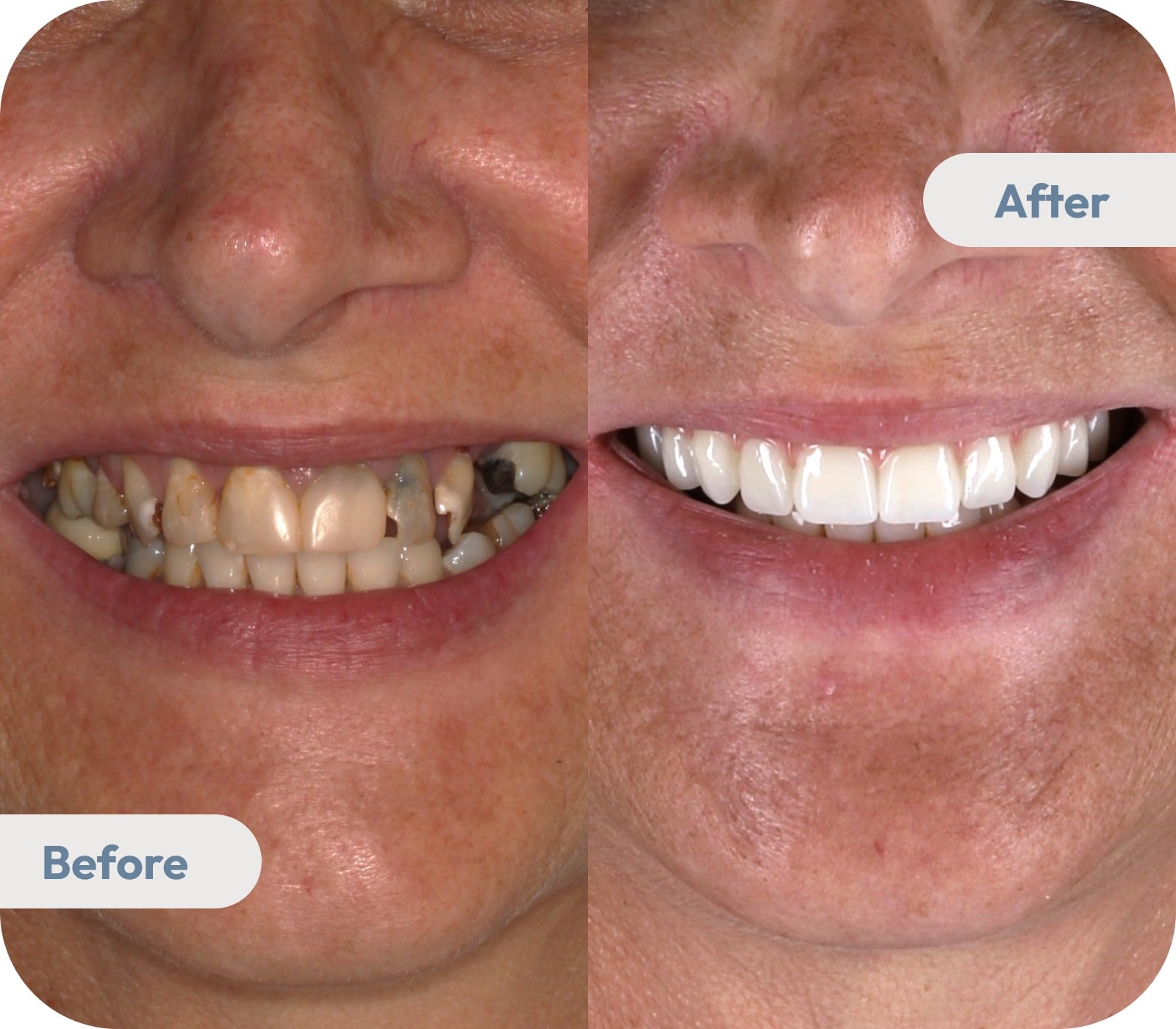
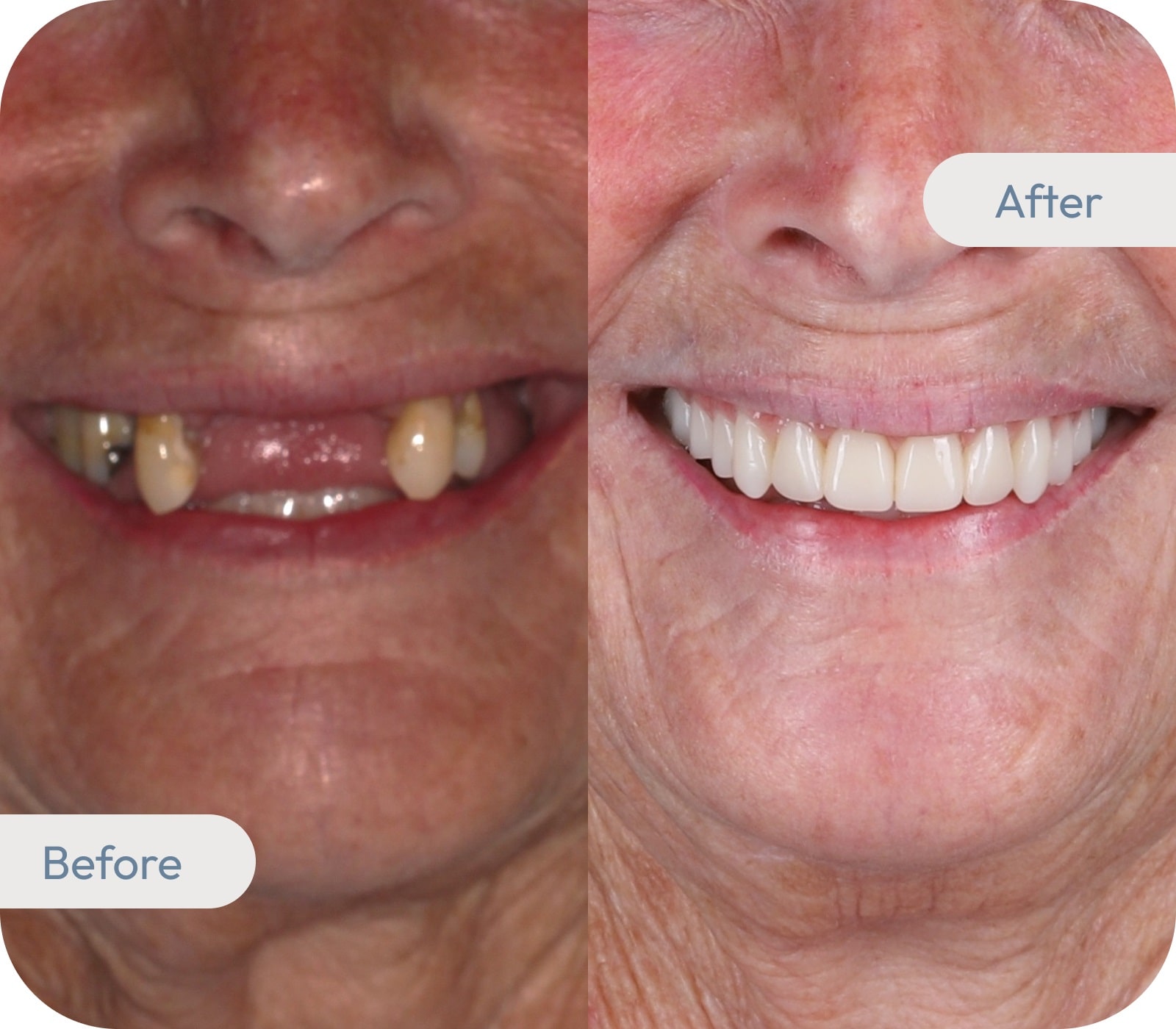
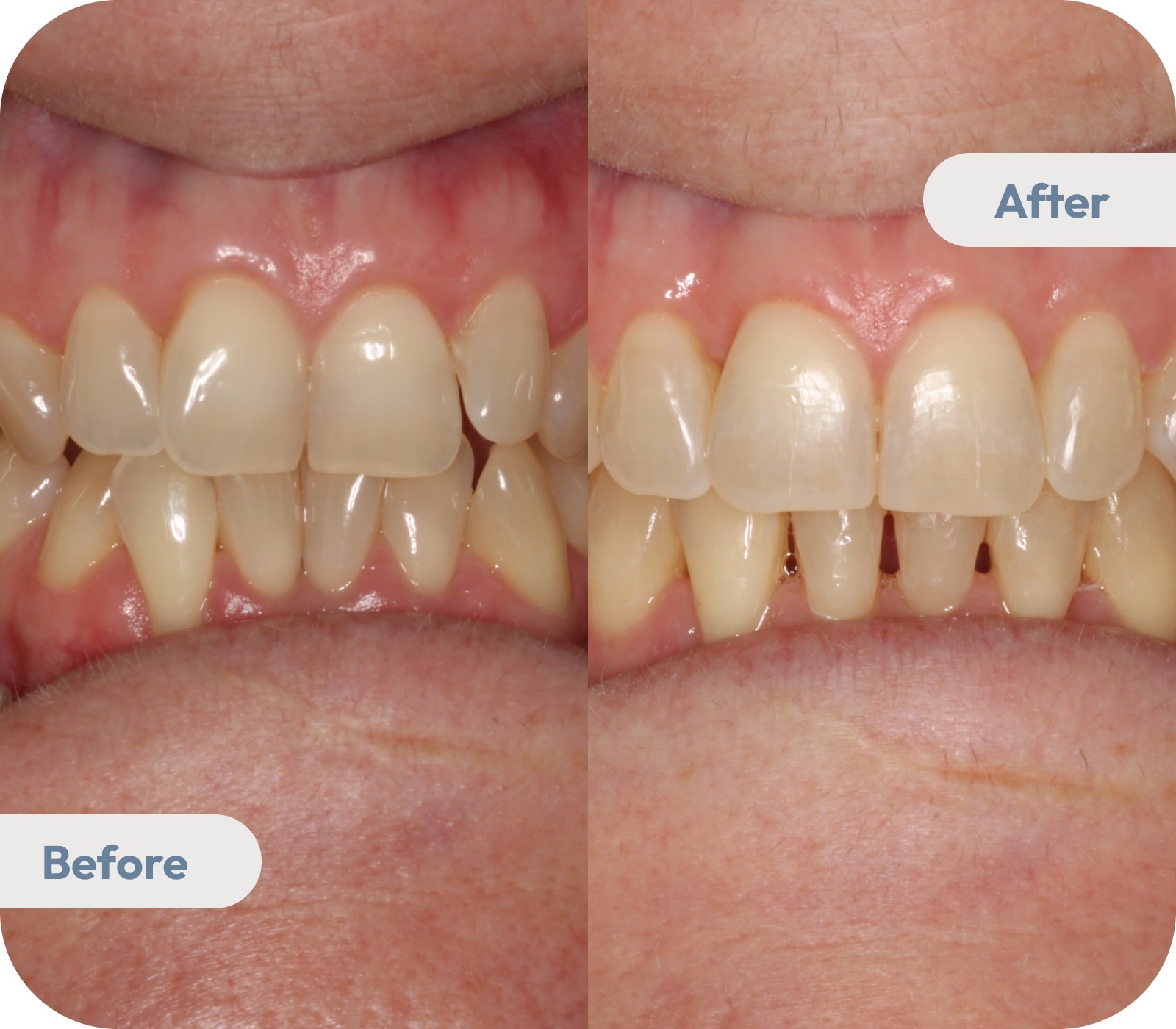
Smile Gallery – Before and After Treatment Examples

Explore real treatment outcomes in our gallery. These before-and-after photos show actual patients of Eversmile Dental, displayed with their consent. Outcomes vary between individuals, and results are not guaranteed. Images are unedited and taken under comparable conditions to reflect realistic treatment outcomes.

*These images display actual patients of our clinic. Every case is different, and treatment outcomes can vary according to individual conditions and needs.

Why Families Choose Eversmile Dental for Orthodontic Care

Orthodontic care is about more than straight teeth—it supports function and contributes to long-term oral health. At Eversmile Dental, we offer early orthodontic assessments and clear aligner treatments planned around individual needs. Our role is to offer clear information and guidance so patients can make informed decisions.

  • Eversmile Dental
    Bunbury-Based Dentists for Local Families
    We’re locals who live, work, and raise families in the same community we serve. That means we recognise the importance of providing flexible orthodontic options that work for local families. Our care reflects our community connection.
  • Eversmile Dental
    Experienced Care with a Personal Approach
    With almost two decades of experience, Eversmile Dental provides orthodontic assessments and clear aligner therapy for patients of different ages. Our approach is guided by professional knowledge and transparent communication.
  • Eversmile Dental
    Orthodontic Options for Children, Teens, and Adults
    From early orthodontic checks for kids to clear aligners for adults, our approach is designed for all ages. We provide clear explanations of available options to help you understand what each involves. Every patient’s needs are different, and treatment planning reflects those differences in supporting oral function.
  • Eversmile Dental
    Individualised Orthodontic Planning for Different Needs
    We’re not here to promote a one-size-fits-all treatment. We discuss available options and answer your questions so you understand what each approach involves. Whether orthodontics is for your child or yourself, we aim to provide information that supports informed decision-making.
  • Eversmile Dental
    Orthodontic Care in Bunbury Guided by Transparency
    Our approach centres on providing straightforward explanations. If early intervention may be beneficial, we’ll outline the reasons. If orthodontic treatment isn’t needed, we’ll make that clear too. You can expect information presented openly, without pressure, so you can make an informed choice.
  • Eversmile Dental
    Modern Orthodontics Using Digital Technology
    We use digital scans and planning software to assess bite alignment and plan clear aligner treatments. These tools assist with treatment planning and allow us to avoid traditional impressions. Aligner trays are designed with the aim of supporting fit and comfort, while professional judgement remains central to care.


Frequently Asked Questions

Teeth straightening involves practical considerations. These FAQs address common questions about treatment options, timeframes, costs, and suitability for different patient needs.

How long does it take to straighten teeth?

Orthodontic treatment time varies widely. Many cases take between 6 and 24 months, depending on individual needs and the complexity of tooth or bite movement. Some cases may require longer to achieve stable results.

Factors that can influence treatment time include:

  • Type of method: Clear aligners (such as Spark or Invisalign®) may suit mild to moderate alignment needs. Braces, including metal or ceramic, are often used for more complex adjustments.
  • Complexity: Mild spacing or crowding may be managed faster than rotated teeth or significant bite issues, which require gradual change.
  • Age: Younger patients sometimes respond faster as their jaws are still developing. Adults can achieve effective outcomes, but treatment may take longer.
  • Consistency: Clear aligners must be worn 20–22 hours daily. Missed wear time or reviews may slow progress.
  • Oral health: Healthy gums and teeth support smoother progress, while issues such as gum inflammation may delay treatment.

Every case is different. A personalised consultation is required to assess suitability, risks, and the expected treatment timeframe.

Orthodontic care may provide benefits depending on your individual circumstances. Common reasons include improving bite function, supporting oral hygiene, and managing spacing or crowding. In some cases, appearance is also a factor people consider.

Potential benefits may include:

  • Improved cleaning: Straighter teeth can make brushing and flossing easier in crowded areas, which may help reduce plaque buildup.
  • Reduced bite strain: Addressing misalignment may help distribute pressure more evenly and improve comfort when chewing or speaking.
  • Future planning: Early intervention in some cases may help manage changes that occur as teeth shift over time.
  • Appearance: Some people consider orthodontic care for aesthetic reasons, though results and goals vary between individuals.
  • Suitability at any age: Children, teens, and adults may all be eligible for treatment depending on clinical needs.

Orthodontic treatment also involves commitments such as time, costs, and regular visits. A consultation is always needed to discuss suitability, risks, and whether treatment is appropriate for you.

There is no single recommended age to begin orthodontic care. Suitability depends on how teeth and jaws are developing, along with a person’s oral health and treatment goals.

Dental professionals often suggest an orthodontic assessment around age seven to check for early signs of crowding, spacing, or bite concerns while adult teeth are still emerging. An early review does not always mean treatment will start immediately, but it may help guide future care.

Most orthodontic treatment typically begins in the early teenage years, once most adult teeth are present and jaw growth is ongoing.

Adults can also undergo treatment at any age, provided their gums and teeth are healthy. Options such as braces or clear aligners may be considered depending on the case.

Orthodontic treatment involves commitment, regular reviews, and costs, and it may not always be required. A consultation is essential to assess suitability and discuss risks and benefits.


The cost of orthodontic treatment varies depending on the type of treatment, complexity, and treatment duration.

At Eversmile Dental, we provide a personalised plan and quote following a consultation.

Factors that may influence overall costs include:

  • Type of treatment: Clear aligners, such as Invisalign®, start from $3,300. Braces, including external and lingual (internal) types, start from $3,465.
  • Complexity: Cases requiring significant changes to tooth or jaw position may involve more planning and resources.
  • Length of treatment: Longer treatment timeframes may require additional aligners or adjustments.
  • Age and stage of development: Early orthodontic assessments for children start from $170. These reviews help monitor development and guide decisions about intervention.
  • Additional care: Some patients may need hygiene treatments, tooth removal, or other dental work as part of their orthodontic plan.
  • Health funds: If your health fund includes orthodontic benefits, it may cover part of the cost. The amount depends on your fund, annual limits, and waiting periods. We offer same-day claiming through HICAPS and are preferred providers for several major funds.

Prices are estimates only and vary depending on individual needs. Conditions apply. A consultation is required for an accurate assessment of costs, risks, and suitability.

The overall cost of orthodontic treatment depends on your individual needs, such as the amount of tooth movement required and whether bite adjustments are necessary. Some cases are suited to simpler approaches, while others require more complex treatment.

Factors that can influence cost include:

  • Type of treatment: Clear aligners or braces may be used, depending on the case.
  • Complexity: More significant tooth or jaw changes may increase planning and treatment time.
  • Duration: Longer treatment may require additional reviews or aligner sets.
  • Additional care: Some patients need hygiene treatments or tooth removal before orthodontics.
  • Health funds: Some funds may cover part of orthodontic costs. This depends on the fund, annual limits, and waiting periods.

It’s important to note that the lowest-cost option is not always the most appropriate or effective. A consultation is required to assess your oral health, discuss risks, and determine which treatment is most suitable for long-term stability.

Treatment time depends on many factors, including the type of tooth movement required and case complexity.

In some situations, clear aligners (such as Invisalign® or Spark) may be suitable for mild to moderate concerns, while braces may be more effective for complex cases.

Neither method is universally faster. Each approach has strengths depending on the movements needed:

  • Clear aligners may be suitable for spacing or mild crowding, provided they are worn consistently for 20–22 hours each day.
  • Braces are often preferred for complex movements, such as rotating teeth, adjusting the bite, or repositioning molars.

Other factors that can influence treatment time include:

  • The complexity of tooth and jaw movement can increase the total treatment length.
  • Patient consistency with aligner wear or brace care can significantly affect the progress of treatment.
  • The need for adjustments and regular monitoring throughout treatment can extend or shorten the overall treatment time.

Both aligners and braces also involve commitments such as regular reviews, possible discomfort, and maintaining strict oral hygiene.

A consultation is required to determine which approach may suit your needs, how long it may take, and what risks to consider.

Clear aligners, such as Invisalign®, can be suitable for many adults who want to improve teeth alignment. Adults may consider this option because aligners are less visible than braces and can be removed during eating and cleaning.

Clear aligners may assist with different alignment concerns, including spacing, crowding, and some types of bite issues. However, the effectiveness of treatment depends on individual factors, and not all cases are suitable.

Factors that influence whether clear aligners may be effective for adults include:

  • The type and severity of the issue can affect outcomes. For example, aligners may be suitable for mild to moderate alignment concerns but may not address all complex bite problems.
  • Consistency in wear is critical. Aligners must be worn for 20 to 22 hours a day to achieve the planned tooth movements.
  • The position of the jaw may influence suitability. Bite issues related to jaw structure sometimes require a different approach, such as braces or surgery.
  • The way teeth respond to movement can affect results. Some tooth movements are less predictable with aligners and may require adjustments during treatment.

Adult patients may consider clear aligners because they provide an alternative to braces that can be less visible and removable. A consultation is required to determine whether aligners are appropriate for your goals, oral health, and clinical needs.

Teeth straightening, whether through braces or clear aligners, may improve function and appearance. Like all dental procedures, it carries risks that vary depending on the treatment type, your oral health, and how well you follow care instructions.

Here are some possible risks to consider:

  1. Tooth or gum sensitivity: Some patients experience temporary discomfort or soreness as teeth begin to move. This usually improves as the mouth adjusts to treatment.
  2. Root shortening (resorption): In certain cases, the roots of teeth may become slightly shorter during treatment. Dentists monitor this using X-rays to help manage the risk.
  3. Gum irritation or inflammation: If food or plaque builds up around braces or aligners, gums may become swollen or bleed. Good oral hygiene practices are important to help prevent this.
  4. Tooth decay or decalcification: Braces and aligners can make brushing and flossing more challenging. If plaque is not cleared away properly, it may lead to tooth decay or white spots on enamel.
  5. Jaw or bite changes: If tooth movement is not closely monitored, it may affect how teeth fit together. Regular dental reviews help reduce this risk.
  6. Relapse (teeth shifting back): Teeth may gradually shift after treatment. Wearing retainers as advised helps maintain alignment and stability over time.

Not every patient will experience these risks, and regular check-ups help manage and minimise them. During your consultation, your dentist will explain the risks most relevant to your individual treatment.

In some cases, orthodontic treatment may contribute to subtle changes in facial appearance. These changes depend on the bite, the extent of tooth movement, and the individual’s dental and jaw structure.

Here are some possible ways treatment may affect appearance:

  1. Jaw alignment: When the bite changes after treatment, the jaw position may shift slightly. This can sometimes balance the appearance of the lower face, particularly where an overbite, underbite, or crossbite was present.
  2. Side profile: Reducing crowding or repositioning prominent teeth may alter how the lips and mouth sit at rest. This can make the side profile appear different, although changes are usually minor.
  3. Lip support: Teeth positioning can affect how the lips rest when the mouth is closed. For some people, this may result in a slightly fuller or more supported appearance.
  4. Smile display: Adjustments to the bite may change how much of the teeth show when smiling, which can alter how the lower face appears in conversation or photos.

These changes are generally mild and occur gradually. The primary aim of orthodontic treatment is to improve dental function and oral health.

Any cosmetic effects are secondary, vary between patients, and cannot be guaranteed. Your dentist will discuss what outcomes may be relevant to your individual case during a consultation.

Braces often require some adjustments to eating habits. While most foods can still be enjoyed, certain items should be avoided or eaten with care to prevent damage and maintain oral health.

Here are some key considerations:

  1. Hard or crunchy foods: Foods such as nuts, popcorn, and ice can break brackets or bend wires. It is also advisable to avoid biting directly into hard fruits or vegetables, such as apples or carrots, by cutting them into smaller pieces first.
  2. Sticky or chewy foods: Items such as chewing gum, toffees, and caramel can become stuck in braces and are difficult to clean. These foods may also pull on brackets and wires, causing damage.
  3. Sugary snacks and drinks: Frequent consumption of sweets or soft drinks can increase plaque buildup around braces. This raises the risk of tooth decay if proper brushing and flossing are not maintained.
  4. Chewing with care: After getting braces or following an adjustment, teeth may feel sore. Softer foods such as rice, pasta, yoghurt, soups, and smoothies are often more comfortable until sensitivity improves.

Most people adapt to these changes over time. Good oral hygiene and regular dental reviews are important to prevent problems and support healthy treatment outcomes.

There is no evidence that straight teeth directly cause greater success in life. Success depends on many personal and professional factors that are unrelated to dental appearance.

Some research suggests that straighter teeth may influence how others perceive someone in social settings, although these are perceptions only and not guaranteed outcomes.

Here are some points to consider:

  1. First impressions: Some studies suggest that people may view straighter teeth as a sign of confidence or approachability. This reflects social perception rather than actual ability or success.
  2. Self-esteem: Some people report feeling more comfortable smiling after orthodontic treatment. This experience varies widely between individuals and is not a guaranteed outcome.
  3. Perceived professionalism: In certain workplaces, straighter teeth may be associated with attentiveness to personal care. This is a perception and should not be considered a predictor of professional achievement.

These points are based on how appearance can sometimes be perceived socially. They should not be seen as indicators of success. The main goals of orthodontic treatment are to improve oral health, support function, and, in some cases, address spacing or crowding.

A consultation is necessary to determine whether treatment is appropriate for your needs.

Right Menu Icon