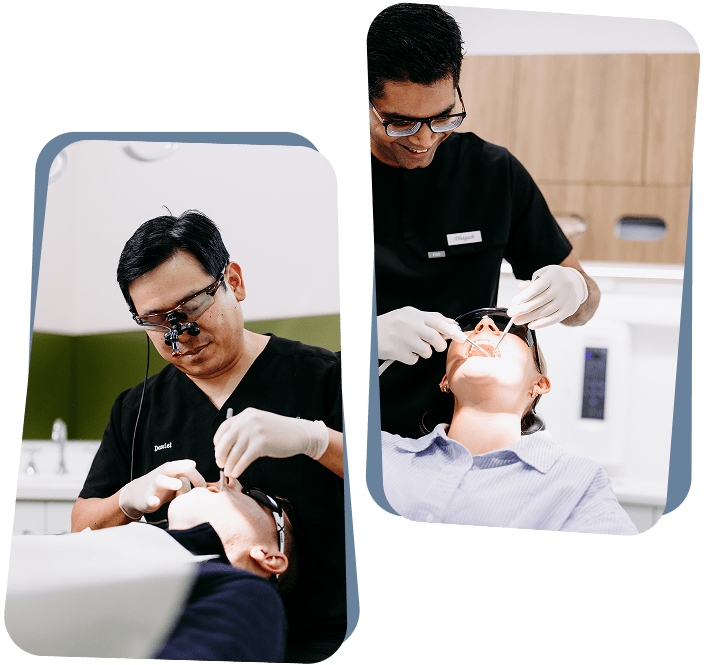

Your Smile, Restored with Care
Tooth Fillings in Bunbury for Stronger, Healthier Smiles
Tooth Fillings Help Restore Strength to Decayed Teeth
Common Signs You
May Need a Filling
- Tooth Sensitivity
You might notice sharp discomfort when consuming sweet, hot, or cold items. This sensitivity may indicate worn enamel or early decay. It’s recommended to have it assessed early to help prevent the issue from developing.
- Visible Hole
A small hole in your tooth may be an early sign of decay. This often means bacteria have worn through the enamel. A dentist can assess the area and discuss suitable restorative treatment options.
- Toothache Pain
Persistent or occasional tooth pain may be a sign of decay. This discomfort can worsen if the affected area is not addressed. An examination can help identify the cause and whether a filling may be suitable.
- Chipped Tooth
A cracked or chipped tooth may expose the inner dentine layer, making it more vulnerable to bacteria and decay. If left unmanaged, this damage can worsen over time and may require more extensive dental treatment.
Tooth Fillings Offer These Long-Lasting Oral Health Benefits
- Decay Prevention
Fillings are used to seal cavities and cracks, which may reduce the risk of further decay by limiting bacterial entry. This can help support oral function and may assist in preserving natural tooth structure when used in conjunction with good oral care.
- Tooth Appearance
These restorations may support damaged teeth by filling cavities, which can help with normal chewing and, in some cases, reduce the risk of further wear. This approach aims to maintain the remaining tooth structure and to help preserve everyday oral function and comfort.
- Natural Appearance
Tooth-coloured fillings are designed to match your surrounding teeth closely. They provide a discreet option that supports cosmetic appearance and tooth structure. Patients often prefer them for visible areas, as they maintain a more natural-looking smile.
- Reduced Sensitivity
By covering exposed dentine, tooth fillings may reduce sensitivity to temperature and sugar, allowing for easier eating and drinking. This may help reduce discomfort during meals and contribute to maintaining oral health.
Start with a Dental Consultation in Bunbury
Are you ready to prioritise your oral health? Book a consultation with our friendly team to discuss your needs and explore suitable treatment options.
Why Choose Eversmile Dental
-
- Proudly Bunbury Locals
- We don’t just work in Bunbury—we call it home. We raise our kids here, support local schools, and shop at the same weekend markets. We’re part of the fabric of this town, and we’re deeply connected with the people we serve. When you visit Eversmile Dental, you’ll be cared for by dentists who are part of the Bunbury community.
-
- Serving Since 2006
- Founded by Dr. Daniel Tham in 2006, Eversmile Dental has been part of Bunbury for nearly two decades, providing care for local families. We’re proud of our history and even more excited about where we’re heading as we continue caring for generations of local families.
-
- Dental Care for All Ages
- From a toddler’s first visit to helping grandparents maintain healthy gums, we tailor care for every age. We offer flexible appointment options and a supportive approach to make family visits easier. Our goal is to create a welcoming environment where dental care feels familiar and approachable.
-
- Personalised Care Plans for Your Needs
- You’re not just a number. At Eversmile Dental, we listen carefully, explain your options clearly, and work with you to create a plan that aligns with your goals. Whether you’re nervous, curious, or just want a second opinion, we’ll guide you with open communication and informed choices.
-
- Our Commitment to Professional Standards
- Honesty, integrity, and professional responsibility guide our care at Eversmile Dental. We clearly explain your treatment options and give you the opportunity to make informed choices without pressure. Our focus is on clear communication, professional advice, and delivering dental care in accordance with recognised standards.
-
- Modern Technology for Accuracy in Diagnosis and Treatment
- We’ve invested in modern dental technology, like 3D scanners, CBCT imaging, and EMS Airflow. Why? These tools assist with diagnosis and treatment planning in dental care.

Frequently Asked Questions
How long do tooth fillings last?
A common question we hear is, “How long will my filling last?” While the ideal lifespan isn’t the same for everyone, it depends on several personal and treatment-related factors. If you’re considering composite fillings in Bunbury, you’ll be glad to know they’re designed to be both durable and match your tooth colour. Here’s what to keep in mind:
- The material used can significantly affect the longevity of a filling. Tooth-coloured composite fillings may wear differently than silver (amalgam) fillings, depending on where they’re placed in the mouth.
- Fillings in back teeth often endure more chewing pressure, which may cause them to wear down more quickly. This additional pressure can lead to faster wear than fillings on front teeth, which experience less chewing load. We take this into account when choosing the right material for each patient.
- Good oral hygiene plays a major role in preserving your fillings. Brushing, flossing, and regular dental checkups help prevent new decay from forming around the filled tooth.
- Habits such as teeth grinding or chewing hard foods can affect the longevity of a filling. If we notice signs of teeth grinding, we may recommend preventive care, such as a custom-fitted night guard.
- We regularly check your fillings during your checkups. If we notice signs of breakdown or leakage, we’ll let you know if it’s time for a replacement.
While fillings have a limited lifespan, they can continue to serve their purpose effectively with consistent care. Maintaining good oral hygiene and attending regular dental visits helps prolong the function of your fillings. If you have concerns about an existing filling, our dental team is here to help.
Are fillings painful to get?
One of the common questions we hear from patients seeking dental fillings in Bunbury is what the treatment involves. We aim to explain the steps clearly so you know what to expect. Below, we’ve outlined what typically happens before, during, and after a tooth-filling procedure.
Before the Treatment:
- Before starting the procedure, we carefully explain what will happen so you feel informed and in control.
- We will apply a local anaesthetic to numb the area around the tooth. This helps prevent you from feeling pain during the treatment.
- If you feel anxious about dental procedures, please let us know. Our team can take additional steps to support your comfort throughout your visit.
During the Treatment:
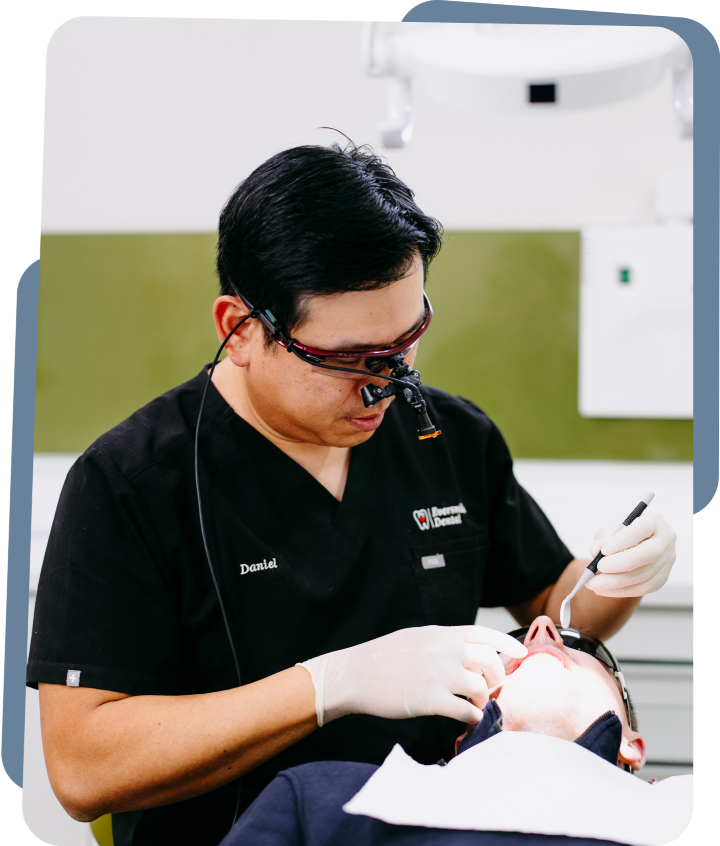
- Once the area is numb, we gently remove the decayed portion of your tooth using dental instruments.
- You may feel slight pressure or vibration, but you should not feel any sharp pain.
- Many patients find the procedure manageable with local anaesthesia.
After the Procedure:
- Once the numbness wears off, some patients notice mild sensitivity, especially when biting or eating hot or cold foods. This sensitivity is usually temporary and often subsides within a few days.
- We’ll provide you with simple aftercare tips to help reduce sensitivity and protect the tooth that has been filled.
- If you experience any ongoing discomfort (which is uncommon), our team can review the area to check if healing is progressing as expected.
At Eversmile Dental, our goal is to provide dental filling treatment using established techniques and materials. Local anaesthetic is generally used to minimise discomfort during the procedure. Some patients may notice temporary sensitivity afterwards, which usually improves within a few days. We will provide appropriate aftercare advice and check your fillings during routine appointments to help maintain your oral health.
How much do dental fillings cost in Bunbury?
At Eversmile Dental, we aim to provide upfront information about expected costs so you can make informed decisions about your dental care options. Filling costs vary based on the tooth’s location and the size and complexity of the restoration needed. It can also vary depending on the dental clinic’s location and the dentist’s level of experience.
- The following prices are indicative only and may vary depending on individual treatment needs. A full quote will be provided after your consultation.
- Simple Filling – Front Tooth:
A small filling on a front tooth generally costs between $170 and $310. The final cost depends on the extent of tooth structure that needs to be restored and the materials used. - Simple Filling – Back Tooth:
For a standard filling on a back molar, expect a cost of $185-$310. These teeth handle more pressure, which can influence the material and shaping needed. - Complex Filling – Front Tooth:
A more involved filling on a front tooth ranges from $320 to $460. This applies to cases where the filling covers multiple surfaces or restores more extensive damage. - Complex Filling – Back Tooth:
Large fillings on molars, especially those involving deeper decay or broader surface areas, usually range from $325 to $490.
- Simple Filling – Front Tooth:
- Location and Dentist Experience Matter:
Filling costs can vary based on the dental clinic’s location and the dentist’s experience. For example, clinics in metropolitan areas may charge different fees than those in regional areas. They may also differ depending on your dentist’s training background and years of experience.
At our dental clinic, we aim to offer treatment plans tailored to your clinical needs. Before any treatment begins, we’ll walk you through your personalised treatment plan. This includes a detailed cost estimate so you understand your treatment and associated costs in advance. To arrange a consultation for tooth fillings in Bunbury, please contact our team.
Are dental fillings worth it?
Yes, dental fillings are commonly recommended to restore tooth structure and reduce the risk of further decay. Unadressed cavities can sometimes progress to infections or fractures. In many cases, a filling may help preserve your natural tooth structure and reduce the likelihood of needing more complex care. Addressing the issue early is often simpler, more cost-effective, and less invasive.
Do fillings need replacing?
How do I know if a filling needs to be replaced?
Many people ask, “How do I know when a filling needs to be replaced?” While fillings are durable, their longevity can vary depending on the material used and your oral hygiene habits. Here are some clear signs to watch for:
- You’re experiencing tooth sensitivity or discomfort:
If a previously filled tooth becomes sensitive to hot or cold foods, it may be a sign of a problem. This sensitivity could indicate that the filling has worn down, cracked, or separated from the tooth. - You notice a visible crack or wear in the filling:
Fillings can deteriorate over time, especially under heavy chewing forces. If you see a dark line, a chipped edge, or an uneven filling, it’s worth having it checked. - You feel a rough or sharp spot with your tongue:
A smooth filling should blend in with the natural shape of your tooth. If it suddenly feels rough, sharp, or “different,” it may be breaking down or shifting. - Advanced dental imaging shows decay beneath or around the filling:
Sometimes, a failing filling isn’t visible to the naked eye or noticeable to the patient. However, X-rays or CBCT scans can reveal if decay is developing underneath or in the surrounding area. - Your filling was placed a long time ago:
While the lifespan of fillings varies, older fillings should be routinely monitored. We may recommend replacement before problems develop.
If you’re unsure whether a filling needs review, our team can examine it during your appointment. We use digital imaging (CBCT) to accurately assess the condition of your teeth and existing fillings. This helps identify issues early and supports ongoing oral health.
What happens if I wait too long to get a filling?
Can I get a filling without an injection?
Yes, in some cases, a filling can be placed without an injection, depending on the tooth and the depth of the cavity. We assess the extent of decay to determine if numbing is necessary. Shallow or early-stage cavities may not require local anaesthetic at all. However, we’ll always prioritise your comfort and discuss the most suitable approach for you.
For patients anxious about needles, we can use techniques to minimise discomfort or consider alternatives when appropriate. Some newer materials and minimally invasive approaches can reduce the need for injections. That said, deeper cavities near nerves often require numbing to avoid pain during treatment. We will explain all available options, including sedation where appropriate, to help you make an informed decision.
Are white (composite) fillings safe and effective?
It’s normal to have questions about the materials used in dental treatments. We regularly use composite fillings at our clinic. They’re widely used in dentistry and are considered biocompatible when placed by trained professionals with approved materials and techniques. Here’s what you need to know about their biocompatibility and effectiveness:
- Biocompatible Materials:
White fillings are made from a composite resin that’s been extensively tested for use in the human body. The materials are biocompatible, which means they’re designed to work compatibly with your natural tissues. - Mercury-Free Alternative:
Unlike amalgam fillings, composite fillings do not contain mercury. For patients who prefer a metal-free option, white fillings are a widely used choice that offers durability and a tooth-coloured appearance. - Versatile for Front and Back Teeth:
White fillings can be used in visible front teeth and molars, depending on the size and location of the cavity. While larger restorations may sometimes require other materials, we aim to recommend the most suitable option for your situation. - Minimally Invasive:
Composite fillings in Bunbury offer patients a conservative option that preserves more of their natural tooth structure. They are a minimally invasive option that is designed to closely blend with your teeth.
Our team is available to discuss the advantages and limitations of white fillings with you. We’ll work with you to identify a suitable approach based on your clinical needs.
How many times can the same tooth be filled?
Various Payment Options Available
Book Your Appointment Online or Call Our Bunbury Dental Clinic Today
Book an appointment with our dentist in Bunbury to discuss your oral health needs. We provide tailored dental treatments and clear information to support informed decisions about your dental care.