
Tooth Pain? We’re Here to Help

Urgent Dental Care For Toothache in Bunbury

If you’re experiencing a toothache in Bunbury, Eversmile Dental can assess your symptoms promptly. Our team provides professional care that aims to reduce discomfort and determine the underlying cause.

What a Toothache Might Mean and Why You Shouldn’t Ignore It

Toothaches often signal issues such as decay, infection, or injury, even when the symptoms feel manageable. Delaying treatment may allow complications to develop in nearby teeth or gums. At Eversmile Dental, we can usually arrange timely assessments to identify the cause and explain your options. Our team will help manage discomfort and support your ongoing dental health.

Common Causes of Toothaches

  • Tooth Decay
    Tooth decay develops when plaque bacteria produce acids that gradually wear down enamel. This can lead to cavities, sensitivity, or persistent discomfort, especially when eating sweet, hot, or cold foods or drinks.
  • Gum Disease
    Gum inflammation, such as gingivitis or periodontitis, can cause swelling, bleeding, and aching teeth. As the condition progresses, it may affect the gums and surrounding bone, leading to pain and potential changes in tooth stability.
  • Dental Abscess
    An abscess forms when infection builds up in or around a tooth. It often causes severe, throbbing pain, swelling, a bad taste in the mouth, or fever. It may require urgent dental assessment.
  • Cracked Tooth
    A tooth can crack from injury, clenching, or biting hard substances. These cracks may expose sensitive layers, resulting in sharp pain or sensitivity when chewing or when exposed to temperature changes or pressure.

When to See an Emergency Dentist for a Toothache

  • Swelling or Fever
    Facial swelling, gum inflammation, or fever can indicate a spreading infection. These symptoms may require urgent dental care to prevent complications and reduce discomfort. They are important signs to seek dental advice, even if mild.
  • Throbbing, Persistent Pain
    If tooth pain becomes constant or severe, it may involve the nerve or deeper tissues. Throbbing pain that disrupts sleep or daily tasks should be professionally assessed. It can sometimes signal an underlying infection.
  • Bad Taste or Odour
    A lingering bad taste or a strong mouth odour could indicate an infection or abscess. These may release pus or bacteria that may require prompt dental assessment. It may also indicate advanced decay or gum issues.
  • Pain when Biting
    Pain or pressure while chewing may suggest a fracture, cavity, or infection. If it worsens with pressure, it would be appropriate to have this reviewed. Ignoring it may lead to further damage or discomfort.

Don’t Delay Your Dental Care — We’re Here to Help

Urgent dental care is available at Eversmile Dental in Bunbury when you need it. Get in touch to arrange a timely appointment and discuss your dental concern with our team for appropriate care and advice.

Eversmile Dental

What to Expect During Your Emergency Toothache Appointment in Bunbury

A dental emergency can feel stressful. At Eversmile Dental, we follow a clear process to support you from arrival through aftercare.

At Eversmile Dental, you’ll be welcomed by the reception team and guided through the check-in process. The dentist will ask about your symptoms, how long they have been present, and how they affect your daily activities. This helps determine urgency and prioritise care. The process is explained step by step. You will have opportunities to ask questions so you feel informed about how your concerns are being managed.

Your dentist will begin with a clinical examination of your teeth, gums, and surrounding areas. We may take X-rays if needed to check for decay, cracks, or infection. This assessment provides information about the underlying cause of your toothache and helps guide treatment planning. Findings and next steps will be explained clearly, so you understand how each part of the examination relates to your care.

After identifying the cause of your toothache, the dentist will explain the findings and outline appropriate treatment options. These may include a tooth filling, emergency root canal therapy, or extraction, depending on your condition. Recommendations are personalised, and the risks and benefits of each procedure are discussed clearly. You will be given time to think about your options and to raise questions before any treatment begins.

If you are experiencing pain, the dentist will work toward relieving discomfort, where appropriate. This may include a temporary filling, prescribed medication, or emergency treatment such as a root canal or extraction. The immediate goal is to reduce discomfort and stabilise the affected area. Each step is explained in plain language, and questions are welcomed so you remain informed and involved in your treatment.

After the immediate concern is managed, the dentist will discuss suitable next steps. Follow-up care may include a scale and clean, wisdom tooth review, or restoration planning. Each option is explained in context, including its role in supporting long-term oral health. You’ll receive information on why follow-up matters, along with the chance to ask about any concerns, helping you prepare for ongoing care and future prevention.

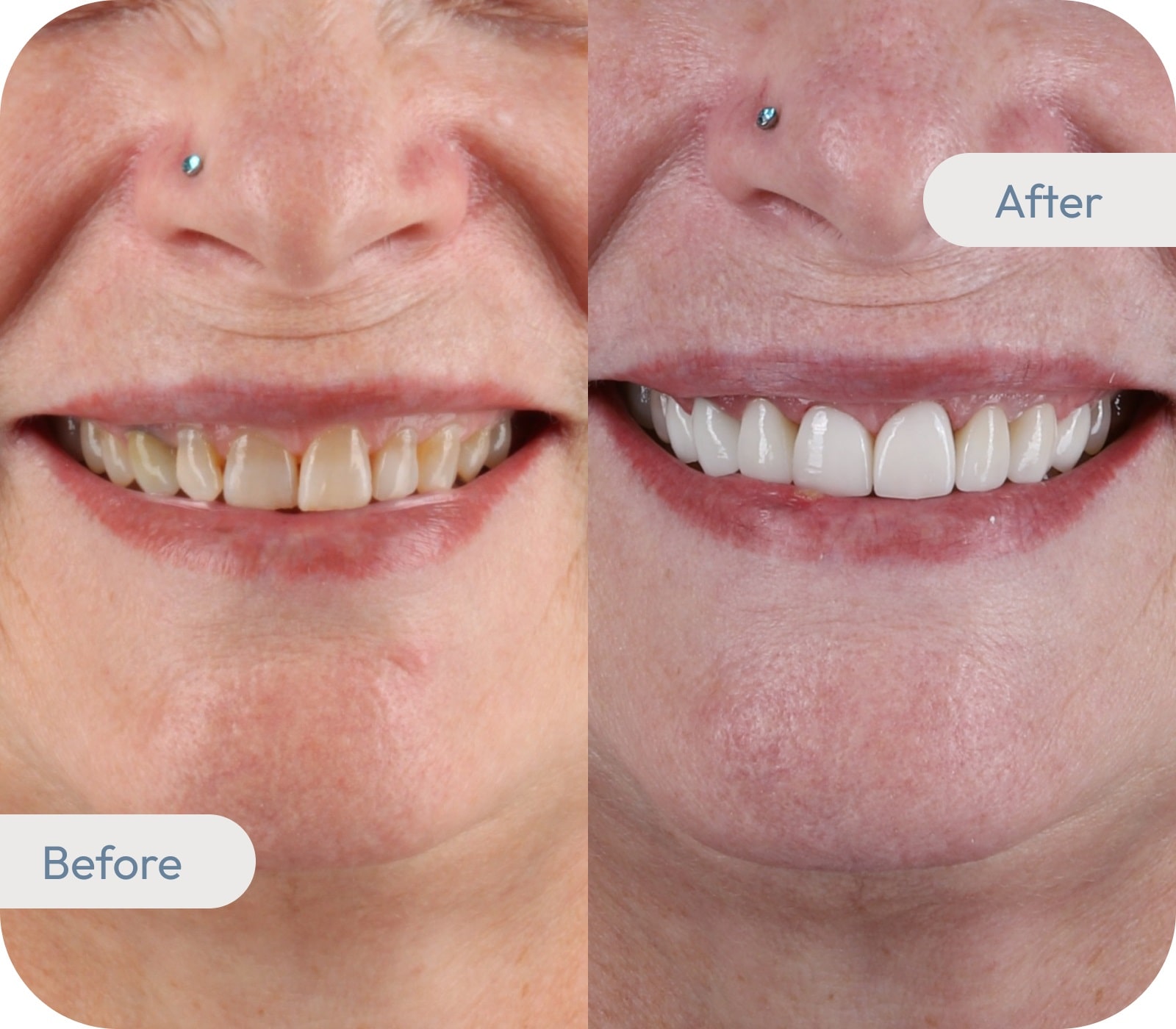
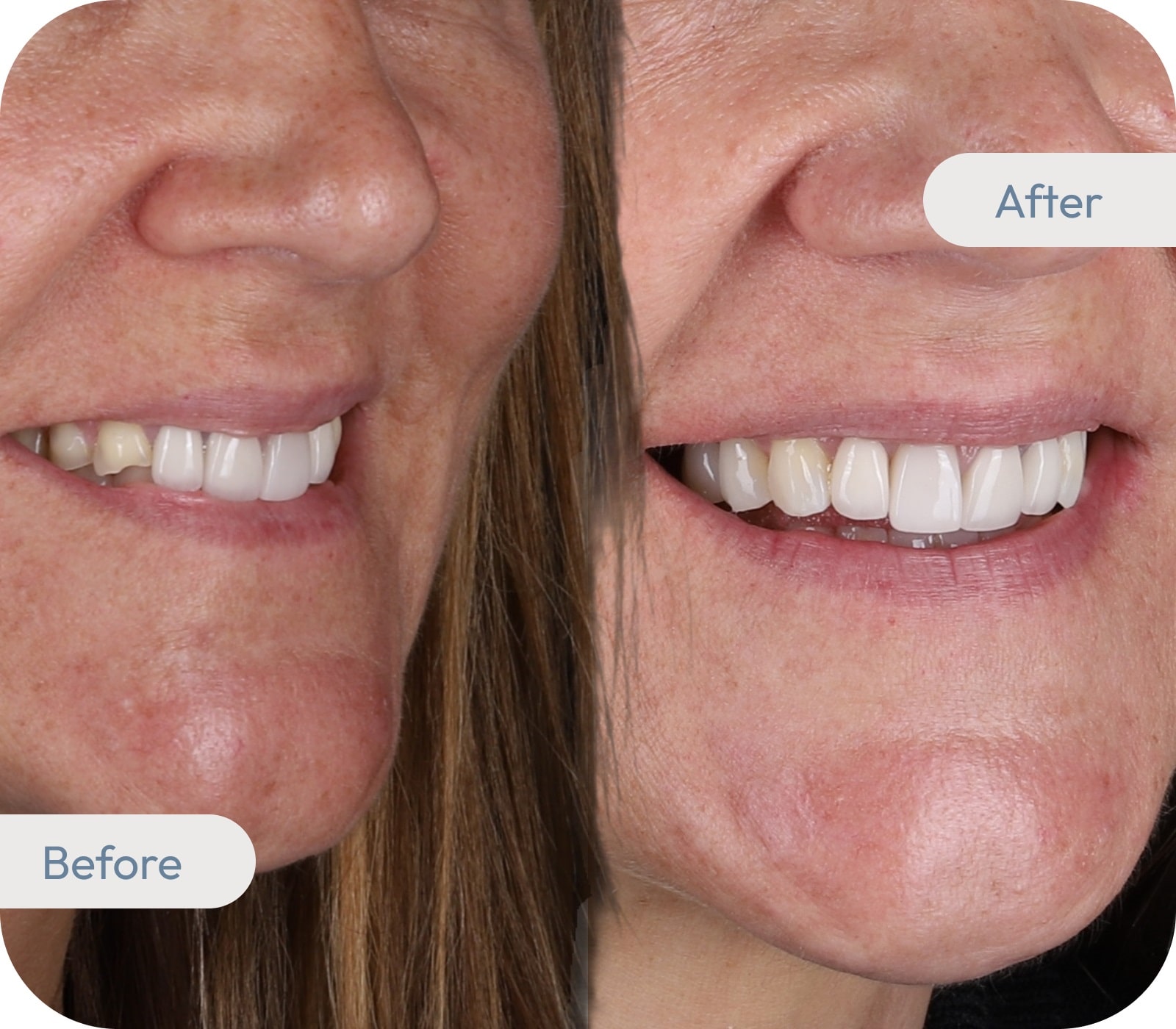
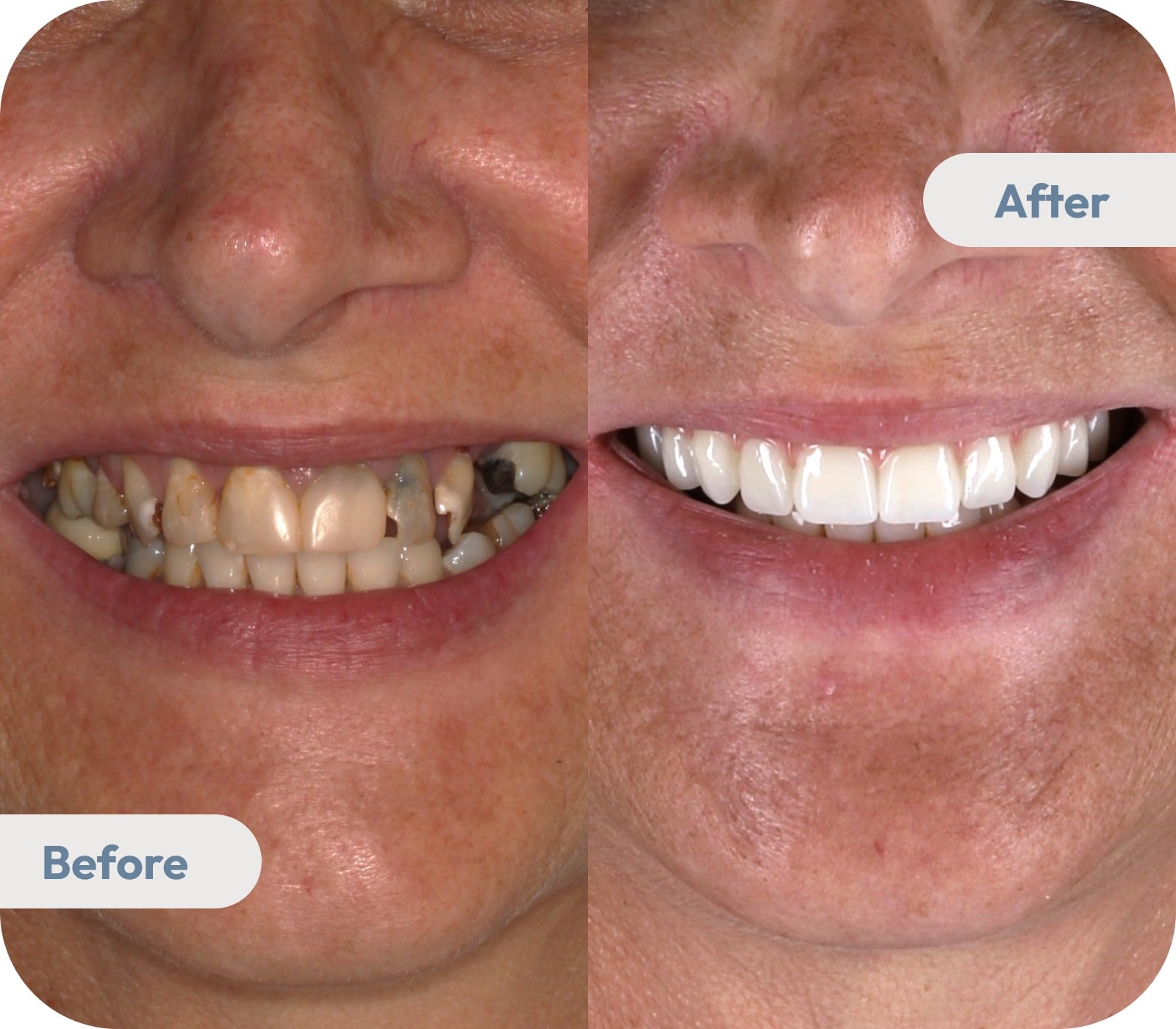
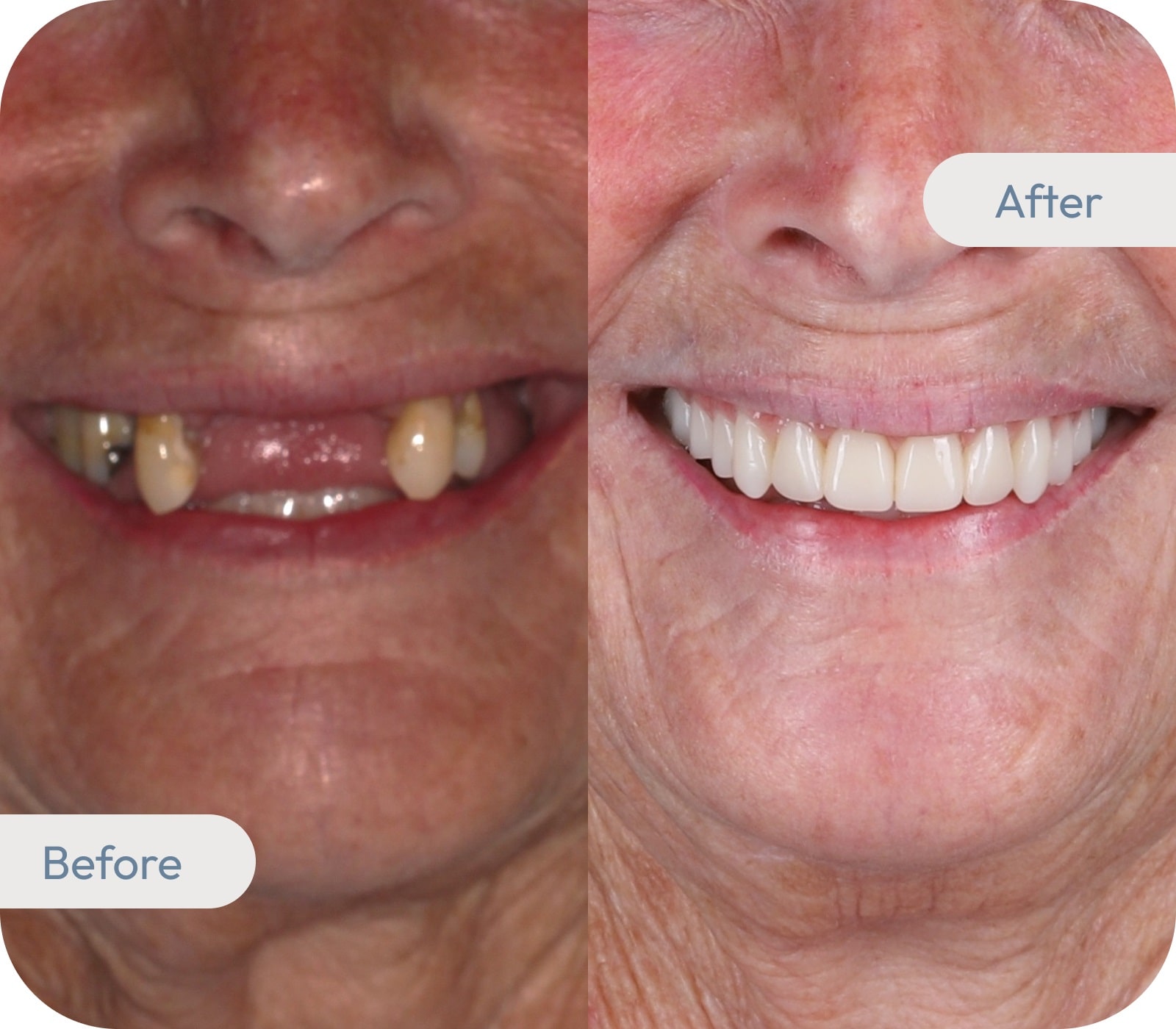
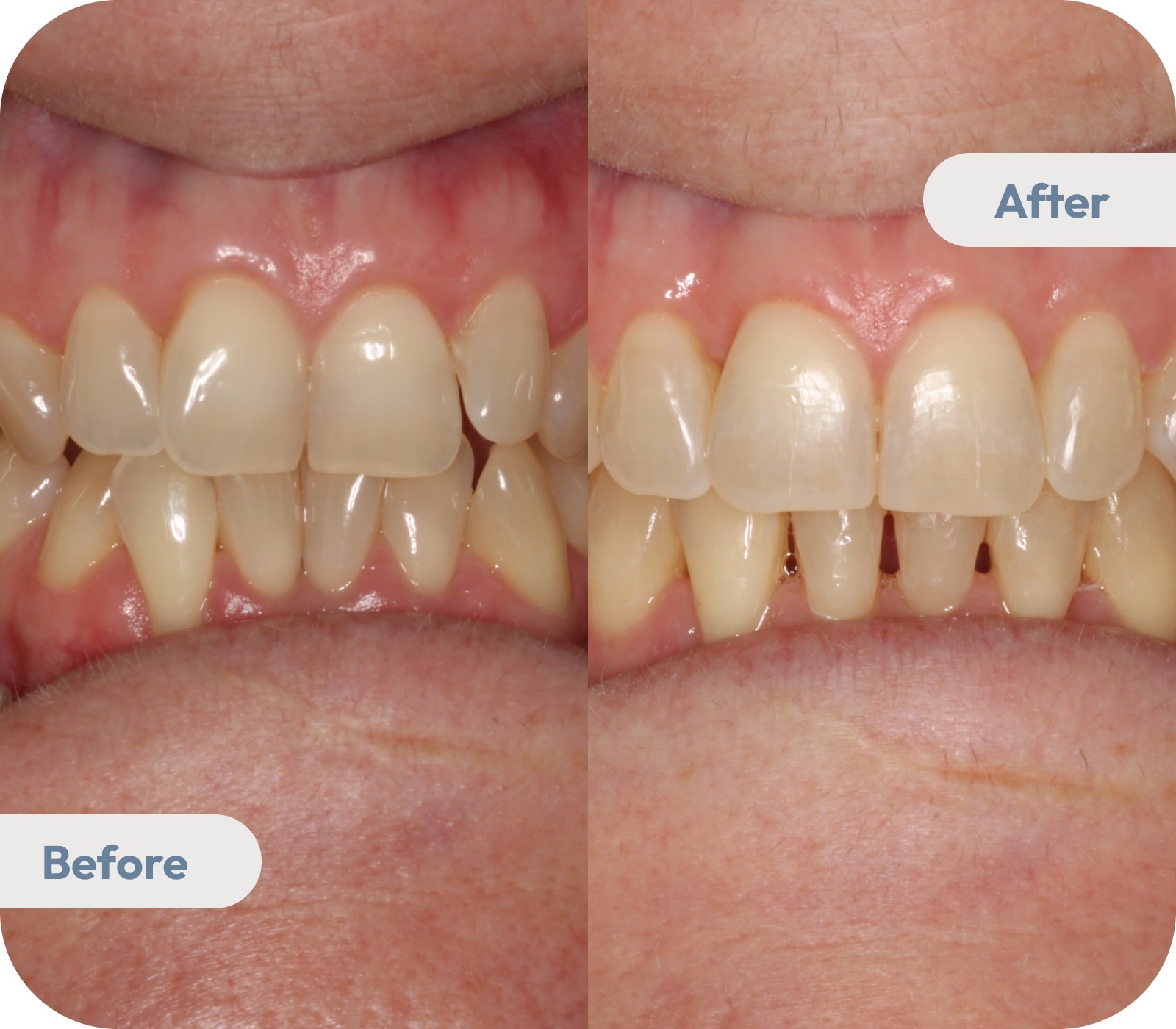
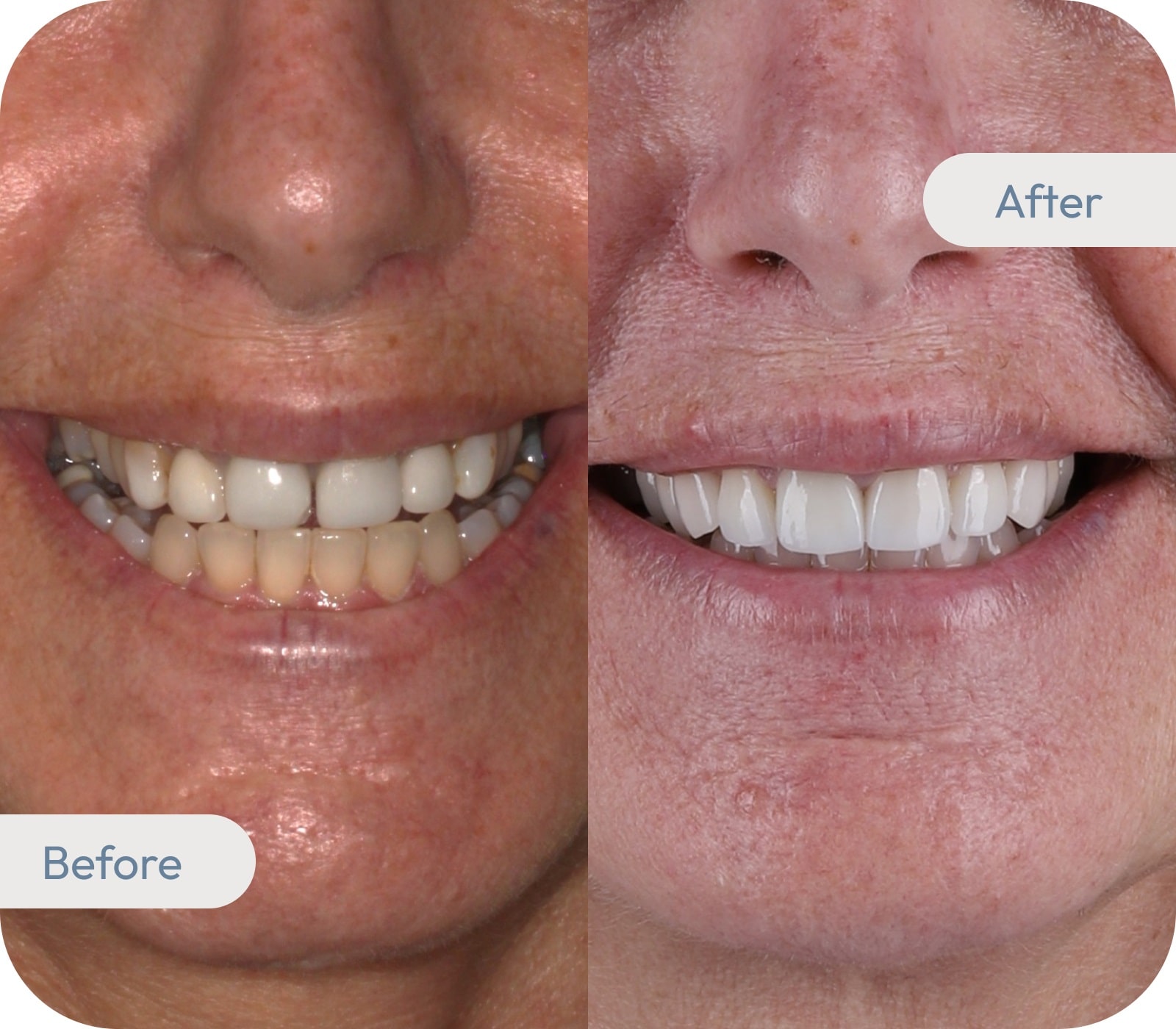
Smile Gallery – Before and After Treatment Examples

Explore real treatment outcomes in our gallery. These before-and-after photos show actual patients of Eversmile Dental, displayed with their consent. Outcomes vary between individuals, and results are not guaranteed. Images are unedited and taken under comparable conditions to reflect realistic treatment outcomes.

*These images display actual patients of our clinic. Every case is different, and treatment outcomes can vary according to individual conditions and needs.

Supporting Bunbury with Urgent Dental Care

When a dental emergency occurs, timely professional attention is important. At Eversmile Dental, we offer same-day emergency appointments whenever possible. Our focus is on providing prompt assessment and treatment planning to help manage urgent dental needs. Our team is available to assist patients with a wide range of emergency situations.

Explore Our Dental Implant Information Pages and Resources

Explore helpful, easy-to-understand information about dental implants. These pages cover treatment options, procedures, care, recovery,and what to expect at each stage.

1

Types of Dental Implants

2

Dental Implant Procedure

3

Dental Implant Benefits

4

Dental Implant Costs
and Financing

5

Dental Implant Care
and Maintenance

6

Dental Implant Success and Recovery

Frequently Asked Questions

Many people experience uncertainty when dealing with dental pain. These questions can help guide your next steps and provide general information about seeking care.

Why is my toothache worse at night?

Toothaches often feel worse at night due to changes in blood flow and reduced distractions. When you lie down, increased blood pressure in the head can intensify inflammation around an affected tooth. Without the distractions of daily activity, you’re more aware of the pain.

Nighttime tooth pain may also be caused by grinding or clenching your teeth during sleep, a condition known as bruxism. This can worsen existing sensitivity or damage.

Toothaches that worsen at night can be assessed by an emergency dentist in Bunbury. In some situations, the clinic may be able to arrange an appointment on the same day, depending on clinical urgency and scheduling.

If you’re dealing with severe tooth pain at night, there are a few steps you can take to ease the discomfort until you can see a dentist.

Here are some short-term strategies you can try until your appointment:

Some people find temporary relief with general pain medicines. These should only be used as directed on the packaging. A pharmacist or doctor can provide advice if you are unsure.

  • Keep your head elevated with extra pillows. Lying flat can increase blood flow to the head and worsen the pain.
  • Apply a cold compress to the outside of your cheek for 15-minute intervals to reduce inflammation and numb the area.
  • Avoid hot, cold, or sugary foods and drinks, as they can trigger sensitivity.
  • Rinse with warm, salty water to help reduce bacteria and inflammation.
  • Avoid chewing on the affected side to prevent further irritation.

These measures may offer temporary relief, but they won’t address the underlying cause. If you are in Bunbury and experiencing ongoing or severe pain, you may be able to access an emergency dental appointment, depending on the clinic’s assessment of urgency.

In most cases, a dentist is the most appropriate person to assess the cause of a toothache. Dental clinics like Eversmile Dental are equipped to examine the affected area, perform diagnostic imaging if needed, and discuss appropriate next steps based on your condition.

However, there are times when hospital care is necessary. Hospital assessment is important if you have any of the following:

  • You have swelling in your face, neck, or jaw that makes it difficult to breathe or swallow.
  • You are experiencing a fever, chills, or general unwellness, along with tooth pain.
  • You have sustained trauma to your face or jaw, such as after a fall or accident.
  • The swelling is spreading quickly or has moved close to your eye or down your neck.

These symptoms may indicate a more serious condition that needs urgent medical attention. If your pain is severe but none of these symptoms are present, a dentist can assess the situation. Emergency appointments may be available on a case-by-case basis, depending on clinical urgency.

No, a tooth infection does not usually improve without professional care. While symptoms such as pain or swelling might temporarily ease, this does not mean the infection has gone. Bacteria can remain active and spread to surrounding tissues, the jawbone, or the bloodstream if the cause is not addressed.

Without professional assessment, an infection can worsen and lead to complications. If you notice any of the following, a dentist should review your situation promptly:

  • You feel a persistent, throbbing pain in your tooth or jaw.
  • There is visible swelling in your cheek, gum, or jaw.
  • You notice a bad taste or smell in your mouth, which may indicate pus.
  • Your tooth becomes increasingly sensitive to hot or cold.
  • You develop a fever or feel unusually tired, which could indicate systemic involvement.

Depending on how your symptoms present and what times are currently open, the clinic may suggest an earlier appointment.

Tooth pain that is sharp, persistent, or worsening over time is often a sign that something more serious is going on. While mild discomfort from temperature sensitivity or pressure may not require immediate attention, certain symptoms indicate it would be appropriate to seek dental advice.

Here are signs that your tooth pain may indicate an underlying problem:

  • Your tooth pain has lasted more than a day or two without improving.
  • The pain is keeping you awake or interfering with daily activities.
  • You notice swelling in your gums, face, or jaw near the painful area.
  • There is visible discolouration or darkening of the tooth.
  • You feel pain when biting or applying pressure to the tooth.
  • You experience a foul taste in your mouth or notice pus near the gumline.

If you are experiencing a toothache in Bunbury and notice these symptoms, a dentist can review the situation and discuss appropriate next steps. It is always better to investigate the cause early rather than delay and risk further progression.

Throbbing tooth pain is often a sign of inflammation or infection deep within the tooth or surrounding tissue. This type of pain often continues without treatment and may become more severe if not managed by a dentist.

Several possible causes include the following:

  • There may be decay that has reached the inner layer of the tooth, where the nerve is located.
  • An infection might be present in the pulp or root of the tooth.
  • The surrounding gum tissue could be inflamed or affected by periodontal disease.
  • A cracked tooth or a failing filling may be contributing to the discomfort.
  • You may be clenching or grinding your teeth, especially while sleeping.

For patients seeking toothache relief in Bunbury, an early dental assessment may help prevent the problem from worsening. If pain lasts more than a day or two or worsens when lying down or eating, a dentist can review your symptoms and discuss appropriate next steps.

If you’re dealing with sudden tooth pain in Bunbury, there are a few things you can try at home to ease the discomfort while waiting for your appointment.

Here are some short-term strategies to consider:

  • Some people use general pain medicines for temporary relief. These should only be taken as directed on the packaging. A pharmacist or doctor can provide further advice if needed.
  • Rinsing your mouth gently with warm, salty water can help reduce bacteria and soothe the tissue.
  • Avoid very hot, cold, or sweet foods and drinks, as these may increase sensitivity.
  • Applying a cold compress on the outside of your cheek in short intervals may ease pain or swelling.
  • Keeping your head slightly elevated, especially when lying down, may help reduce pressure and discomfort.
  • If chewing is painful, eat soft foods and avoid chewing on the affected side.

These measures may provide temporary relief, but it would be appropriate to follow up with a dentist for tooth pain as soon as possible. In some situations, the clinic may be able to arrange an urgent consultation, depending on clinical priority and scheduling.

Tooth pain often signals that something in the mouth may need dental review. Even if the discomfort fades, the underlying cause, such as decay, inflammation, or infection, may continue to worsen over time.

If a toothache is ignored, the following outcomes may occur:

  • The pain may return and become more intense or constant.
  • Bacteria from the affected area can spread to the surrounding gums, the jawbone, or other teeth.
  • Sensitivity to temperature or pressure may increase during eating or brushing.
  • Swelling or pressure may develop near the tooth, gums, or face.
  • Symptoms of infection, such as pus or a bad taste in the mouth, may begin to appear.

When care is delayed, there is a higher chance of developing a Bunbury dental emergency that requires urgent attention. Patients seeking toothache treatment in Bunbury can have their symptoms reviewed by a dentist, who will discuss appropriate next steps. In some circumstances, the clinic may provide an appointment on short notice after the dentist evaluates your situation and checks appointment availability.

Various Payment Options Available

Eversmile Dental offers a range of flexible payment options to assist patients in managing the cost of their dental care. Please ask our team for details about the payment plans available.
Right Menu Icon