

Quick Relief. Trusted Local Care.
Support for a Lost Filling or Crown in Bunbury
Why Prompt Dental Care for a Lost Filling or Crown Matters
What Causes a Filling or Crown to Fall Out?
- Tooth Decay
Decay beneath or around a filling or crown can erode supporting tooth structure. This weakens the bond holding the restoration in place, which may increase the chance that it becomes loose or dislodges during everyday use.
- Bite Pressure
Clenching, grinding (bruxism), or chewing on hard foods like nuts and ice can stress dental work. Over time, this pressure may contribute to cracks, loosening, or the restoration becoming completely detached from the tooth.
- Ageing Restorations
Restorations naturally wear down over time due to years of use. Older fillings or crowns may break down, lose their fit, or develop small gaps, which could influence the chance of them falling out or failing.
- Improper Fit
If a crown or filling wasn’t placed with an accurate fit, it may not seal tightly. Small gaps can allow bacteria or movement to weaken the bond between the restoration and the natural tooth.
How to Avoid Repeat Issues with Fillings and Crowns
- Routine Checkups
Regular dental visits every 6 to 12 months help detect early signs of decay, bite changes, or weakening restorations. At our Bunbury clinic, we closely monitor your dental work to identify potential issues early on.
- Custom Mouthguards
Grinding teeth or participating in sports can damage restorations. Eversmile Dental offers custom-fitted mouthguards for adults and children, designed to support comfort and may assist in protecting your teeth while sleeping or during active activities.
- Smart Food Choices
Hard or sticky foods, such as nuts, toffee, or caramel, can dislodge or crack a filling or crown. Bunbury patients are encouraged to eat mindfully and select softer foods as this may lessen the likelihood of future concerns.
- Quality Restorations
Durable materials and an accurate fit can contribute to restorations lasting for extended periods. Eversmile Dental uses durable, well-matched materials to support comfort and function in everyday use.
Don’t Delay Your Dental Care — We’re Here to Help
Urgent dental care is available at Eversmile Dental in Bunbury when you need it. Get in touch to arrange a timely appointment and discuss your dental concern with our team for appropriate care and advice.

What to Expect at Your Emergency Dental Visit in Bunbury
Upon arrival, our team will assess your situation promptly. Patients with more concerning symptoms, including severe pain or swelling, may receive earlier attention. Eversmile Dental offers same-day emergency appointments when available. From the reception desk to the treatment room, we strive to maintain a calm and supportive environment. Our goal is to support your comfort as promptly as possible, so you feel respected and supported throughout your visit.
During your visit, the dentist will perform a thorough and careful examination of the affected tooth and the surrounding area. They will inspect for visible cracks, swelling, sensitivity, or signs of infection. Digital X-rays may also be used to assess hidden damage or root involvement. This step may assist in determining a suitable treatment approach. We aim to support your comfort throughout the exam, and you’re encouraged to ask questions at any time during your appointment.
If your emergency involves a broken crown or a lost filling, your dentist will check whether it can be reused or needs to be replaced. This includes evaluating the integrity of the restoration, how well it fits, and whether the underlying tooth can support it. If the crown or filling no longer appears to support the tooth, alternatives may be discussed. The aim is to maintain tooth structure and function, when appropriate, while preserving as much healthy structure as possible.
Once your dentist has completed their assessment, they will explain all suitable treatment options available to address the problem. Each option will be described clearly, including what the procedure involves, how long it takes, expected outcomes, and any possible limitations. You’ll be supported in asking questions and sharing your preferences. This conversation helps match the treatment plan to your specific needs, comfort level, and long-term oral health goals.
Before any treatment begins, you will receive a detailed, itemised quote outlining the expected fees. Costs may vary based on the type of restoration, diagnostic tests, and treatment complexity. Eversmile Dental provides itemised fee details to help you understand the anticipated costs involved. We can also explain how your health fund may contribute and discuss available payment options, including eligibility for government-supported dental schemes if applicable to your situation.
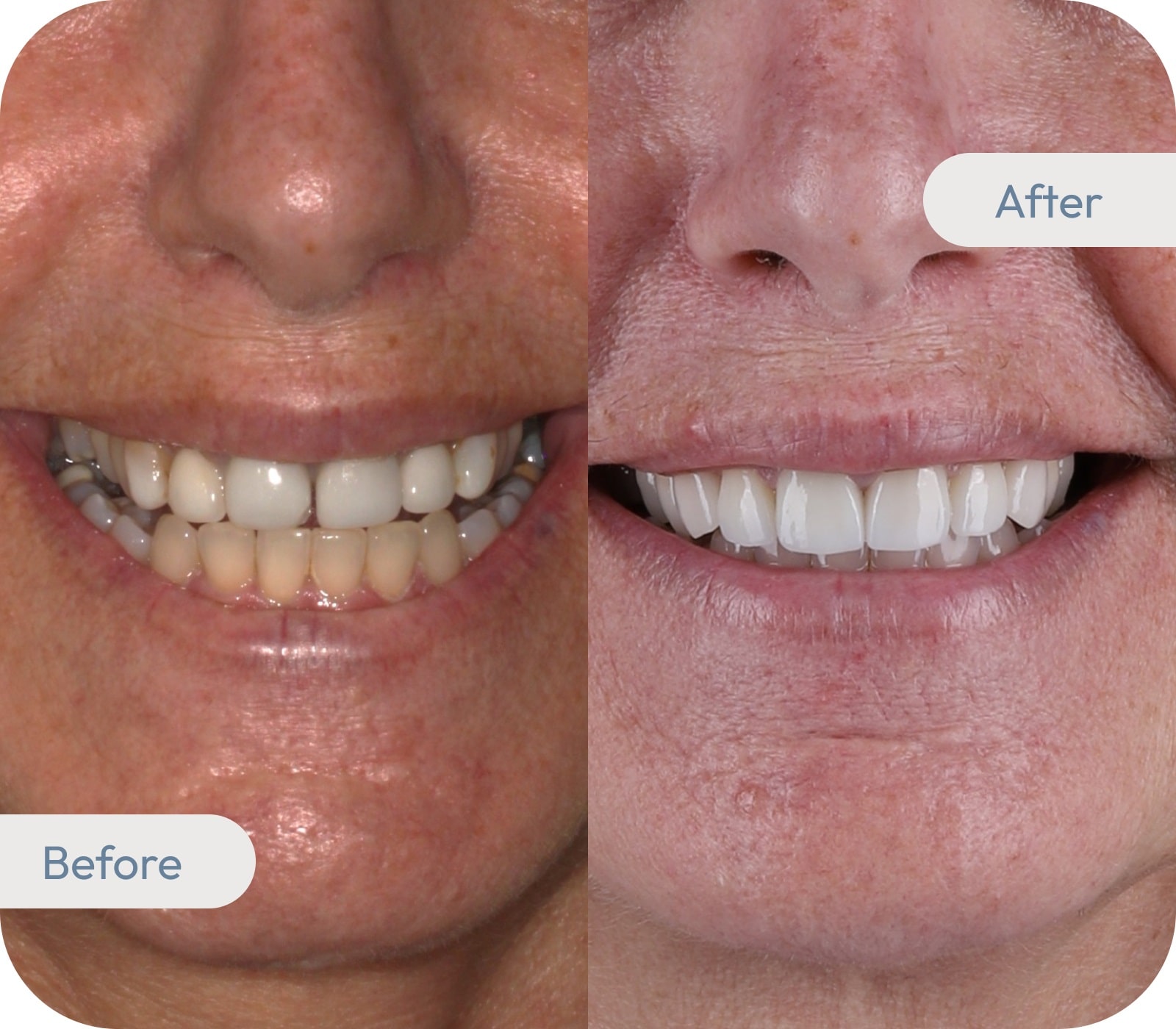
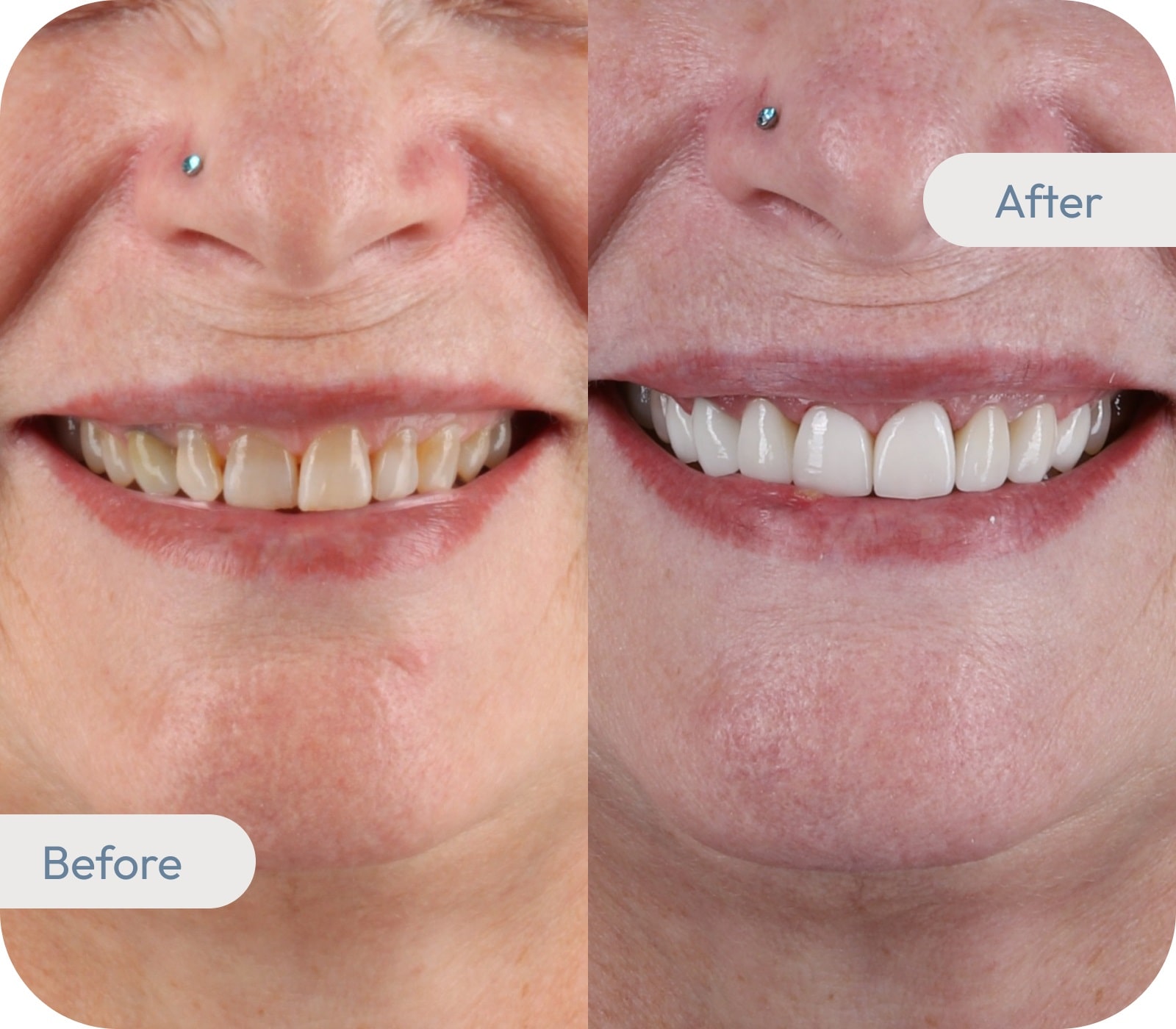
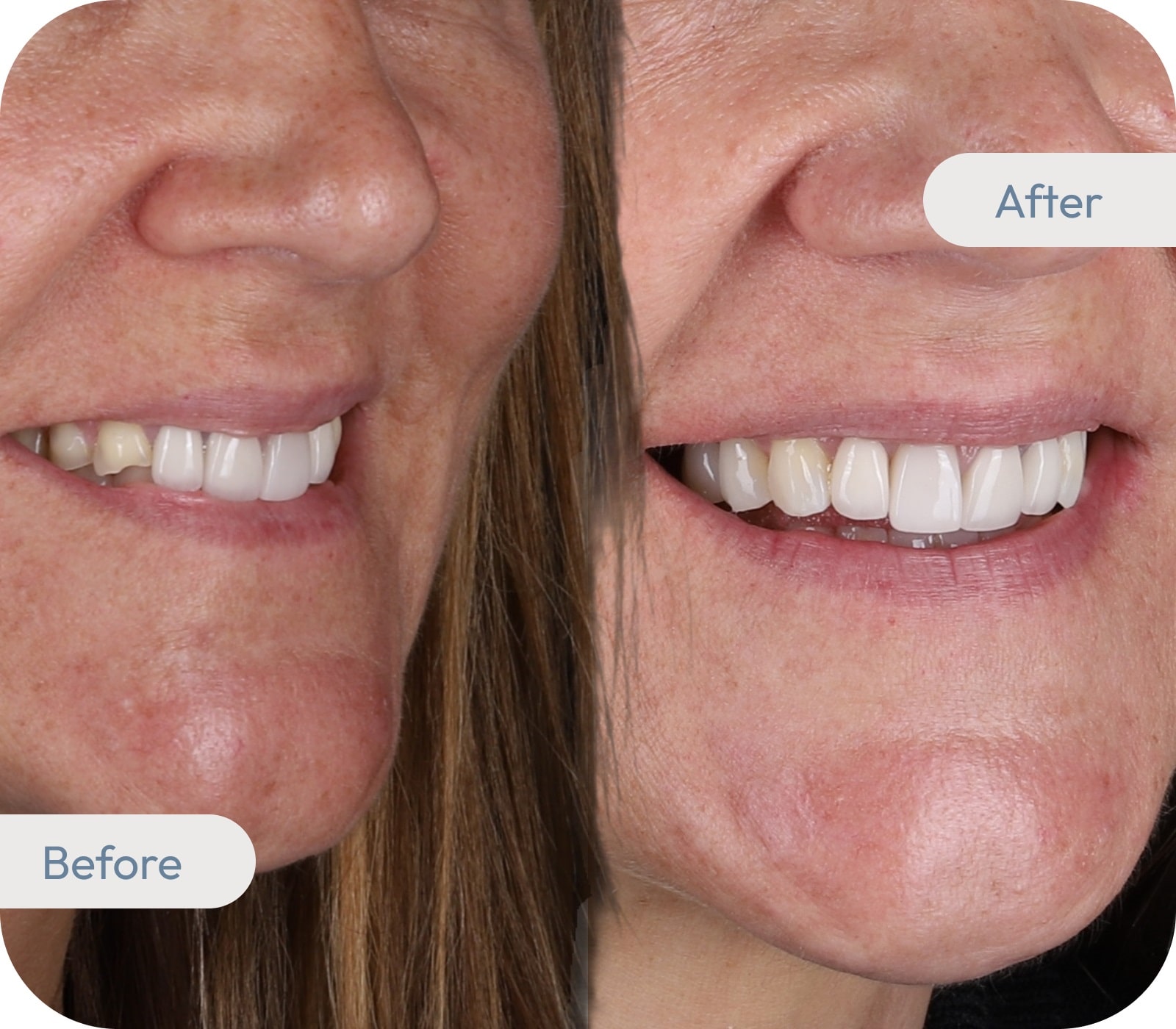
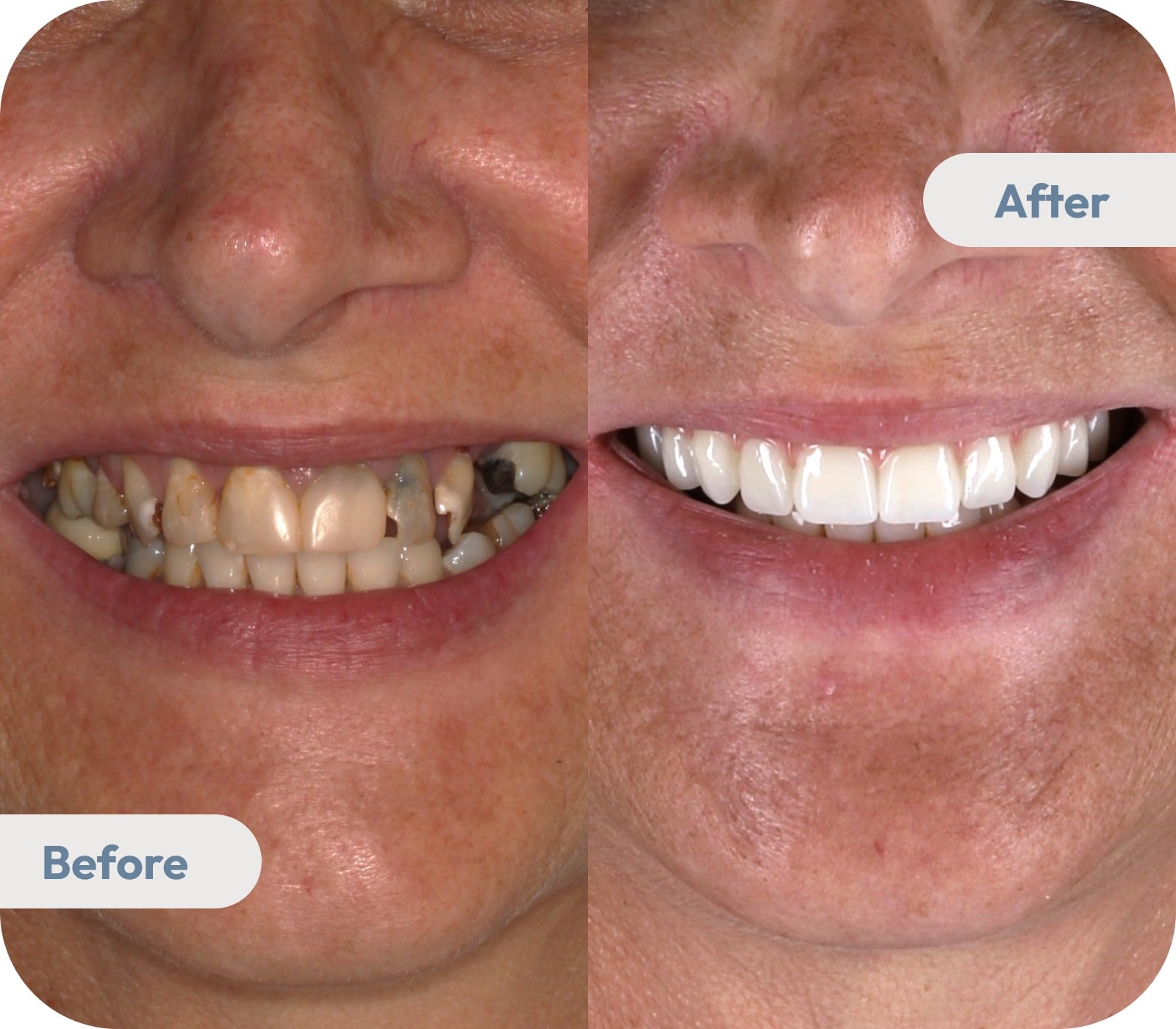
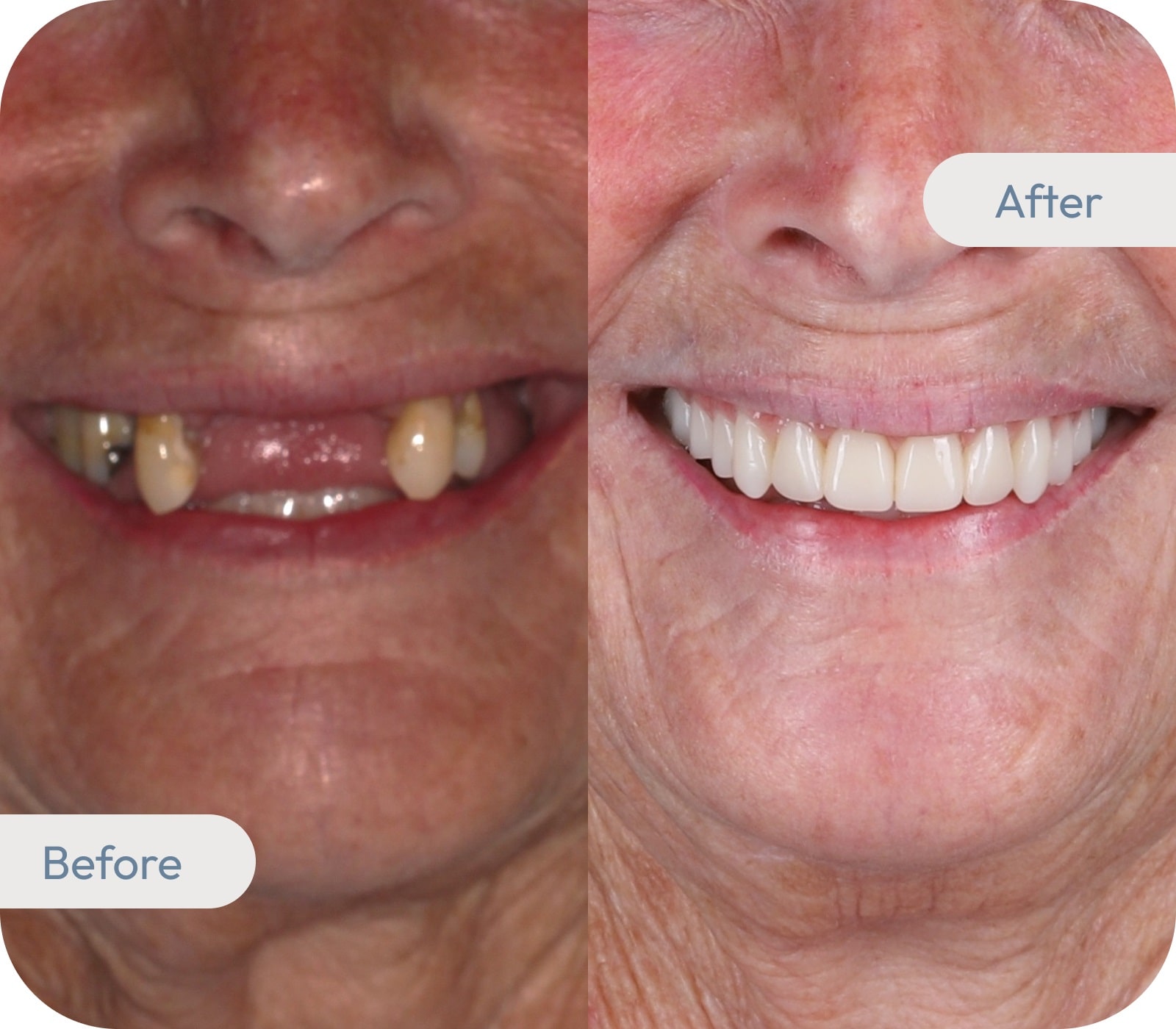
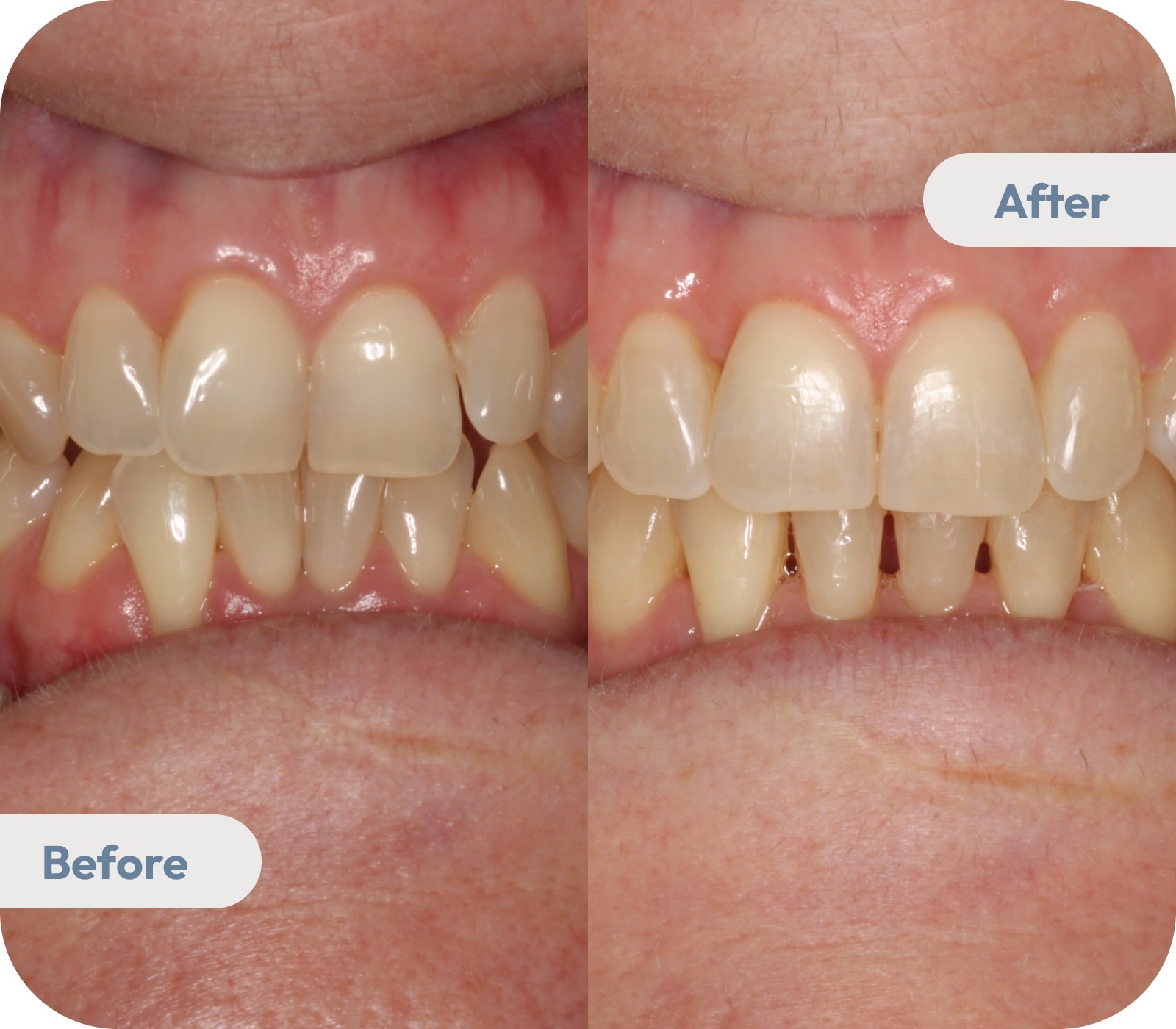
Smile Gallery – Before and After Treatment Examples
*These images display actual patients of our clinic. Every case is different, and treatment outcomes can vary according to individual conditions and needs.
Supporting Bunbury with Urgent Dental Care
-
- Local Team Providing Emergency Dental Services
- We’re part of the Bunbury community, and when you call us in a dental emergency, we provide professional care. Whether it’s a child with a knocked-out tooth or an adult with a sudden toothache, our team will arrange to see you as promptly as possible and explain the treatment process.
-
- Providing Emergency Dental Care in Bunbury Since 2006
- For nearly two decades, we’ve helped Bunbury locals through unexpected dental problems—broken teeth, lost fillings, sudden pain, and more. Our experienced team provides assessment and treatment tailored to the needs of emergency situations.
-
- Emergency Dental Care for Every Stage of Life
- Emergencies don’t just happen to adults. Kids, teens, and older family members all face dental mishaps, too. That’s why we offer emergency care across all ages, whether it’s a sports injury, infection, or a dental problem that’s been quietly getting worse. We manage a wide range of dental emergencies.
-
- Clear Communication and Support in Dental Emergencies
- Dental emergencies can be stressful, and our role is to provide clear guidance. We explain what is happening, outline the treatment options available, and discuss likely costs and expected outcomes. Our approach is to inform patients to help them make decisions about their care.
-
- Consistent Approach to Emergency Dental Care
- Even in a dental emergency, our approach remains consistent. We focus on clear communication, professional standards, and respect for your individual needs. Our team provides treatment recommendations based on clinical assessment and discusses options transparently. You’ll receive practical information and care designed to address your situation appropriately.
-
- Equipped for Emergencies, Prepared for Precision
- Our clinic is equipped with CBCT imaging, digital scanners, and modern diagnostic tools to assist with accurate diagnosis and timely treatment planning. We combine speed with precision, with the aim of providing timely assessment and treatment to help relieve urgent dental issues.

Explore Our Dental Implant Information Pages and Resources
Frequently Asked Questions
Is a lost filling a dental emergency?
In many cases, it may need prompt attention, although the level of urgency varies. Whether a lost filling in Bunbury needs urgent dental care depends on several factors.
It may be more urgent if:
- You’re experiencing pain or sensitivity:
A missing filling may expose the inner part of the tooth, which can cause discomfort when eating, brushing, or drinking hot or cold beverages. - The tooth feels rough or sharp:
The exposed area may irritate your tongue or cheek, increasing the risk of cuts or ulcers. - Food keeps getting stuck in the gap:
Gaps left by a lost filling may collect food and bacteria, which may lead to decay or damage over time.
The tooth is used for chewing. If the filling is in a molar or a heavily used tooth, daily pressure may increase the likelihood of the area weakening or developing a crack.
It may be considered less time-sensitive if:
- There’s no pain or sensitivity:
Some people don’t feel symptoms straight away. Even if it’s not painful, it’s still helpful to have the tooth assessed so any developing concerns can be identified early. - The tooth isn’t used for chewing:
If the filling came from a front tooth or a small, non-load-bearing area, it may not require immediate treatment, although arranging a timely assessment can support ongoing oral health.
If you’ve lost a filling in Bunbury or nearby suburbs, Eversmile Dental offers same-day emergency appointments depending on clinical need and scheduling.
Can I live with a broken filling or crown?
You might be able to cope for a short time, but delaying care may contribute to a higher chance of developing additional concerns. A broken filling or crown may leave parts of the tooth unprotected, which can increase the risk of discomfort or damage.
Here’s why it’s important to follow up with your dentist:
- Higher risk of decay:
Gaps created by a broken restoration can trap food and bacteria, potentially increasing the risk of decay. - Tooth sensitivity:
You may notice sensitivity to hot, cold, or sweet foods and drinks. This occurs when the exposed layer of the tooth reacts to changes in temperature or pressure. - Weakened tooth:
A tooth without its full protective covering may be more prone to cracking or wearing down, especially during chewing. - Soft tissue irritation:
Broken or sharp edges can rub against your cheek or tongue, potentially causing discomfort or small cuts.
You may not need same-day care if the tooth isn’t affecting your ability to eat or speak. However, arranging a dental appointment soon can help prevent more serious complications.
Eversmile Dental provides broken filling treatment and can assist with emergency appointments when available.
How serious is losing a filling or crown?
Losing a filling or crown can range from a minor concern to something that requires prompt care. The impact largely depends on the condition of the tooth underneath and how quickly it is reviewed by a dentist.
It can become serious for several reasons:
- Exposed inner tooth structure:
Fillings and crowns protect the softer layers of your tooth. Without it in place, the area may become sensitive or vulnerable to bacteria. - Increased risk of infection:
If food and plaque accumulate in the exposed area, this may contribute to tooth decay or gum irritation over time. - Weakened or damaged tooth:
Teeth with large fillings or crowns often have less natural structure remaining. Without support, they may fracture, especially when chewing. - Changes to your bite over time:
If a crown remains missing for an extended period, nearby teeth may shift slightly. This can affect your bite or make it harder to fit a new crown later.
Even without discomfort, it’s helpful to have the area examined. Early attention may reduce the need for more complex treatment. If you’ve experienced a lost dental crown in Bunbury, we will examine the area and talk you through the next steps.
What should I do if my crown or filling falls out?
If your crown or filling has come loose, staying calm and taking a few simple steps can help protect your tooth until you see your dentist.
Here’s what to do:
- Keep the crown or filling if you can:
Place it in a clean container or plastic bag. Your dentist will check whether it can be reused. - Avoid chewing on that side:
Try not to eat hard or sticky foods on the affected side. This may help reduce the risk of further damage to the exposed tooth. - Rinse your mouth gently:
Use warm water or a mild saltwater rinse to keep the area clean and reduce the chance of irritation. - Arrange a dental appointment promptly:
Even if there’s no pain, the tooth is more vulnerable when uncovered and should be assessed by a dentist.
Do not attempt to reattach the crown or filling yourself. Place it in a clean container and bring it to your appointment so that your dentist can properly evaluate it.
If your crown or filling has come out, our team at Eversmile Dental can examine the tooth and discuss the options for restoring it.
Can I reattach my crown by myself?
It isn’t recommended to reattach a crown at home. Attempting to reattach a crown on your own can lead to complications and may affect the long-term health of the tooth.
Reasons to avoid reattaching a crown at home:
- Fit concerns:
Dental crowns are shaped to fit your tooth precisely. Improper placement may cause discomfort, bite problems, or further wear. - Risk of trapping bacteria:
If the area or the crown isn’t cleaned properly, debris may become sealed underneath, which can increase the chance of decay or gum irritation. - Damage from unsuitable adhesives:
Using glue or other non-dental materials can harm the crown or irritate the soft tissues in your mouth.
We will assess the tooth, review the condition of the crown and discuss whether it can be placed again or if a replacement is more suitable.
How soon should I see a dentist if my crown falls out?
Aim to see a dentist within 24 to 48 hours. The exposed tooth is more vulnerable and should be examined promptly, even though not all situations need immediate treatment.
Often, scheduling an urgent dental appointment may assist your dentist in addressing the tooth before additional concerns arise.
Here are some reasons to schedule a dental visit promptly:
- To protect the tooth from damage:
Without the crown, the remaining tooth structure may be more likely to wear down or sustain small fractures. - To reduce the risk of decay:
The area left behind may collect food and bacteria, which may contribute to early or progressive decay. - To prevent bite changes:
If you leave the crown off for too long, the surrounding teeth may shift slightly, which may influence tooth position and bite. This can make it harder to place a new crown later.
Even if there’s no pain, having the tooth examined soon may help in identifying changes before they progress.
Can the original crown be reused?
In some cases, yes. If the crown is still intact and the tooth hasn’t changed shape or developed new decay, your dentist may be able to prepare and place it again.
A few factors will determine whether reuse is possible:
- Condition of the crown:
If it’s chipped, worn, or damaged, it may no longer fit comfortably or offer enough support. - Health of the underlying tooth:
If the tooth has shifted, fractured, or developed decay, a new crown may be a suitable option. - Fit and bite alignment:
Even a small change in your bite can affect how the crown sits. Your dentist will check whether it may still function comfortably and safely.
If you’ve experienced a lost dental crown in Bunbury, our team at Eversmile Dental can examine the tooth and outline the treatment options appropriate for your situation.
Do all fillings eventually need to be replaced?
Yes, fillings may require replacement over time depending on their condition and general wear. Over time, chewing forces, changes in bite, and wear from daily use can weaken the bond between the filling and the tooth.
Common reasons fillings may need replacing:
- Wear and tear:
Fillings can chip, wear down, or may gradually loosen over time, especially if they’re exposed to heavy biting pressure. - Leakage or staining:
Gaps around old fillings may allow bacteria to enter, which may contribute to discolouration or decay beneath the surface. - Cracks or fractures in the tooth:
A filling that no longer fits properly may be associated with developing small cracks, making the tooth more prone to breaking.
Regular check-ups help your dentist monitor the condition of your fillings and replace them if they show signs of discomfort or potential damage.
If you’re dealing with a lost filling in Bunbury, our team can check the affected tooth and discuss suitable options to support the tooth’s structure and function.
What happens if there is decay under a crown?
Decay under a crown can compromise both the restoration and the natural tooth beneath it. Although crowns are designed to protect the tooth, bacteria can still enter if small gaps form or the crown becomes less secure over time.
Here’s what may happen if decay develops beneath a crown:
- Tooth sensitivity or discomfort:
You may feel sensitivity to hot or cold drinks, pressure while chewing, or an ongoing dull ache. - Breakdown of the underlying tooth:
If left for too long, decay can weaken the tooth beneath the crown, which may make it more prone to fracture or even infection. - Need for further treatment:
Depending on the extent of the decay, your dentist may recommend removing the crown and cleaning the area. In some cases, a new crown or additional treatment, such as a filling or root canal, may be appropriate depending on the condition of the tooth.
If you notice a crown becoming loose or sensitive, it’s important to seek advice promptly. Knowing what to do if a crown falls out may assist in lowering the chance of complications by encouraging timely care.
Can I request a filling instead of a crown?
In some cases, a filling may be an option, but the decision depends on the tooth’s condition. Fillings are usually used for smaller areas of damage or decay. If a tooth has lost significant structure, a crown may offer added support and durability in certain situations.
Here’s what your dentist will consider:
- How much of the tooth remains:
If a large portion of the tooth is missing, a filling may not provide sufficient reinforcement. A crown may be recommended to restore stability and function. - The location of the tooth:
Back teeth take on more pressure during chewing. In these cases, crowns may offer more durability than fillings, depending on clinical assessment. - Your dental history:
Previous restorations, bite alignment, and signs of wear or cracks all influence whether a crown or filling is appropriate.
Your dentist will examine the tooth and explain the available treatment options, including their advantages and limitations.
An emergency dentist for a lost filling or crown in Bunbury can assess your tooth and discuss which option may be more suitable.
Various Payment Options Available
Book Your Appointment Online or Call Our Bunbury Dental Clinic Today
Book an appointment with our dentist in Bunbury to discuss your oral health needs. We provide tailored dental treatments and clear information to support informed decisions about your dental care.