

Urgent Dental Care, Focused on Your Comfort

Emergency Root Canal Treatment in Bunbury

Eversmile Dental offers emergency root canal treatment in Bunbury for severe tooth pain or infection. Our team provides care to help manage discomfort and, where possible, protect your natural tooth.

What Is a Root Canal Treatment, and Why Is It Needed Urgently?

A deep cavity or dental injury can cause infection inside the tooth. This often results in intense pain, swelling, or lingering sensitivity to heat or cold. As the infection progresses, it may affect nearby bone or tissue. Emergency root canal treatment removes the infected pulp and disinfects the canals. It helps preserve your natural tooth and may help reduce discomfort.

Do You Need an Emergency Root Canal Treatment?

  • Severe Tooth Pain
    A deep, throbbing toothache that worsens with chewing or at night may be a sign of infection. Pain can sometimes feel sharp and intense, radiating to the jaw or ear. Even if the pain is intermittent, it may still indicate nerve involvement.
  • Swelling or Tenderness
    Noticeable swelling near your gums, face, or jaw can suggest a spreading infection. The area may feel tender, warm, or sore to the touch. In some cases, a damaged tooth may still be treated, depending on the remaining structure.
  • Prolonged Sensitivity
    Lingering sensitivity to hot or cold foods lasting more than 10 seconds may indicate nerve inflammation. This often begins mildly and gradually intensifies. Even mild sensitivity can indicate a more serious underlying issue.
  • Darkened or Discoloured Tooth
    A tooth turning grey or dark may mean the nerve inside is damaged or dead. This change may follow trauma, decay, or past infection. The colour change often develops gradually and goes unnoticed.

Discover the Benefits of Timely Emergency Dental Care

  • Pain Relief Sooner
    Prompt treatment may help ease severe tooth pain and reduce pressure from infection. Timely care may help prevent symptoms from worsening or becoming more difficult to manage. Patients often report feeling more comfortable after initial treatment.
  • Tooth Preservation
    Timely root canal treatment can help preserve your natural tooth and avoid the need for extraction. Preserving the tooth also supports healthy chewing and jaw function. Delaying care can influence treatment options and outcomes.
  • Infection Control
    “Prompt treatment is intended to manage infection and reduce the risk of it spreading. This may help lower associated health risks and can sometimes support a shorter healing period. A dental abscess that spreads can cause serious complications.
  • Lower Long-term Costs
    Addressing the issue early can help avoid more complex or costly treatment later. Keeping your natural tooth is generally considered more cost-effective than replacement. Early care also reduces the chance of emergency hospital visits.

Don’t Delay Your Dental Care — We’re Here to Help

Urgent dental care is available at Eversmile Dental in Bunbury when you need it. Get in touch to arrange a timely appointment and discuss your dental concern with our team for appropriate care and advice.

Eversmile Dental

What to Expect During an Emergency Root Canal Treatment at Eversmile Dental

At Eversmile Dental, we focus on supporting your comfort and providing timely care during emergency root canal treatment. Here’s what you can generally expect during your visit.

Your dentist will carefully assess your symptoms, including swelling, temperature sensitivity, or signs of an abscess around the affected tooth. We’ll ask questions to understand the severity of your pain and gently examine the area. Our priority is to act promptly and provide care aimed at managing discomfort. You’ll be kept informed at each step so you understand the situation and feel more well-prepared throughout the visit.

X-rays let us see what’s happening inside the tooth and surrounding bone. They can reveal infections that aren’t visible during an examination. This step is generally efficient and produces images that help assess the tooth’s condition. It’s an important tool to support diagnosis and treatment planning. X-rays help us determine if a root canal is required and how far the infection has progressed.

We begin by applying a local anaesthetic to numb the area near the affected tooth. This is intended to support comfort and manage pain during treatment. Your dentist checks that the area is fully numb before proceeding. This extra care can help patients who feel anxious or sensitive to dental procedures. You may still feel some pressure, and most patients find that discomfort is reduced, though experiences vary.

Once numb, we remove the infected tissue inside the tooth and carefully clean the root canals using advanced dental instruments. Sterile tools and techniques are used to help manage bacteria and address the infection. The canals are shaped to allow for effective sealing. Preserving the natural tooth is our main goal while supporting comfort and function where possible. This step is an important part of managing infection.

After cleaning, the canals are filled and sealed to help block bacteria from re-entering. This is intended to protect the tooth’s interior and may support long-term outcomes. A temporary or long-lasting filling is placed, depending on your treatment plan. In most cases, a crown will be needed to strengthen the tooth. Your dentist will explain the next steps based on your specific needs and the condition of your teeth.

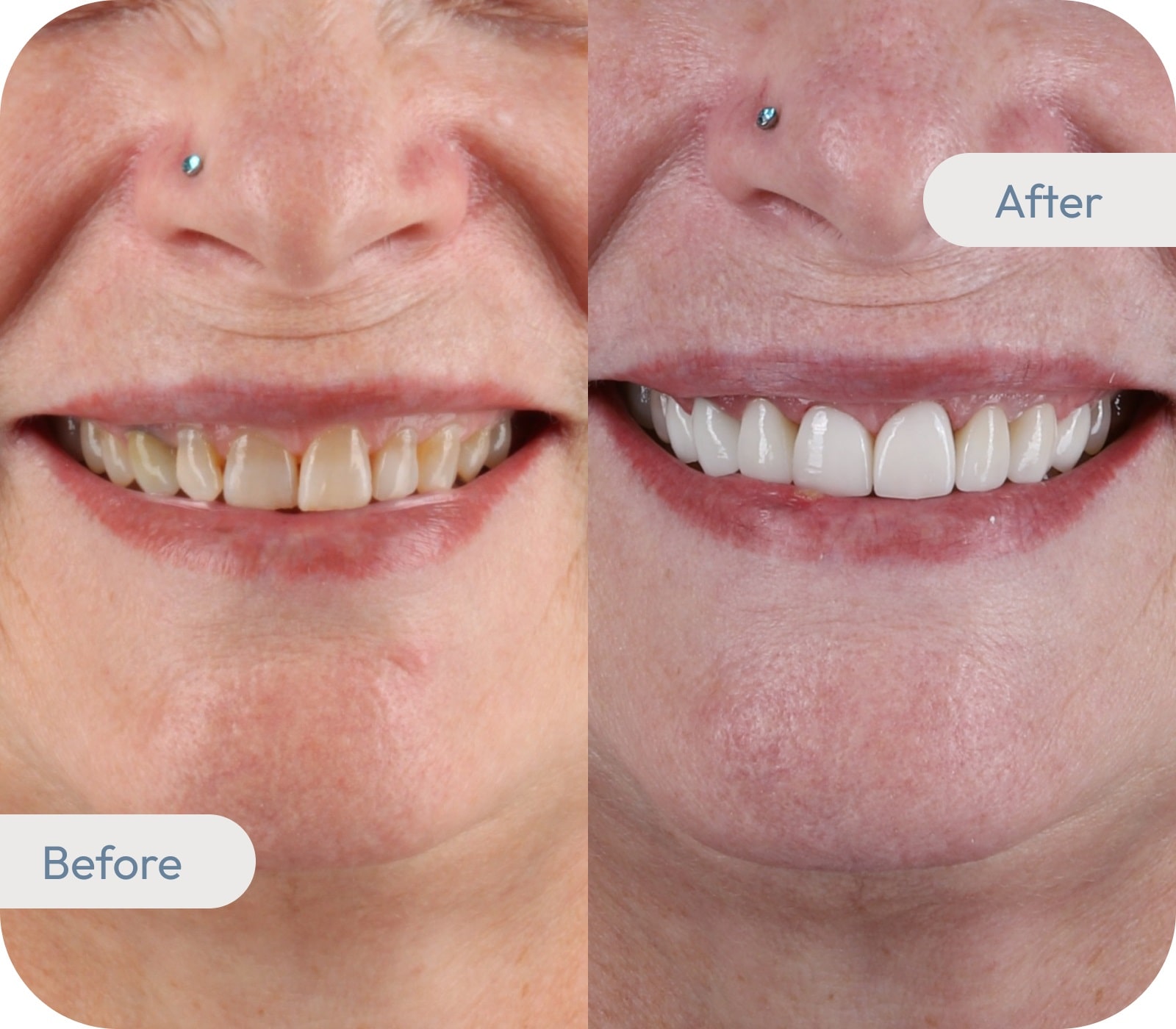
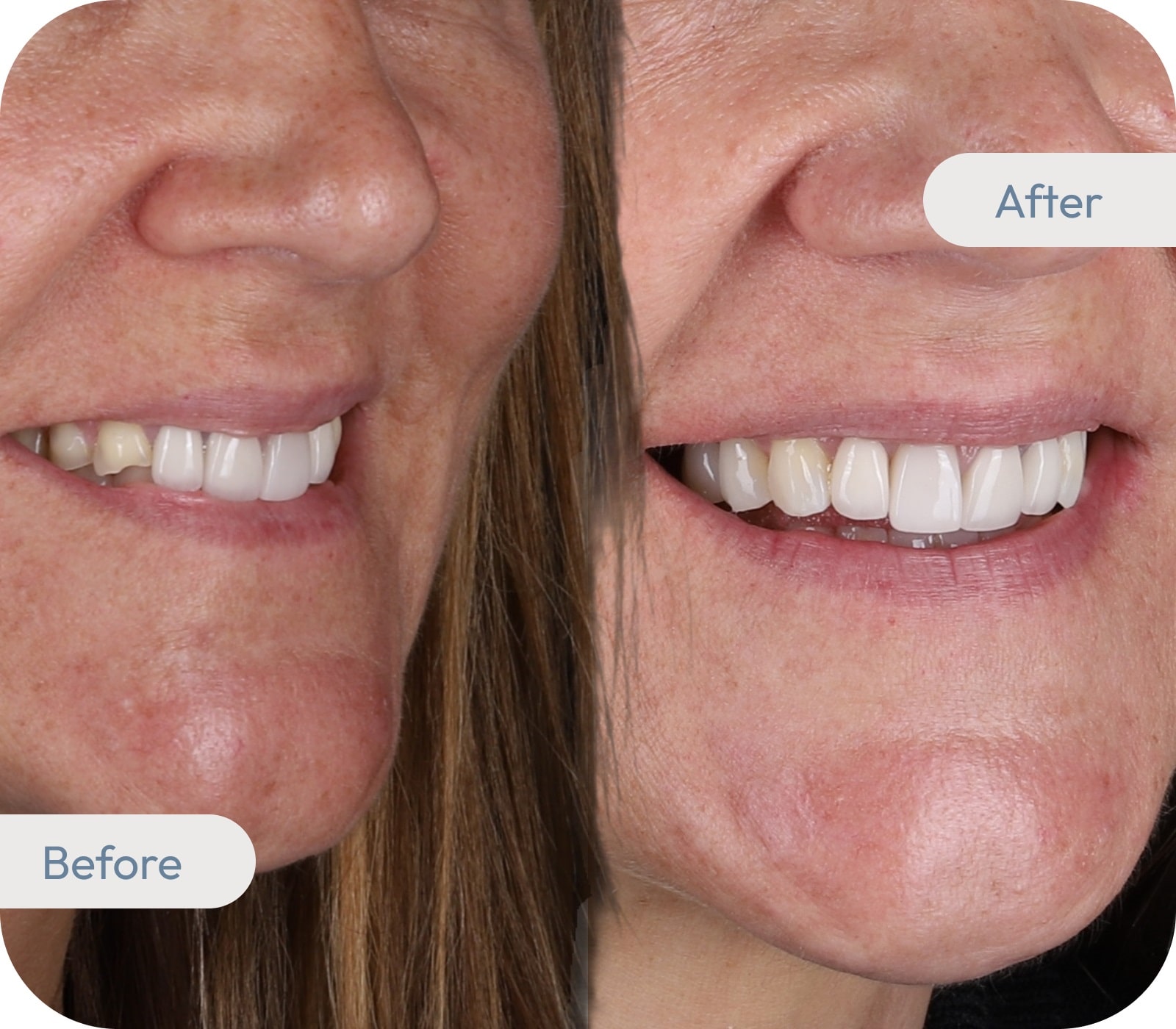
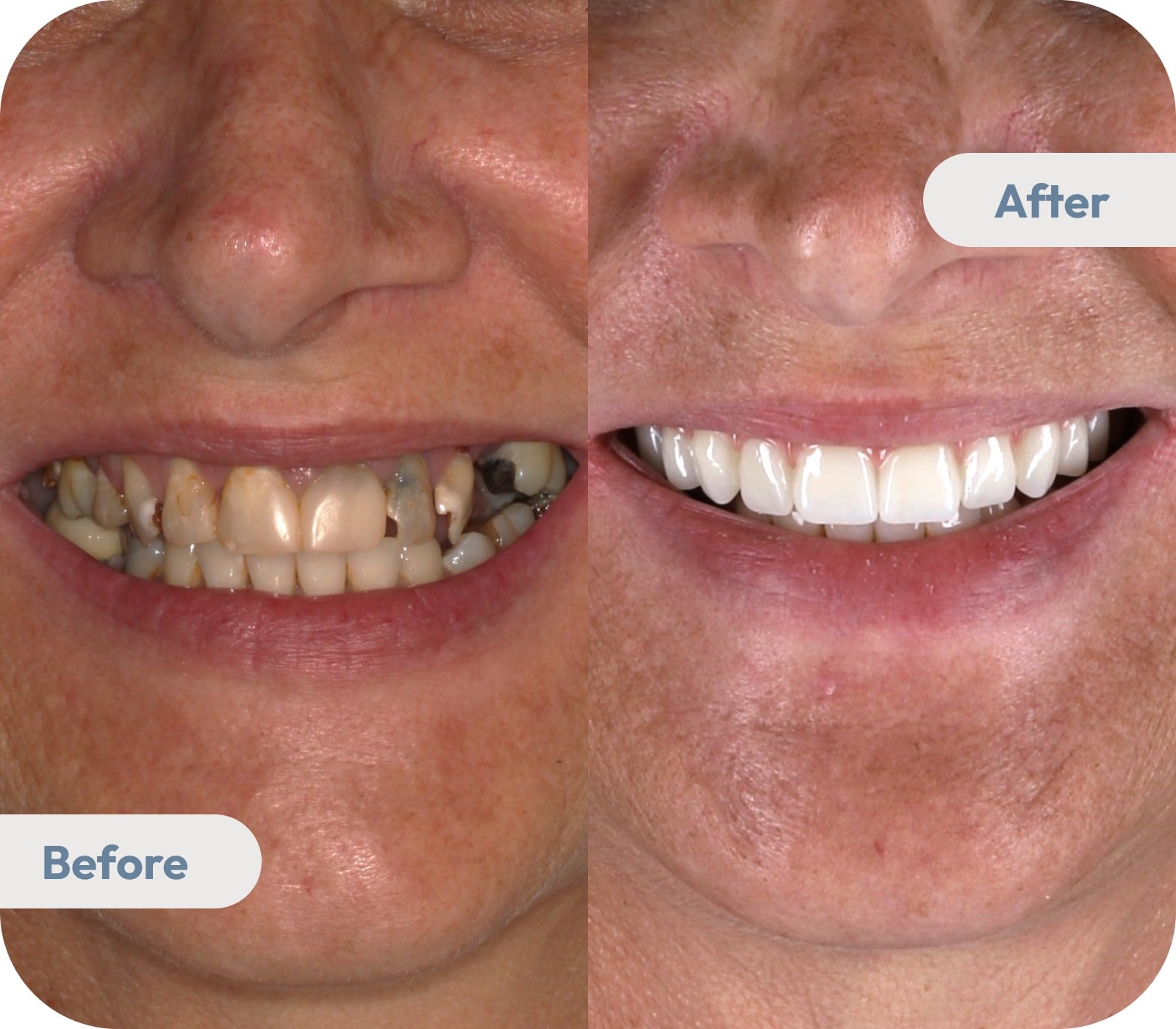
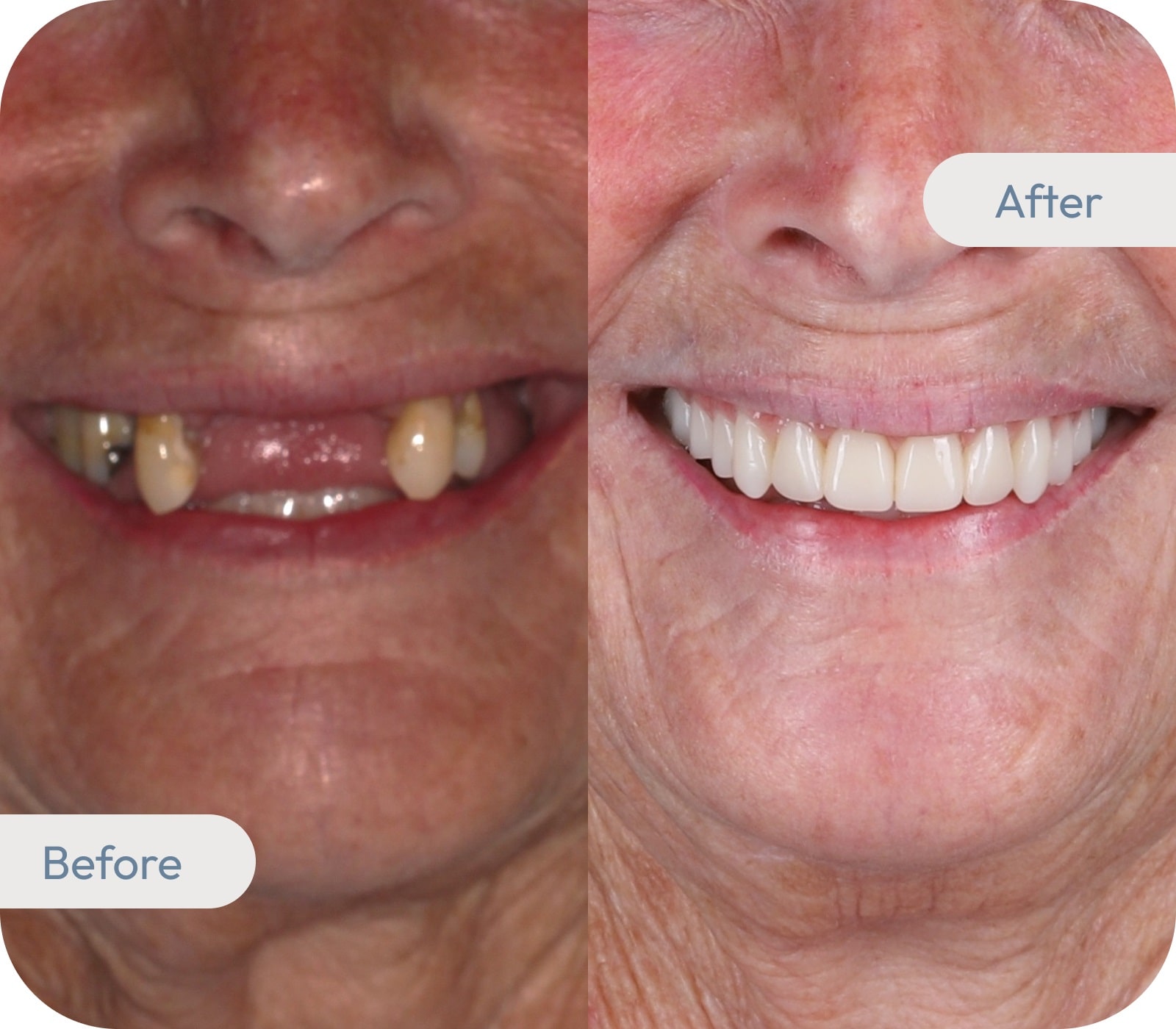
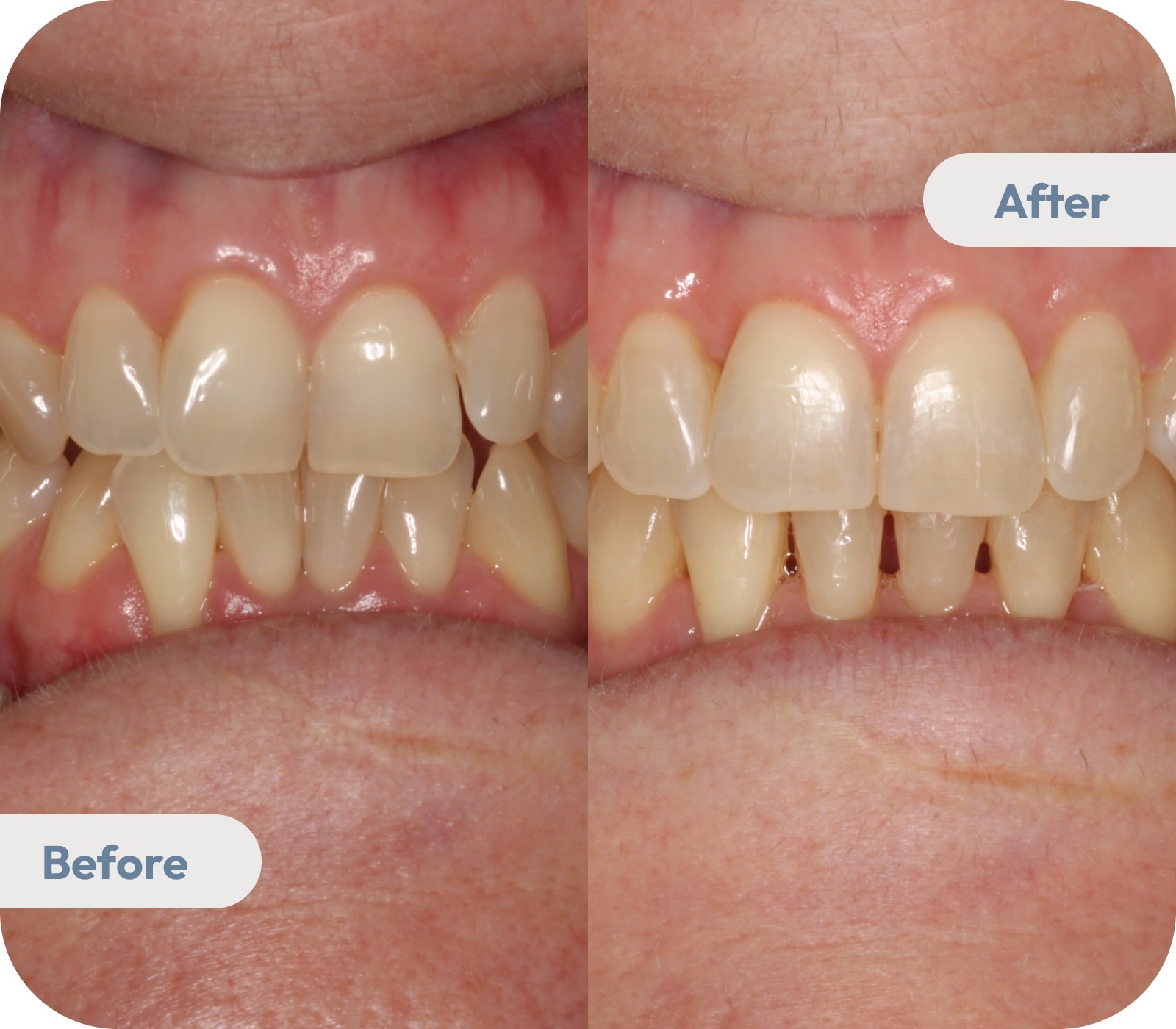
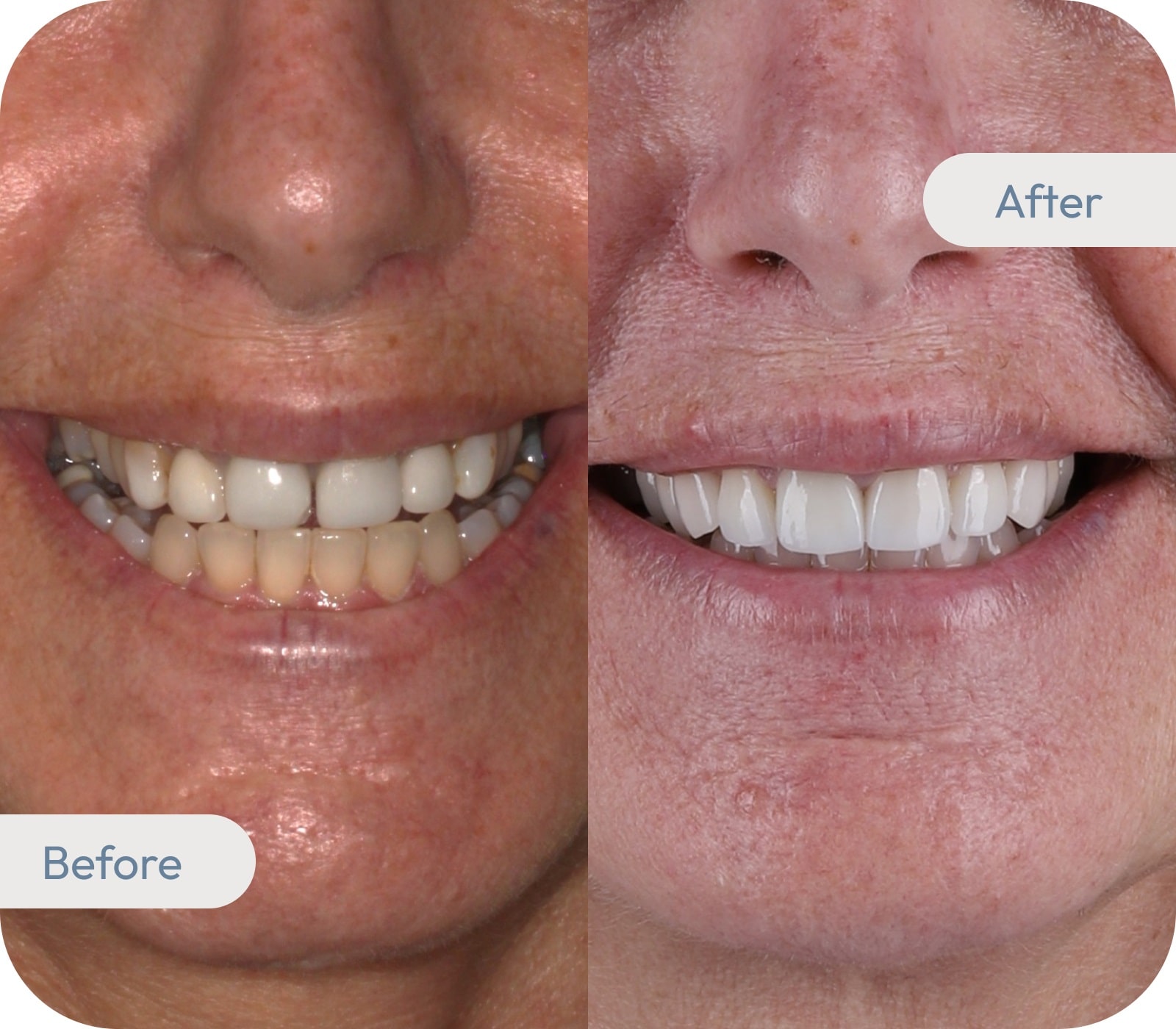
Smile Gallery – Before and After Treatment Examples

Explore real treatment outcomes in our gallery. These before-and-after photos show actual patients of Eversmile Dental, displayed with their consent. Outcomes vary between individuals, and results are not guaranteed. Images are unedited and taken under comparable conditions to reflect realistic treatment outcomes.

*These images display actual patients of our clinic. Every case is different, and treatment outcomes can vary according to individual conditions and needs.

Supporting Bunbury with Urgent Dental Care

When a dental emergency occurs, timely professional attention is important. At Eversmile Dental, we offer same-day emergency appointments whenever possible. Our focus is on providing prompt assessment and treatment planning to help manage urgent dental needs. Our team is available to assist patients with a wide range of emergency situations.

Explore Our Dental Implant Information Pages and Resources

Explore helpful, easy-to-understand information about dental implants. These pages cover treatment options, procedures, care, recovery,and what to expect at each stage.

1

Types of Dental Implants

2

Dental Implant Procedure

3

Dental Implant Benefits

4

Dental Implant Costs
and Financing

5

Dental Implant Care
and Maintenance

6

Dental Implant Success and Recovery

Frequently Asked Questions

Learning more about emergency root canal treatment may help reduce uncertainty. These answers explain how it works and what to expect at our Bunbury clinic.

How urgent is a root canal infection?

A root canal infection occurs when bacteria enter the dental pulp, which is the soft tissue inside the tooth. This can lead to pain, pressure, or sensitivity.

As the infection develops, it may lead to more serious symptoms:

  • You may notice increased pain when chewing, brushing, or consuming hot or cold food.
  • Swelling may occur in the gums, jaw, or face near the affected area.
  • A dental abscess may form, creating a pocket of pus beneath the gum.
  • The infection can spread to nearby bone or soft tissue, which can sometimes contribute to broader oral health issues.

Some infections remain stable for a short time. Others can progress more quickly. A dental examination helps determine the extent of the infection and whether urgent care is necessary.

Seeking timely care may offer several advantages:

  • Future dental procedures may be easier to complete if the infection is addressed early.
  • It may be possible to preserve more of the natural tooth structure.
  • Discomfort, swelling, and pressure may be easier to manage, in some cases, with timely care.

If pain or swelling is present, a clinical evaluation helps clarify the cause and determine whether emergency root canal treatment is appropriate.

A dental abscess is a collection of pus caused by a bacterial infection. It usually forms near the root of the tooth or in the surrounding gum tissue. Even if pain decreases, the condition may still require immediate care.

Delaying care can result in complications:

  • The infection may spread to nearby teeth, the jawbone, or facial structures.
  • Pain can increase and may become more difficult to manage.
  • The abscess may rupture and release pus into the mouth or surrounding tissues.
  • Swelling may interfere with eating, speaking, or breathing.
  • In rare cases, bacteria may enter the bloodstream and affect overall health.

Sometimes, pain decreases temporarily when the abscess drains. However, the infection usually remains active and requires professional care.

Prompt care allows the dentist to assess how far the infection has progressed. Support may include antibiotics, drainage, or emergency root canal therapy.

Eversmile Dental offers timely appointments for urgent dental care in Bunbury and nearby suburbs. A dental examination helps guide the next steps and may reduce the need for more complex procedures later.

A root canal may not be possible if the tooth is too damaged or unstable to restore. This can happen when decay and infection have significantly affected the internal structures and surrounding support.

The following signs may indicate that the tooth cannot be preserved:

  • The tooth has fractured below the gum line or into separate pieces.
  • Decay has affected most of the crown and root.
  • Significant bone loss around the tooth is caused by long-term infection.
  • The tooth is very loose and cannot support a filling or crown.
  • The internal canals are blocked, making cleaning and sealing very difficult or, in some cases, not possible.

When these changes occur, the next step may involve removing the tooth. After removal, options such as dental implants, bridges, or dentures may be considered.

In some cases, a damaged tooth may still be suitable for care, depending on the remaining structure. A detailed assessment helps determine the most appropriate plan.

Delaying care can allow the infection to progress. Over time, the tooth and surrounding tissues may become increasingly compromised.

Consequences may include:

  • The infection may spread into nearby bones or teeth.
  • The tooth may become sensitive or painful when touched.
  • An abscess may form, causing swelling and accumulation of pus.
  • The infection has the potential to affect nearby areas and may influence overall health.
  • The tooth may need to be removed if it cannot be preserved.

Sometimes, pain may fade if the nerve dies. However, the infection can persist and cause further damage.

Seeking care earlier may allow for a simpler approach and help preserve more of the tooth’s structure.

Root canal treatment is often used when the dental pulp becomes inflamed or infected. In some cases, people report relief shortly after pressure is reduced during the procedure.

However, relief may vary. While some feel better immediately, others notice improvements over the following days.

During or after the procedure:

  • You may sometimes feel less throbbing or sharp pain once the damaged pulp is removed.
  • Sensitivity to pressure or temperature may be reduced, especially if the nerve is affected.
  • Some soreness may occur, which often settles within a few days.
  • Your jaw may feel tired or tender from being open for a long time.
  • Minor swelling near the affected tooth may be present, especially with an advanced infection.

Over-the-counter medication may help manage discomfort. The dentist will explain how to care for the area and arrange the next step, such as sealing the canal or placing a crown.

An emergency dentist for tooth pain in Bunbury may begin a root canal during your visit, depending on the tooth’s condition and available time.

The focus during urgent appointments is usually to help manage discomfort and, where possible, address infection.

During the emergency appointment:

  • An X-ray may be taken to assess the extent to which the infection or decay has spread.
  • An opening may be created to help relieve pressure and remove damaged pulp.
  • A disinfectant or medication may be placed inside the canal.
  • A temporary seal may be used to protect the tooth.
  • A follow-up appointment may be scheduled to complete the process.

Some clinics may be able to complete the entire procedure in one visit. Others use a staged approach based on clinical factors.

In some situations, a root canal can be started and completed during a single visit. However, this depends on several factors:

  • The infection may be minimal, making care more straightforward.
  • The canal may be straight and easy to clean.
  • There may be no swelling or pus buildup requiring drainage.
  • The dentist may have enough time available.
  • The patient may be able to tolerate a longer appointment more comfortably.

If the case is complex, multiple visits may be necessary. This allows for infection control and careful monitoring between appointments.

Yes, alternatives depend on the tooth’s condition. In most cases, the main alternative is to remove the tooth.

Possible alternatives include the following:

  • The tooth may be removed if it cannot be preserved.
  • A dental implant may be offered to replace the missing tooth.
  • A bridge may be considered if the nearby teeth can support it.
  • If more than one tooth is lost, a removable partial denture may be an option.
  • Temporary care may be provided to help manage symptoms if treatment is postponed.

Each option has benefits and limitations. Your dentist will explain what is suitable based on your specific situation.

The cost of emergency root canal treatment in Bunbury varies based on several factors. These include the condition of the tooth, the number of canals, and the type of restoration required.

The cost generally falls within a broad range, often between $1,000 and $7,500, depending on individual clinical needs and treatment complexity. An itemised estimate is provided after assessment.

Factors that may affect cost include the following:

  • Teeth with more canals require more work and time, which increases cost.
  • Severe damage or infection may involve more visits or medication.
  • Some teeth may only need a filling after the procedure, while others may need a crown.
  • The technology used, such as 3D imaging, may influence the total.
  • Sedation or comfort options can increase the overall cost.

Health fund claims may be processed on the same day through HICAPS, depending on your fund. Information about payment plans or SuperCare can be discussed where appropriate.

In some situations, a root canal can begin on the same day. This may happen when there is pain, swelling, or a visible infection that needs prompt attention.

Whether the full procedure is completed in one visit depends on the condition of the tooth and the time available.

Same-day care may be offered if:

  • The infection is localised, and the canals are accessible.
  • The tooth structure does not require significant rebuilding.
  • Diagnostic imaging confirms a straightforward case.
  • Time is available for a longer appointment.

If the infection is advanced or the case is complex, multiple visits may be necessary. This approach helps the area stabilise before sealing.

Same-day emergency appointments are considered on a case-by-case basis. After-hours care may also be available depending on the situation.

We assist individuals across Bunbury and surrounding suburbs who require urgent dental care. A consultation helps clarify your needs and the available options.

Various Payment Options Available

Eversmile Dental offers a range of flexible payment options to assist patients in managing the cost of their dental care. Please ask our team for details about the payment plans available.
Right Menu Icon