

Dental Emergencies Happen—Here to Help

Emergency Extractions in Bunbury When Needed

Emergency extractions in Bunbury may be recommended for severe pain, infection, or trauma. Our dental team promptly assesses each case and recommends care appropriate to the situation.

When a Problem Tooth May Require Removal

Severe tooth pain or facial swelling can make daily activities difficult. These symptoms may indicate an underlying issue that requires prompt assessment. A dentist can examine the area, discuss possible causes, and outline appropriate care. Depending on the findings, extraction may be one of the options considered. Patients in Bunbury and nearby areas can access care with clear assessment, advice, and treatment options.

When Is a Tooth Extraction
an Emergency?

  • Severe Toothache
    Ongoing, intense tooth pain may be linked to deep decay or inflammation. If it begins to interfere with sleep, eating, or daily activities, a prompt dental examination is recommended.
  • Swollen Face or Jaw
    Swelling near the jaw or cheek, especially when paired with pain or fever, may be a sign of a possible infection. Seeking timely dental care may help manage symptoms and reduce risks.
  • Broken or Fractured Tooth
    When a tooth breaks deeply or exposes the nerve, it can cause significant pain and sensitivity. Extraction may be considered if the tooth is unlikely to remain stable or functional.
  • Failed Root Canal
    Discomfort or swelling after previous root canal therapy may indicate ongoing issues within the tooth. In some cases, the dentist might recommend removal based on current symptoms and health factors.

Key Benefits of Timely Emergency Tooth
Removal Explained

  • Pain Relief
    Removing an infected or damaged tooth can ease persistent pain and reduce sensitivity when chewing, drinking, or speaking. Some patients may experience improvement after the procedure, though recovery varies.
  • Prevent Infection Spread
    When dental infections are not managed early, bacteria may spread to nearby teeth, gums, or jawbone. Removing the source can help reduce this risk and support recovery.
  • Protect Overall Health
    Infections in the mouth can impact overall health if bacteria enter the bloodstream. Early extraction of the affected tooth may lower the chance of complications and support overall well-being.
  • Avoid Complex Treatments
    Removing a compromised tooth early may help reduce the likelihood of extensive procedures later. Acting promptly can reduce the likelihood of complications, shorten recovery in some cases, and support long-term oral health.

A dental examination by a registered practitioner is required to determine the most appropriate treatment for your situation.

Don’t Delay Your Dental Care — We’re Here to Help

Urgent dental care is available at Eversmile Dental in Bunbury when you need it. Get in touch to arrange a timely appointment and discuss your dental concern with our team for appropriate care and advice.

Eversmile Dental

What to Expect During an Emergency Tooth Extraction Appointment

If you’re facing an urgent dental issue, understanding what happens during a dental extraction appointment can help you feel more prepared and supported.

Your visit begins with a conversation about your symptoms—how the pain started, how severe it feels, and what makes it better or worse. The dentist will check for signs like swelling, pus, or bleeding that may suggest infection or trauma. Understanding your experience helps prioritise your needs. This early step guides the rest of your care and enables the team to focus on urgent concerns.

After discussing your symptoms, the dentist will carefully examine your mouth for visible problems, including cracked teeth, deep cavities, gum swelling, or signs of an abscess. X-rays are often taken to assess root damage, bone health, and any hidden decay. These images help form a complete clinical picture. Together, this information supports informed clinical decisions about whether an emergency tooth removal may be appropriate.

Once the examination and X-rays are complete, your dentist will explain what they’ve found in simple, clear terms. You’ll learn what’s causing your pain, such as an infection, a broken root, or pressure from swelling. If extraction is recommended, you’ll be told the reasons it may be necessary. The dentist will also explain what to expect during and after the procedure. You’ll be supported in asking questions and discussing options.

Before removing the tooth, a local anaesthetic is used to numb the area, helping manage discomfort during the procedure. The dentist will check that the area is fully numb before starting. While you may feel movement or mild pressure, the anaesthetic is intended to reduce pain. This step helps you stay informed, supported, and prepared for the next part of the emergency extraction process.

Once the area is numb, the dentist will remove the tooth using sterile, clinically appropriate instruments. If needed, the area may be cleaned to reduce the risk of infection or swelling. After the extraction, you’ll be given aftercare instructions that include how to manage discomfort, avoid disturbing the site, and support healing. You’ll also be told what to watch for during recovery.

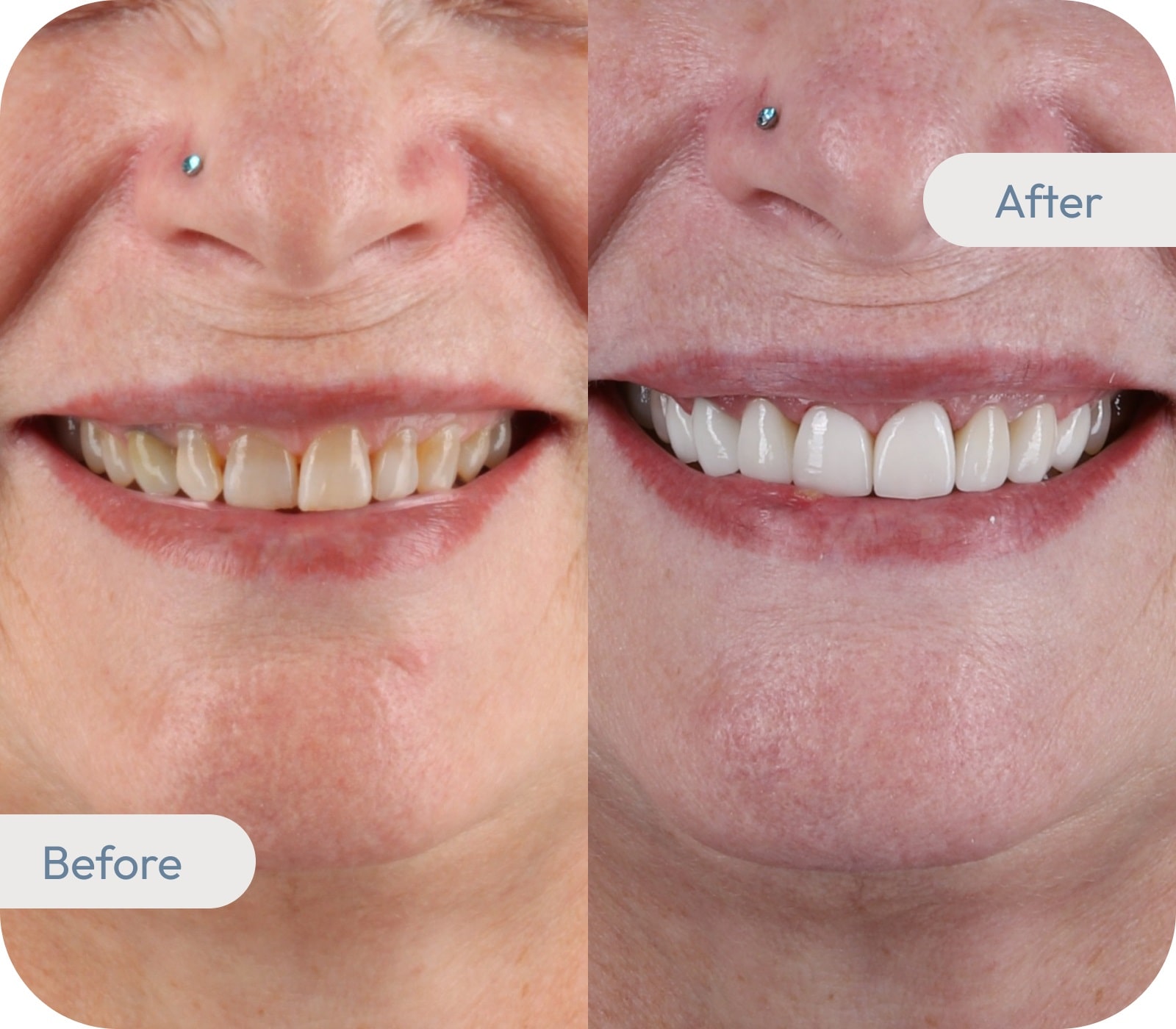
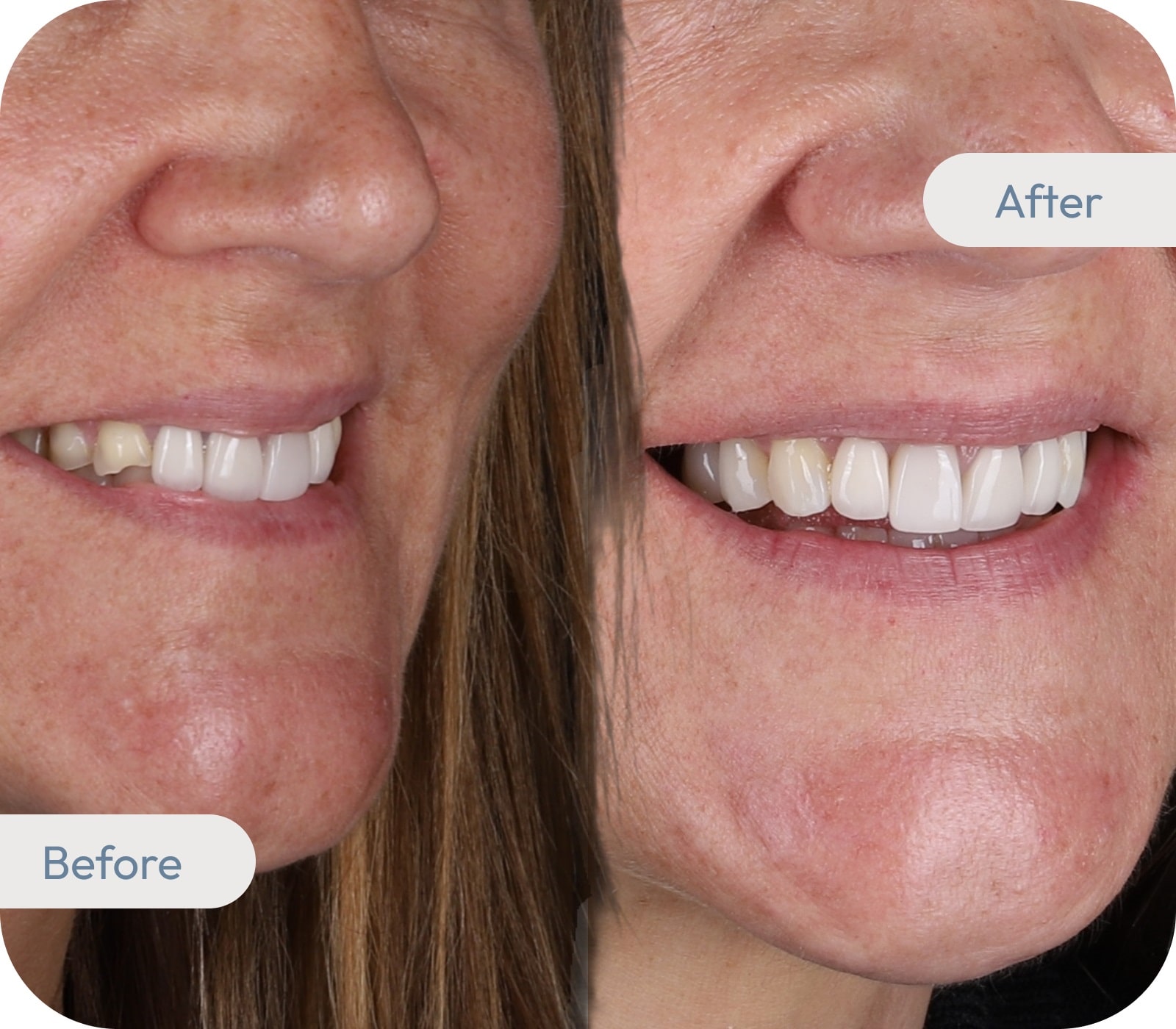
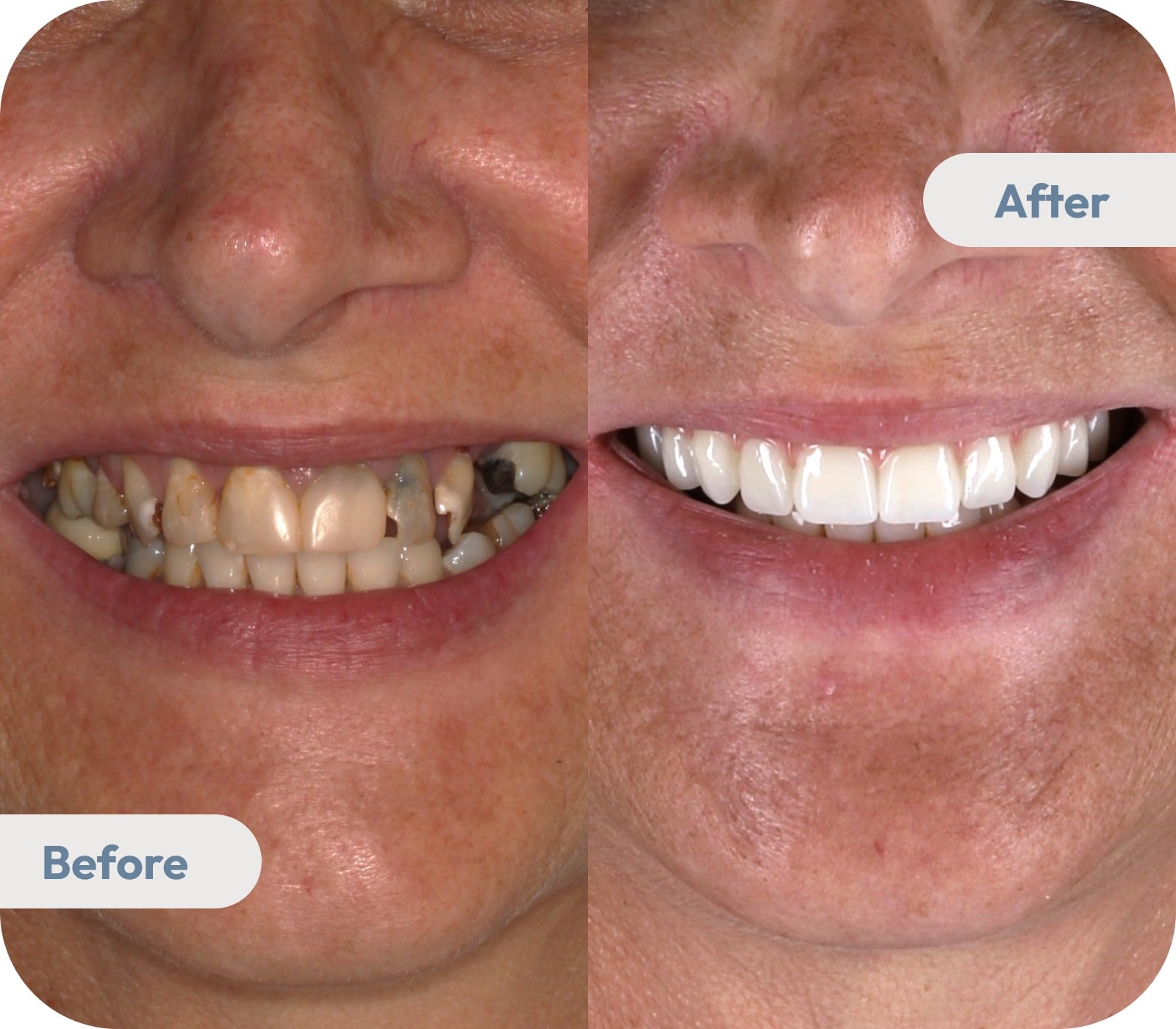
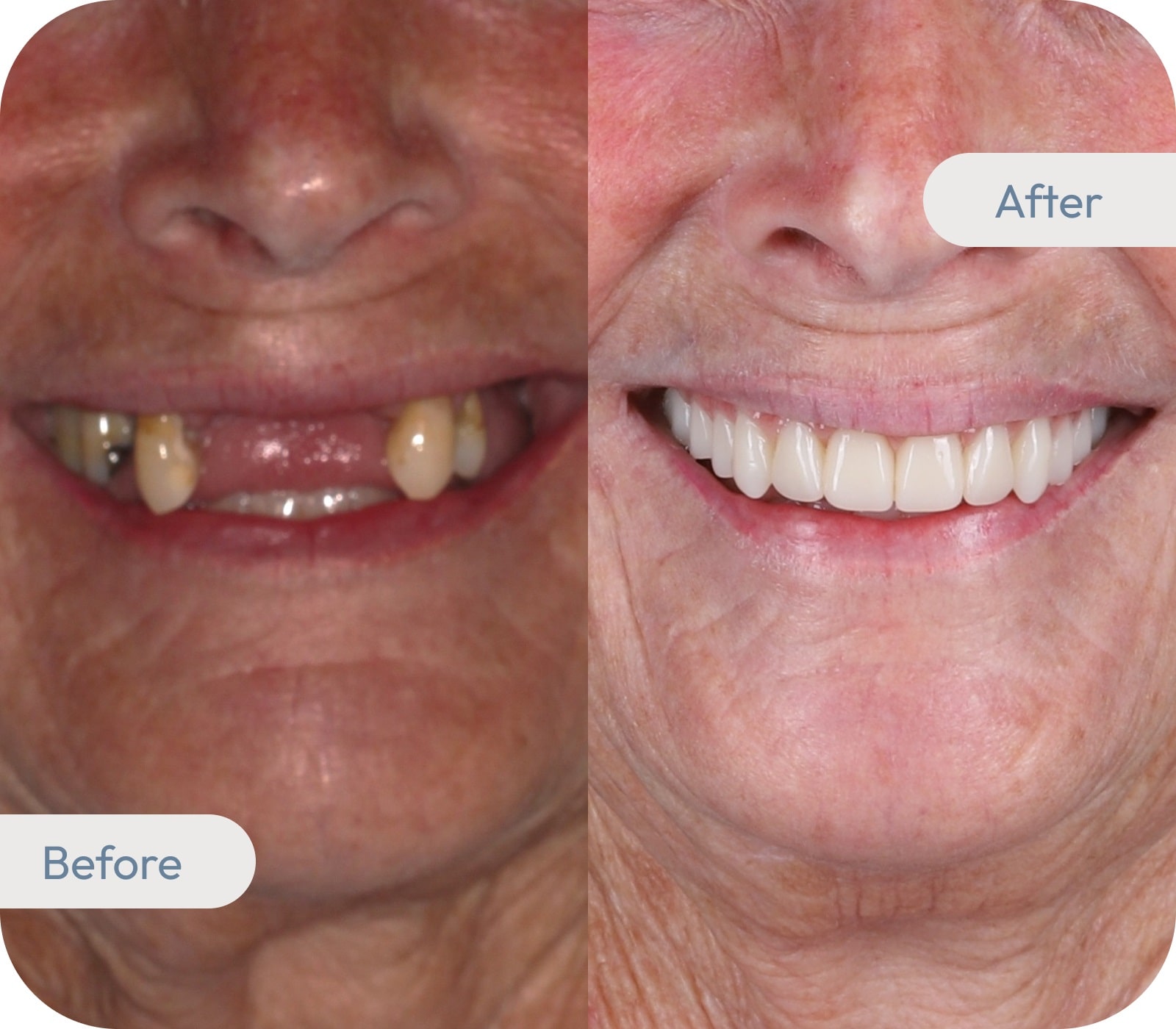
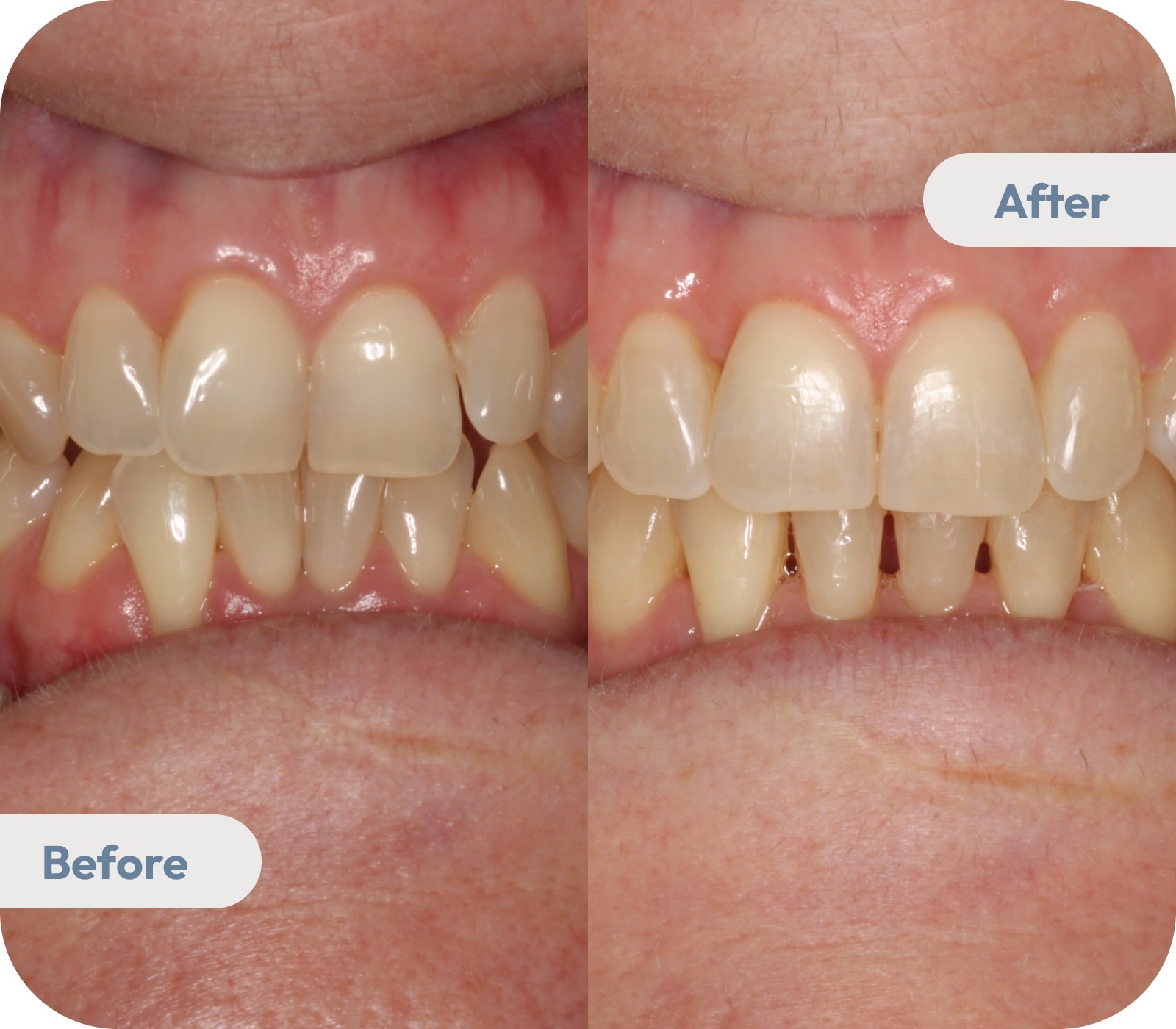
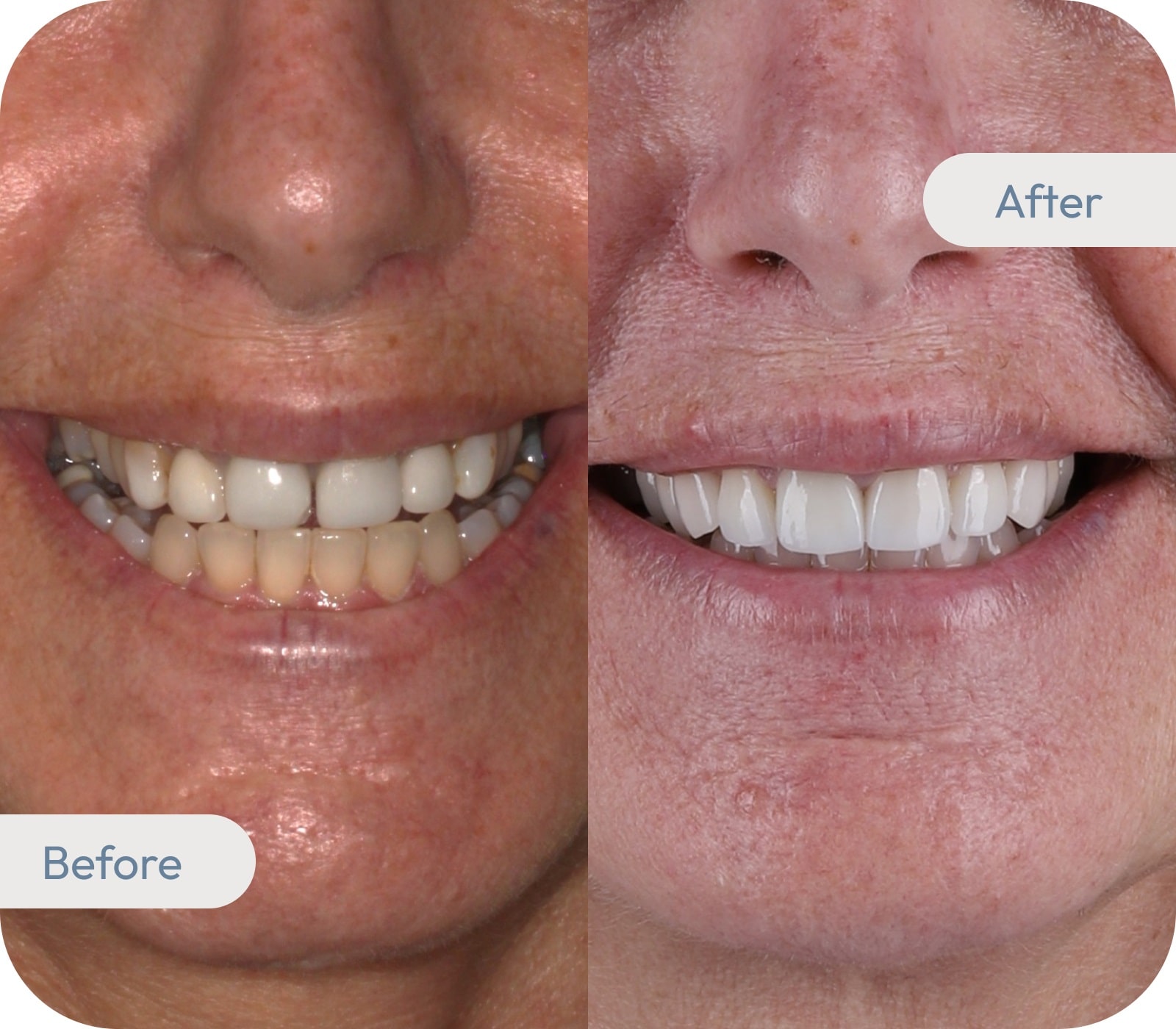
Smile Gallery – Before and After Treatment Examples

Explore real treatment outcomes in our gallery. These before-and-after photos show actual patients of Eversmile Dental, displayed with their consent. Outcomes vary between individuals, and results are not guaranteed. Images are unedited and taken under comparable conditions to reflect realistic treatment outcomes.

*These images display actual patients of our clinic. Every case is different, and treatment outcomes can vary according to individual conditions and needs.

Supporting Bunbury with Urgent Dental Care

When a dental emergency occurs, timely professional attention is important. At Eversmile Dental, we offer same-day emergency appointments whenever possible. Our focus is on providing prompt assessment and treatment planning to help manage urgent dental needs. Our team is available to assist patients with a wide range of emergency situations.

Explore Our Dental Implant Information Pages and Resources

Explore helpful, easy-to-understand information about dental implants. These pages cover treatment options, procedures, care, recovery,and what to expect at each stage.

1

Types of Dental Implants

2

Dental Implant Procedure

3

Dental Implant Benefits

4

Dental Implant Costs
and Financing

5

Dental Implant Care
and Maintenance

6

Dental Implant Success and Recovery

Frequently Asked Questions

Whether you’re in pain or planning ahead, the following details can help you feel more informed about emergency extractions in Bunbury and what they may involve.

Do emergency dentists extract teeth?

Yes, emergency dentists may remove a tooth if it is causing severe pain, swelling, or infection. Emergency dentist Bunbury services may support patients who need urgent extractions due to issues such as abscesses, injury, or advanced decay.

We begin with a thorough examination to gain a clear understanding of the problem. If removing the tooth is the most suitable option, we explain the process clearly and provide care based on clinical need. Availability of same-day treatment depends on individual assessment and clinical factors.

In some cases, yes. If the infection is localised and there are no signs of widespread swelling or fever, a dentist may be able to remove the tooth that day. If significant facial swelling or difficulty opening the mouth occurs, anti-inflammatory or antibiotic medication may be recommended first.

Dentists at our Bunbury clinic assess each case individually. If same-day tooth removal in Bunbury is appropriate, treatment may be provided on the day, depending on the clinical assessment. If not, the dentist will clearly explain the next steps and options.

The urgency of a tooth extraction depends on the severity of your symptoms and the cause of the problem. Some cases require immediate attention, especially if there is an active infection or persistent discomfort.

Others might permit a brief delay if they are monitoring the area and see no signs of complications.

You may need an urgent extraction if:

  • You are experiencing constant or worsening pain that does not respond to over-the-counter medication.
  • You have facial swelling or redness around the cheek or jaw, which may indicate a spreading infection.
  • You find it difficult to open your mouth fully or to chew without discomfort.
  • You notice signs of infection, such as pus, a foul taste in your mouth, or an unexplained fever.
  • You have a broken tooth with sharp edges that are cutting into your cheek or tongue, making it difficult to eat or speak.

If the tooth is flagged for removal but is neither infected nor painful, the timing is flexible. Delaying treatment may increase the risk of complications, so your dentist will advise on appropriate timing.

Emergency tooth extraction is sometimes required when a dental problem progresses to the point where the tooth can no longer be maintained in a stable or functional condition. The need for removal can develop suddenly or after ongoing symptoms worsen.

Common reasons for emergency extractions include:

  • A tooth is infected and causing significant pain, swelling, or pus near the gumline.
  • The damage from decay has reached the inner pulp of the tooth and cannot be restored.
  • A tooth has cracked or fractured severely due to trauma, such as a sporting injury or accident.
  • There is a dental abscess that has led to facial swelling, pressure, or difficulty swallowing.
  • A baby tooth has not fallen out naturally and is blocking the path of an adult tooth.
  • Gum disease has caused the surrounding bone to weaken, making the tooth loose and painful.

Each situation is assessed carefully. If the tooth cannot remain in place, removal may be the most suitable option to manage discomfort and reduce further risks.

Yes, in some situations, removing a tooth earlier than necessary may not be the most suitable course of action. Dentists consider many factors before recommending removal, especially if the tooth is not causing pain or infection.

A tooth may not need urgent dental extraction if:

  • The tooth is stable and does not cause any discomfort or difficulty with chewing.
  • Other options, such as protective restorations, may help extend the function of the tooth.
  • The surrounding area appears healthy and free from swelling, pus, or signs of infection.
  • The dentist requires additional information, such as scans or follow-up exams, to provide a clear recommendation.
  • You are not experiencing ongoing pain, fever, or sleep disruption caused by the tooth.

Dentists at our Bunbury clinic carefully assess each case. If immediate removal is not necessary, they will explain the reasons and guide you in deciding how to proceed.

To speak with someone about whether an urgent dental extraction is appropriate, contact our Bunbury team for personalised advice.

The amount of time you can wait before removing a tooth depends on your symptoms and the condition of the tooth. If there is no infection or pain, you may have time to plan the procedure.

Delaying treatment may allow dental problems to progress, sometimes leading to swelling, more complex procedures, or additional health risks.

You should not postpone extraction if:

  • You have pain that disrupts sleep, eating, or daily activities.
  • You notice facial swelling or warmth near the affected area.
  • There is a discharge of pus or an unpleasant taste in your mouth.
  • The tooth is loose, cracked deeply, or causing soft tissue injuries.
  • You have difficulty opening your mouth or chewing with discomfort.

If the tooth is not currently causing symptoms, a dentist may monitor it with regular checks. In such cases, extraction can sometimes be planned for a later date, depending on the condition’s progression.

If symptoms begin to change or discomfort increases, contact a dentist who provides emergency tooth extraction in Bunbury. They can advise on the most appropriate timing for treatment.

Several dental problems can occur suddenly, but some issues are more common than others. One of the most common reasons people seek emergency dental care is severe tooth pain, often associated with infection, deep decay, or a crack that has reached the nerve.

In addition to pain, trauma and infection can lead to complications if not addressed early. Emergency dental care allows patients to receive relief and advice on the most suitable next step.

People often contact an emergency dentist for the following reasons:

  • They are experiencing a severe toothache that develops rapidly and does not improve with medication or rest.
  • They have broken a tooth while eating, and the damage has exposed sensitive inner layers or caused sharp edges that irritate the tongue or cheek.
  • They have lost a tooth during sports, a fall, or a sudden impact at home or work.
  • They have developed facial swelling near the jaw or cheek, which may be associated with an infection around a tooth or gum.
  • They have noticed a dental abscess, which may include pus, pain when biting, or a constant bad taste in the mouth.

If any of these symptoms are present, it is essential to call a local Bunbury dentist promptly. Early care can help reduce discomfort and prevent the issue from worsening.

If you experience any of these symptoms, you can contact a local Bunbury dentist for advice and to arrange an assessment. Depending on the clinical situation and appointment availability, an urgent appointment may be offered.

If you are experiencing severe tooth pain and cannot see a dentist immediately, there are a few steps you can take at home to help manage the discomfort. These methods may provide temporary relief, but they are not a replacement for professional dental care. It is important to contact a dental clinic promptly for an assessment.

You may find short-term relief by doing the following:

  • You can take over-the-counter pain relief, such as paracetamol or ibuprofen, as directed on the packaging.
  • You may apply a cold compress to the outside of your cheek for 10 to 15 minutes at a time to reduce discomfort and swelling.
  • You should avoid chewing on the affected side and stay away from hot, cold, or sugary foods that may trigger pain.
  • You can gently rinse your mouth with warm water mixed with salt or a saline solution to ease inflammation.
  • When resting, keep your head elevated to prevent pressure and pain from increasing.

Avoid placing medications or pain-relief gels directly onto the gums or teeth, as this can cause irritation or chemical burns.

If the pain becomes severe and does not ease with temporary care, a dentist may recommend an emergency extraction in Bunbury after assessing your condition.

After an emergency tooth extraction in Bunbury, some discomfort and swelling are expected as the area begins to heal. Following your dentist’s instructions closely can help reduce discomfort and support recovery.

Here are some ways to care for your mouth after the procedure:

  • You should rest for the remainder of the day and avoid strenuous activity for 24 hours.
  • You can apply a cold pack on the outside of your cheek in short intervals to help reduce swelling.
  • You should avoid vigorously rinsing, spitting, or drinking through a straw for the first 24 hours, as this may disturb the blood clot.
  • You can take over-the-counter pain relief, such as paracetamol or ibuprofen, following the directions on the label.
  • You should eat soft foods and avoid hot drinks until the numbness subsides and the area begins to feel normal.
  • You can gently rinse your mouth with warm, salty water starting the day after the procedure unless instructed otherwise.
  • You should brush your teeth carefully, avoiding the extraction site for the first few days.

If you notice increasing pain, bleeding that does not subside, or signs of infection like swelling, fever, or a bad taste, seek advice from your Bunbury dentist promptly.

A dental emergency kit can be useful for managing discomfort or stabilising problems until you see a dentist. While these kits do not replace professional care, they may help reduce irritation, bleeding, or swelling in the short term.

The following are items often included in a dental emergency kit:

  • A small pack of sterile gauze can be used to control bleeding from the gum or around a broken tooth.
  • A cold pack or instant ice pack may help reduce swelling when applied gently to the outside of the cheek.
  • Pain-relief medication should be taken as directed on the label.
  • Cotton wool or orthodontic wax can be placed over a sharp edge or bracket to prevent irritation to the cheeks or lips.
  • A small container with a lid can be used to store a knocked-out tooth or a broken tooth fragment in milk or saline solution.
  • You can gently rinse your mouth with warm water mixed with salt or a saline sachet to ease inflammation.
  • Disposable gloves and tweezers can assist in handling dental items or gently removing debris from the mouth.

It is important to store this kit in a cool, dry place and regularly check the expiry dates. These items provide short-term support only and are not a replacement for professional dental care.
If you experience a dental emergency, contact a Bunbury dentist for advice on next steps.

Various Payment Options Available

Eversmile Dental offers a range of flexible payment options to assist patients in managing the cost of their dental care. Please ask our team for details about the payment plans available.
Right Menu Icon