
Broken Tooth? We Can Help

Emergency Care for a Broken Tooth in Bunbury

Eversmile Dental provides emergency care by registered dentists for anyone dealing with a broken tooth in Bunbury. We provide prompt access to appropriate dental care to help relieve discomfort and support your oral health

Prompt Dental Care Helps Reduce the Risk of Further Tooth Damage

A broken tooth isn’t just uncomfortable. It can expose the inner tooth, increase the risk of infection, or cause further cracks over time. Many people in Bunbury delay care, unaware of the risks. Eversmile Dental offers timely emergency appointments. The treatment focuses on managing symptoms, stabilising teeth, and supporting long-term oral health with individualised, evidence-based care.

Common Causes of
Broken Teeth

  • Biting Hard Objects
    Crunching ice, hard lollies, or popcorn kernels can put sudden pressure on your teeth. If enamel is already worn or fragile, this force may cause a chip, crack, or even a full break.
  • Facial Trauma
    Accidents, sports injuries, or falls can result in a blunt impact to the jaw or mouth. Without a mouthguard or facial protection, teeth may be more likely to crack, split, or fracture from that sudden pressure.
  • Tooth Decay
    Decay weakens a tooth’s internal structure over time. As enamel erodes and dentine softens, even normal chewing may lead to fractures. Cracks often form in weakened areas, especially if decay has reached deeper layers.
  • Old Fillings
    Large or worn fillings may reduce a tooth’s strength and flexibility. Pressure from chewing or nighttime grinding can eventually cause the surrounding tooth to crack, especially if the filling is loose, aged, or deteriorating.

We Tailor Treatment to Tooth Conditions and Oral Health

  • Dental Bonding
    Dental bonding is a minimally invasive treatment for small chips or cracks, especially in front teeth. Tooth-coloured resin is applied, shaped, and polished to match the surrounding enamel. This treatment may sometimes be completed in a single appointment.
  • Tooth Fillings
    Tooth-coloured fillings may be used when a tooth is affected by decay or minor damage. They are an appropriate option when the surrounding tooth structure remains strong and does not require more extensive reinforcement.
  • Dental Crowns
    A dental crown may be recommended when a tooth has significant decay or a weakened structure. The crown is custom-made to fit over the remaining tooth and is designed to support the tooth’s strength, shape, and function.
  • Root Canal Therapy
    Root Canal Therapy is recommended when the damage extends into the deeper layers beneath the enamel and dentine, affecting the pulp tissue. The procedure involves removing infected tissue, disinfecting the canal, and sealing the space to prevent reinfection.
  • Tooth Extraction
    Tooth extraction may be considered when a tooth is severely damaged and cannot be restored with other treatments. Removing the tooth may help reduce pain and protect surrounding tissues.

Don’t Delay Your Dental Care — We’re Here to Help

Urgent dental care is available at Eversmile Dental in Bunbury when you need it. Get in touch to arrange a timely appointment and discuss your dental concern with our team for appropriate care and advice.

Eversmile Dental

Your Broken Tooth Appointment: What Happens and How We Help

From the moment you arrive, our goal is to assist in managing discomfort and explain your options. Here’s what you can expect step-by-step:

We’ll begin by listening to your concerns and assessing your symptoms. Whether it’s sharp pain, sensitivity, or swelling, our team will carefully examine the area to understand the extent of the damage. We aim to support you and keep you informed throughout your appointment. If you're in significant discomfort, we’ll discuss appropriate options to manage your symptoms.

We’ll use digital X-rays or intraoral imaging to assess underlying damage that may not be visible during a visual examination. These diagnostic tools help us identify cracks, nerve exposure, or fractures with improved detail, enabling us to make well-informed decisions about your treatment. Throughout the process, we’ll clearly explain our findings and guide you at each step.

Once we’ve completed your diagnosis, we’ll explain the treatment options. Whether your treatment involves dental bonding, a crown, or a more complex procedure, we will guide you through the benefits, potential risks, and possible outcomes. Treatment plans are tailored to your tooth’s condition, your preferences, and what’s suitable for your long-term oral health.

We will advise whether same-day care is appropriate based on scheduling and clinical need.. This may involve smoothing a sharp edge, placing a temporary filling, or initiating a more advanced treatment, such as root canal therapy. Our team works carefully and efficiently to help manage discomfort, stabilise the tooth, and support patient comfort during treatment.

Before you leave, you’ll receive clear instructions for at-home care, including dietary guidelines, oral hygiene tips, and your recommended return visit. If you’ve undergone more extensive treatment, we’ll also schedule a follow-up to assess your healing progress. Patients can contact our team if questions arise after their visit.

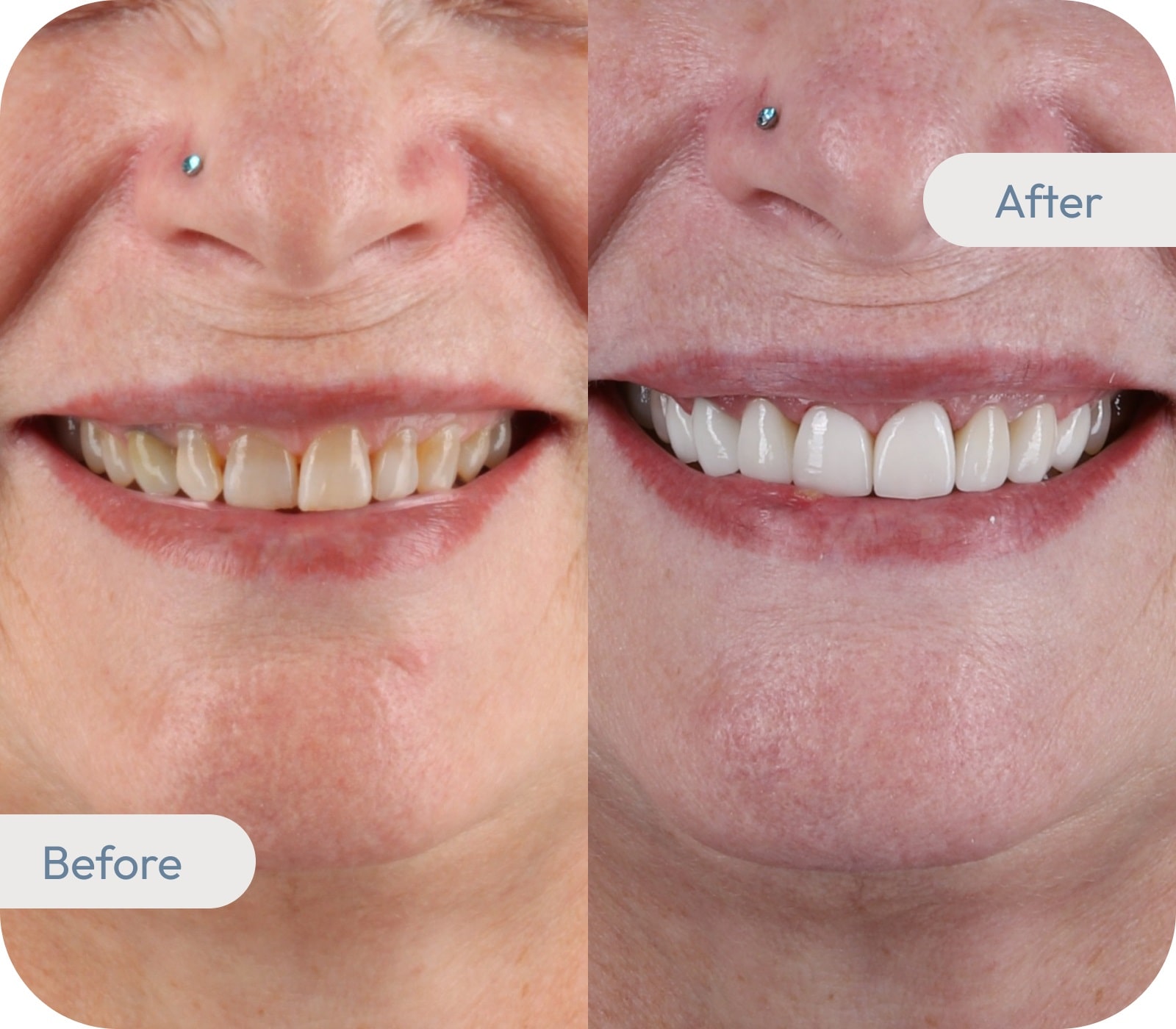
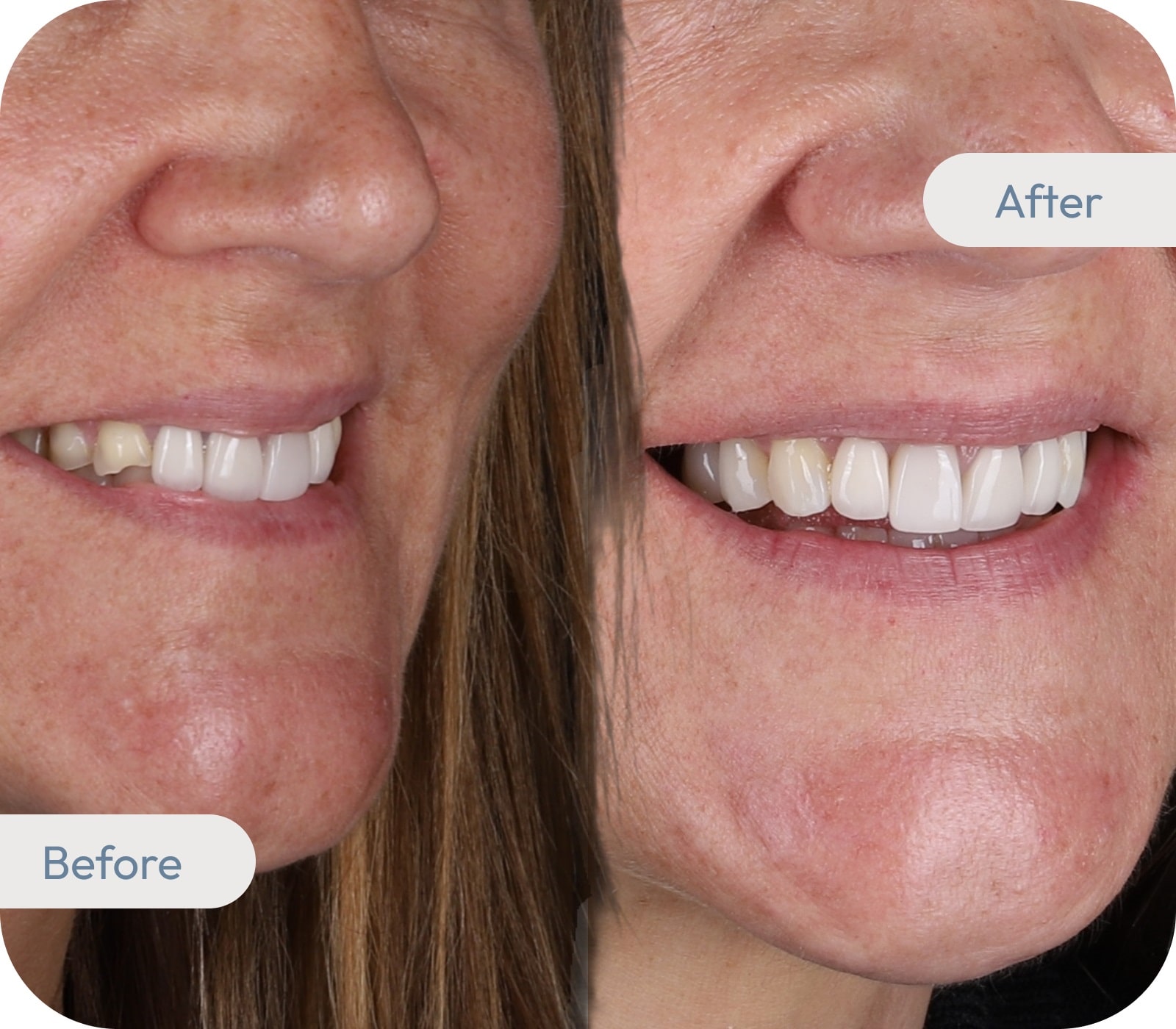
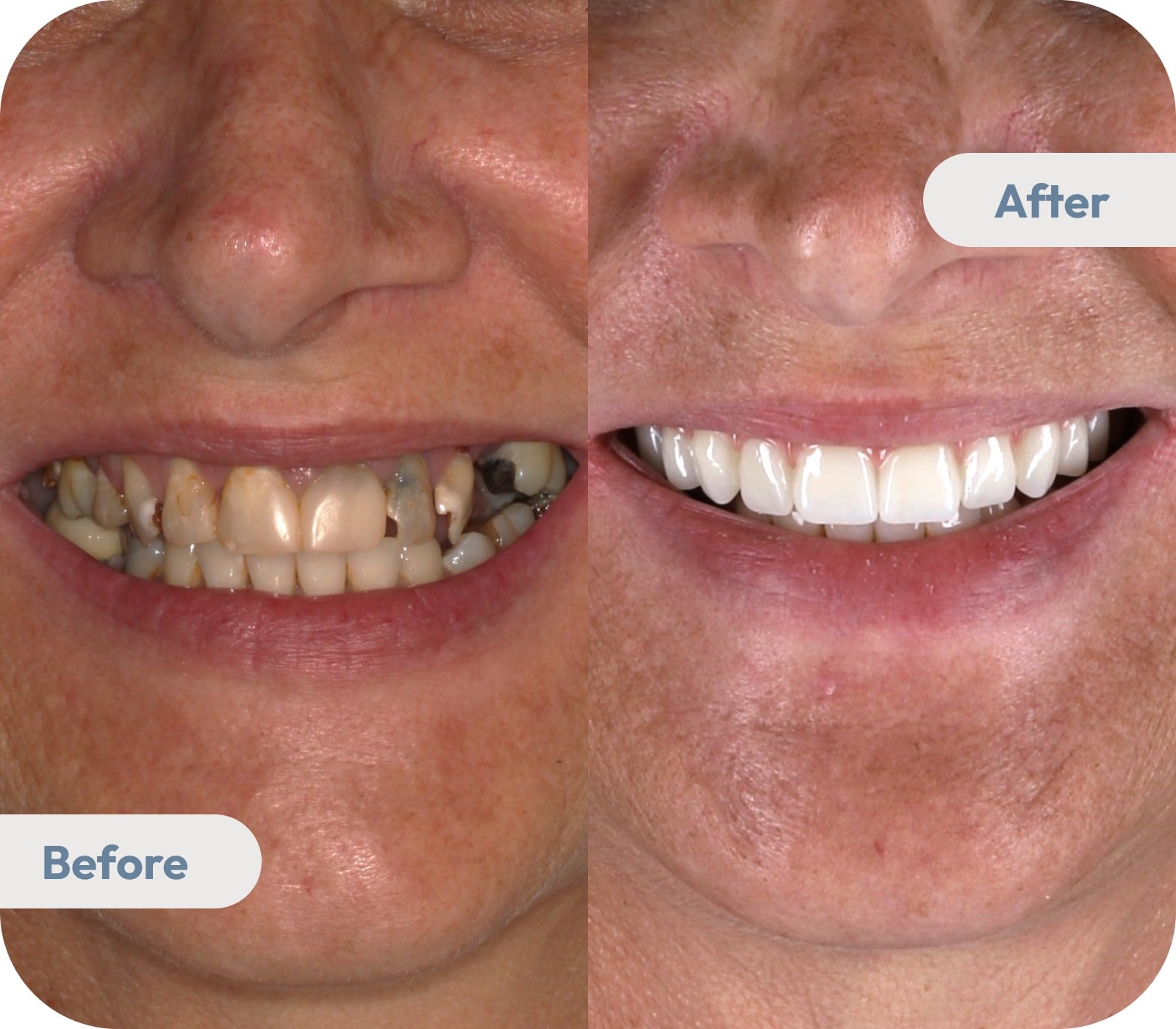
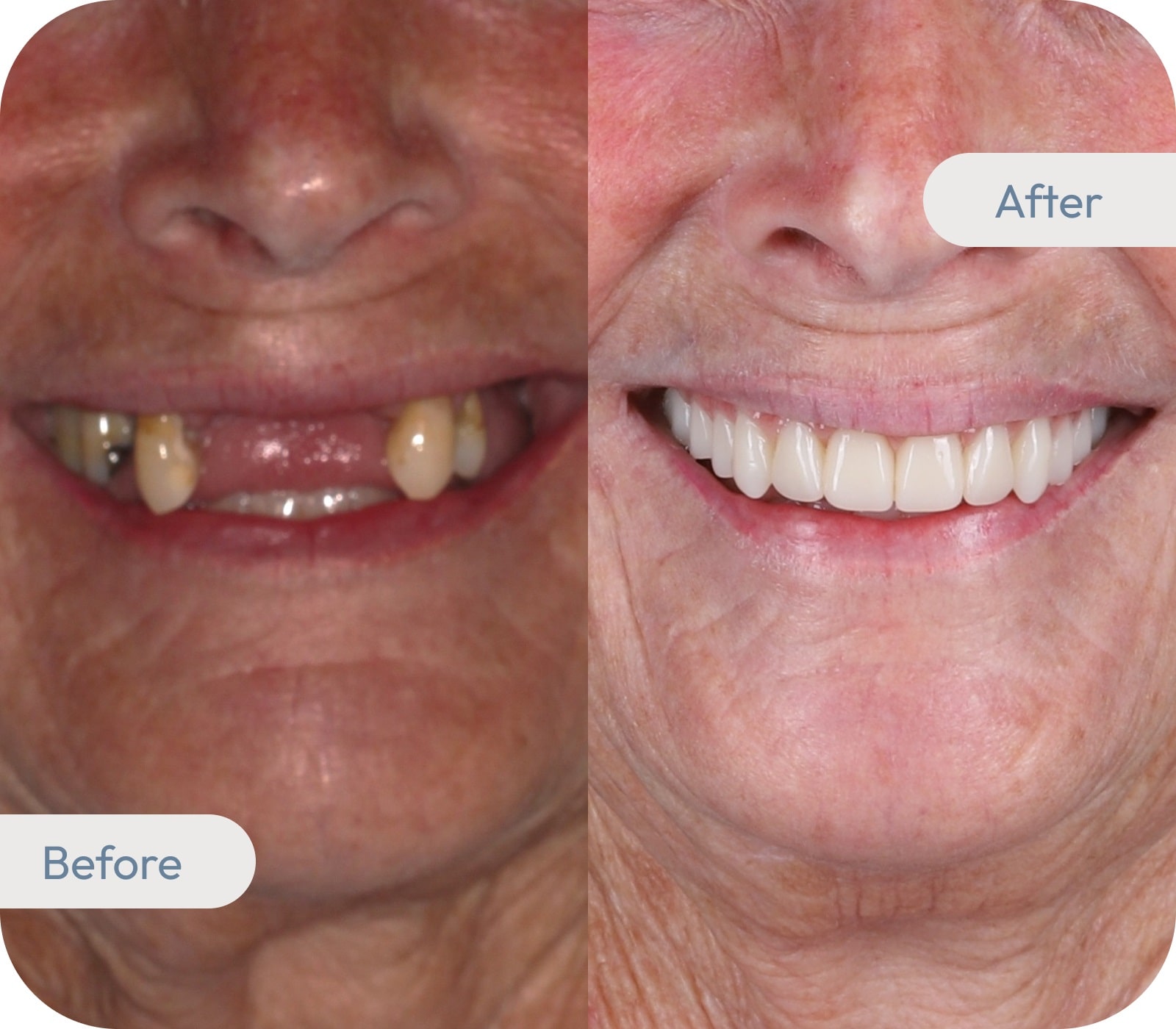
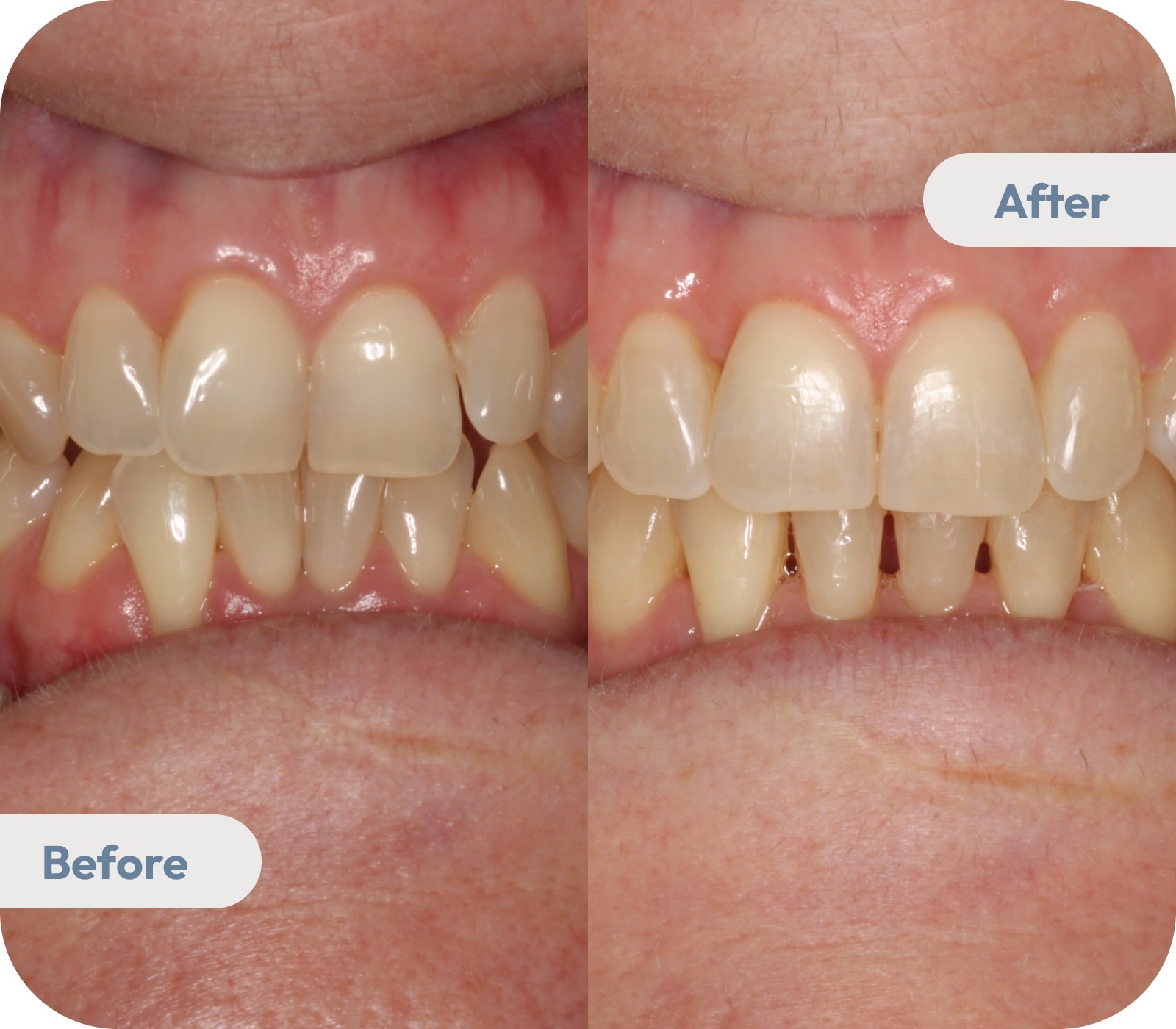
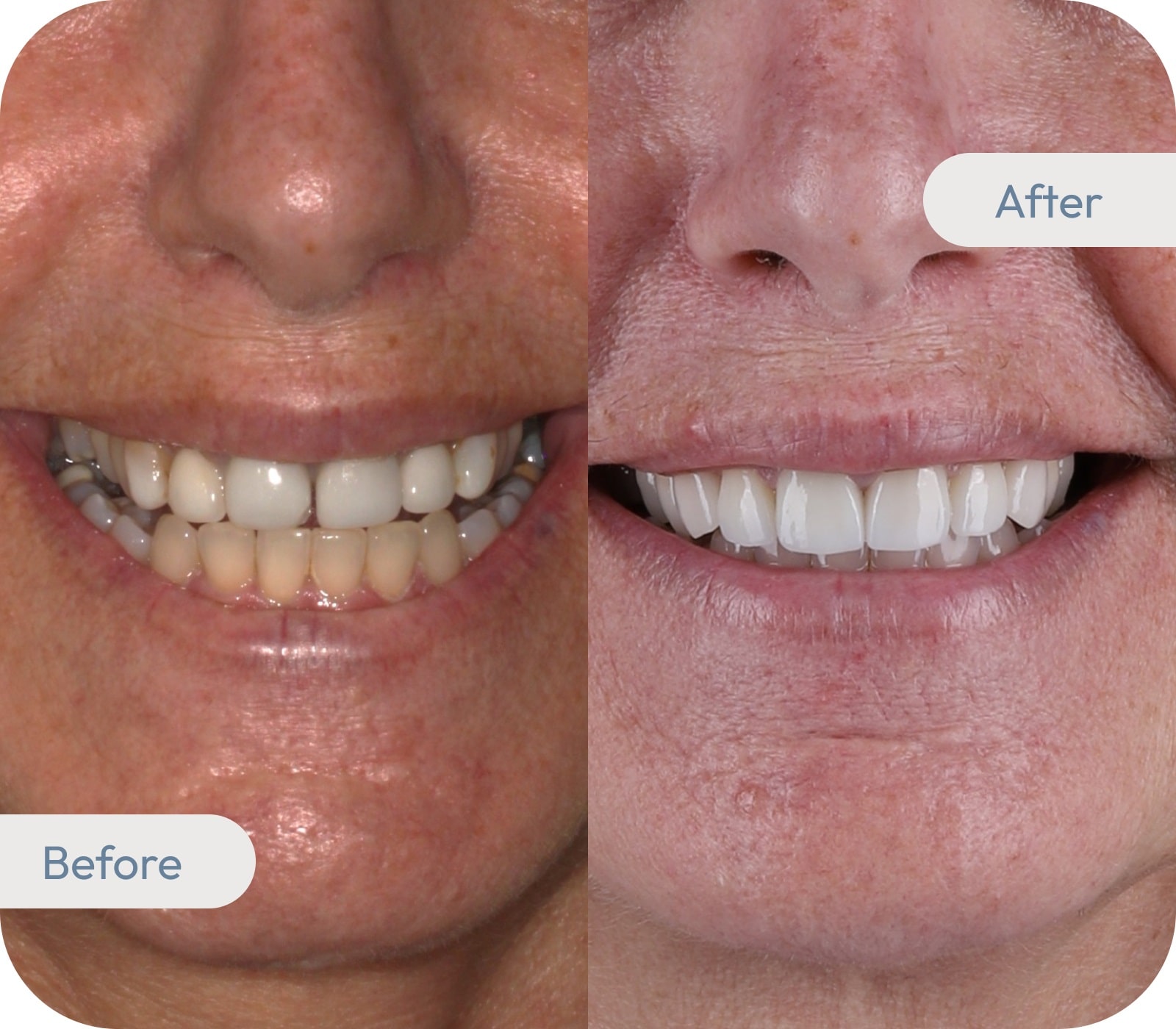
Smile Gallery – Before and After Treatment Examples

Explore real treatment outcomes in our gallery. These before-and-after photos show actual patients of Eversmile Dental, displayed with their consent. Outcomes vary between individuals, and results are not guaranteed. Images are unedited and taken under comparable conditions to reflect realistic treatment outcomes.

*These images display actual patients of our clinic. Every case is different, and treatment outcomes can vary according to individual conditions and needs.

Supporting Bunbury with Urgent Dental Care

When a dental emergency occurs, timely professional attention is important. At Eversmile Dental, we offer same-day emergency appointments whenever possible. Our focus is on providing prompt assessment and treatment planning to help manage urgent dental needs. Our team is available to assist patients with a wide range of emergency situations.

Explore Our Dental Implant Information Pages and Resources

Explore helpful, easy-to-understand information about dental implants. These pages cover treatment options, procedures, care, recovery,and what to expect at each stage.

1

Types of Dental Implants

2

Dental Implant Procedure

3

Dental Implant Benefits

4

Dental Implant Costs
and Financing

5

Dental Implant Care
and Maintenance

6

Dental Implant Success and Recovery

Frequently Asked Questions

Our FAQs page provides information on common concerns about managing a broken tooth, including immediate care, treatment timing, and follow-up options.

What should I do immediately if I break a tooth?

A broken tooth can lead to complications, even if it seems minor at first. Acting quickly may help manage discomfort and reduce the risk that the problem will become more complex.

Here’s what to do if a tooth breaks:

  • Rinse your mouth carefully with warm water to keep the area clean.
  • Apply a cold compress to the cheek to help manage swelling.
  • Avoid chewing on the broken tooth, as this can cause further damage.
  • Keep any broken pieces in saline or a clean container and bring them to your dental visit.
  • Call your dentist as soon as possible. Eversmile Dental provides urgent dental care in Bunbury for emergencies like this.

Small cracks can expose the inner part of the tooth, which may increase the likelihood of infection or long-term damage. Seeking care promptly allows your dentist to examine the tooth and recommend the most appropriate treatment.

If you’re managing a broken tooth in Bunbury, our team can provide clinical advice and discuss appropriate treatment options.

Yes. In many cases, a broken tooth may be considered a dental emergency, depending on symptoms. This is especially true when the tooth is painful, bleeding, or structurally unstable. Early treatment may help manage symptoms and lower the risk of further complications.

Here are some signs that your broken tooth may need urgent care:

  • You have sharp or ongoing pain, especially while chewing or eating hot or cold foods.
  • You can see visible damage, such as a large crack or a missing tooth segment.
  • There is bleeding from the gum around the tooth or from the tooth itself.
  • The broken edge feels sharp and is irritating or cutting your cheek, tongue, or lip.

Even if the tooth is not painful, internal damage could still occur. Cracks and fractures are not always visible, but they may worsen over time. A dentist can assess the extent of the break and recommend the most appropriate treatment.

If you are dealing with a broken tooth, our Bunbury team at Eversmile Dental can provide timely assessment based on clinical need and discuss appropriate treatment options.

It is generally not recommended to delay treatment for a broken tooth. Even if you are not in pain, early assessment may help reduce the risk of more serious problems from developing.

Here are some reasons why waiting may lead to complications:

  • Bacteria can enter the exposed area of the tooth, which may lead to infection or inflammation of the pulp.
  • The crack in the tooth may deepen or widen, especially with regular chewing or biting pressure.
  • The tooth may become more fragile, which can reduce the chances of restoring it with a simple procedure.

Some people may not experience discomfort immediately. However, internal damage can still exist. An examination allows your dentist to detect any hidden issues and recommend appropriate treatment.

If you have a broken tooth, Eversmile Dental provides appointments arranged as soon as clinically appropriate to assess the damage and recommend suitable care.

A broken tooth does not always cause pain right away. Some people experience immediate discomfort, while others may have no symptoms. The level of pain depends on the location and severity of the break.

Here are common scenarios that affect whether pain is present:

  • If the fracture is shallow and only affects the outer enamel, you may not feel any pain or sensitivity.
  • If the break reaches the dentine or pulp, you may feel sharp pain, especially when biting or eating hot or cold foods.
  • If the nerve is exposed, the tooth may become sensitive or may cause ongoing pain.

It is important to understand that even a painless break can lead to problems if left unmanaged. Small cracks can worsen over time if not managed.

A broken tooth is unlikely to fall out on its own. In most cases, the damaged tooth remains in place but becomes more fragile over time. Waiting for it to fall out may increase the likelihood of discomfort, infection, or other complications.

Here are a few reasons it’s not advisable to rely on a tooth falling out naturally:

  • A fractured tooth may still be attached by the root, even if the crown is significantly damaged.
  • Infection can dev elop inside the tooth or the surrounding gum tissue, especially if bacteria enter through a crack.
  • Ongoing chewing and pressure may contribute to the break worsening over time, possibly leading to tooth loss or damage to nearby teeth.

If the tooth becomes loose due to extensive damage, it may still need professional removal under controlled conditions.

Not taking action after a tooth breaks may contribute to additional oral health concerns. Even if there is no pain early on, damage inside the tooth may still progress over time.

Here are some possible outcomes when a broken tooth is not managed:

  • Bacteria may reach the inner part of the tooth, which may increase the chance of infection or abscess.
  • The crack may become deeper, especially during normal chewing or biting.
  • Pain or sensitivity may appear, particularly if the nerve becomes involved.
  • The tooth may become unstable, which may affect the surrounding teeth or the nearby gum.

A minor issue may eventually turn into a dental emergency in Bunbury if the damage worsens. Seeing a dentist promptly may help manage the problem before it becomes more complex.

If you have concerns about a broken tooth, booking a dental visit may help identify concerns early and support appropriate management.

Not all broken teeth need to be taken out. In many cases, the tooth can stay in place if the structure is strong enough and the damage is limited.

Whether the tooth can remain depends on a few key factors:

  • If only the outer layer is affected, the tooth may be managed with a less extensive procedure.
  • If the break extends to the nerve or root, the dentist will assess the stability of the tooth before deciding on the next step.
  • If the tooth is cracked but still intact, it may be suitable for a crown restoration, depending on clinical assessment.

Removal is usually considered when the tooth cannot support further restorative procedures. This may happen if the crack extends below the gum or if there is a severe infection.

Your dentist will examine the area and discuss options to help maintain function and manage symptoms. If you need urgent attention, an emergency dentist in Bunbury can assess your situation and offer appropriate care.

Yes, it is generally okay to brush a broken tooth, but it should be done with care. Keeping the area clean is important, especially if the inner part of the tooth is exposed.

Here are some helpful tips when brushing around a damaged tooth:

  • Use a soft-bristled toothbrush, as it will be less likely to irritate the area.
  • Brush carefully and avoid heavy pressure, especially if the tooth feels sensitive.
  • Do not brush directly over any sharp or jagged edges, as this could cause injury to your tongue or cheek.
  • Rinse with warm salt water to help keep the area clean and ease irritation.

If the break is large or painful, brushing may be uncomfortable. In that case, use a rinse and arrange an appointment to have it assessed by a dental professional.

The cost of cracked tooth treatment can vary. It depends on the type of damage and the procedure required to support comfort and function.

Fees differ between dental clinics, but the following estimates reflect general pricing ranges:

  • An initial consultation or exam may range from $200 to $300. The total may be higher if X-rays or further assessments are needed.
  • Restorative procedures like fillings or bonding may range from approximately $180 to $500, depending on the treatment required. Costs depend on the size of the break and which tooth is involved.
  • Crowns or more complex work may start from around $1,600 and can exceed $2,000. This depends on the materials used and the level of preparation required.

These figures are intended as a guide only. They are not specific to Eversmile Dental. A detailed quote based on your individual needs can be provided after your consultation.

Eversmile Dental provides HICAPS, allowing on-the-spot health fund processing where available. We also accept a range of government dental programs that support eligible patients.

Various Payment Options Available

Eversmile Dental offers a range of flexible payment options to assist patients in managing the cost of their dental care. Please ask our team for details about the payment plans available.
Right Menu Icon