




Local Help for Dental Emergencies
Your Neighbourhood Emergency Dentist
in Bunbury
Getting Immediate Dental Care Can Help Prevent Further Complications
Dental pain or trauma often happens without warning. If not managed, dental emergencies can lead to discomfort or complications, such as infection. Prompt dental assessment can assist in identifying the cause of symptoms and provide appropriate management. Knowing when to seek help allows your dentist to address issues promptly and reduce the chance of complications.
Is It Urgent? Common Signs That You Need Dental Attention
- Throbbing tooth pain
The constant, throbbing pain may indicate pulp inflammation, deep decay, or an abscess. It often worsens at night, may radiate to the jaw or ear, and may require assessment by a dental professional for appropriate management.
- Mouth swelling
Swelling in the cheek, jaw, or gums may be caused by an infected tooth. It may also cause tenderness or a bad taste and may spread to nearby tissues if not managed promptly.
- Persistent gum bleeding
Bleeding that continues after brushing, flossing, or injury could signal advanced gum disease or trauma. Ongoing bleeding may indicate infection or tissue damage, which can be evaluated by a dental professional.
- Pain when chewing
Sharp pain when biting down may result from a cracked tooth, loose filling, or inflamed pulp. Without timely care, this symptom may lead to increased sensitivity, infection, or further damage to the affected tooth.
Benefits of Seeing a Registered Emergency Dentist
- Faster pain relief
Immediate assessment may help identify the source of discomfort and guide appropriate care. Early treatment may help manage symptoms, support recovery, and improve comfort during daily activities such as eating, speaking, or resting.
- Targeted treatment plan
A thorough diagnosis helps identify the exact problem, such as an abscess, cracked tooth or swelling. This information allows the dentist to tailor care, avoid unnecessary procedures and support effective short-term treatment outcomes.
- Managing dental issues early
Delaying care for dental issues can lead to infection, swelling, or fever that could spread if not managed promptly. Timely care may help reduce the risk of complications that could extend beyond the affected tooth.
- Access to urgent care
Accessing urgent dental care in Bunbury provides timely support options when dental issues arise unexpectedly. It can be particularly important after hours and may help manage symptoms and prevent further deterioration, where possible.
Common Dental Emergencies We Manage in Bunbury
Toothache
Toothaches may be caused by decay, infection, or exposed nerves. Sharp or persistent pain is promptly assessed to help determine the cause. Depending on urgency and scheduling, same-day dental appointments in Bunbury may be available to help manage discomfort and assess the underlying issue in a timely manner.
Broken Tooth
A tooth may break due to injury, decay, or biting into something hard. The break can result in pain, sensitivity, or sharp edges that irritate the mouth. Seeking timely care may help relieve discomfort, protect the remaining tooth structure, and reduce the risk of infection or further damage.
Lost Filling or Crown
When a filling or crown falls out, the exposed tooth may feel sensitive or painful, especially when eating or drinking. Bacteria may enter the area, increasing the risk of decay. Prompt care may help restore protection, relieve discomfort, and reduce the likelihood of needing more extensive dental treatment.
Knocked-out Tooth
A knocked-out adult tooth is a time-sensitive situation that benefits from prompt dental attention, ideally within one hour, where possible. If the injury occurs outside regular hours, visiting an after-hours dentist in Bunbury may improve the chances of assessing whether the tooth can be replanted.
Emergency Root Canal
Severe tooth pain, lingering sensitivity to heat, or swelling may indicate an infection of the tooth pulp. An emergency root canal is performed to remove damaged tissue and may help relieve pressure. Early assessment can allow the clinician to determine whether the tooth can be maintained.
Emergency Root Canal
If a tooth is severely damaged, decayed, or infected to the point of being beyond restoration, in some cases, emergency extraction may be recommended. Removing the affected tooth may help relieve pain, reduce the risk of infection spreading, and help maintain the health of nearby teeth, gums, and oral tissues.
Don’t Delay Your Dental Care — We’re Here to Help
Urgent dental care is available at Eversmile Dental in Bunbury when you need it. Get in touch to arrange a timely appointment and discuss your dental concern with our team for appropriate care and advice.

Access Comprehensive Emergency Dental Care
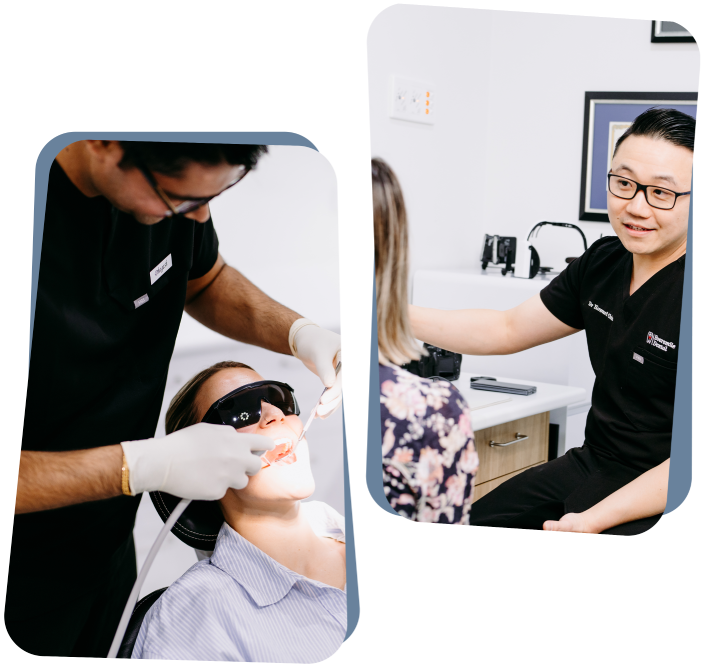
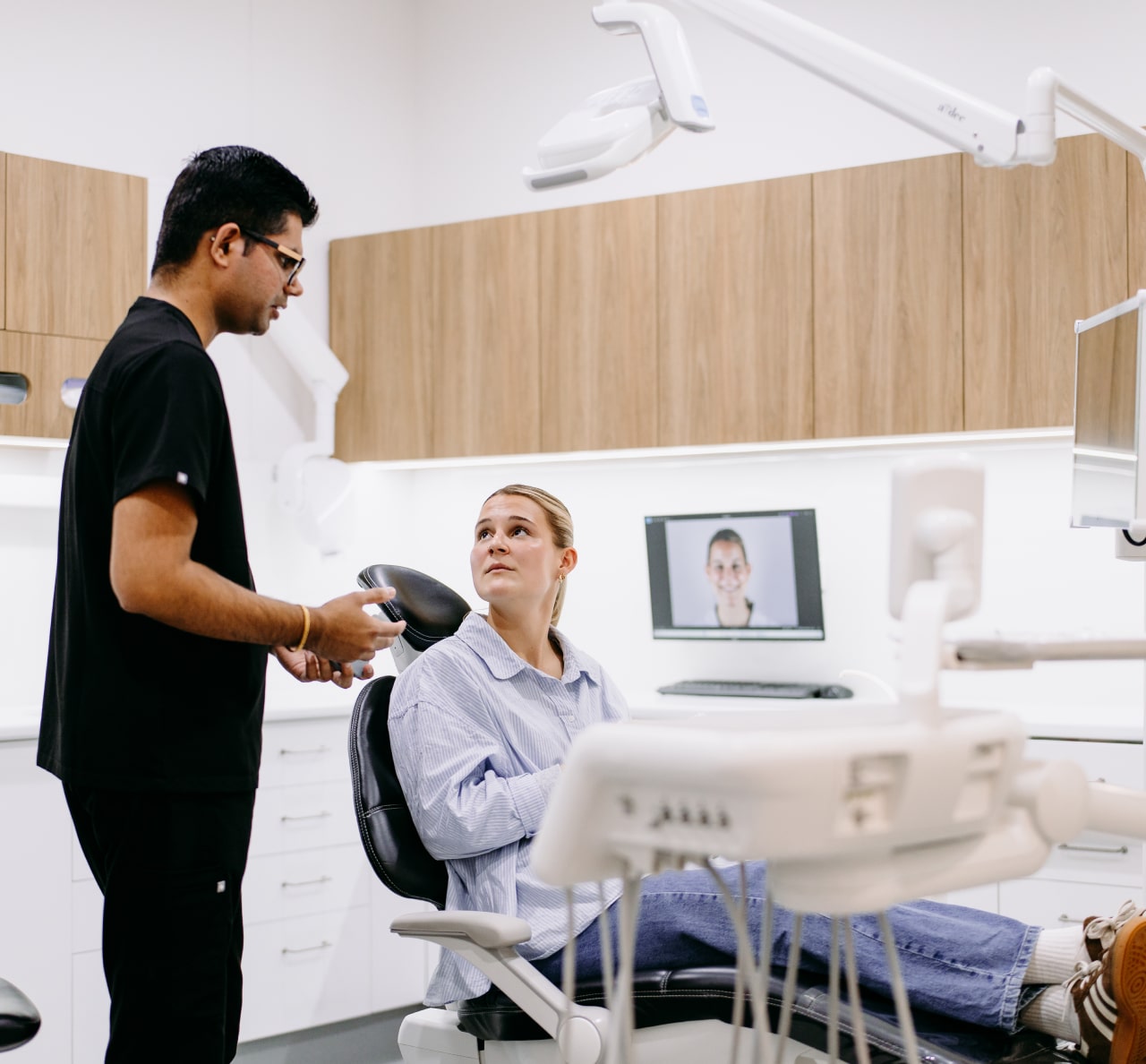
When you arrive, our team will welcome you into a professional and supportive space. We understand that dental emergencies can cause discomfort or anxiety, and our staff provides care with professionalism and sensitivity. We’ll assist with check-in and help you prepare comfortably for your appointment. Our clinic aims to provide a supportive environment and attentive care to patients who need urgent dental assistance.
Your comfort and safety are our top priorities. An experienced dental professional will take the time to ask about your symptoms, their duration, and any relevant health history to gain a clear understanding of your situation. This helps us identify urgent concerns and respond promptly. We also take your emotional well-being into account, recognising that your overall experience is just as important as the clinical care you receive.
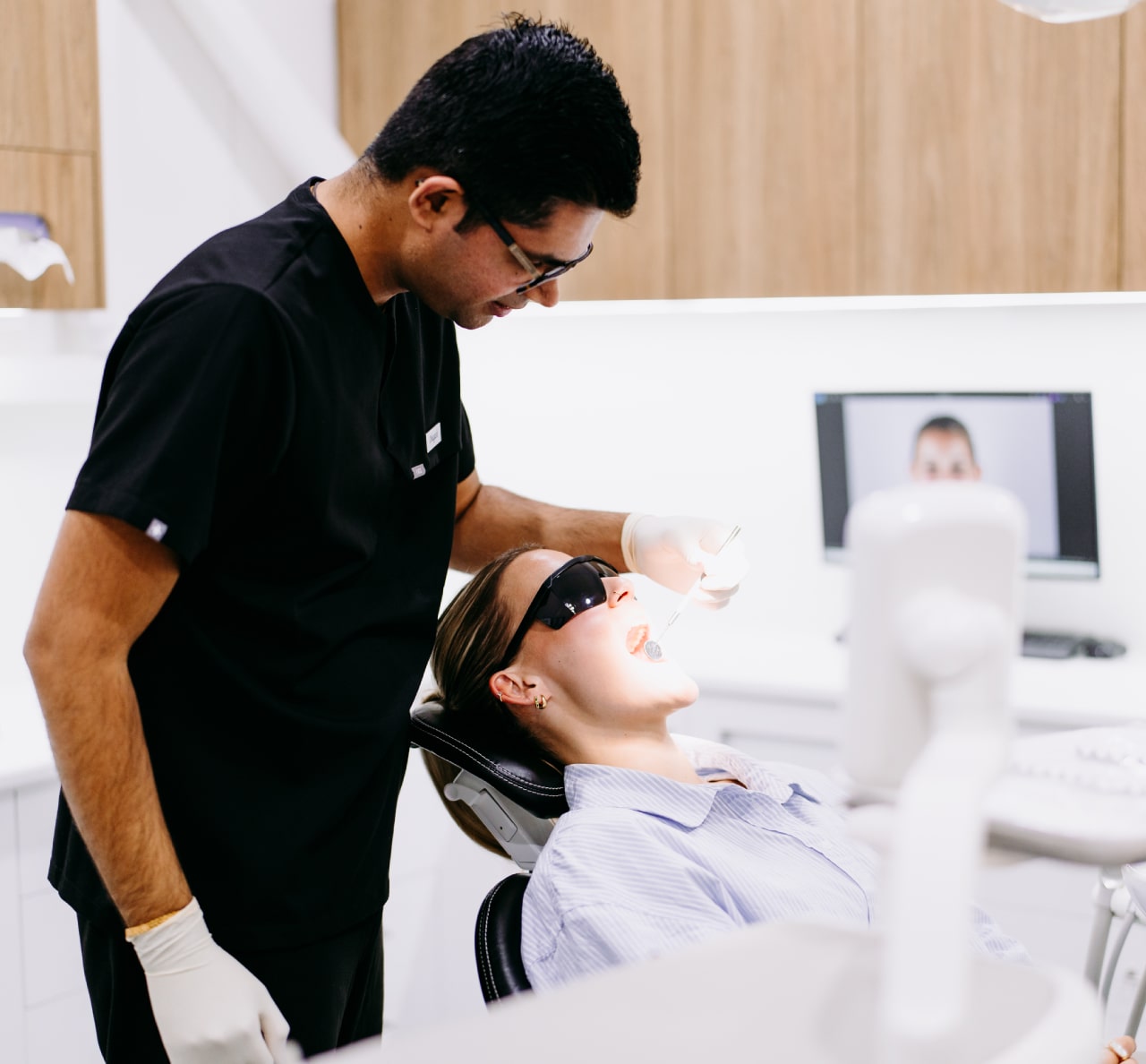
To get a clear understanding of what’s occurring beneath the surface, digital X-rays may be taken if clinically appropriate. These images help identify the precise cause of your concern—whether it’s an infection, a fractured tooth, or another issue. An accurate diagnosis helps guide appropriate care for your situation.
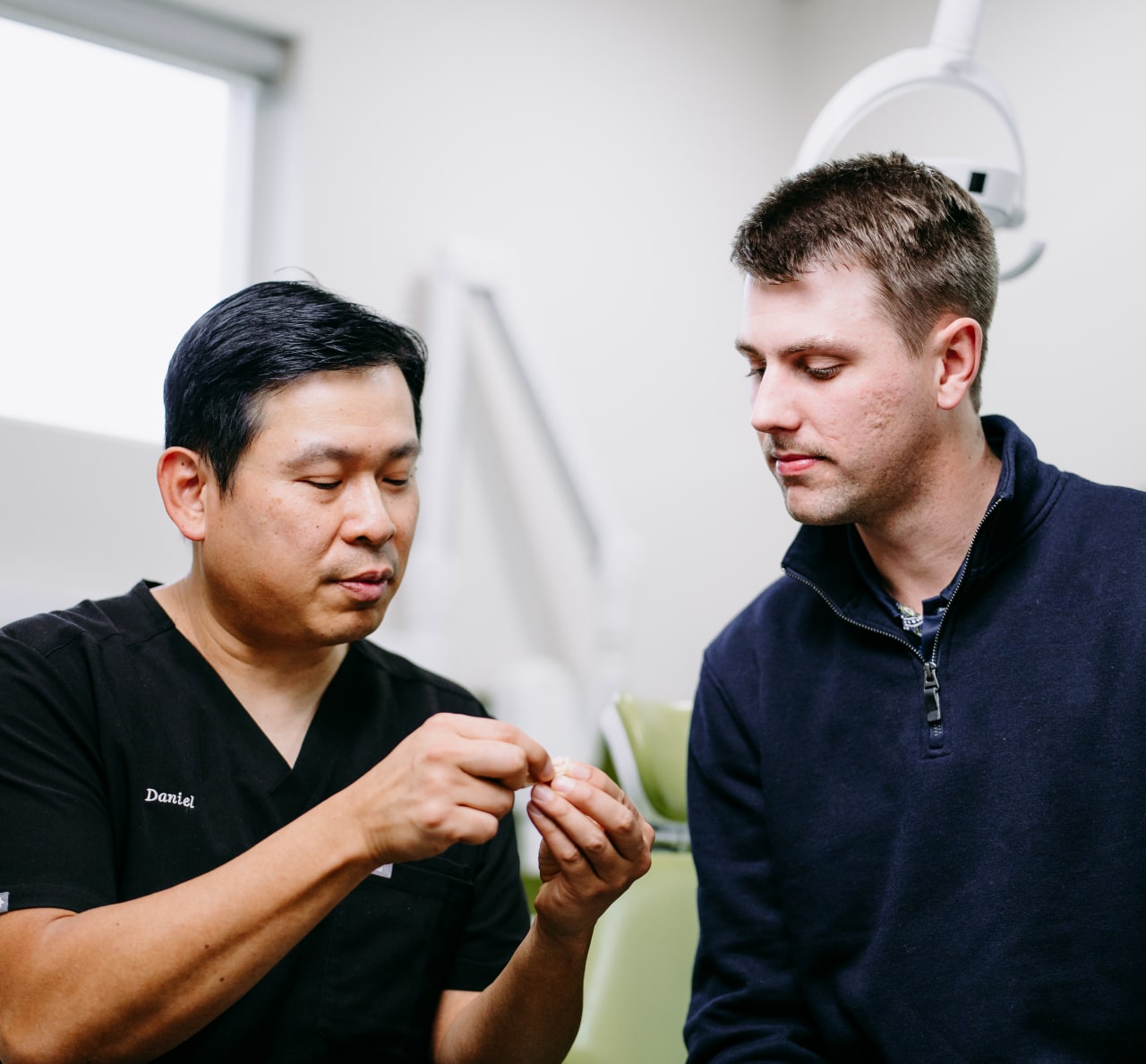
Once we’ve identified the issue, we’ll guide you through the next steps with clarity and care. You’ll be informed of all available options—from immediate relief to longer-term treatment if needed. We’ll provide transparent cost information and take the time to answer your questions, focusing on what promotes your health and peace of mind.
Our goal is to address your symptoms promptly, where clinically appropriate. Whether that means managing swelling, restoring a broken tooth, or stabilising a lost filling, we’ll urgently proceed with care that considers your comfort. We provide clear information about the treatment, aftercare, and any recommended follow-up. If needed, we’ll also check in with you after your visit—because your comfort matters beyond the appointment.
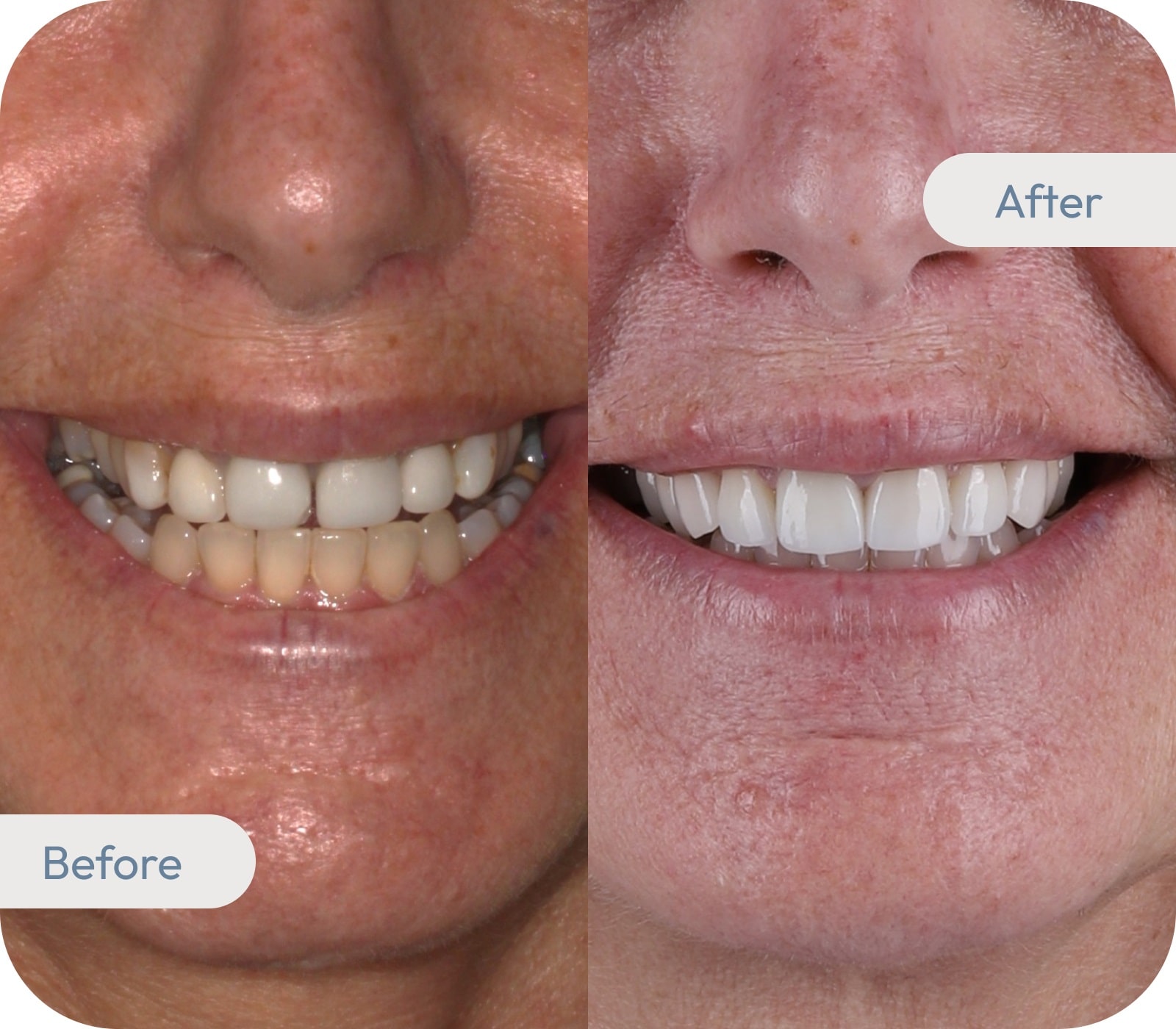
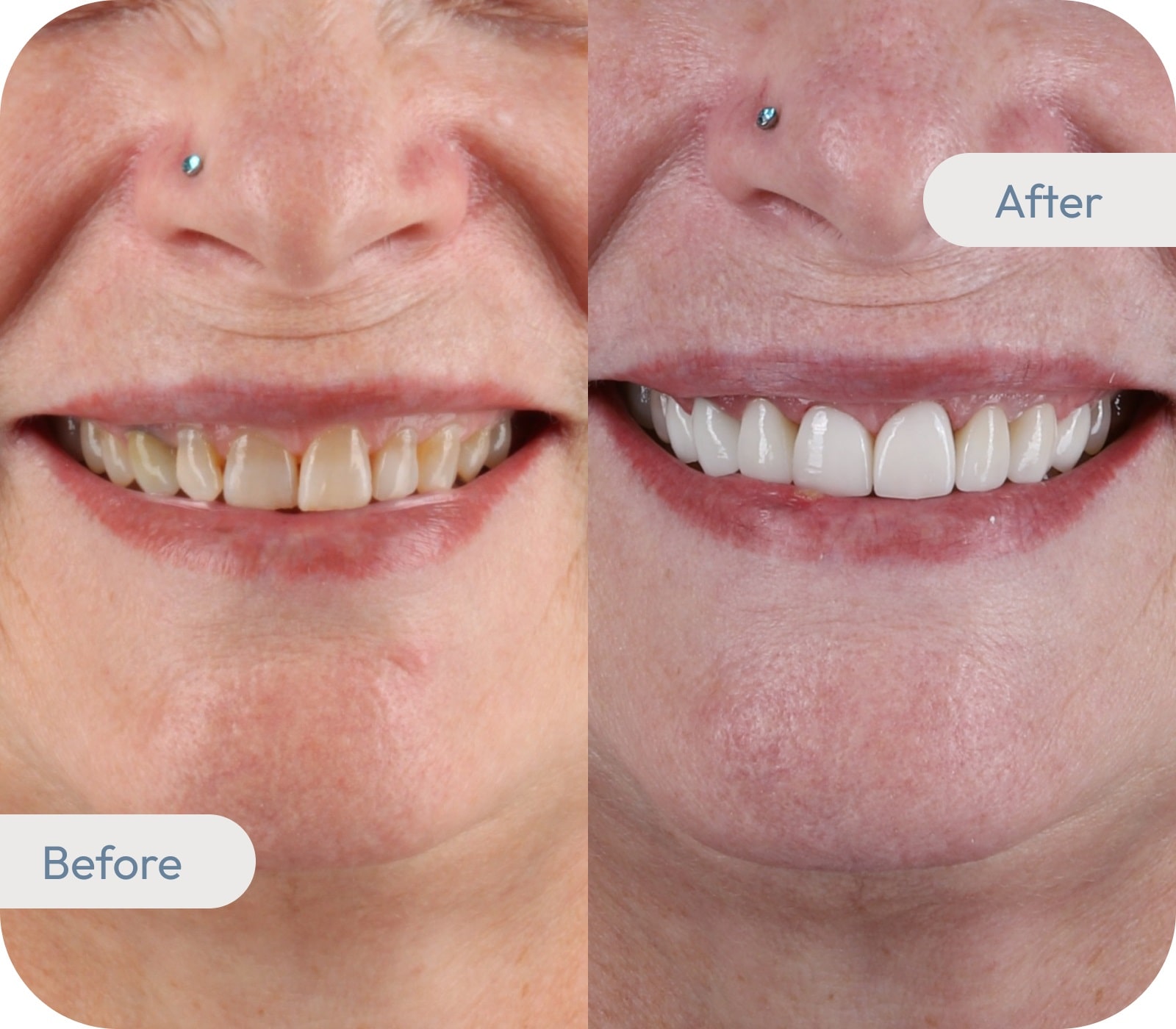
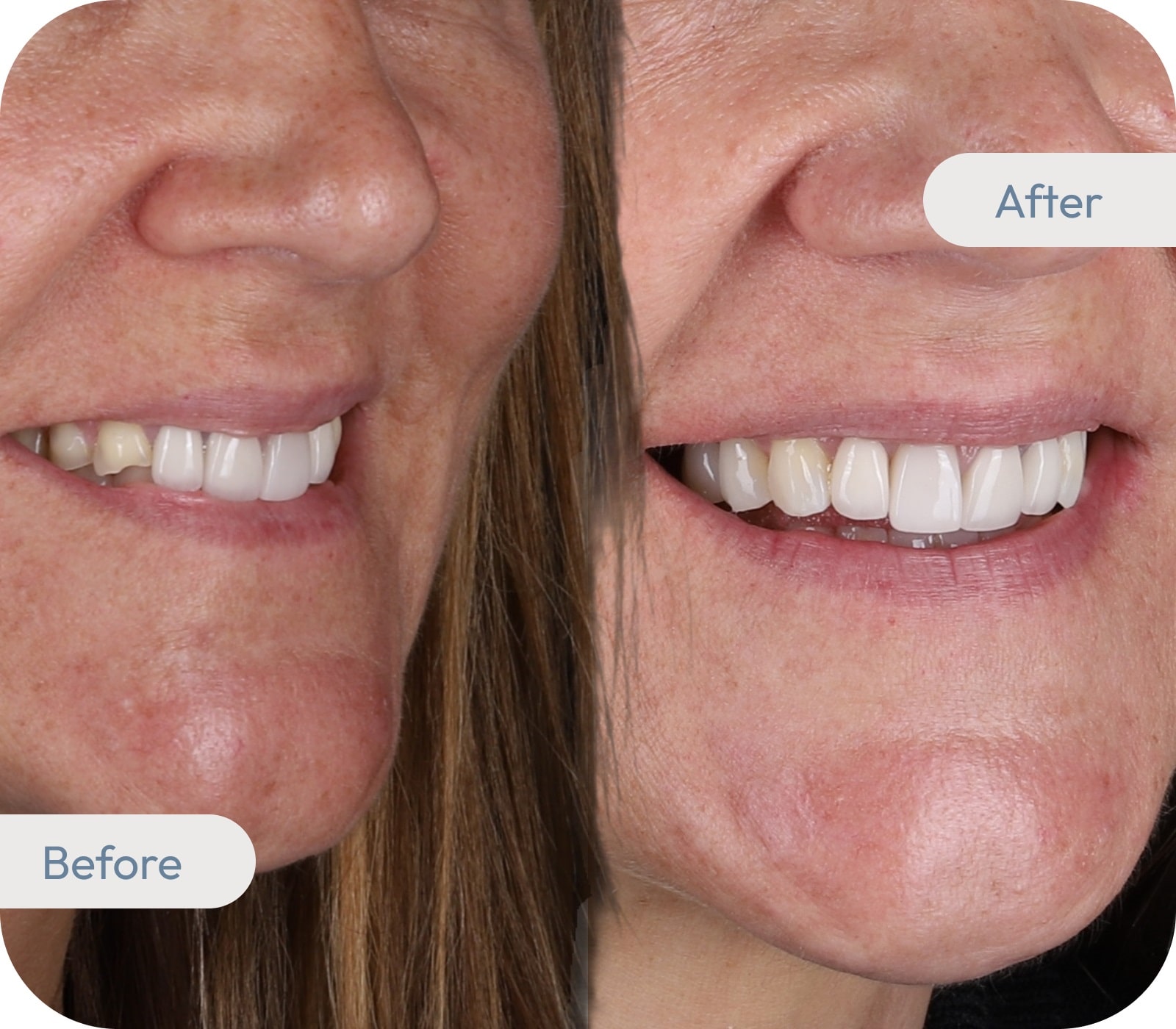
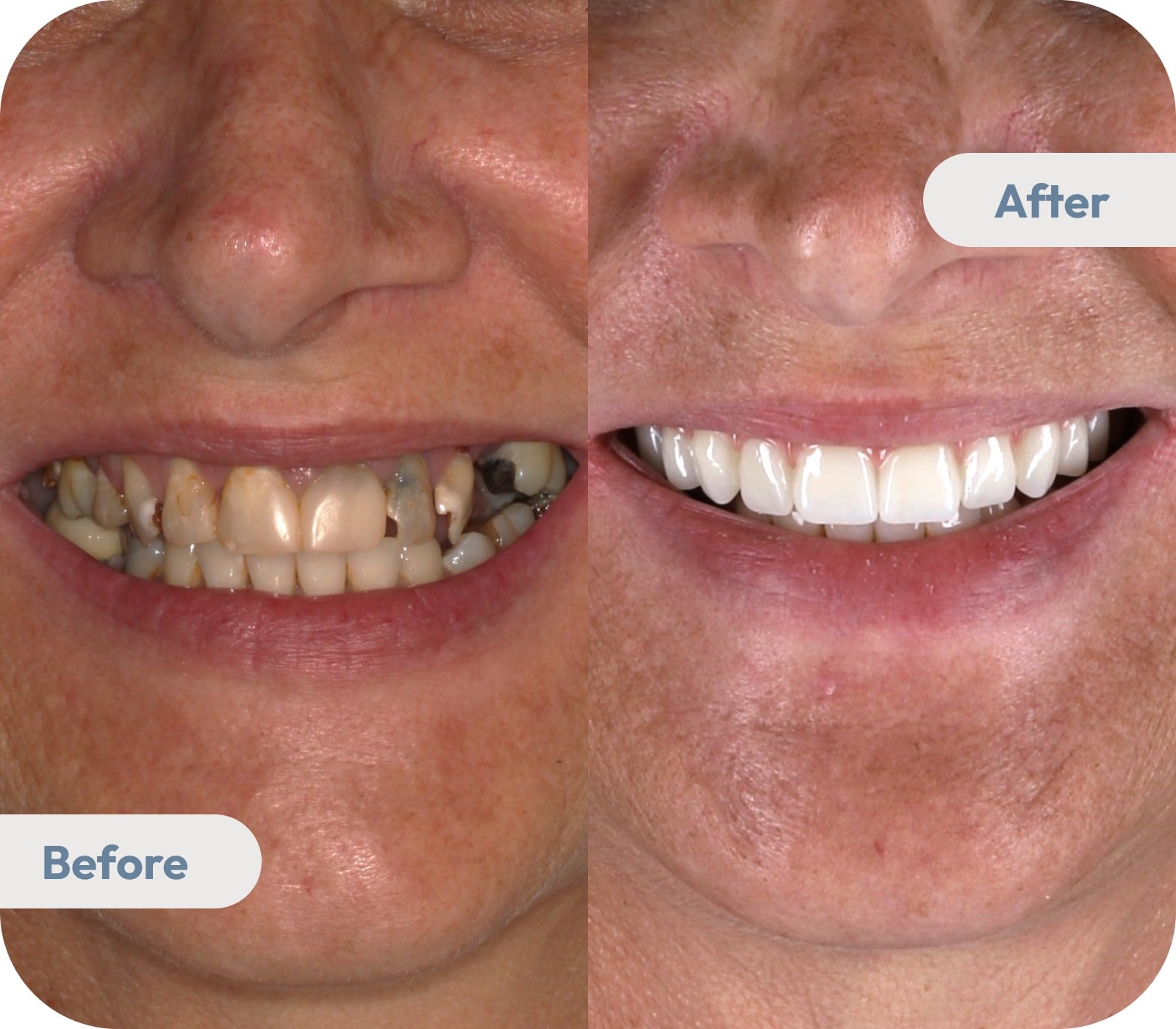
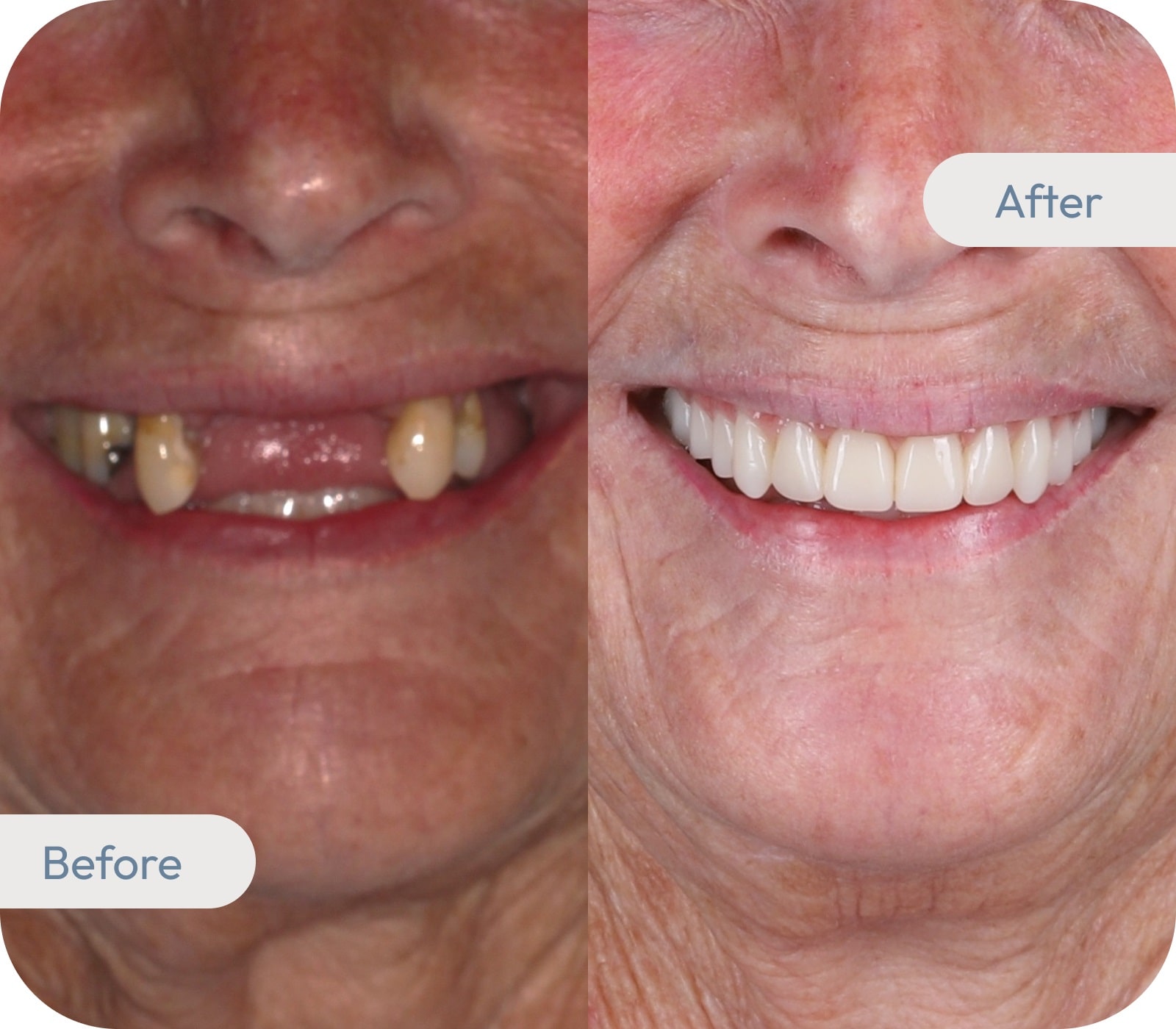
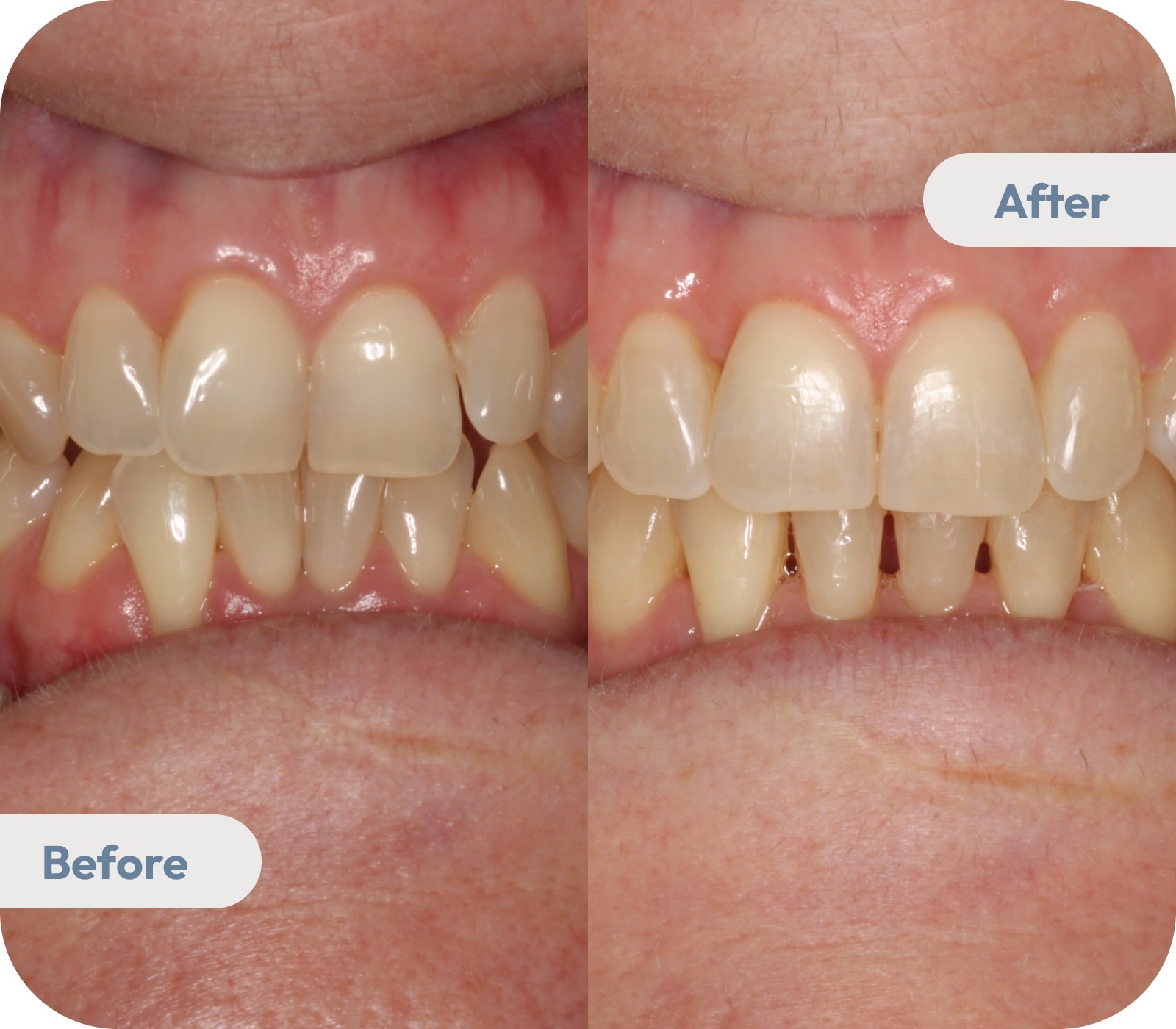
Smile Gallery – Before and After Treatment Examples
*These images display actual patients of our clinic. Every case is different, and treatment outcomes can vary according to individual conditions and needs.
Supporting Bunbury with Urgent Dental Care
-
- Local Team Providing Emergency Dental Services
- We’re part of the Bunbury community, and when you call us in a dental emergency, we provide professional care. Whether it’s a child with a knocked-out tooth or an adult with a sudden toothache, our team will arrange to see you as promptly as possible and explain the treatment process.
-
- Providing Emergency Dental Care in Bunbury Since 2006
- For nearly two decades, we’ve helped Bunbury locals through unexpected dental problems—broken teeth, lost fillings, sudden pain, and more. Our experienced team provides assessment and treatment tailored to the needs of emergency situations.
-
- Emergency Dental Care for Every Stage of Life
- Emergencies don’t just happen to adults. Kids, teens, and older family members all face dental mishaps, too. That’s why we offer emergency care across all ages, whether it’s a sports injury, infection, or a dental problem that’s been quietly getting worse. We manage a wide range of dental emergencies.
-
- Clear Communication and Support in Dental Emergencies
- Dental emergencies can be stressful, and our role is to provide clear guidance. We explain what is happening, outline the treatment options available, and discuss likely costs and expected outcomes. Our approach is to inform patients to help them make decisions about their care.
-
- DConsistent Approach to Emergency Dental Care
- Even in a dental emergency, our approach remains consistent. We focus on clear communication, professional standards, and respect for your individual needs. Our team provides treatment recommendations based on clinical assessment and discusses options transparently. You’ll receive practical information and care designed to address your situation appropriately.
-
- Equipped for Emergencies, Prepared for Precision
- Our clinic is equipped with CBCT imaging, digital scanners, and modern diagnostic tools to assist with accurate diagnosis and timely treatment planning. We combine speed with precision, with the aim of providing timely assessment and treatment to help relieve urgent dental issues.

Explore Our Dental Implant Information Pages and Resources
Frequently Asked Questions
What counts as a dental emergency?
A dental emergency generally involves unexpected symptoms or damage that may require prompt assessment to understand the issue and give appropriate management. These issues can interfere with daily activities and may worsen without professional attention. Below are examples of situations that are commonly considered dental emergencies:
- Severe or persistent tooth pain:
Intense pain that does not go away could be a sign of deep decay, infection, or nerve involvement. This type of pain may persist or change over time and usually requires assessment by a dental professional. - Facial or gum swelling:
Swelling around the face, jaw, or gums may indicate an infection or abscess. If not addressed, it may spread to surrounding tissues and affect overall health. - Knocked-out (avulsed) tooth:
A tooth that has been completely dislodged due to injury is time-sensitive. Depending on the circumstances, a dental professional can assess whether reimplantation is appropriate. - Cracked or broken tooth:
A broken tooth may expose the inner layers, causing pain, increasing the risk of infection and making chewing difficult. Urgent assessment can help identify the extent of the issue and discuss suitable care options. - Uncontrolled bleeding in the mouth:
Bleeding that continues despite some pressure may indicate trauma to the gums, soft tissues, or deeper structures and may require prompt evaluation by a dental professional.
Lost filling, crown, or dental appliance causing discomfort: While not always urgent, exposed areas can become sensitive or prone to damage. If the issue causes pain or affects your bite, timely care may be needed.
How quickly can I be seen in an emergency?
Can a dentist pull an infected tooth the same day?
Tooth removal for an infection depends on several factors, including the severity of the infection and whether swelling is present. In some cases, following assessment, a dentist can advise whether extraction on the same day is clinically appropriate. In some situations, initial management may be required before considering extraction. A clinical assessment is always required to determine the safest timing and the most appropriate course of care.
What should I do if I have a severe toothache at night?
A severe toothache at night can be difficult to manage, especially when access to immediate care may be limited. Taking appropriate temporary measures at home may help manage symptoms until professional advice or treatment becomes available. Here are some temporary measures for managing discomfort:
- Rinse your mouth gently with warm water:
This helps remove any trapped food or debris that may be irritating the area. Avoid using mouthwash containing alcohol, which may cause stinging or dryness. - Apply a cold compress to your cheek:
Place a wrapped cold pack or a cloth-covered ice pack on the outside of your face near the sore area. This may help reduce inflammation and dull pain. - Use over-the-counter pain relief if appropriate:
Pain relief medication may be taken as directed on the label if it is appropriate for you. This may offer short-term symptom support. Do not apply any medication or substances directly to the tooth or gums unless advised by a dental professional. - Elevate your head while resting:
Keeping your head slightly elevated may assist with comfort, particularly when lying down. - Contact an after-hours dental service if the pain is intense:
If the discomfort is severe, worsening, or affecting your ability to sleep, it’s appropriate to contact an after-hours service. A professional can advise on whether urgent care is appropriate or if monitoring until morning may be suitable.
Are dental emergencies covered by health funds?
Whether a health fund contributes to the cost of emergency dental care depends on your individual policy. Some may include benefits for urgent appointments, while others may not. Patients are encouraged to check with their health fund provider before a visit, as item numbers, waiting periods, and annual limits can affect what is included in their policy.
Can I go to the hospital for a toothache?
How long can a broken or infected tooth go unaddressed?
A broken or infected tooth may change or progress over time, depending on the severity and location. Pain can vary during this time, and there is a possibility of swelling, infection, or effects on nearby teeth. In some cases, if the infection spreads, it may also impact overall health, such as causing a fever. Even if symptoms are mild, arranging an assessment as soon as possible allows a clinician to identify any concerns early and discuss treatment options.
How much does emergency dental treatment cost in Bunbury?
How do I know if my child needs emergency dental care?
Children may not always describe dental pain clearly, so watching for possible signs of concern can be helpful. Emergency dental care may be appropriate if you notice any of the following signs:
- Your child is crying, irritable, or refusing to eat:
Sudden behavioural changes, such as increased fussiness, disrupted sleep, or refusal to eat, may indicate that something is bothering your child and warrant assessment. Children may not always verbalise pain directly, especially if the discomfort builds slowly. Suppose your child avoids chewing on one side, winces while eating or seems distressed during brushing. In that case, it may be helpful to arrange a professional assessment to understand what’s causing the discomfort. - Visible damage to a baby or adult tooth:
Any noticeable chip, crack, or looseness, whether in a baby or adult tooth, warrants attention. A fall or bump to the mouth can sometimes injure teeth below the surface, even if the damage appears minor. While baby teeth will eventually fall out, damage may influence comfort or function and is worth having checked. - Swelling or a pimple-like spot on the gums:
A small blister, bump, or swelling on the gum near a tooth could signal an infection or abscess, especially if it’s tender to touch or leaking fluid. This may indicate pressure from infection or irritation in the area. This should be assessed by a dental professional, as abscesses may progress or lead to additional concerns if not evaluated promptly.
Do you provide care for kids with dental emergencies?
Various Payment Options Available
Book Your Appointment Online or Call Our Bunbury Dental Clinic Today
Book an appointment with our dentist in Bunbury to discuss your oral health needs. We provide tailored dental treatments and clear information to support informed decisions about your dental care.