

Treatment Options for Missing Teeth
Explore the Types of Implants We Offer
Understanding Dental Implants and How They Can Help
Types of Dental Implant Treatments We Offer
in Bunbury
- Single Dental Implants
A single dental implant replaces one missing tooth without affecting nearby teeth. It consists of a titanium post, abutment and crown. This treatment is designed to restore function and may help reduce the risk of shifting teeth, bone loss and bite changes over time.
- Multiple Dental Implants
Multiple implants are used when several teeth are missing in different areas. They provide durable support for individual crowns or bridges, helping restore function and replace missing teeth. This option can reduce pressure on remaining teeth and may improve comfort when chewing or speaking.
- All-on-X Implants
All-on-X implants support a full arch of teeth using four or more implants placed strategically in the jaw. They are designed for patients with extensive tooth loss and offer a stable alternative to removable dentures. Each treatment is planned to suit individual needs.
Dental Implant Procedure: From Initial Consultation to Recovery
During your first appointment, the dentist providing dental implants in Bunbury will review your dental and medical history, assess your oral health, and take diagnostic images such as CBCT scans. This information helps evaluate bone structure and plan your treatment. You'll also discuss whether implants are clinically suitable for your oral health. No procedures are performed at this stage, as the focus is on assessment, planning, and treatment recommendations.
After your assessment, an individualised treatment plan will be developed based on your clinical oral health assessment. This may involve a single implant, multiple implants, or a full-arch implant-supported option (sometimes known as All-on-X). The discussion will include estimated costs, expected timelines, and any preparatory procedures, such as bone grafting if required. Patients will have the opportunity to ask questions and review information provided during the consultation.
On the day of your procedure, your dentist will review available sedation options appropriate for your procedure. A small titanium post is then carefully placed into the jawbone to act as the implant’s foundation. Some discomfort is expected after placement and can typically be managed with prescribed pain relief medication and aftercare instructions as advised by your dentist. You'll be guided on how to eat, clean the area, and manage healing during the early recovery stage.
After implant placement, the healing process may take several months, often between three and six, depending on individual circumstances. During this time, the bone fuses with the implant through a process called osseointegration, an important factor for long-term stability. You'll attend checkup appointments to monitor progress. Maintaining daily oral hygiene, following aftercare advice, and attending follow-up visits all help support healing and maintain the implant site during this phase.
Once healing is complete, a custom-made crown, bridge, or denture is attached to the implant. Your dentist will evaluate the fit and appearance of the restoration prior to final placement. After placement, you will have follow-up visits to check how the restoration is functioning. Proper maintenance, including regular checkups and good oral hygiene, helps support the ongoing health of the implant and surrounding tissues.
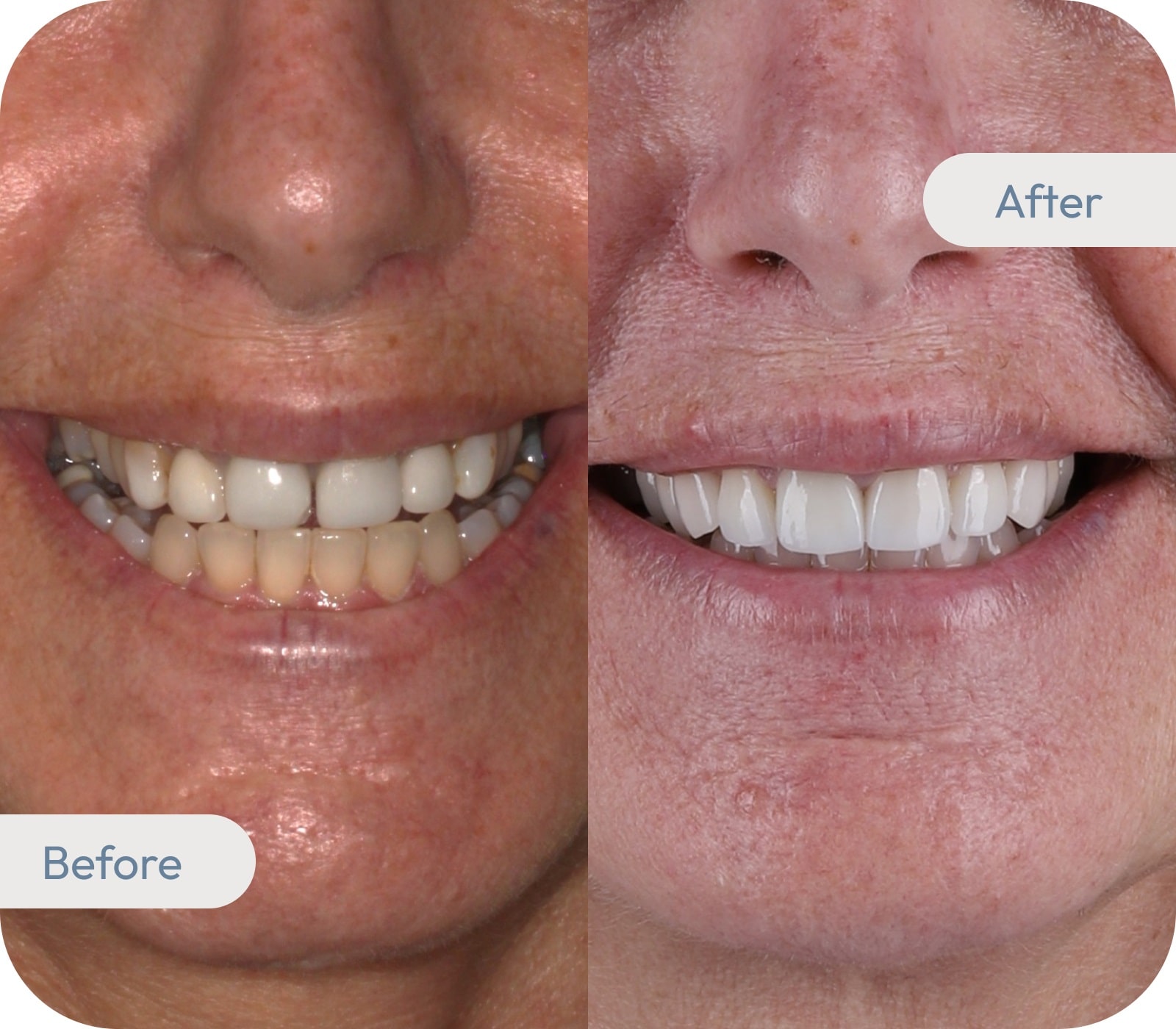
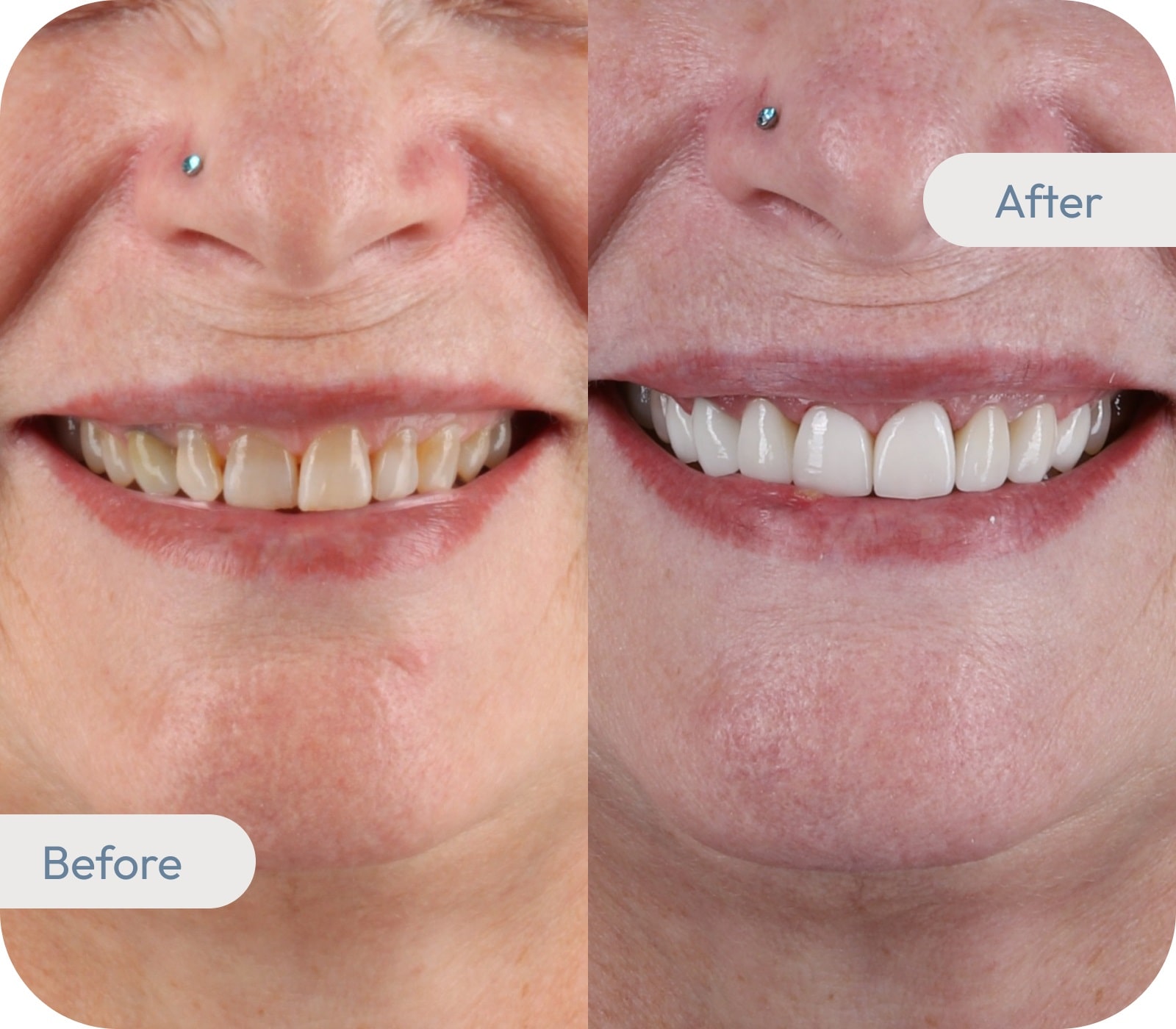
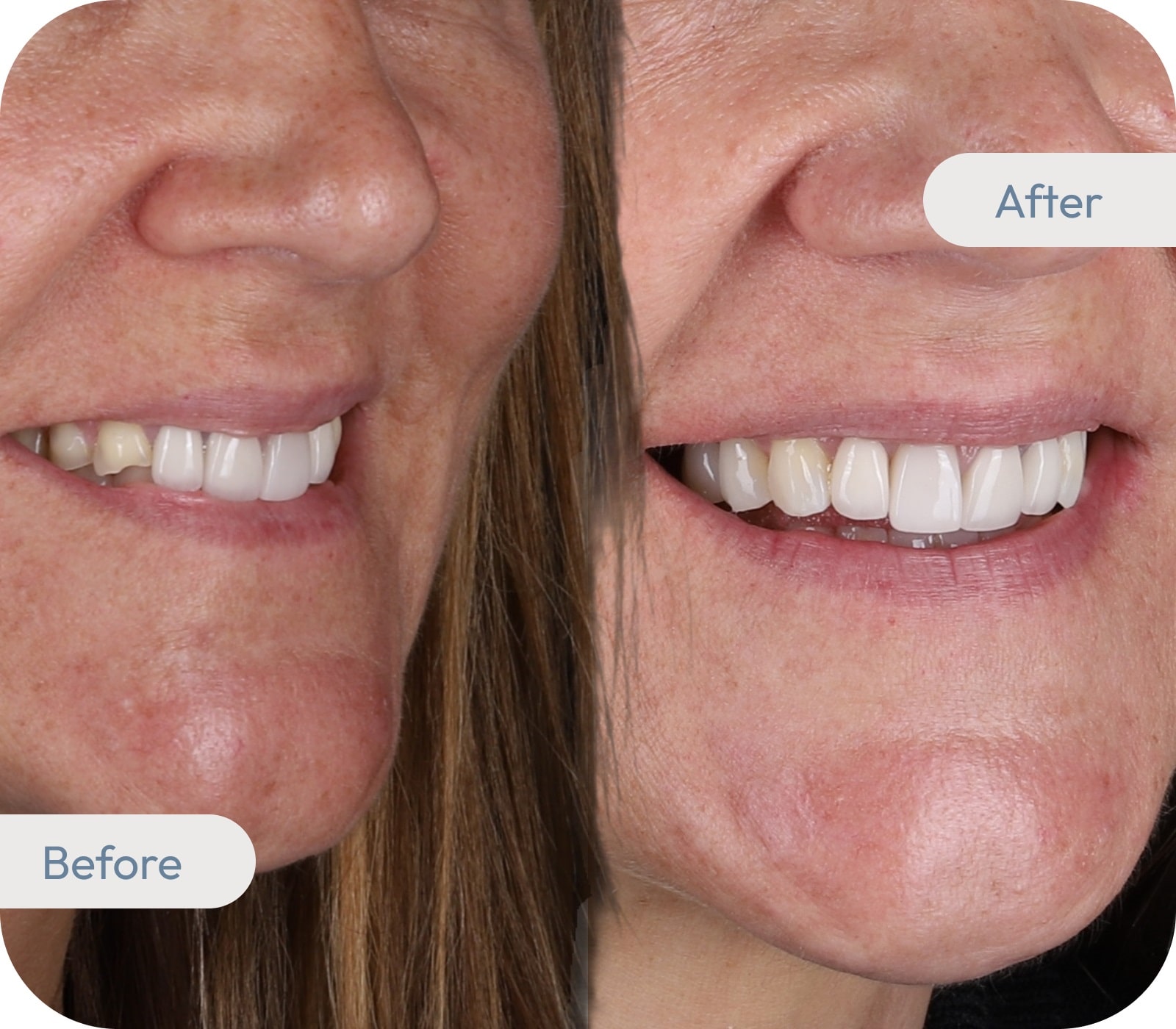
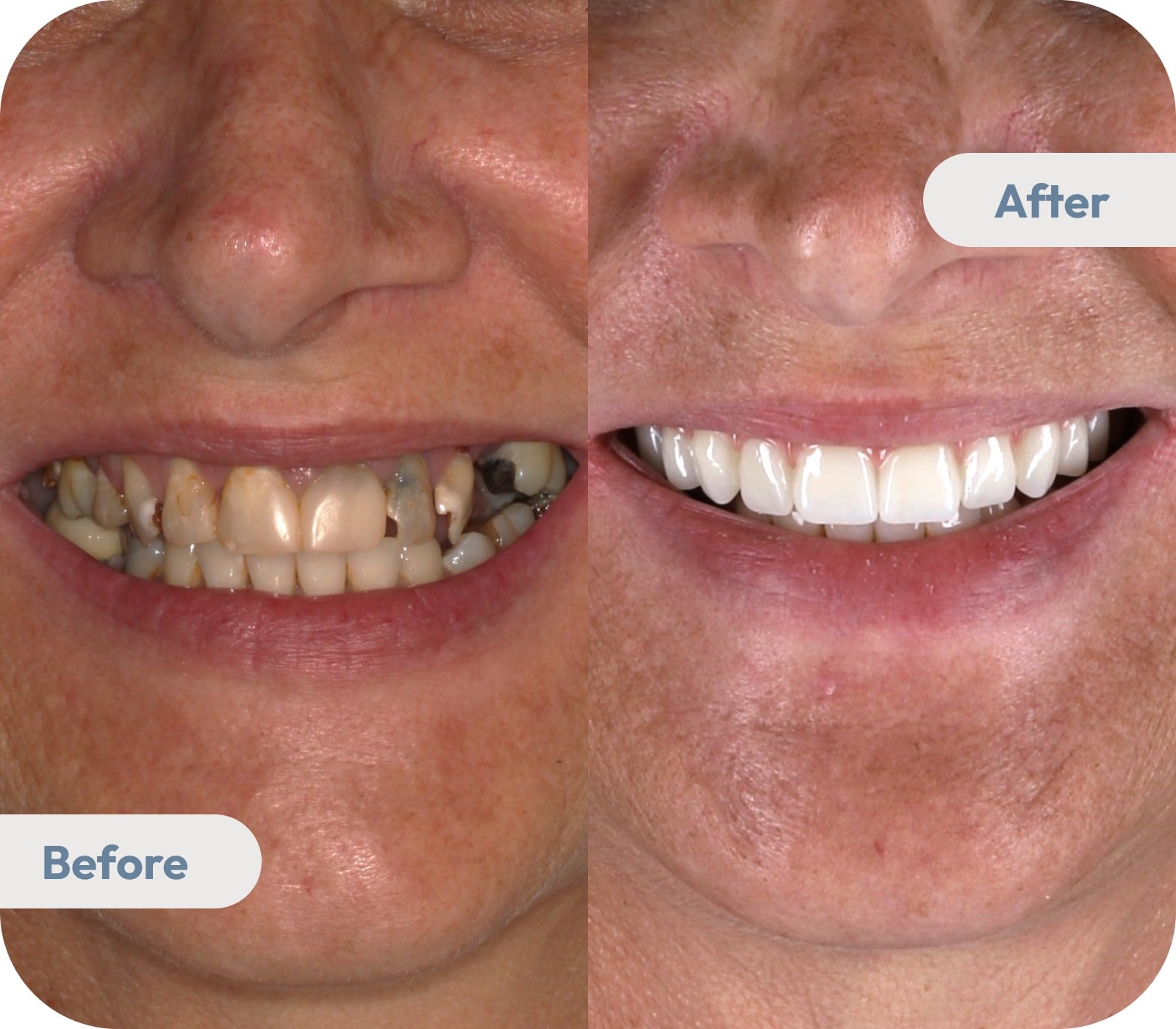
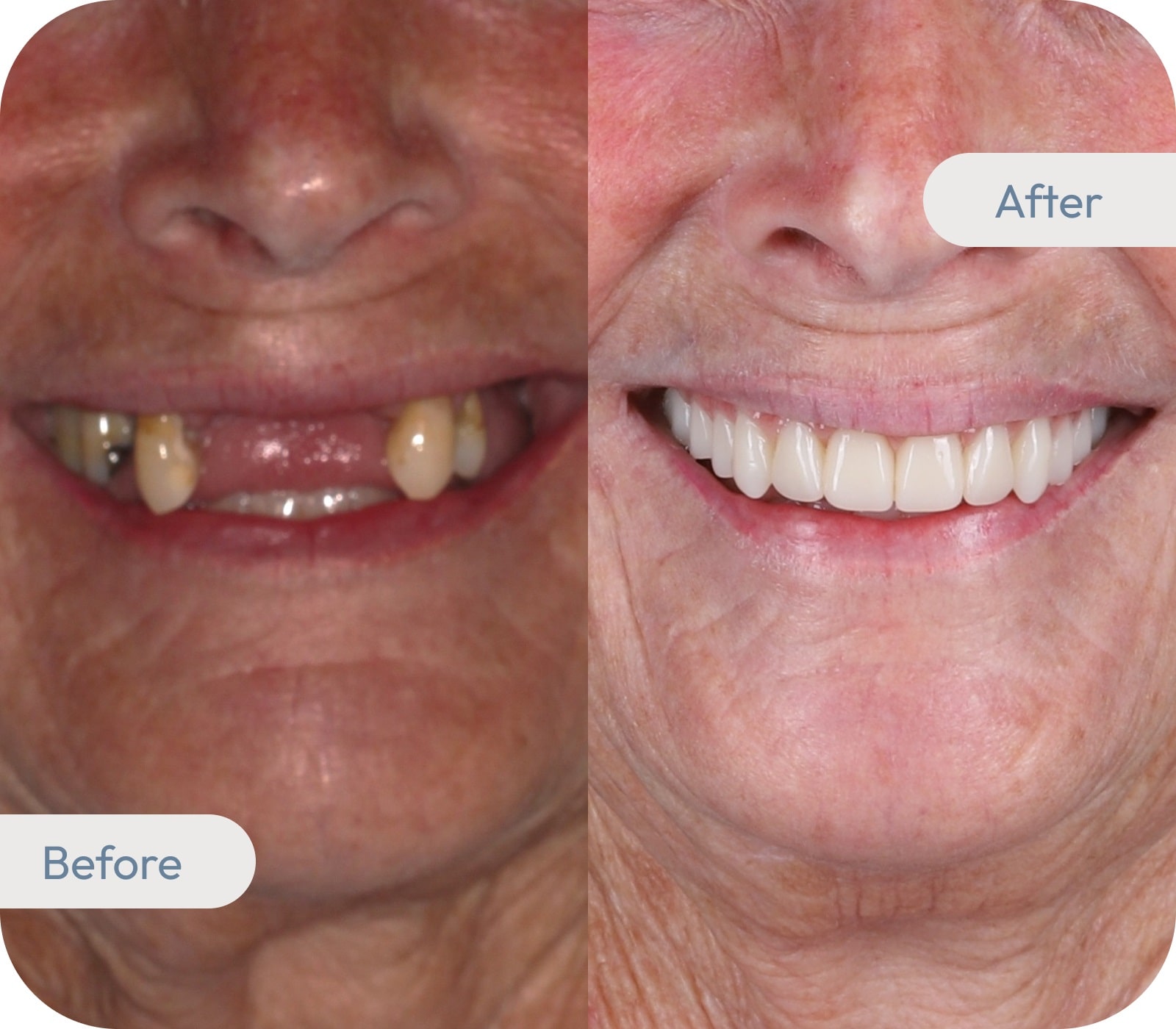
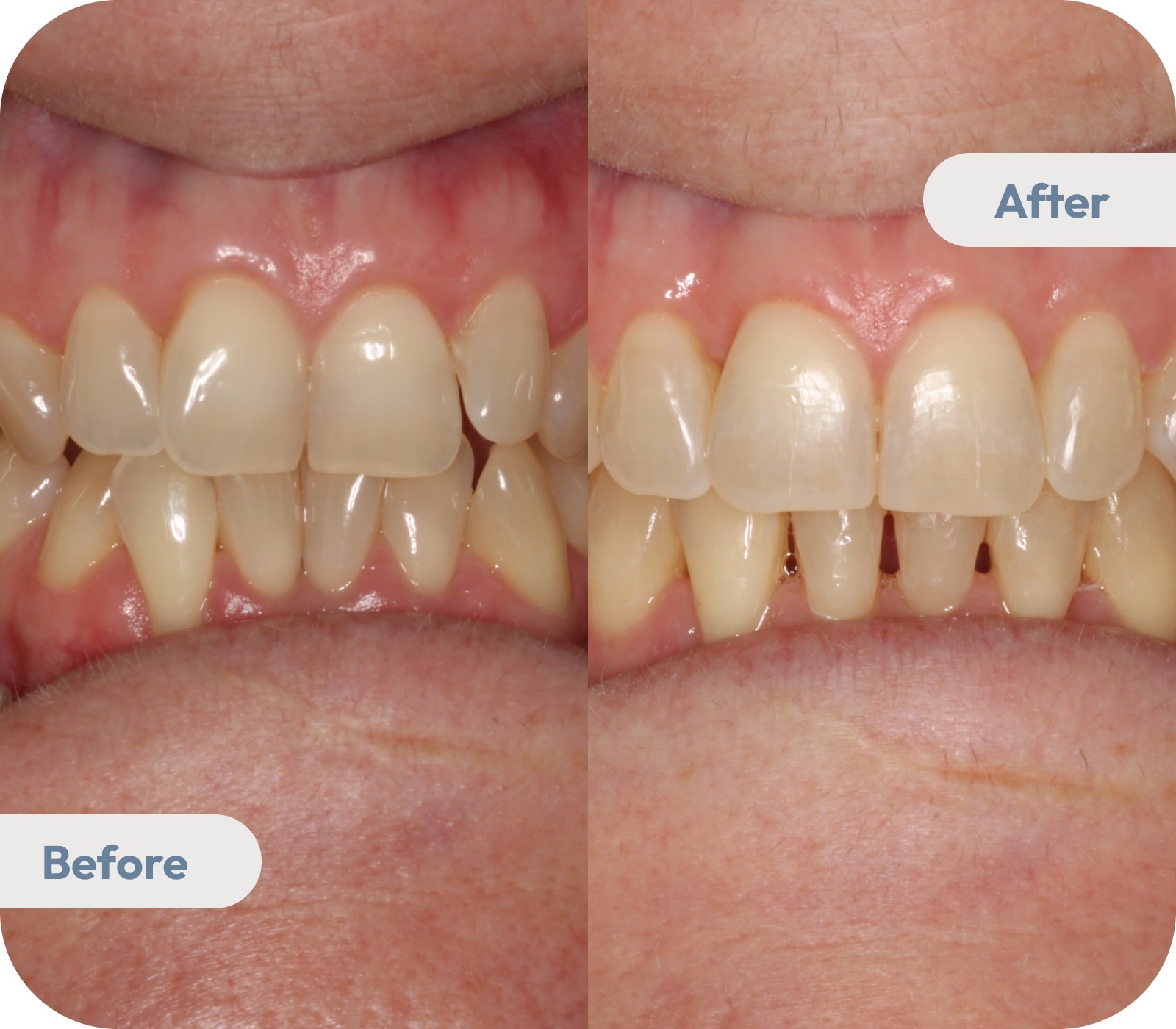
Smile Gallery – Before and After Treatment Examples
*These images display actual patients of our clinic. Every case is different, and treatment outcomes can vary according to individual conditions and needs.
Our Approach to Dental Implants in Bunbury
-
- Dental Care for the Bunbury Community
- Our team lives and works in Bunbury, and we are committed to supporting the oral health needs of our local community. We provide care that is respectful, professional, and guided by our long-standing connection to the community.
-
- Providing Dental Implant Treatment in Bunbury Since 2006
- For almost two decades, we’ve provided dental implant treatment for patients in Bunbury and the South West. With advanced training and clinical experience, our implant dentists plan and place implants using evidence-based methods. Treatments are designed with a focus on function, appearance, and maintaining oral health over time.
-
- Implant Dentistry Tailored to Patient Needs
- Dental implants are about more than just restoring function—they help restore chewing and speech function and replace missing teeth. At Eversmile Dental, we take a patient-focused approach to care for individuals. We focus on building a strong, healthy foundation, understanding your goals, and providing treatment that fits seamlessly into your lifestyle.
-
- We Listen First—Then We Plan Together
- Every implant treatment is different. That’s why we start with a conversation. We’ll guide you through your options with clear information about possible risks, benefits, and costs. You’ll have time to ask questions, feel heard, and make a decision you’re completely comfortable with.
-
- Ethical and Patient-Centred Care
- We are committed to providing patients with clear information and supporting informed decision-making about treatment. If implants are right for you, we’ll guide you through the process with skill and care. If they’re not, we’ll tell you and offer alternative options.
-
- Digital Technology for Implant Planning and Placement
- From CBCT to digital planning and in-house 3D printing, we use modern technology to assist in the planning and placement of implants. These tools support accurate treatment planning and efficient appointments. You don’t need to travel far for modern dental services—it’s available here in Bunbury.

Additional Procedures That Support Implant
Treatment Success
Some patients may need additional procedures before receiving dental implants. These can include bone grafting or sinus lifts, which help rebuild or add bone in areas that have reduced or become too thin over time.
These procedures are not always needed. However, they may be recommended to create a stronger foundation for the implant. This added support may assist in implant function and can help provide greater stability during daily activities such as eating and speaking.
Explore Our Dental Implant Information Pages
Frequently Asked Questions
What are the three types of dental implants?
Dental implants come in different forms, depending on your bone structure, oral health, and the number of missing teeth. Understanding the main types of implants can provide useful information to support discussions about your treatment options. Here are the three most common implant types and how each one works:
- Endosteal Implants:
These are the most common dental implants used today. They are shaped like small titanium screws and placed directly into the jawbone. After surgery, the bone heals around the implant, known as osseointegration. Healing may take approximately three to six months, depending on individual bone and gum health. Once healing is complete, a crown, bridge, or denture is attached to restore function and replace the missing teeth. For example, a single tooth implant often uses an endosteal post when the surrounding bone is healthy. - Subperiosteal Implants:
These sit on the jawbone but underneath the gum tissue. They’re used when the jawbone isn’t thick or strong enough to support an implant, and the patient prefers to avoid bone grafting for implants. A custom-made metal framework is fitted between the gum and bone. Healing usually takes around four to five months before the final prosthetic teeth can be fitted. - Zygomatic Implants:
These are longer implants anchored into the cheekbone (zygomatic bone) instead of the upper jaw. They may be recommended when there is significant bone loss in the upper jaw and conventional implants are not an option. Zygomatic implants are sometimes used to avoid complex grafting procedures, depending on the amount of bone available. This decision is based on detailed imaging and clinical assessment. They may be used to support a full set of teeth, with recovery sometimes taking up to six months.
What is the most common type of dental implant?
The most commonly used type of implant is the endosteal implant. It involves placing a small titanium post into the jawbone, where it gradually integrates with the surrounding bone. This option may be recommended when the jawbone is healthy and dense enough to support the implant, subject to individual assessment. If the bone is healthy, the implant may be placed without additional procedures, such as bone grafting or sinus lifts.
Endosteal implants are commonly used in cases ranging from replacing a single missing tooth to supporting bridges or dentures, depending on individual circumstances. This type of implant is one of the well-established tooth replacement options that has been used in dentistry for many years. It’s commonly offered at a local clinic offering dental implants, following a detailed assessment of your oral health and bone condition.
What is the newest technology in dental implants?
Digital planning tools, including 3D imaging and computer-aided design, are increasingly used in implant dentistry. These technologies can help clinicians plan the position and design of implants based on an individual’s oral anatomy. Suitability varies between patients, and outcomes depend on factors such as bone quality, oral health and treatment objectives. Your dentist can discuss the potential benefits, risks and limitations of the options available for your situation.
As this technology evolves, it may support more tailored care for people seeking modern tooth replacement options.
Which is better: zirconia or titanium implants?
Ceramic implants are not necessarily better than titanium implants; they offer different advantages depending on your needs and preferences.
Titanium implants have been used in dentistry for decades and are valued for their strength, reliability, and ability to fuse securely with bone. They have a long history of use in dentistry and are often selected in cases where durability and long-term function are important.
Ceramic implants, often made from zirconia, are metal-free. Some patients choose them for aesthetic reasons or because they prefer a non-metal option. Some studies suggest ceramic implants may have different plaque characteristics, but they have not been researched as extensively as titanium.
Your dentist will recommend the most suitable implant based on your oral health, gum condition, and treatment goals. Neither option is universally better; it depends on the individual case.
How many tooth implants can you have?
The number of dental implants you can have depends on your oral health, bone condition, and overall treatment plan.
One missing tooth may require a single implant, while several may be used to support a bridge or a full denture. For example, restoring a full upper or lower arch may involve four to six implants, depending on the individual case.
Before placement, your dentist will assess your jawbone using scans and a clinical examination. This helps determine whether implants can be placed safely or if additional procedures, such as bone grafting, are needed to prepare the site.
An individual consultation will provide advice on what treatment options may be suitable for your situation.
What type of implant should I get?
The right implant type depends on your oral health, bone structure, how many teeth are missing, and your treatment needs. A full assessment of your bones, gums, and medical history will help guide which treatment options may be suitable for you. Here are a few examples:
- Single implant and crown:
Often used when one tooth is missing and the surrounding bone is healthy. - Implant-supported bridge or denture:
Used to replace several teeth, supported by two or more implants. - Zygomatic implants:
May be recommended when the upper jaw has extensive bone loss and conventional implants are not an option.
How do I know what kind of dental implants I have?
To find out what kind of dental implants you have, contact the clinic where the procedure was originally done. They will have records of the type, brand, and placement details from your treatment.
If you’re seeing a new provider, they can take dental X-rays to help identify features of the implant, such as its shape, material, and how it connects to your restoration. It’s also helpful to bring any implant cards, documents, or reports you may have received after the procedure. These often include the implant brand and system used.
Knowing the type of implant is useful for future maintenance or if additional treatment is required.
What are the side effects of dental implants?
Dental implants are generally well tolerated, but like any surgery, they may come with short-term side effects or, in rare cases, complications. Being aware of possible side effects can help you prepare for the healing process and know when to contact your dentist. Here are some side effects and what they may involve:
- Swelling and bruising:
Mild swelling is common for the first 48 to 72 hours. Bruising may appear on the cheeks or jaw and typically fades within five to seven days. - Pain or discomfort:
Some soreness near the implant site is normal and usually lasts three to five days. Discomfort that gets worse or continues beyond a week should be assessed by your dentist. - Minor bleeding:
It’s normal to experience light bleeding or oozing during the first 24 to 48 hours after surgery. Applying gauze and gently biting down helps control it. Avoid spitting or rinsing forcefully in the first 24 hours, as this may disturb the healing area. - Infection:
Infection is a possible complication. Signs may include swelling that doesn’t improve, pus, or throbbing pain. Following your dentist’s aftercare instructions can help reduce this risk. - Nerve irritation:
In rare cases, an implant placed close to a nerve may cause numbness, tingling, or sensitivity in the lips, chin, or tongue. In many cases, this can improve within two to eight weeks, although recovery times vary, and in some cases, symptoms may persist longer. Always report persistent symptoms to your dentist. - Sinus issues (for upper jaw implants):
If implants are placed in the upper back jaw, they are positioned near the sinus cavity. To reduce the risk of sinus interference, your dentist will use imaging before surgery. This may include a cone beam CT scan to assess the bone and sinus location.
How long do dental implants last?
Dental implants are designed to be a long-term tooth replacement option, but their lifespan can vary depending on factors such as oral hygiene, overall health, and lifestyle habits.
The implant post, which is placed into the jawbone, has the potential to last many years, depending on care and individual factors. Regular check-ups and good maintenance play an important role in supporting the long-term function of the implant. The restoration, whether it’s a crown, bridge, or denture attached to the implant, may last between 5 and 15 years on average. Over time, this part may need replacement due to natural wear, bite pressure, or changes in surrounding teeth.
What is the most expensive part of getting an implant?
Implant placement surgery and the restoration, such as a crown, bridge, or denture, often represent a significant part of the overall cost. For example, a custom-made crown crafted from high-strength ceramic may be more costly than some other materials. The overall cost may also increase if additional procedures, such as bone grafting, are required to support the implant.
Your dentist will provide a detailed treatment plan and quote after assessing your oral health needs. This will outline the recommended steps and provide a clear breakdown of the associated costs.
Various Payment Options Available
Book Your Appointment Online or Call Our Bunbury Dental Clinic Today
Book an appointment with our dentist in Bunbury to discuss your oral health needs. We provide tailored dental treatments and clear information to support informed decisions about your dental care.