

Recovering from Dental Implant Surgery

Your Guide to Dental Implant Procedure Recovery

Start your journey to dental implant procedure recovery. Learn practical ways to care for yourself, manage discomfort, and steadily return to your usual routines after surgery.

How Dental Implants Work to Replace Missing Teeth

Dental implants are a treatment option for replacing missing teeth. Each implant includes a titanium post inserted into the jaw, a connector known as an abutment, and a crown that blends with surrounding teeth. Together, these parts work to provide stability for chewing and help maintain the position of nearby teeth, supporting oral health and function.

Everyday Implant Recovery Tips to Support Oral Health

  • Brushing Carefully
    Use a soft-bristled toothbrush to clean your teeth twice daily. Avoid brushing directly over the area for the first three to five days. This helps reduce irritation and supports healing during the early healing phase while maintaining overall oral hygiene. /div>
  • Eat Soft Foods
    Choose soft, nutritious meals such as yoghurt, scrambled eggs, or mashed vegetables. These foods minimise pressure on the implant site while helping you stay nourished and comfortable during the early recovery stages.
  • Cold Compress
    Apply a cold compress to the outside of your cheek in the first 48 hours after surgery. This may help reduce swelling and discomfort while supporting the early healing process.
  • Follow-Up Appointments
    Keep every follow-up appointment as advised. These visits allow your dental provider to check healing progress, adjust care instructions if needed, and assess how the implant is integrating with the surrounding bone.

Dental Implant Recovery Timeline: What to Expect

Healing from dental implant surgery takes time. Here’s what you can expect after surgery, from the early healing phase through to maintaining oral health over time.

In the first 24 to 48 hours, some swelling, minor bleeding, or numbness around the area is common after surgery. Focus on rest and recovery during this time. Cold packs may help reduce swelling, and soft, cool foods such as yoghurt are recommended. Some discomfort is expected and may be managed with prescribed or recommended medication. If pain worsens and you notice signs of infection, such as unusual discharge, contact your dental team promptly.

From day two to the end of the first week, continue to take things gently. Brush carefully, avoid the surgical area, and use warm salt water rinses, which are recommended. Avoid alcohol and tobacco, as they may interfere with healing. Take medication as prescribed. Some discomfort is expected during this stage and may gradually ease by the end of the week. Rest and avoid strenuous activity to support your body’s recovery.

By now, swelling and tenderness may begin to lessen. Your dentist may remove stitches during a follow-up appointment if this is part of your treatment. Eating may gradually expand, but only as advised. Continue careful brushing and cleaning to assist healing and reduce the risk of infection. Good hygiene remains important during this stage. Please notify your dental team if you notice anything unexpected or if discomfort persists.

After the first few weeks, the implant starts to integrate with the jawbone in a process called osseointegration. This internal healing stage may take several months, often between three and six months. Although you won’t see visible changes, this step is important for the potential stability of the implant. Maintaining good oral hygiene and attending all follow-up appointments are crucial. Missing visits or poor cleaning habits may affect healing and increase the risk of complications, including implant failure.

Once healing is complete, your dentist will assess how the implant has integrated with the bone. If the area is stable, they may proceed with placing the abutment and final crown or denture. This step may improve function and provide an appearance that blends with surrounding teeth. Long-term stability of the implant depends on oral care, avoiding harmful habits, and attending regular checkups to monitor the health of the implant and surrounding tissues.

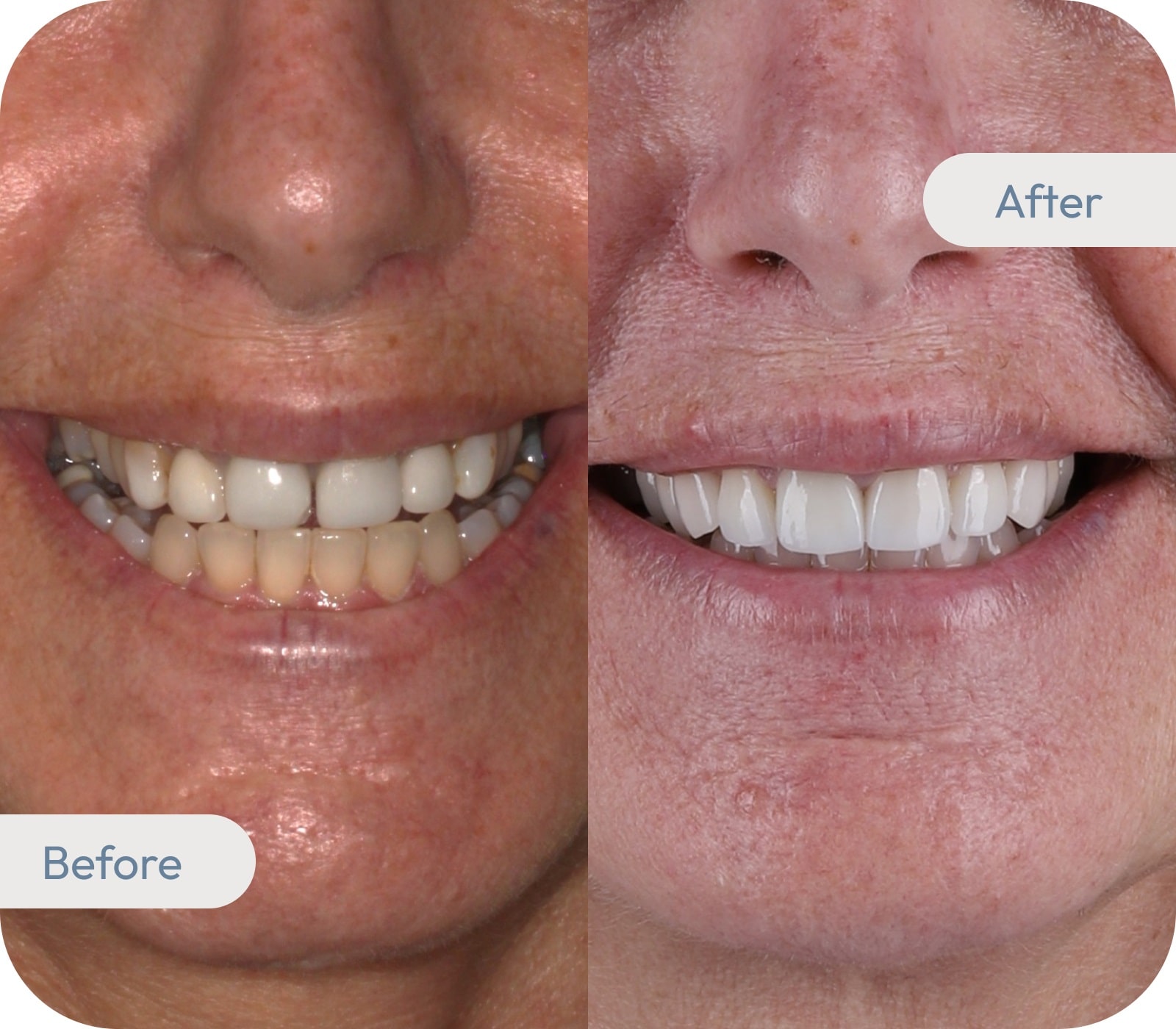
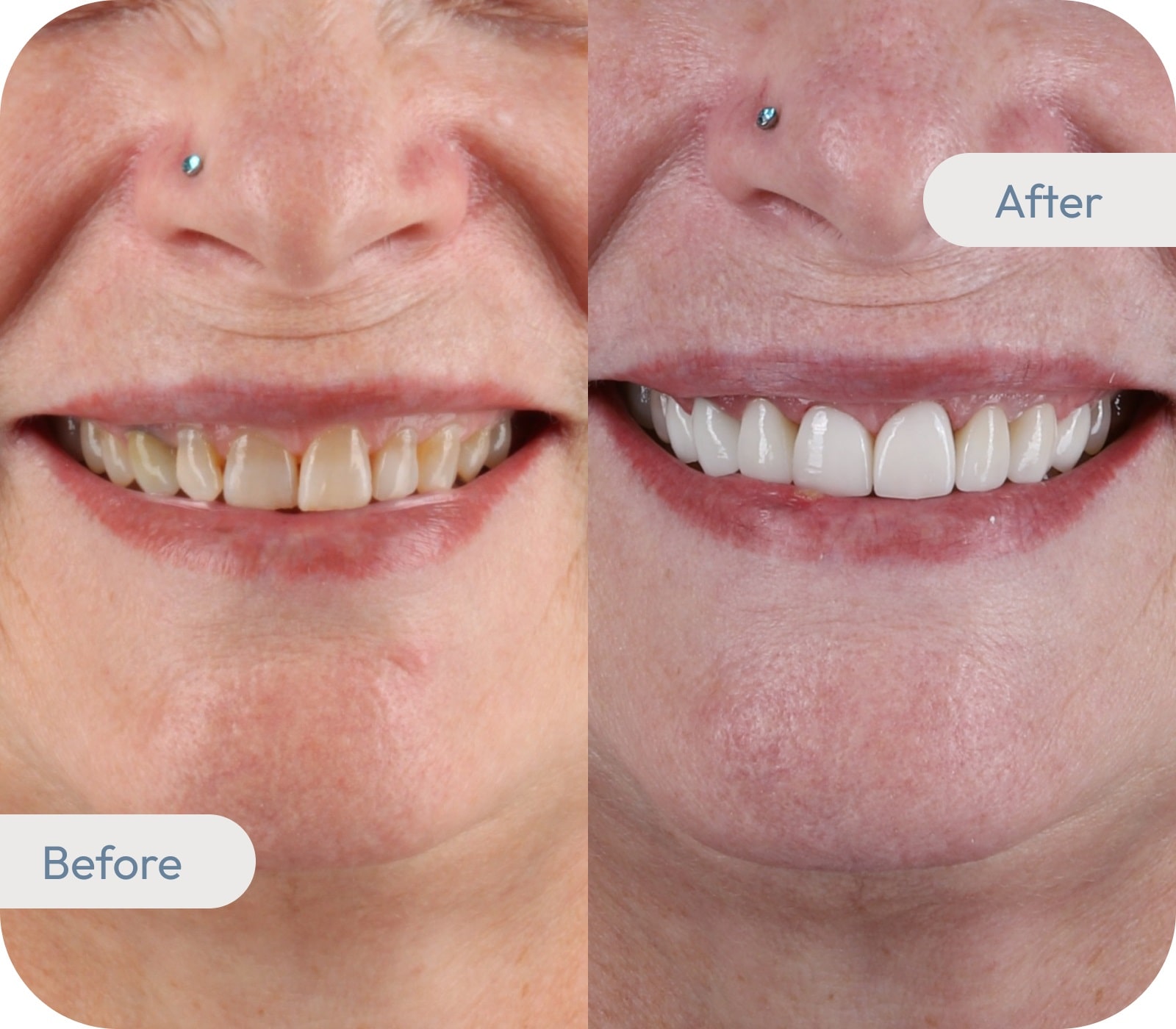
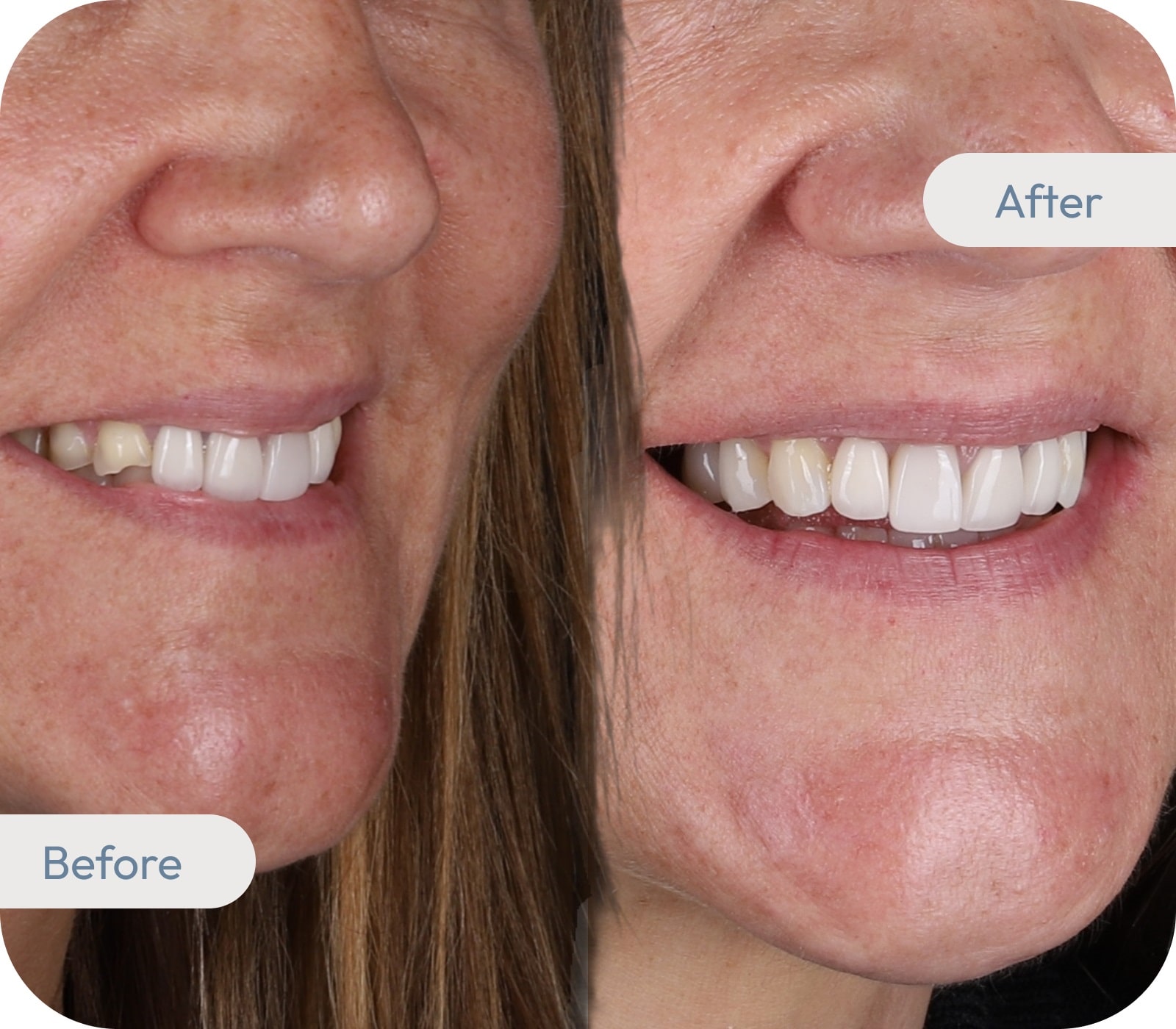
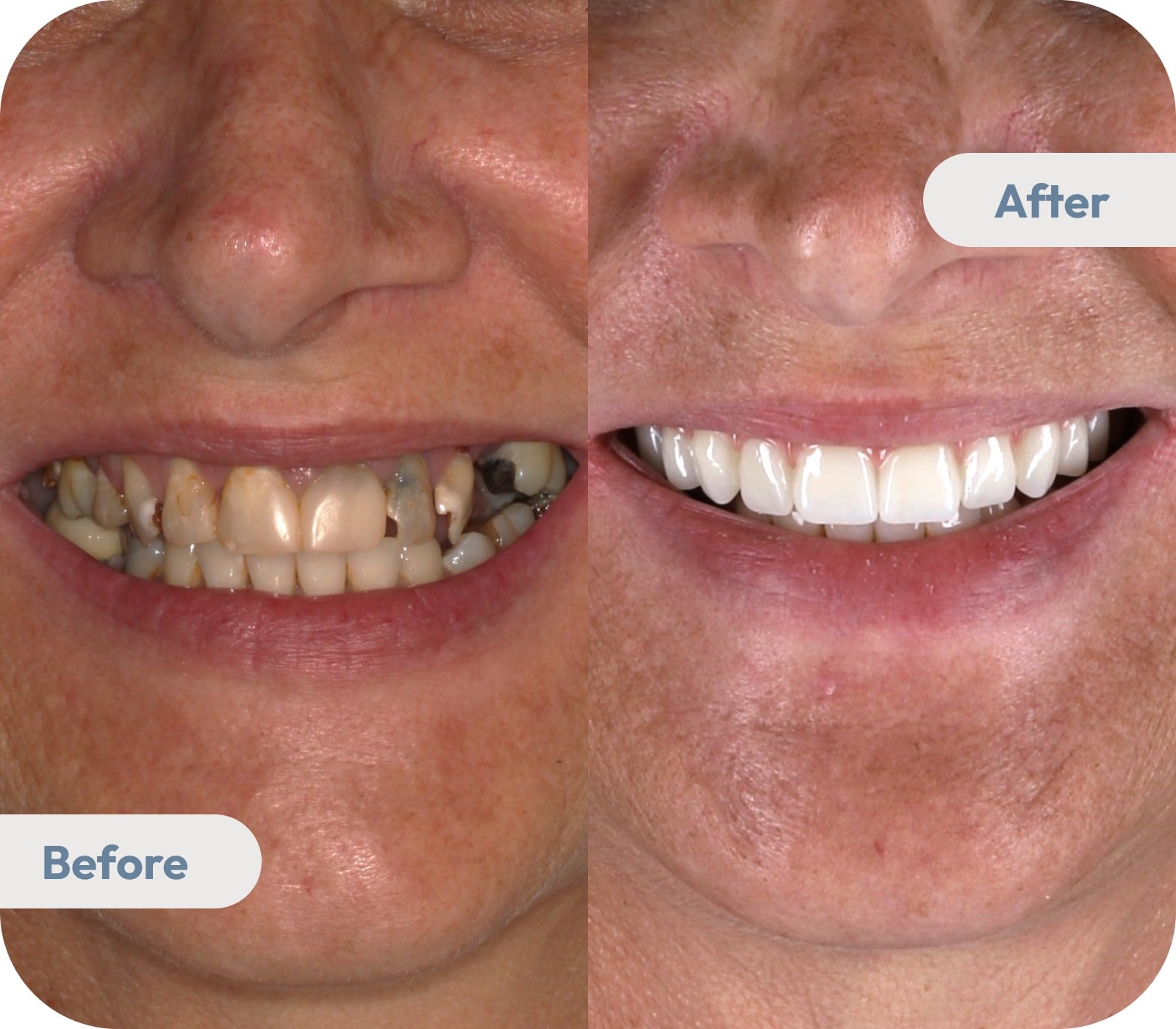
Smile Gallery – Before and After Treatment Examples

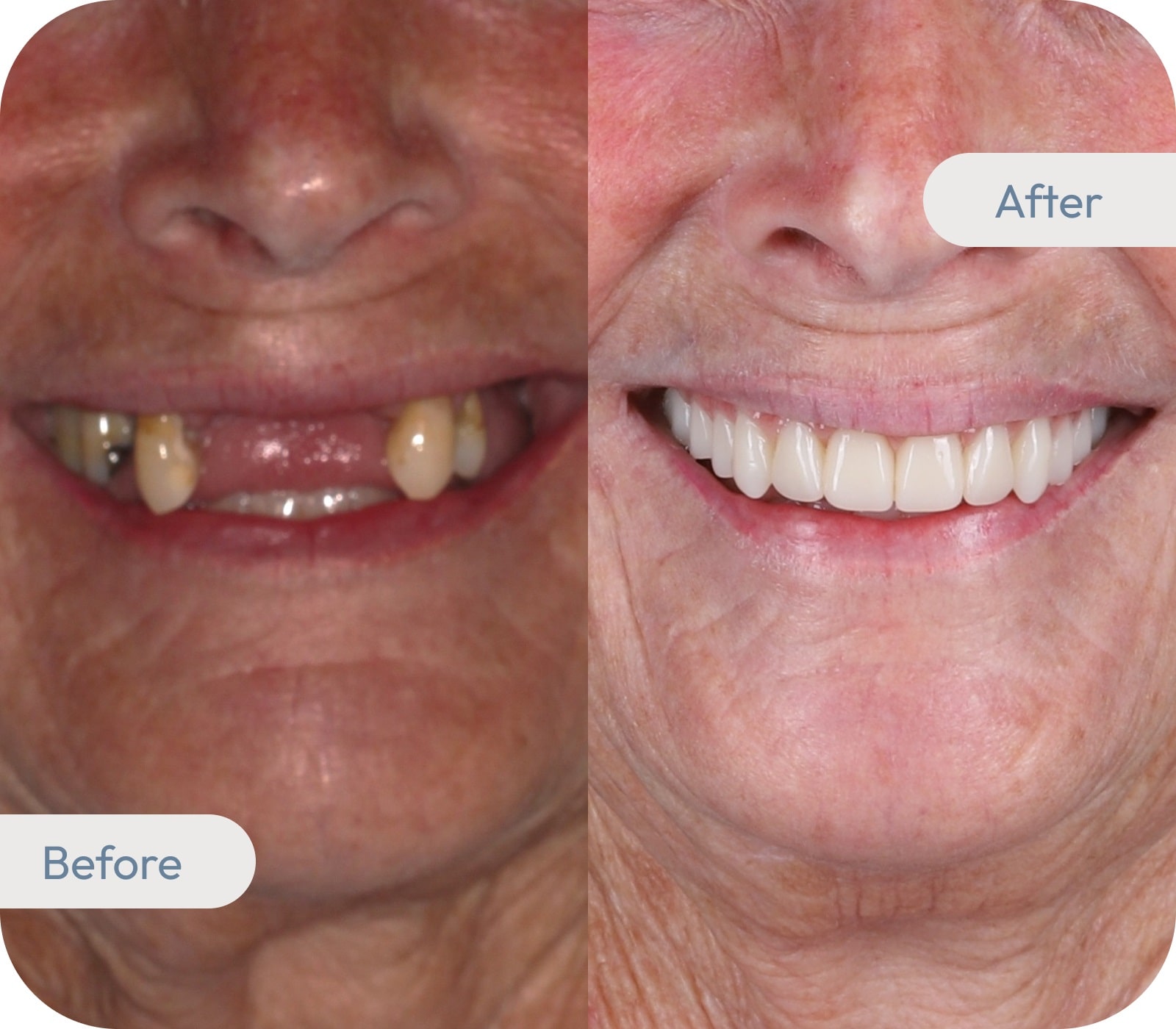
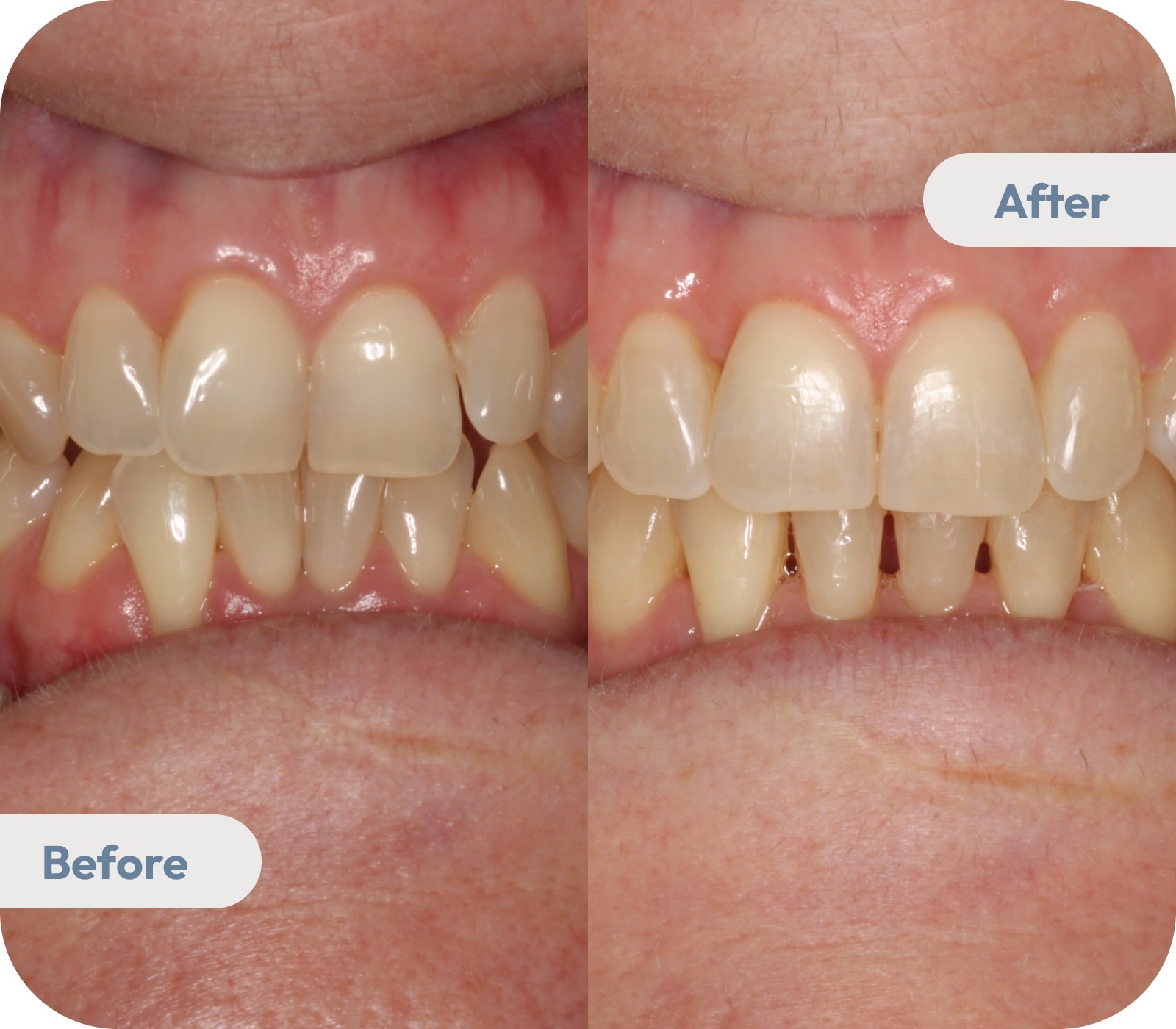
Explore real treatment outcomes in our gallery. These before-and-after photos show actual patients of Eversmile Dental, displayed with their consent. Outcomes vary between individuals, and results are not guaranteed. Images are unedited and taken under comparable conditions to reflect realistic treatment outcomes.

*These images display actual patients of our clinic. Every case is different, and treatment outcomes can vary according to individual conditions and needs.

Our Approach to Dental Implants in Bunbury

Dental implants are a treatment option to restore chewing function, support speech, and replace missing teeth. At Eversmile Dental, we provide evidence-based implant care in a professional and supportive environment. Treatment is planned carefully, with long-term oral health as the priority.
  • Eversmile Dental
    Dental Care for the Bunbury Community
    Our team lives and works in Bunbury, and we are committed to supporting the oral health needs of our local community. We provide care that is respectful, professional, and guided by our long-standing connection to the community.
  • Eversmile Dental
    Providing Dental Implant Treatment in Bunbury Since 2006
    For almost two decades, we’ve provided dental implant treatment for patients in Bunbury and the South West. With advanced training and clinical experience, our implant dentists plan and place implants using evidence-based methods. Treatments are designed with a focus on function, appearance, and maintaining oral health over time.
  • Eversmile Dental
    Implant Dentistry Tailored to Patient Needs
    Dental implants are about more than just restoring function—they help restore chewing and speech function and replace missing teeth. At Eversmile Dental, we take a patient-focused approach to care for individuals. We focus on building a strong, healthy foundation, understanding your goals, and providing treatment that fits seamlessly into your lifestyle.
  • Eversmile Dental
    We Listen First—Then We Plan Together
    Every implant treatment is different. That’s why we start with a conversation. We’ll guide you through your options with clear information about possible risks, benefits, and costs. You’ll have time to ask questions, feel heard, and make a decision you’re completely comfortable with.
  • Eversmile Dental
    Ethical and Patient-Centred Care
    We are committed to providing patients with clear information and supporting informed decision-making about treatment. If implants are right for you, we’ll guide you through the process with skill and care. If they’re not, we’ll tell you and offer alternative options.
  • Eversmile Dental
    Digital Technology for Implant Planning and Placement
    From CBCT to digital planning and in-house 3D printing, we use modern technology to assist in the planning and placement of implants. These tools support accurate treatment planning and efficient appointments. You don’t need to travel far for modern dental services—it’s available here in Bunbury.


How Clinical and Personal Factors Shape Dental Implant Results

Dental implant outcomes depend on several clinical and lifestyle factors. Sufficient bone density, healthy gums, and good oral hygiene can influence long-term results. Avoiding smoking and attending scheduled reviews are also important, as they support healing and early detection of concerns.

At Eversmile Dental, our team provides care tailored to each patient’s needs. Some published studies have reported implant survival rates of around 95%, although individual results vary. Ongoing checkups and personalised guidance can help support the health of the implant over time.

Explore Our Dental Implant Information Pages

These resources provide general information about dental implant treatment. They explain procedures, risks, recovery, and what you may expect at different stages. Suitability for dental implants can only be determined following an assessment with a registered dentist.

1

Types of Dental Implants

2

Dental Implant Procedure

3

Dental Implant Benefits and Risks

4

Dental Implant Costs
and Financing

5

Dental Implant Care
and Maintenance

6

Dental Implant Treatment Recovery

Frequently Asked Questions

This section provides general information about dental implants and recovery, offering guidance to help patients remain informed about treatment and healing.

How painful is dental implant surgery?

Dental implant surgery is performed under local anaesthesia, which is intended to keep the area numb throughout the procedure. You may feel pressure or movement, but pain may be reduced.

After surgery, it’s common to experience mild to moderate discomfort, swelling, or bruising near the implant site. These symptoms may peak within the first 48 hours and can lessen over three to five days. Pain relief may be recommended depending on your medical history and level of discomfort.

To support your dental implant procedure recovery, it’s important to rest, avoid strenuous activity, and eat soft foods such as yoghurt and mashed potatoes. Understanding what to expect after dental implants may help patients prepare for recovery. Some patients may feel ready to return to light tasks, such as desk work or walking, within two to four days. This depends on individual healing and the nature of their work.

Pain experiences vary from person to person. Both procedures are carried out under local anaesthesia, which is intended to reduce discomfort during treatment. You may feel pressure or vibration, but the area is usually kept numb throughout.

After surgery, discomfort is expected as part of the healing process. The level and duration can depend on the procedure’s complexity, your general health, and your sensitivity to pain. Discomfort from either treatment may peak within 48 hours and can lessen over three to five days. Your dental professional may recommend pain-relief options tailored to your needs.

Mild to moderate discomfort is common after a dental implant procedure. This usually begins once the anaesthetic wears off and may peak within the first 24 to 48 hours.

This discomfort may lessen over three to five days, depending on the complexity of the procedure and individual healing. If pain increases after the first few days or doesn’t improve over time, contact your dental professional. This could be a sign that further assessment is needed.

Initial dental implant recovery may take around one to two weeks. During this period, the gum tissue begins to heal, and any swelling or tenderness may gradually reduce.

Deeper healing continues through a process called osseointegration, where the implant integrates with the jawbone. This stage can take three to six months, depending on individual healing and treatment complexity. Integration during this period is important for the stability of the dental implant.

If additional procedures, such as bone grafting, were included, healing may take longer. Your dental provider will monitor your recovery and guide you through appropriate care. If symptoms continue beyond the usual recovery period, a follow-up appointment may be needed.

During the first few days, it is common to experience mild discomfort, swelling, or bruising near the implant site. These symptoms may lessen within three to five days as part of the dental implant recovery process. Signs that healing may be progressing well include:

  • Decreasing discomfort each day:
    Pain that lessens steadily rather than increasing may indicate progress in healing. Sudden increases in discomfort may require follow-up.
  • No signs of infection:
    The area should not have pus, increasing redness, ongoing swelling, or a fever. These signs could indicate infection and need prompt care.
  • Healthy gum colour around the implant:
    Gums should appear pink and intact. Pale, dark, or inflamed tissue may need to be assessed by your dental provider.
  • No mobility or loosening of the implant:
    A healing implant is generally expected to feel stable, but any movement should be checked by your dental provider.

While dental implants are widely used to replace missing teeth, certain complications can occur during or after the healing process. Knowing what to expect after dental implants provides general guidance to help monitor your recovery and seek support if needed. Some possible issues include:

  • Infection at the implant site:
    This may present as swelling, redness, discharge, or discomfort. Recognising signs of dental implant infection early allows for timely care, which may reduce the risk of further complications.
  • Nerve-related discomfort:
    If an implant is placed near a nerve, it may lead to tingling, numbness, or sensitivity in the lips, chin, or gums.
  • Loosening of the implant:
    Movement during healing may indicate the implant is not bonding well with the jawbone. Early assessment and follow-up may be needed.
  • Sinus-related concerns (upper jaw):
    Implants placed near the sinus cavity can sometimes cause sinus discomfort. Planning and imaging help reduce this risk.
  • Changes in the gum or bone around the implant:
    Gum recession or bone loss may develop over time. Attending follow-up appointments and following dental implant aftercare tips from your dental professional may support implant stability over time.

Each part of the dental implant healing stages may present differently. If anything feels unusual, such as ongoing pain, swelling, or loosening, your provider can assess the site and recommend appropriate care. Early intervention may improve the chances of maintaining implant stability over time.

Although dental implants are widely used, complications can occur during healing or after placement. Recognising early signs of problems is important so they can be addressed promptly. Common signs that may indicate implant failure or rejection include:

  • Persistent pain or discomfort:
    While some tenderness is common after surgery, pain that worsens or does not improve over time may need attention.
  • Swelling that does not subside:
    Swelling may decrease within three to five days, depending on individual healing and the procedure performed. If it continues or becomes more severe, it could signal an issue.
  • Implant movement or loosening:
    A stable implant is generally expected not to feel mobile. Any sensation of movement should be checked as soon as possible.
  • Gum recession or bone loss:
    Changes in the gumline around the implant or visible space near the post may indicate poor integration or tissue changes.
  • Signs of infection:
    Watch for redness, pus, a bad taste, or fever. These may be considered dental implant infection signs and should be assessed by your dental provider without delay.

Titanium screws are commonly used in dental implants because the material is biocompatible, meaning it is generally tolerated by the body and reactions are uncommon. However, as with any implanted material, there are some risks to be aware of. Possible side effects or complications may include:

  • Mild inflammation or sensitivity:
    Some patients may experience localised gum irritation around the implant site during early healing, commonly within the first three to seven days. This may improve as the surrounding tissue heals and oral hygiene is maintained.
  • Allergic reaction (rare):
    Titanium allergies are rare but possible. If they occur, symptoms may include itching, rash, or general discomfort near the implant.
  • Metal sensitivity:
    In very rare cases, sensitivity to titanium may contribute to inflammation or delayed healing. Your dental professional can evaluate symptoms and discuss alternative materials if needed.
  • Implant-related discomfort:
    If the implant does not integrate fully with the bone or becomes unstable, discomfort may arise. This is not specific to titanium but may be linked to healing or placement factors.

A dental implant settles into the jaw through a process called osseointegration, where the surrounding bone gradually integrates with the implant. This process may allow the implant to become stable enough to support a crown or bridge.

Osseointegration may take several months, often around three to six. The timeframe may vary depending on factors such as individual healing, bone density, and whether procedures like bone grafting were included in treatment.

Your dentist will monitor the healing through follow-up visits and imaging to determine when the implant is ready for restoration.

Gum recession around dental implants can happen when the surrounding tissue begins to pull away from the implant surface. This may expose part of the metal post and affect the gum or tissue health of the area. Several factors may contribute to gum recession around implants:

  • Inadequate oral hygiene:
    Plaque buildup near the gumline can lead to inflammation, which may cause the tissue to shrink over time.
  • Excessive pressure or trauma:
    Aggressive brushing and teeth grinding may put a strain on the gum tissue or implant area.
  • Insufficient soft tissue thickness:
    In some cases, the gum tissue may be naturally thin or may have been affected during the surgical procedure.
  • Implant position or angulation:
    If an implant is placed too close to the surface or at an unfavourable angle, it may increase the risk of gum recession.

Dental implants are one option for replacing missing teeth, but they may not be suitable for everyone. Several other treatments are available, depending on your oral health, preferences, and the number of teeth missing. The following are some common alternatives:

  • Dental bridges:
    A bridge uses one or more neighbouring teeth to support a prosthetic tooth. It may improve function and provide a replacement tooth without surgery.
  • Partial dentures:
    These are removable appliances that replace several missing teeth in the same arch. They are designed for your mouth and may be taken out for cleaning.
  • Full dentures:
    If all upper or lower teeth are missing, a complete denture may assist with chewing and speaking.
  • Resin-bonded bridges (Maryland bridges):
    This type of bridge attaches a replacement tooth using small metal or ceramic wings bonded to the back of adjacent teeth. It is often used for front teeth with minimal pressure needs.

Dental implants are one option for replacing missing teeth that may be considered for longer-term use. They are designed to support everyday function and may provide a replacement that blends with surrounding teeth. Long-term outcomes vary between individuals and depend on factors such as oral hygiene, bone quality, general health, and regular dental check-ups.

While outcomes vary, implants are often chosen for their durability and ability to support oral function in daily activities. They may help preserve surrounding bone and support oral stability over time.

Various Payment Options Available

Eversmile Dental offers a range of flexible payment options to assist patients in managing the cost of their dental care. Please ask our team for details about the payment plans available.
Right Menu Icon