Planning for Dental Implants

Learn About Dental Implant Costs
and Financing

Learn about dental implants as a long-term tooth replacement option. Explore dental implant costs and financing to plan your treatment with clear cost information at each stage.

How Much Do Dental Implants Cost in Bunbury?

Dental implants usually start at $6,400 per implant at Eversmile Dental. Costs vary depending on treatment needs – consultation required for a personalised quote. Pricing factors include the type of implant, whether bone grafting or a sinus lift is required, the number of implants placed, and your sedation preference. A personalised consultation will provide detailed cost information and treatment options tailored to your needs.

Disclaimer: “All surgical procedures carry risks, and outcomes vary between individuals. You dentist will discuss potential risks, benefits, and alternatives with you during your consultation.”

What Factors Influence the Cost of Dental Implants?

  • Implant Type
    The type of dental implant system used can influence the cost. This includes differences in material strength, design features, and manufacturer specifications, which can affect both pricing and suitability for individual treatment needs.
  • Bone Grafting
    When the jawbone isn’t dense or thick enough to support an implant, bone grafting may be recommended. It helps provide stability for the implant but also adds to treatment time, procedural complexity, and overall cost.
  • Number of Implants
    The total number of implants placed directly affects the cost. Placing a single implant is usually more straightforward, while multiple implants, such as for a bridge or full-arch treatment, require additional planning, components, and appointments.
  • Sedation Preference
    Sedation options may be recommended to assist during implant placement. These methods can increase patient tolerance of the procedure, but also carry risks and add to the overall treatment cost

Disclaimer: “Treatment requirements and risks vary for each patient. Your dentist will provide a personalised assessment and discuss the potential risks and benefits before proceeding.”

Dental Implant Procedure: From Initial Consultation to Recovery

The dental implant process involves several steps. Understanding what to expect can help patients be better prepared and informed about their treatment.

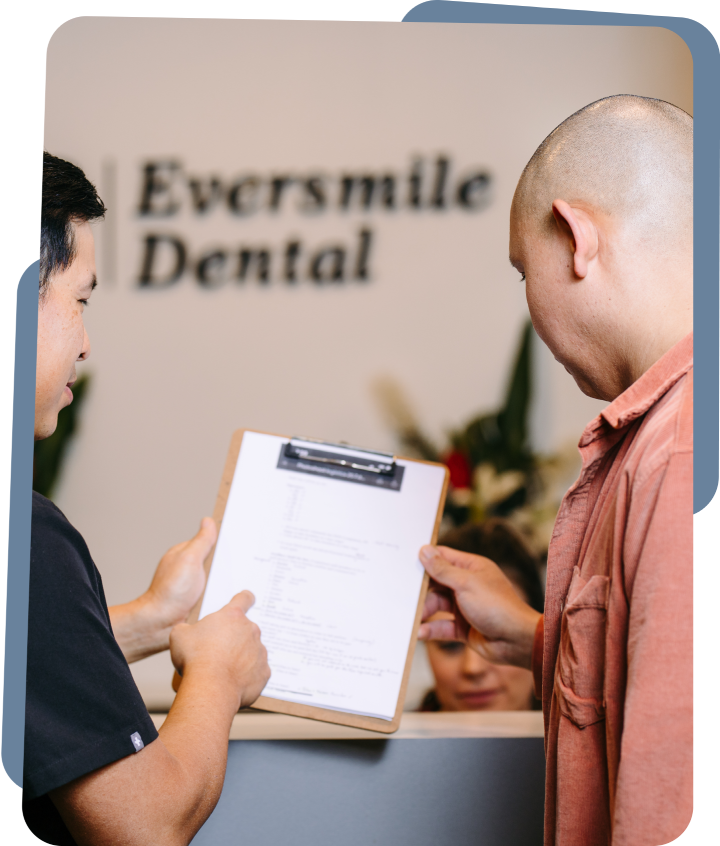
During your first appointment, the dentist providing dental implants in Bunbury will review your dental and medical history, assess your oral health, and take diagnostic images such as CBCT scans. This information helps evaluate bone structure and plan your treatment. You'll also discuss whether implants are clinically suitable for your oral health. No procedures are performed at this stage, as the focus is on assessment, planning, and treatment

After your assessment, an individualised treatment plan will be developed based on your clinical oral health assessment. This may involve a single implant, multiple implants, or a full-arch implant-supported option (sometimes known as All-on-X). The discussion will include estimated costs, expected timelines, and any preparatory procedures, such as bone grafting if required. Patients will have the opportunity to ask questions and review information provided during the consultation.

On the day of your procedure, your dentist will review available sedation options appropriate for your procedure. A small titanium post is then carefully placed into the jawbone to act as the implant’s foundation. Some discomfort is expected after placement and can typically be managed with prescribed pain relief medication and aftercare instructions as advised by your dentist. You'll be guided on how to eat, clean the area, and manage healing during the early recovery stage.

After implant placement, the healing process may take several months, often between three and six, depending on individual circumstances. During this time, the bone fuses with the implant through a process called osseointegration, an important factor for long-term stability. You'll attend checkup appointments to monitor progress. Maintaining daily oral hygiene, following aftercare advice, and attending follow-up visits all help support healing and maintain the implant site during this phase.

Once healing is complete, a custom-made crown, bridge, or denture is attached to the implant. Your dentist will evaluate the fit and appearance of the restoration prior to final placement. After placement, you will have follow-up visits to check how the restoration is functioning. Proper maintenance, including regular checkups and good oral hygiene, helps support the ongoing health of the implant and surrounding tissues.

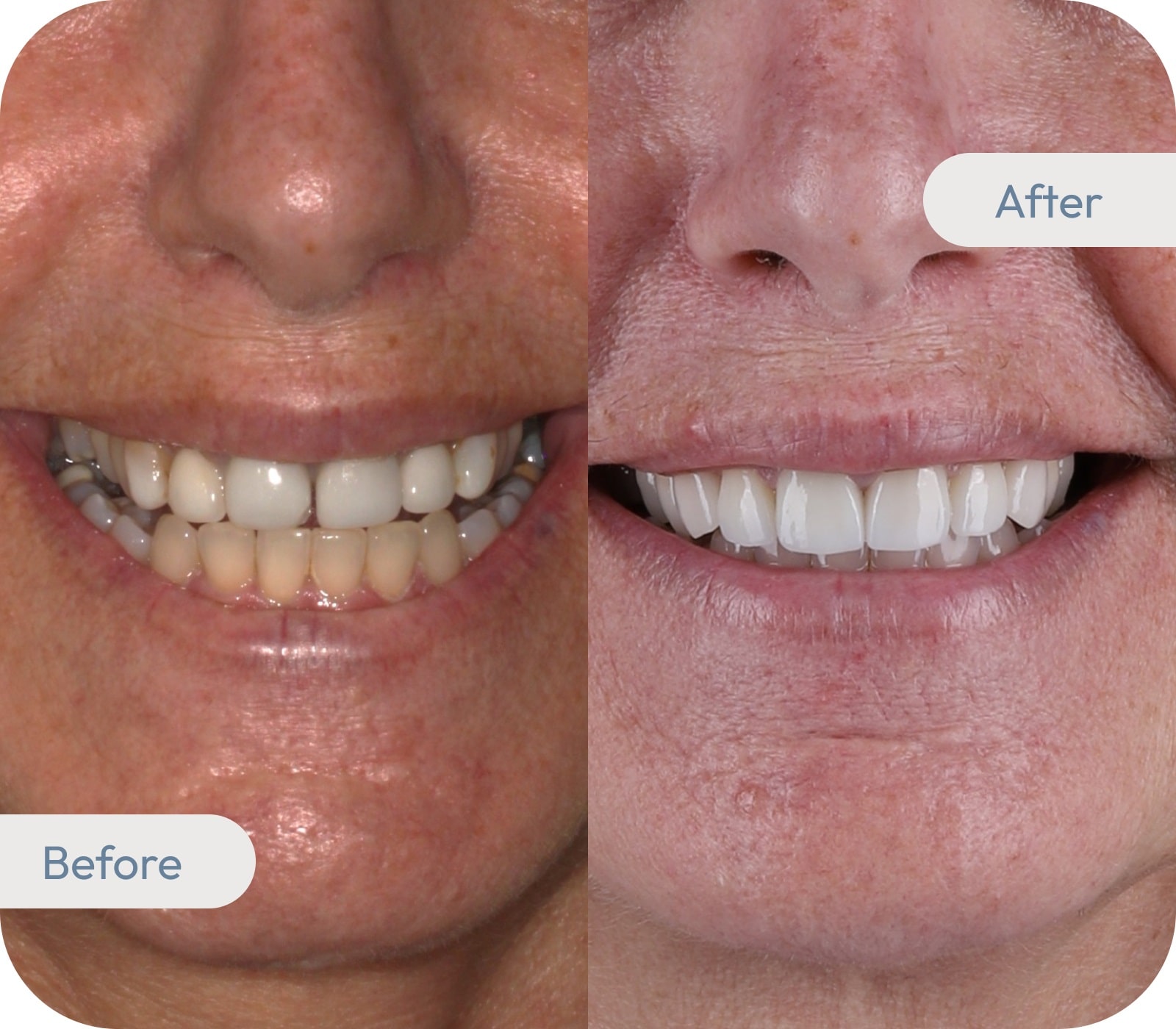
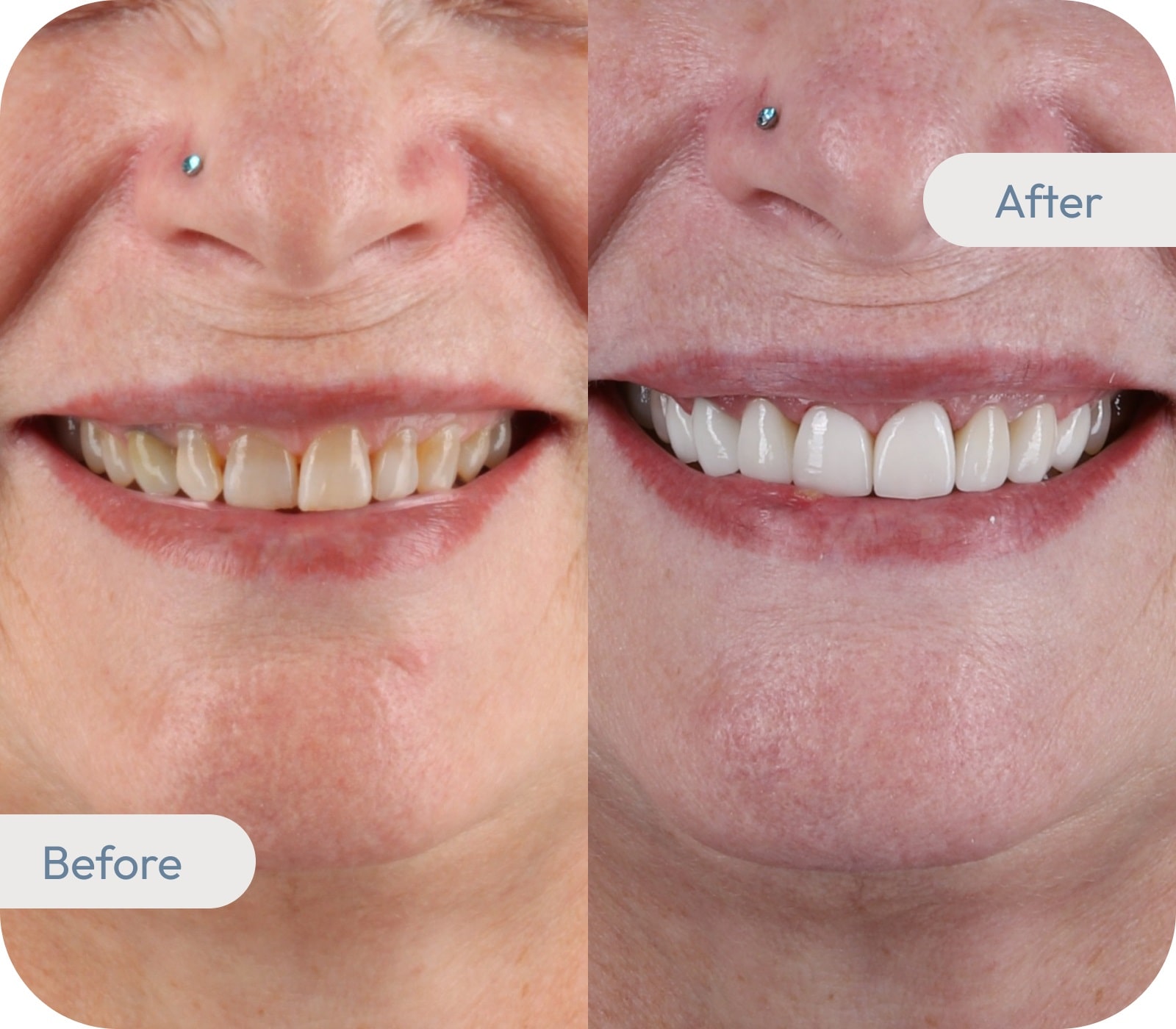
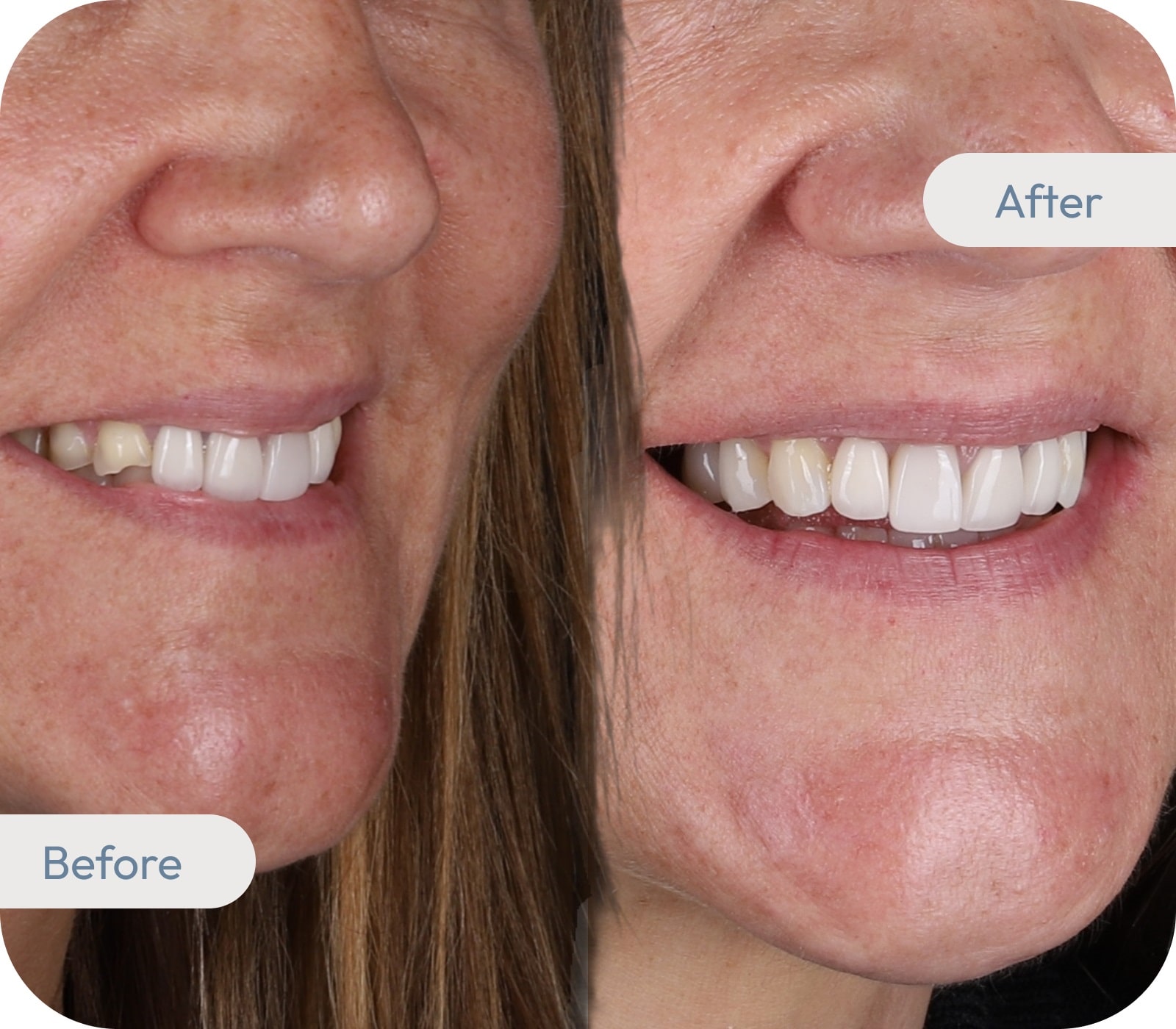
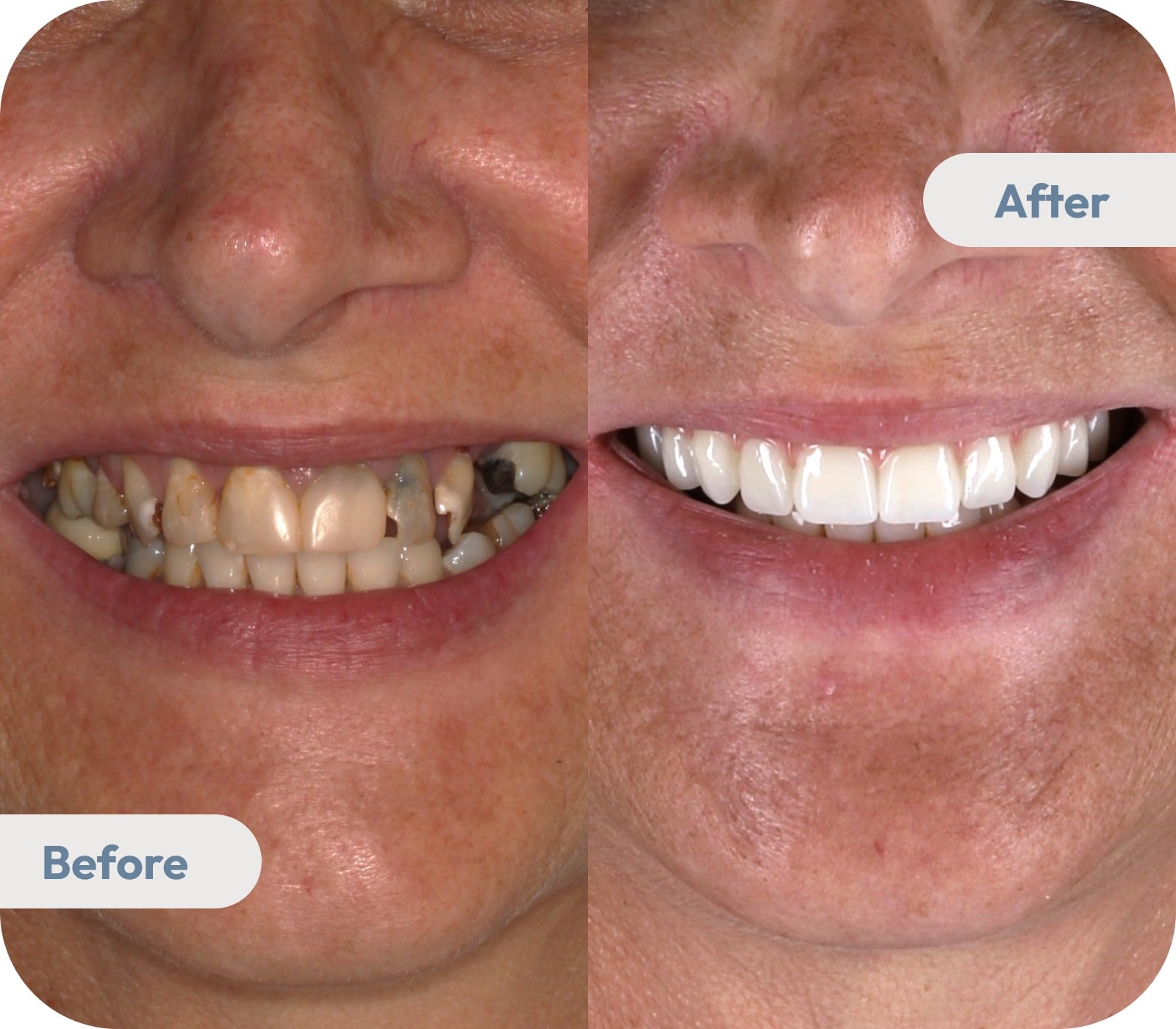
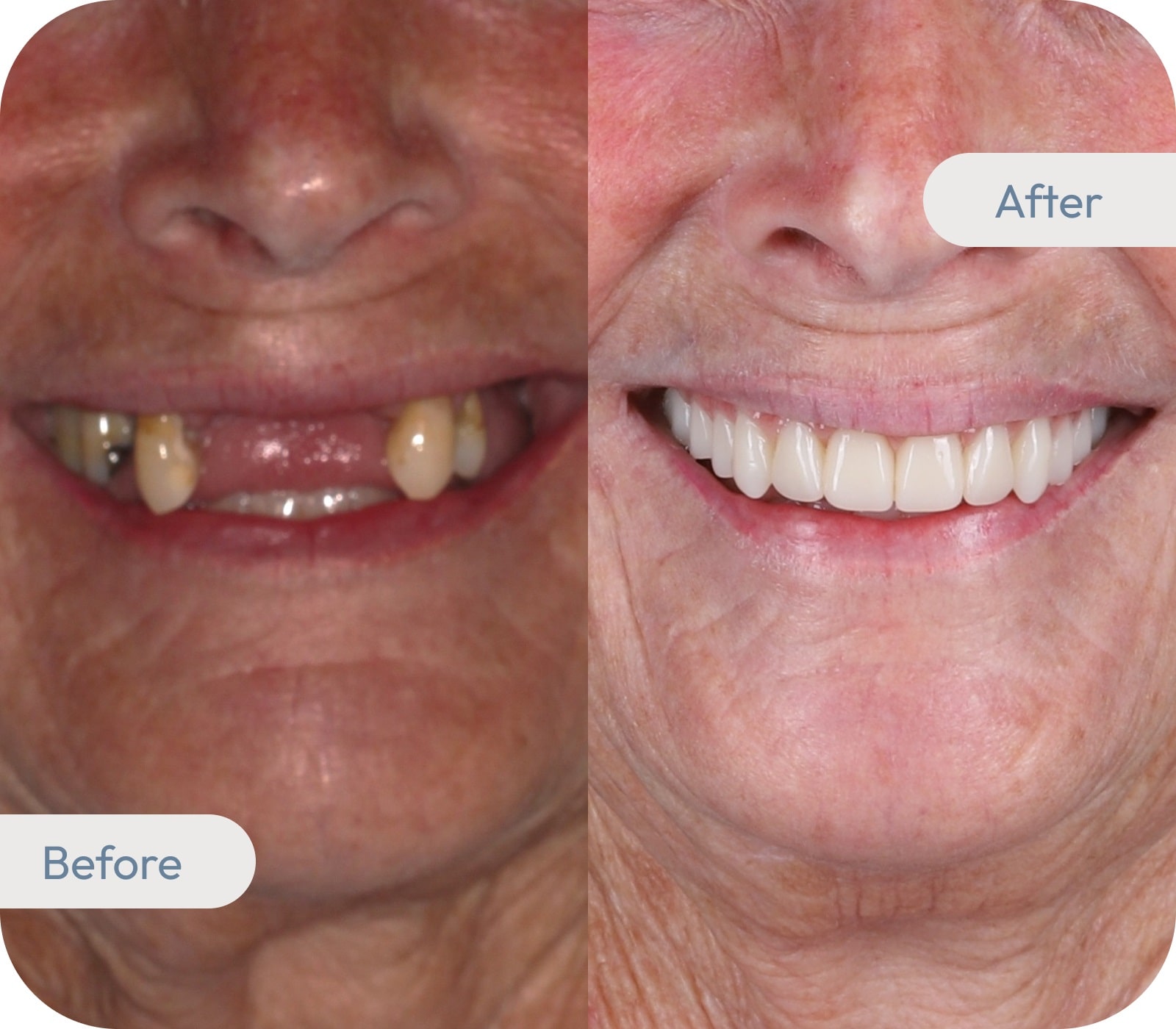
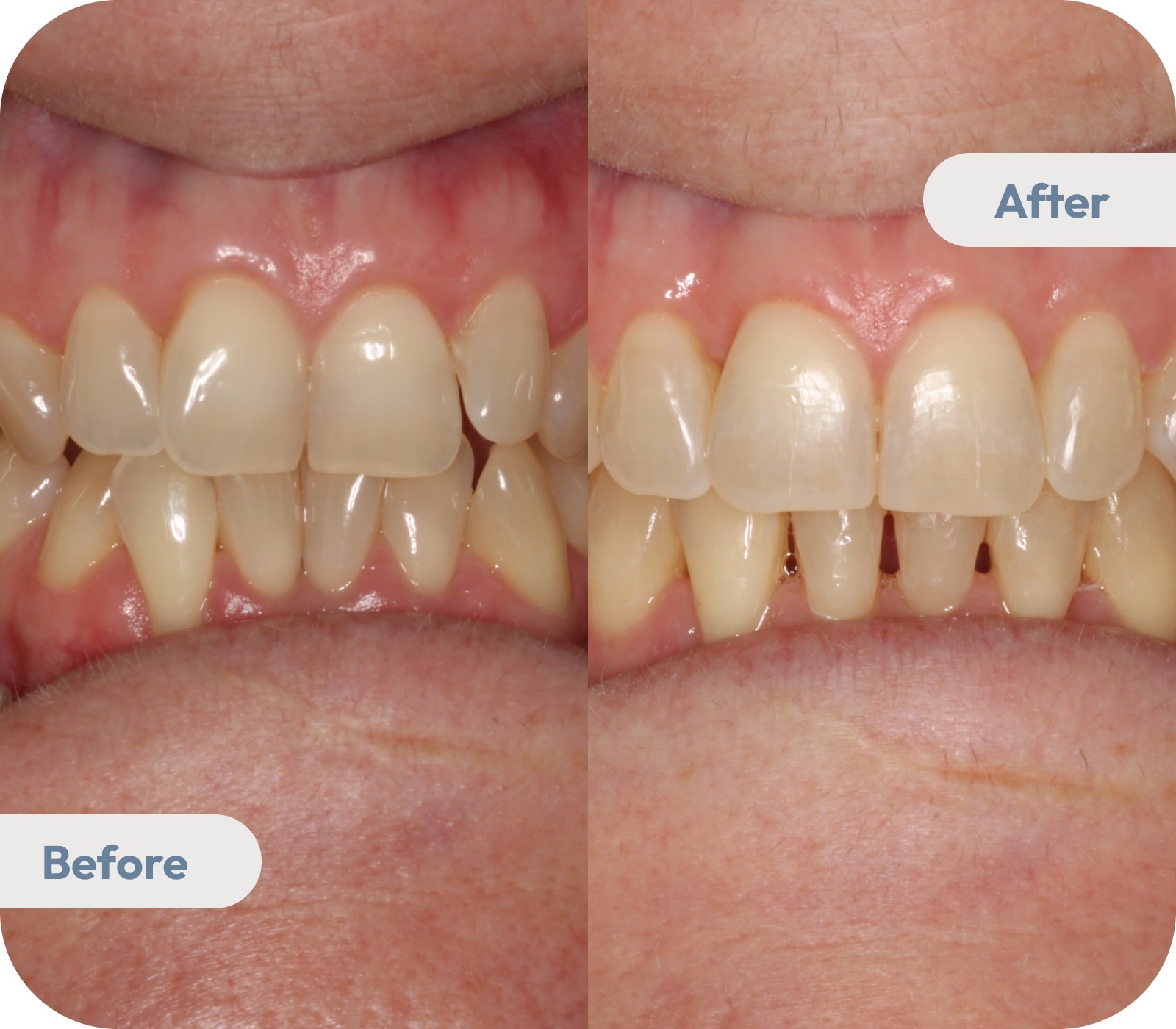
Smile Gallery – Before and After Treatment Examples

Explore real treatment outcomes in our gallery. These before-and-after photos show actual patients of Eversmile Dental, displayed with their consent. Outcomes vary between individuals, and results are not guaranteed. Images are unedited and taken under comparable conditions to reflect realistic treatment outcomes.

*These images display actual patients of our clinic. Every case is different, and treatment outcomes can vary according to individual conditions and needs.

Our Approach to Dental Implants in Bunbury

Dental implants are a treatment option to restore chewing function, support speech, and replace missing teeth. At Eversmile Dental, we provide evidence-based implant care in a professional and supportive environment. Treatment is planned carefully, with long-term oral health as the priority.
  • Eversmile Dental
    Dental Care for the Bunbury Community
    Our team lives and works in Bunbury, and we are committed to supporting the oral health needs of our local community. We provide care that is respectful, professional, and guided by our long-standing connection to the community.
  • Eversmile Dental
    Providing Dental Implant Treatment in Bunbury Since 2006
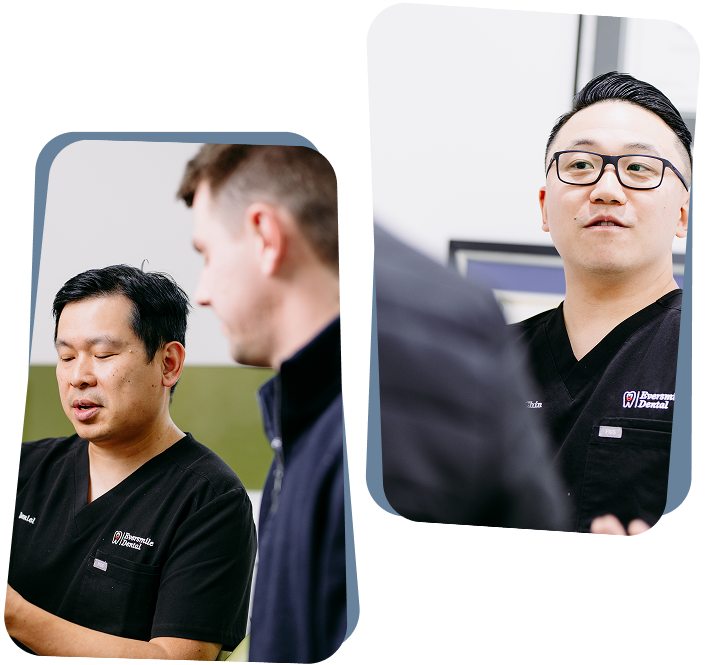
    For almost two decades, we’ve provided dental implant treatment for patients in Bunbury and the South West. With advanced training and clinical experience, our implant dentists plan and place implants using evidence-based methods. Treatments are designed with a focus on function, appearance, and maintaining oral health over time.
  • Eversmile Dental
    Implant Dentistry Tailored to Patient Needs
    Dental implants are about more than just restoring function—they help restore chewing and speech function and replace missing teeth. At Eversmile Dental, we take a patient-focused approach to care for individuals. We focus on building a strong, healthy foundation, understanding your goals, and providing treatment that fits seamlessly into your lifestyle.
  • Eversmile Dental
    We Listen First—Then We Plan Together
    Every implant treatment is different. That’s why we start with a conversation. We’ll guide you through your options with clear information about possible risks, benefits, and costs. You’ll have time to ask questions, feel heard, and make a decision you’re completely comfortable with.
  • Eversmile Dental
    Ethical and Patient-Centred Care
    We are committed to providing patients with clear information and supporting informed decision-making about treatment. If implants are right for you, we’ll guide you through the process with skill and care. If they’re not, we’ll tell you and offer alternative options.
  • Eversmile Dental
    Digital Technology for Implant Planning and Placement
    From CBCT to digital planning and in-house 3D printing, we use modern technology to assist in the planning and placement of implants. These tools support accurate treatment planning and efficient appointments. You don’t need to travel far for modern dental services—it’s available here in Bunbury.

Dental Implant Financing Options Available at
Eversmile Dental

Eversmile Dental offers several dental financing options that may assist eligible patients with managing treatment costs. Eligible patients may be able to access their superannuation for treatment-related costs under the ATO’s early release provisions (via approved facilitators).

Some patients may be able to claim benefits through their private health fund, depending on their level of cover. Government programs, including the Department of Veterans’ Affairs (DVA Card) and the Country Patients Dental Subsidy Scheme (CPDSS), may provide benefits for eligible patients. These options can be discussed during your consultation to help you plan ahead.

Disclaimer: “Eligibility for financing, health fund cover, or government schemes depends on individual circumstances. We recommend checking directly with your fund or program provider to confirm entitlements.”

Explore Our Dental Implant Information Pages

These resources provide general information about dental implant treatment. They explain procedures, risks, recovery, and what you may expect at different stages. Suitability for dental implants can only be determined following an assessment with a registered dentist.

1

Types of Implants

2

Dental Implant Procedure

3

Dental Implant Benefits and Risks

4

Dental Implant Costs
and Financing

5

Dental Implant Care
and Maintenance

6

Dental Implant Treatment Recovery

Frequently Asked Questions

Learn more about dental implants, including treatment steps, costs, and recovery, to better understand your options and how the process may work.

Can you get a full set of teeth with implants?

In some cases, a full set of missing teeth can be replaced with dental implants, depending on individual suitability. This type of replacement is often done through a full arch restoration, where several implants are placed in the jaw to support a custom-made prosthesis. Instead of replacing every missing tooth with an individual implant, a smaller number, usually four to six, can support an entire upper or lower arch. This approach is aimed at improving chewing function and reducing the number of procedures required.

There are two common types of full arch restorations. The first is an implant-supported bridge, which is attached to implants and designed to remain in place during daily activities. The second is an implant-retained denture, which is removable and clips onto implants for added stability. Both options may provide greater stability than traditional dentures and are designed to function without adhesives.

Disclaimer: “Suitability for full arch restorations varies. All surgical procedures carry risks, and outcomes depend on individual circumstances. Your dentist will discuss the most appropriate options for your needs during consultation.”

A full arch restoration does not require one implant for each missing tooth. Instead, a smaller number of implants are placed to support a full arch prosthesis. In many cases, four to six implants may be used per arch, but this varies depending on individual clinical factors.

The number of implants needed depends on several factors, including available bone, spacing of missing teeth, and whether the prosthesis is removable or designed to stay in place under professional care. In some cases, additional procedures such as bone grafting may be recommended before implant placement, especially if bone density is limited or uneven. Bone grafting carries its own risks and recovery requirements, which your dentist will discuss during consultation.

Disclaimer: “The number of implants required varies for each patient. All surgical procedures carry risks, and your dentist will recommend a plan tailored to your individual needs.”

At Eversmile Dental, full arch dental implants start from $6,400 (costs vary depending on individual treatment needs – consultation required for a personalised quote). The cost of dental implants for a full-mouth restoration can vary based on oral health, bone quality, and the type of restoration planned. Total fees may be higher if additional procedures are needed, such as bone grafting, extractions, or sinus lifts, before implant placement.

During your consultation, your dental team will review your needs and provide a detailed breakdown of costs, including any steps required before or after treatment. Eversmile Dental payment plans are available and may assist eligible patients in managing treatment costs. If you’re comparing options and looking into flexible payment options for dental implants, requesting a written quote is a good first step. Discussing dental financing options can also help you make an informed choice based on your goals and budget.

Disclaimer: “Costs vary depending on individual needs, oral health, and treatment complexity. All surgical procedures carry risks, and your dentist will provide a tailored treatment plan and quote following consultation.”

Full-mouth dental implants may be considered as a long-term treatment option for people with multiple missing teeth, depending on suitability. They are designed to support oral function and comfort in ways that removable dentures may not. Below are several points to consider when deciding whether this option may suit your needs:

  • Improved stability while eating and speaking:
    Implant-supported teeth are anchored to the jaw, which may help reduce slipping or movement during meals and conversation compared with removable dentures.
  • Support for jawbone health:
    Implants transfer chewing forces to the jawbone. This may assist in maintaining bone structure after tooth removal.
  • Enhanced comfort and natural appearance:
    The final prosthesis is planned with your functional and aesthetic considerations in mind, although appearance outcomes vary between individuals
  • No reliance on adhesives:
    Implant-supported options are designed to function without adhesive pastes or gels during daily use.
  • Long-term investment:
    While upfront costs are higher than other tooth replacement options, some patients may prefer the functional advantages and convenience implants can provide.
    It’s important to weigh both your long-term goals and the considerations around dental implant costs and financing when exploring your options.

Disclaimer: “Suitability and outcomes vary for each individual. All surgical procedures carry risks, and your dentist will discuss whether full-mouth dental implants are appropriate for your circumstances.”

In many cases, the implant post may be the most expensive part, primarily because it involves a surgical procedure to place a high-quality titanium screw into the jawbone. This serves as the foundation for the restoration and is designed for long-term integration with bone. This surgical nature requires operator skills, equipment, and sometimes additional procedures like bone grafting, all of which increase the cost. Moreover, the implant post’s titanium material is biocompatible and designed to integrate with the bone to support long-term function, which typically makes it more costly than other components, such as crowns. While crowns are customised and also costly, the implant post’s crucial role, complexity, materials, and surgical placement make it the most significant expense in the implant process.

Disclaimer: “Costs vary depending on individual treatment needs and procedures required. A consultation is necessary to provide an accurate treatment plan and quote.”

There are three commonly described types of dental implants, which may be recommended in different clinical situations depending on individual factors. The appropriate option depends on factors such as bone health, treatment goals, and how many teeth need replacing. The dental team will assess your oral health and jaw structure before recommending the most suitable approach.

  • Endosteal implants:
    These are widely used implants and are placed directly into the jawbone. They are shaped like small screws and require sufficient bone volume. This type is often used when replacing one or more missing teeth.
  • Subperiosteal implants:
    These sit under the gum but above the jawbone, supported by a metal framework. They are generally considered when bone height is limited and bone grafting is not an option.
  • Zygomatic implants:
    These are a less frequently used implant type that are anchored in the cheekbone rather than the upper jaw. They may be considered in complex cases, such as when severe bone loss prevents traditional implant placement and grafting is not preferred.

Disclaimer: “Suitability for each implant type depends on individual oral health and bone structure. All surgical procedures carry risks, and your dentist will discuss the most appropriate options for your needs during consultation.”

Yes, there are alternatives that may involve lower upfront costs than implants, depending on your oral health and treatment needs. The most common alternatives include the following:

  • Removable partial dentures:
    These are designed to replace one or more missing teeth. They are removed daily for cleaning and may be adjusted over time.
  • Complete dentures:
    These are used when all teeth in the upper or lower jaw are missing. They rest on the gums and may require an adhesive for added stability.
  • Dental bridges:
    A bridge replaces one or more teeth by attaching to the neighbouring natural teeth. The supporting teeth are usually reshaped before placement, which can carry risks that your dentist will discuss with you.

Disclaimer: “Each treatment option has benefits and limitations. Suitability and costs vary depending on individual circumstances. Your dentist will explain the risks, benefits, and alternatives during consultation.”

Various Payment Options Available

Eversmile Dental offers a range of flexible payment options to assist patients in managing the cost of their dental care. Please ask our team for details about the payment plans available.
Right Menu Icon