

Long-Term Tooth Replacement
Learn About Dental Implant Benefits and Risks
What Are Dental Implants and How Do They Work?
Missing teeth can affect eating, speaking and overall comfort. Over time, gaps may contribute to shifting teeth or reduced bone support. As one of several missing teeth options, dental implants involve placing a post into the jawbone to support a replacement tooth. They may improve stability and function but may also carry risks, so a professional assessment is essential.
What Are the Risks or Considerations?
Dental implants may not suit everyone and typically require healthy gums and adequate bone density. In some cases, bone grafting may be needed before placement. Healing and integration can take three to six months, depending on individual factors.
As with any procedure, there are potential dental implant risks and benefits. These may include infection, implant loosening, or failure to bond with the jawbone. Outcomes vary based on your oral health, medical history, and how closely post-treatment care instructions are followed.
Explore the Health and Lifestyle Benefits of Dental Implants
- Improved Stability
Dental implants are placed into the jawbone, creating a secure foundation for replacement teeth. This stability supports effective chewing, speaking, and smiling without the movement often experienced with removable alternatives.
- Bone Preservation
When a tooth is lost, the bone in that area may gradually shrink due to a lack of stimulation. Dental implants support the jawbone by mimicking natural tooth roots, helping to maintain bone structure.
- Natural Appearance
Dental implant restorations are customised to match your existing teeth in shape, size, and colour. This allows them to blend with your smile, offering a tooth replacement option that looks consistent with your natural teeth.
- Everyday Convenience
Dental implants remain in place, so there’s no need for removal or adhesives. Maintenance is similar to how you care for natural teeth, providing a convenient option that fits into daily oral care routines.
Dental Implant Procedure: From Initial Consultation to Recovery
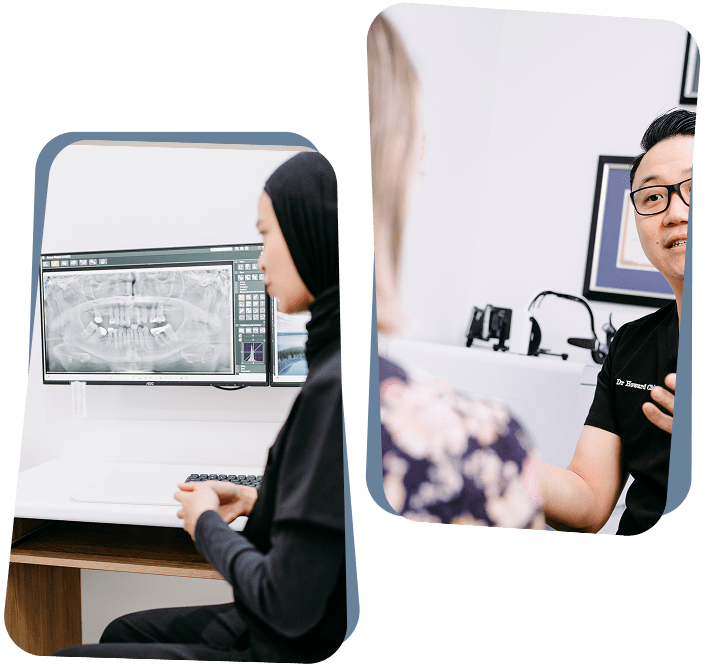
During your first appointment, the dentist providing dental implants in Bunbury will review your dental and medical history, assess your oral health, and take diagnostic images such as CBCT scans. This information helps evaluate bone structure and plan your treatment. You'll also discuss whether implants are clinically suitable for your oral health. No procedures are performed at this stage, as the focus is on assessment, planning, and treatment recommendations.
After your assessment, an individualised treatment plan will be developed based on your clinical oral health assessment. This may involve a single implant, multiple implants, or a full-arch implant-supported option (sometimes known as All-on-X). The discussion will include estimated costs, expected timelines, and any preparatory procedures, such as bone grafting if required. Patients will have the opportunity to ask questions and review information provided during the consultation.
On the day of your procedure, your dentist will review available sedation options appropriate for your procedure. A small titanium post is then carefully placed into the jawbone to act as the implant’s foundation. Some discomfort is expected after placement and can typically be managed with prescribed pain relief medication and aftercare instructions as advised by your dentist. You'll be guided on how to eat, clean the area, and manage healing during the early recovery stage.
After implant placement, the healing process may take several months, often between three and six, depending on individual circumstances. During this time, the bone fuses with the implant through a process called osseointegration, an important factor for long-term stability. You'll attend checkup appointments to monitor progress. Maintaining daily oral hygiene, following aftercare advice, and attending follow-up visits all help support healing and maintain the implant site during this phase.
Once healing is complete, a custom-made crown, bridge, or denture is attached to the implant. Your dentist will evaluate the fit and appearance of the restoration prior to final placement. After placement, you will have follow-up visits to check how the restoration is functioning. Proper maintenance, including regular checkups and good oral hygiene, helps support the ongoing health of the implant and surrounding tissues.
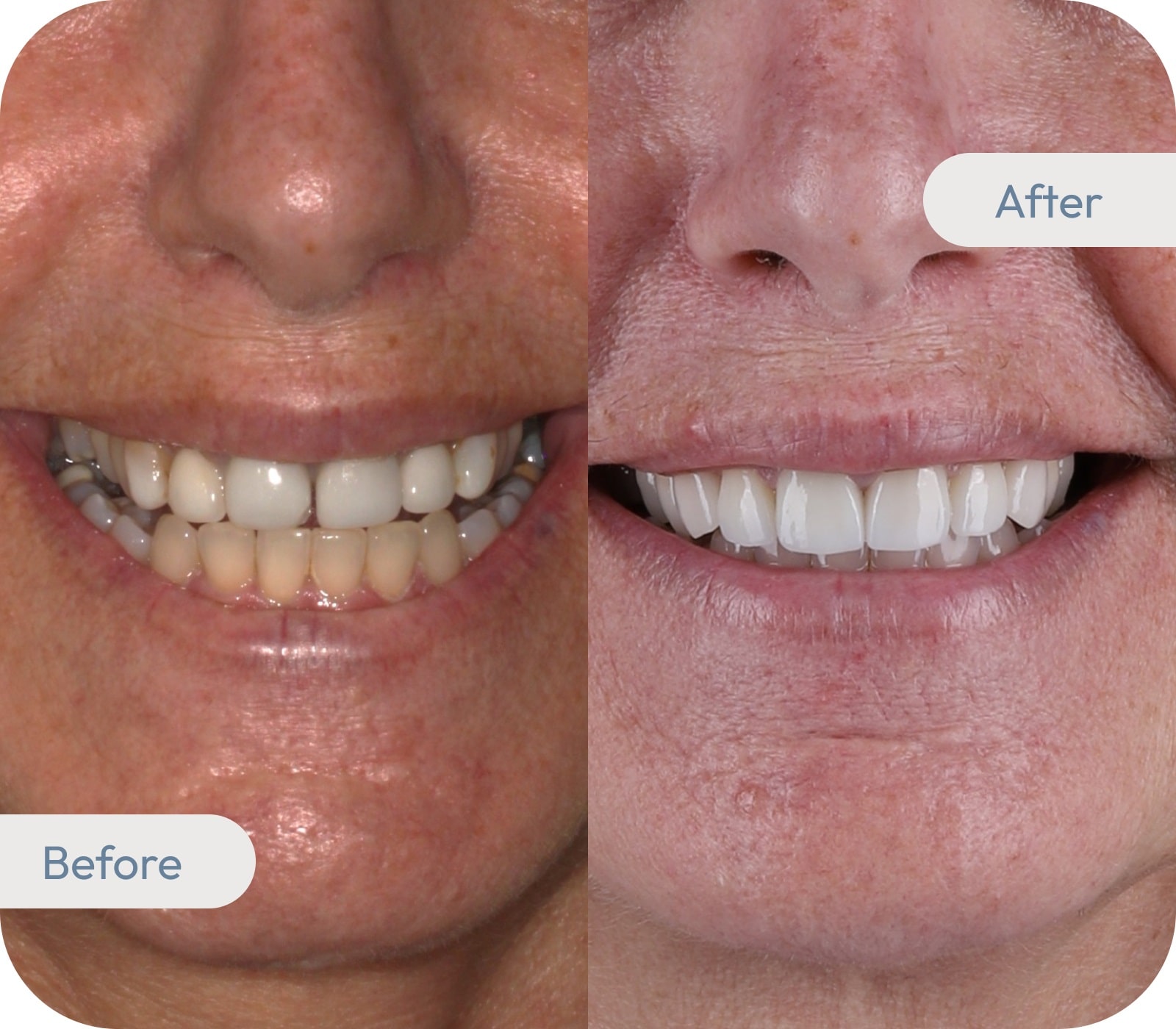
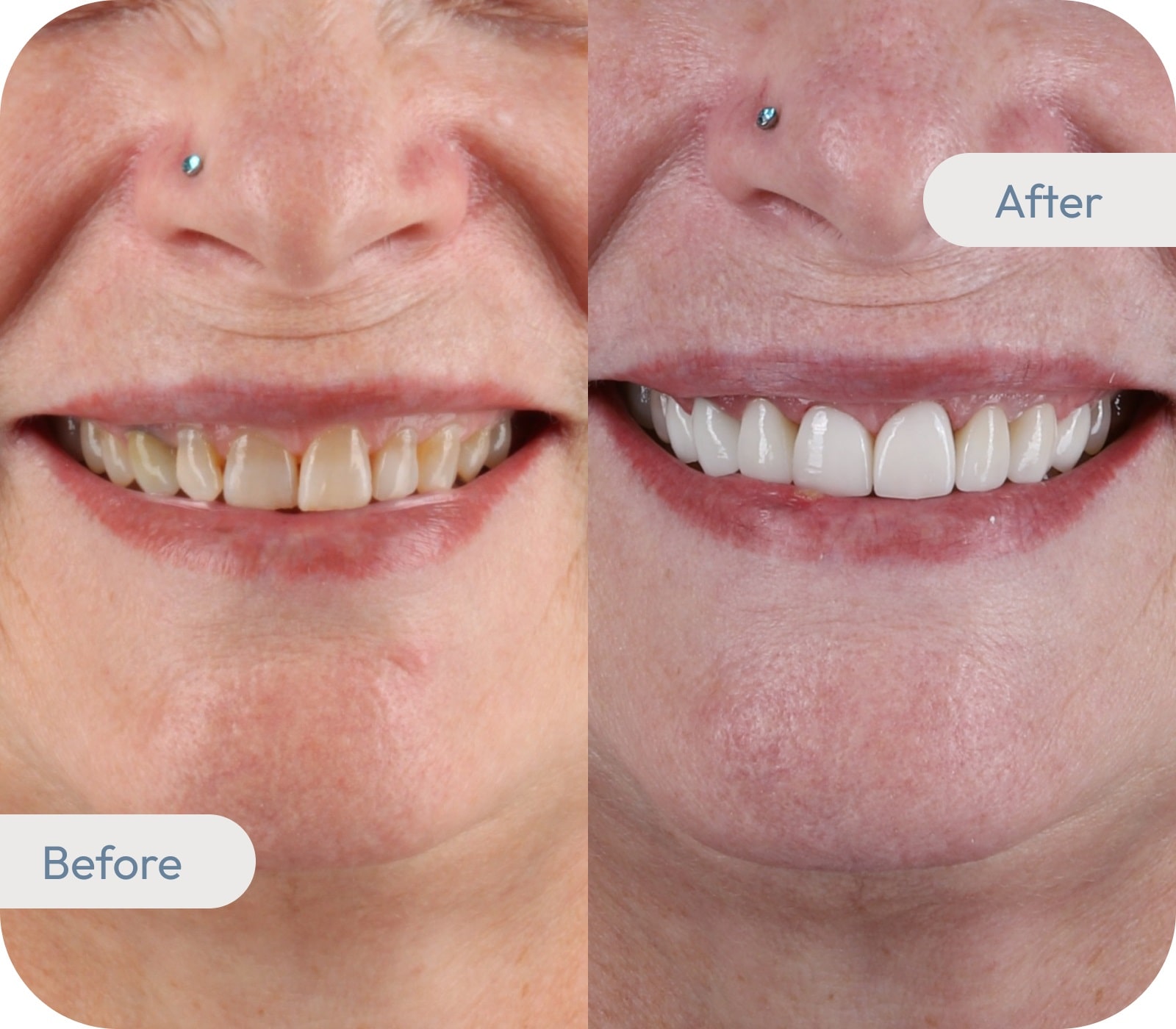
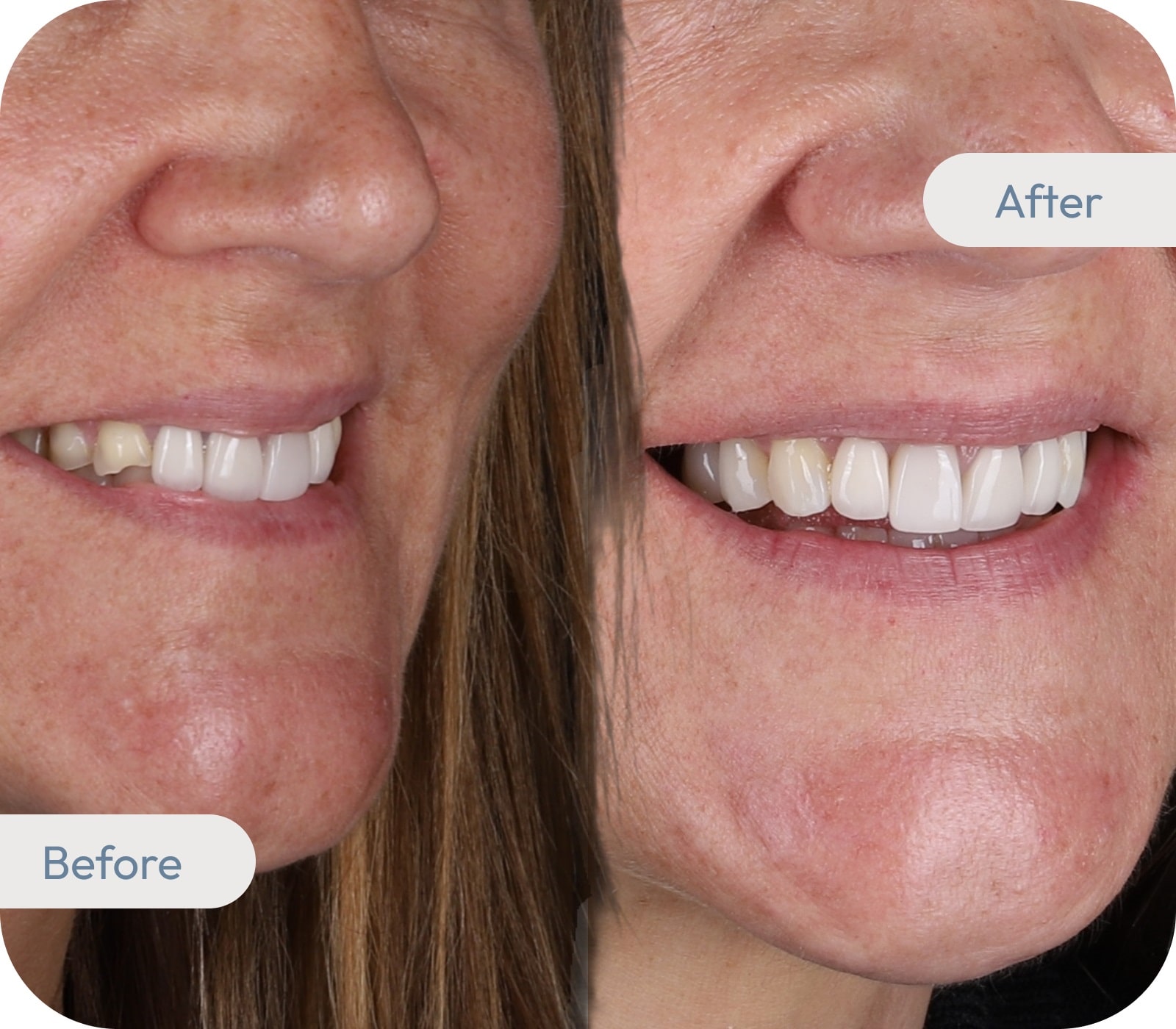
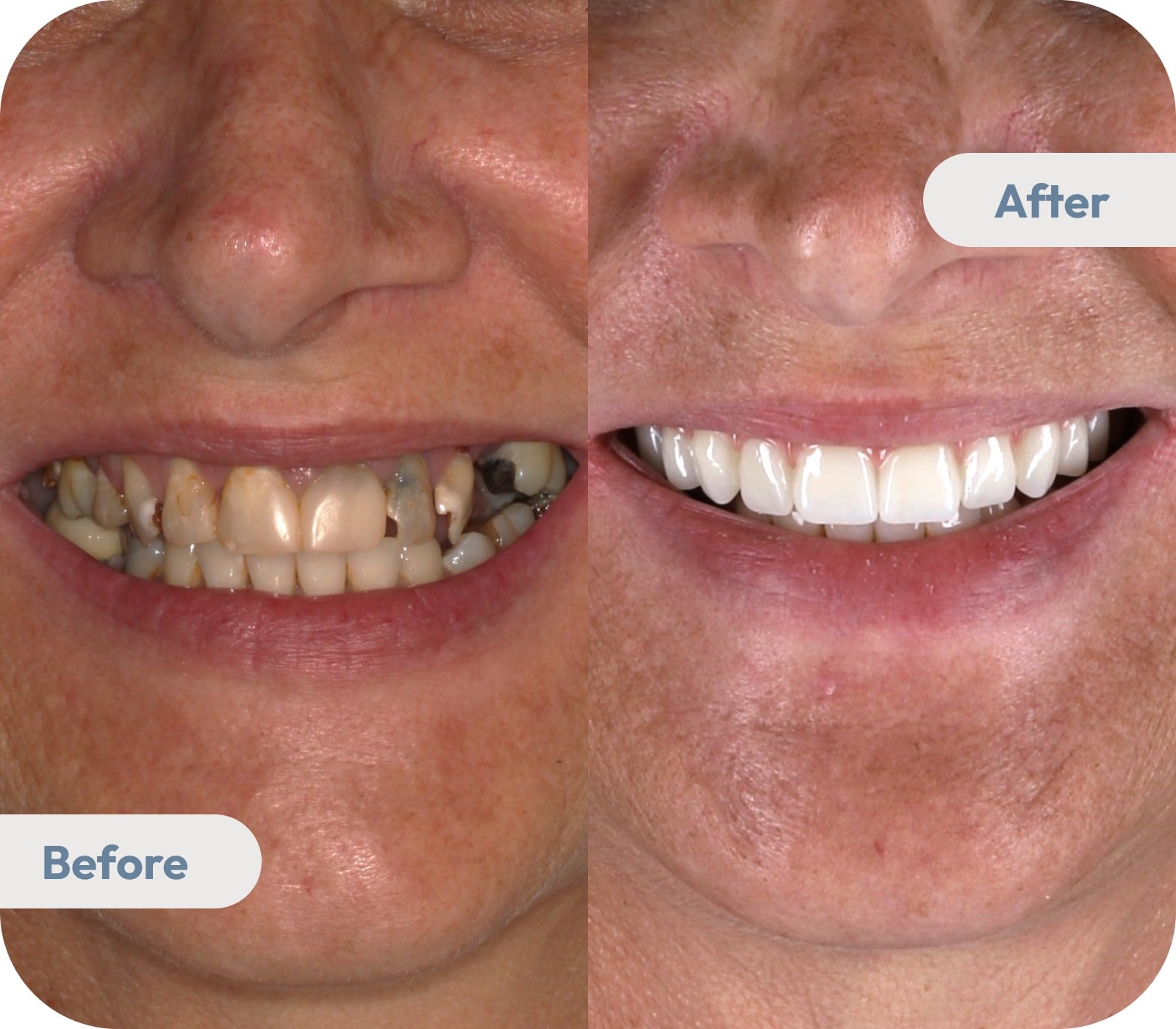
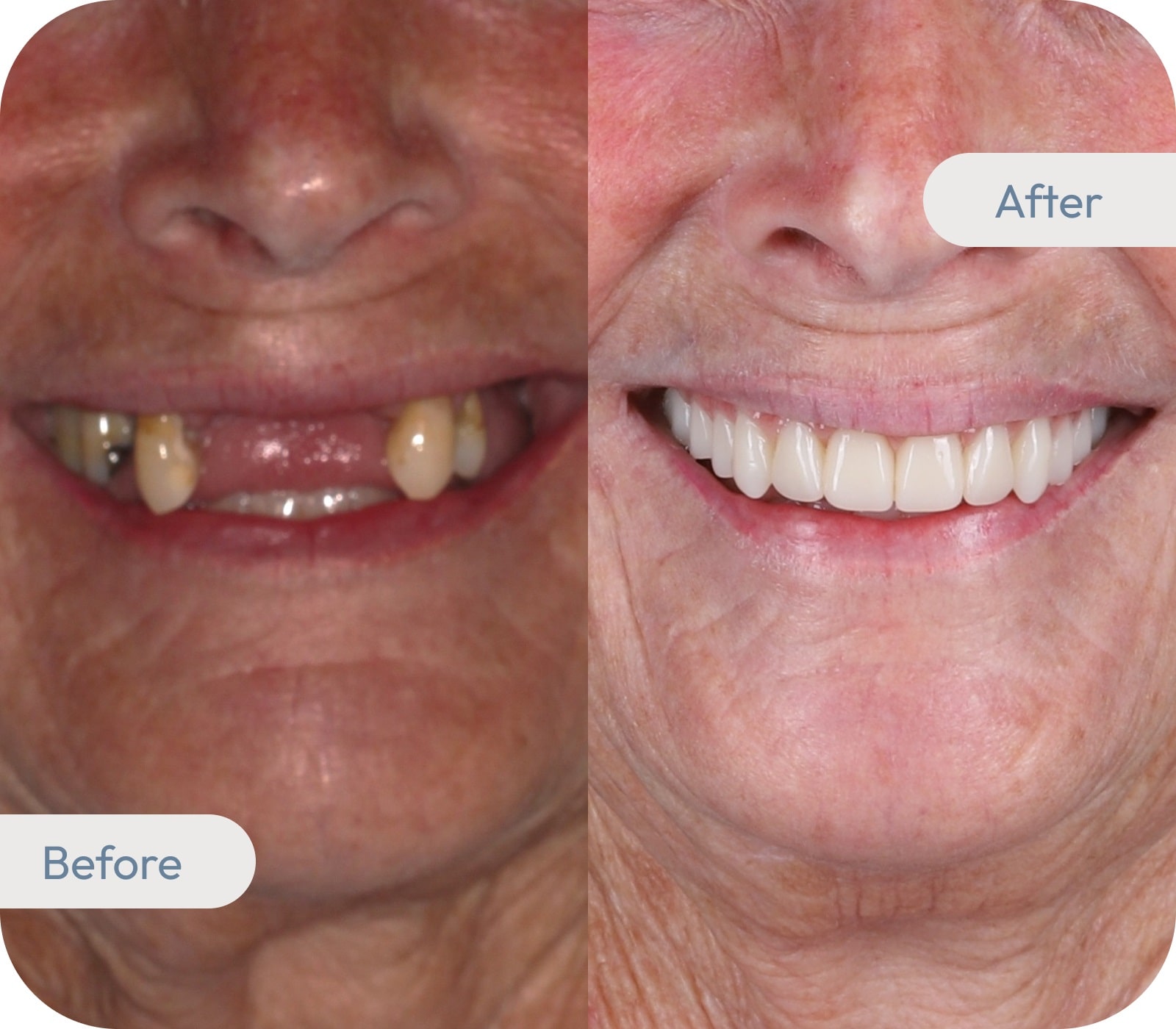
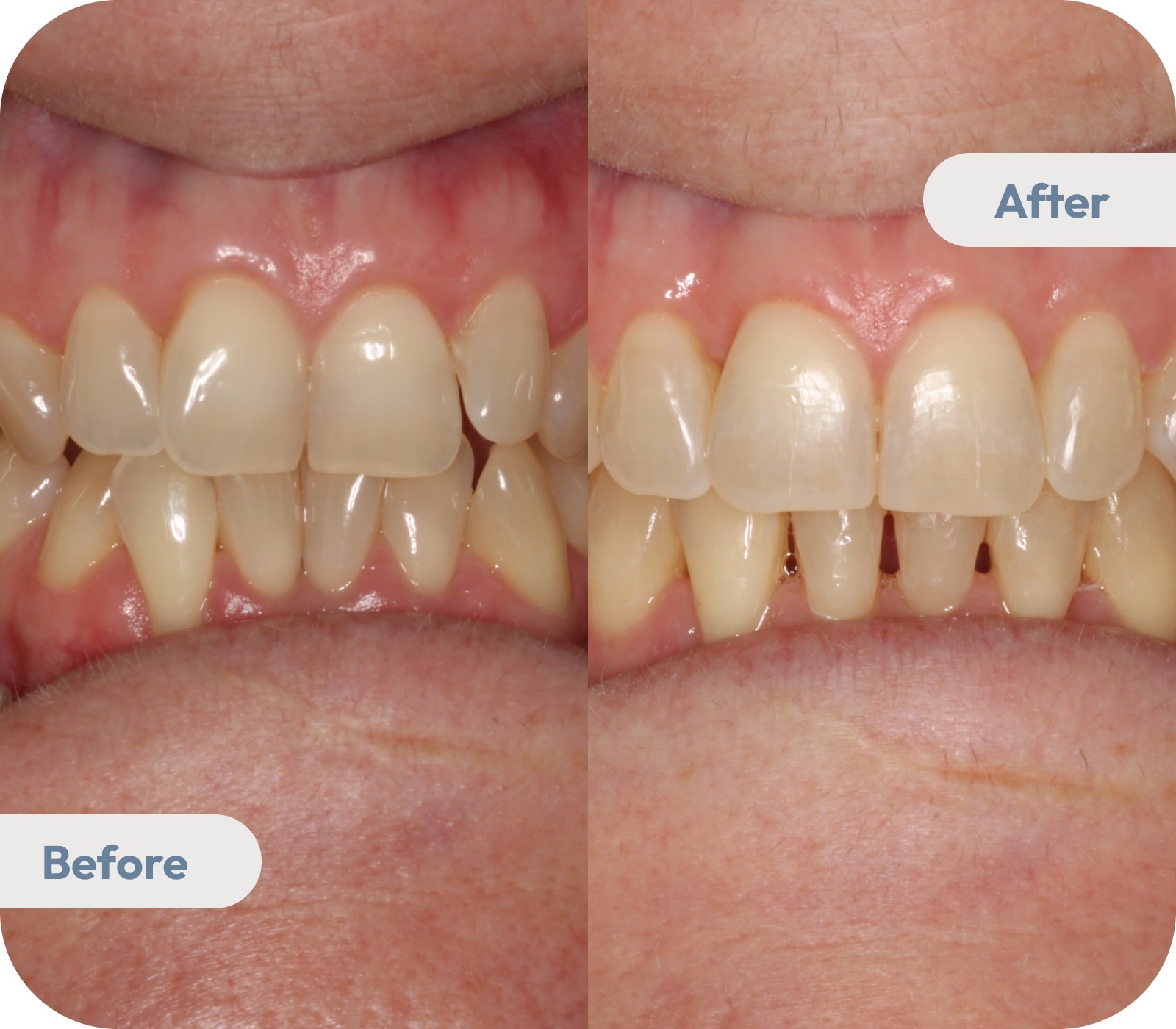
Smile Gallery – Before and After Treatment Examples
*These images display actual patients of our clinic. Every case is different, and treatment outcomes can vary according to individual conditions and needs.
Our Approach to Dental Implants in Bunbury
Dental implants are a treatment option to restore chewing function, support speech, and replace missing teeth. At Eversmile Dental, we provide evidence-based implant care in a professional and supportive environment. Treatment is planned carefully, with long-term oral health as the priority.
-
- Dental Care for the Bunbury Community
- Our team lives and works in Bunbury, and we are committed to supporting the oral health needs of our local community. We provide care that is respectful, professional, and guided by our long-standing connection to the community.
-
- Providing Dental Implant Treatment in Bunbury Since 2006
- For almost two decades, we’ve provided dental implant treatment for patients in Bunbury and the South West. With advanced training and clinical experience, our implant dentists plan and place implants using evidence-based methods. Treatments are designed with a focus on function, appearance, and maintaining oral health over time.
-
- Implant Dentistry Tailored to Patient Needs
- Dental implants are about more than just restoring function—they help restore chewing and speech function and replace missing teeth. At Eversmile Dental, we take a patient-focused approach to care for individuals. We focus on building a strong, healthy foundation, understanding your goals, and providing treatment that fits seamlessly into your lifestyle.
-
- We Listen First—Then We Plan Together
- Every implant treatment is different. That’s why we start with a conversation. We’ll guide you through your options with clear information about possible risks, benefits, and costs. You’ll have time to ask questions, feel heard, and make a decision you’re completely comfortable with.
-
- DEthical and Patient-Centred Care
- We are committed to providing patients with clear information and supporting informed decision-making about treatment. If implants are right for you, we’ll guide you through the process with skill and care. If they’re not, we’ll tell you and offer alternative options.
-
- Advanced Technology for Comfort and Precision
- From CBCT to digital planning and in-house 3D printing, we use modern technology to assist in the planning and placement of implants. These tools support accurate treatment planning and efficient appointments. You don’t need to travel far for modern dental services—it’s available here in Bunbury.

Explore Our Dental Implant Information Pages
Frequently Asked Questions
Are dental implants better than dentures?
Choosing between dental implants and dentures is not a one-size-fits-all decision. Your oral health, lifestyle, and long-term goals all influence what’s right for you. While both options are used for tooth replacement, they offer different experiences, care needs, and outcomes. Here’s how they differ so that you can make an informed choice:
- Stability and Comfort:
Dental implants are placed in the jawbone, so they remain secure when you chew or speak. Dentures sit on the gums and can shift without adhesive or adjustments. Implants integrate with the bone over time, which supports stability. - Bone Preservation:
Implants may help stimulate the jawbone, which may reduce bone shrinkage in the area. With dentures, the bone underneath can shrink gradually if it doesn’t receive that stimulation. - Long-Term Maintenance:
You care for implants like natural teeth, with brushing, flossing, and check-ups. Dentures need daily removal for cleaning and may require relining or replacement over time. - Diet and Chewing Ability:
Implants may provide stronger bite function, which can support eating a wider range of foods. Dentures might limit certain choices, especially sticky or hard items like toffees or popcorn kernels. - Aesthetics and Confidence:
Both options are designed to look natural, but implants are anchored, which many people find more discreet. Unlike dentures, implants don’t need adhesives, clasps, or removal during sleep. - Cost Consideration:
Implants usually involve a higher upfront cost compared to dentures. However, their durability may mean fewer ongoing adjustments or replacements. Costs can vary depending on jawbone health, materials used, and how many teeth need replacing.
Do dental implants look and feel like real teeth?
Dental implants are made to resemble natural teeth closely. They’re designed for stability and to closely resemble the appearance of natural teeth. Here’s how they compare in terms of look, feel, and function:
- Natural Appearance:
Dental implants are shaped and coloured to match your surrounding teeth. They are intended to integrate with your smile and gumline. - Material Quality:
Implants use durable materials like ceramic or zirconia that reflect light similarly to tooth enamel. This supports a natural-looking appearance in person and in photographs. - Stability and Movement:
Because they are anchored in the jawbone, implants stay in place when you speak, chew, or smile. They typically remain stable without needing adhesives or repositioning. - Sensory Feel:
Implants don’t have nerves, but they feel stable during everyday activities. - Pressure on Gums:
Unlike some removable options like dentures, implants do not press directly on your gums. This may help minimise gum pressure compared to removable options. - Daily Function:
They are designed to support chewing and speaking without needing removal or repositioning. Implants are used like natural teeth.
How long do dental implants last?
Dental implants are a long-term option, but how long they last depends on your habits and dental care. The implant post may remain functional for 20 years or more. The visible part, such as a crown, bridge, or denture, usually lasts 5 to 15 years. Several lifestyle and care factors influence how long your implant lasts:
- Keeping your mouth clean:
Brushing twice daily and cleaning between teeth helps reduce plaque and bacteria. This lowers the risk of gum inflammation and bone loss around the implant. - Habits that affect healing:
Smoking reduces blood flow, slows healing, and increases infection risk. Research suggests it may significantly raise the chance of implant failure and bone loss. - How you chew and bite:
Biting on hard foods, like popcorn and kernels, or grinding your teeth, can strain or wear down the implant. - Visiting your dentist regularly:
Check-ups and professional cleans help detect early signs of gum changes, bite issues, or wear. Addressing these early can protect your implant over time.
Are dental implants right for me?
Dental implants are a long-term option that may support oral function and appearance for many patients. Here are some key dental implant benefits to consider when deciding if they’re right for you:
- Improved Stability and Function:
Implants stay firmly in place, which may support chewing, speaking, or smiling. - Natural Appearance:
The crown or bridge is custom-made to match your existing teeth. It is designed to integrate with your smile and gumline. - Jawbone Support:
Implants can support jawbone health by providing stimulation, which may help limit bone loss over time. - Daily Convenience:
There’s no need to remove implants for cleaning. You care for them with regular brushing, flossing, and dental check-ups. - Long-Term Value:
While the upfront cost is higher, implants are known for durability, stability, and potential for long-term use. The implant post can last for decades in some cases with proper maintenance.
What are the risks or side effects of dental implants?
Dental implants are widely used and are considered a well-established treatment option, but like any surgery, they do have risks and side effects. Knowing these helps you understand what to expect during recovery and ongoing care. Here are some possible outcomes:
- Surgical Discomfort or Swelling:
Mild pain, swelling, or bruising around the gums or jaw is common after surgery. Depending on your healing and care routine, these symptoms often improve within a few days, depending on individual healing. - Infection at the Implant Site:
As with any oral procedure, there’s a risk of infection during healing. Brushing, flossing, and following your dentist’s aftercare instructions help reduce this risk. - Implant Not Integrating with the Bone:
Sometimes, the implant may not bond fully with the jawbone. This can lead to implant failure and may need to be removed and replaced after healing. - Nerve Irritation:
If a nerve is affected during placement, you may feel tingling, sensitivity, or numbness in the lips, gums, or chin. These sensations normally improve within 4 to 12 weeks, although they may last longer than six months in rare cases. - Sinus Complications (Upper Jaw Only):
For implants near the sinuses, there’s a small risk of sinus involvement. Your dentist will assess this risk beforehand using X-rays or 3D imaging. - Gum or Bone Loss:
Inflammation or poor oral hygiene can lead to recession of the gums or loss of bone around the implant. Regular check-ups and good home care help reduce this risk.
How successful are dental implants?
Dental implants are a well-established treatment option and are widely used in dentistry. Their success depends on several factors, including your oral health, bone quality, general health, and how well you follow aftercare instructions.
Research shows that dental implants have high success rates in healthy patients, particularly when placed in adequate bone and maintained with good oral hygiene and regular dental check-ups. However, outcomes can vary. Habits such as smoking, certain medical conditions, or teeth grinding may reduce the chance of long-term success.
Your dentist will assess your individual circumstances and discuss the factors that may influence the outcome of your treatment.
What happens if I don’t replace a missing tooth?
Leaving a gap from a missing tooth can affect more than just appearance. Over time, it may lead to changes in how your mouth functions and how nearby teeth behave. Here are some common outcomes if a missing tooth isn’t replaced:
- Shifting of Nearby Teeth:
Teeth next to the gap can slowly move or tilt into the space. This may affect your bite and make cleaning more difficult, increasing the risk of plaque buildup and gum problems. - Bone Shrinkage in the Jaw:
When a tooth is missing, the jawbone in that area may lose density due to a lack of stimulation. This can change the shape of your jaw and may change the shape of your jaw and facial profile over time. - Bite Imbalance or Wear:
Missing teeth can place more pressure on the remaining teeth. This may lead to uneven wear or discomfort while chewing. - Chewing and Speech Changes:
Depending on the tooth’s location, you might find it harder to chew certain harder foods. Missing front teeth can also affect speech clarity, particularly when pronouncing words with “s” or “th” sounds. - Increased Risk of Future Tooth Loss:
A missing tooth may lead to extra stress on nearby teeth and supporting tissues, which can impact their long-term stability.
Are dental implants painful?
Dental implant procedures are generally well-tolerated and are performed under local anaesthesia. This numbs the area where the implant is placed and helps manage pain during the procedure. While the anaesthetic is active, you may feel some pressure, vibration, or movement, but not sharp pain.
Once the anaesthetic wears off, it’s common to experience mild swelling, tenderness, or bruising around the surgical site. These effects often begin within the first 24 hours and usually peak by the second day. Discomfort during this period can often be managed with over-the-counter pain relief, as advised by your dental professional.
To support healing, it’s recommended to rest, avoid strenuous activity, and keep your head elevated during the first few days after surgery. Your dental team will provide personalised aftercare instructions to support recovery and reduce your risk of complications.
Various Payment Options Available
Book Your Appointment Online or Call Our Bunbury Dental Clinic Today
Book an appointment with our dentist in Bunbury to discuss your oral health needs. We provide tailored dental treatments and clear information to support informed decisions about your dental care.