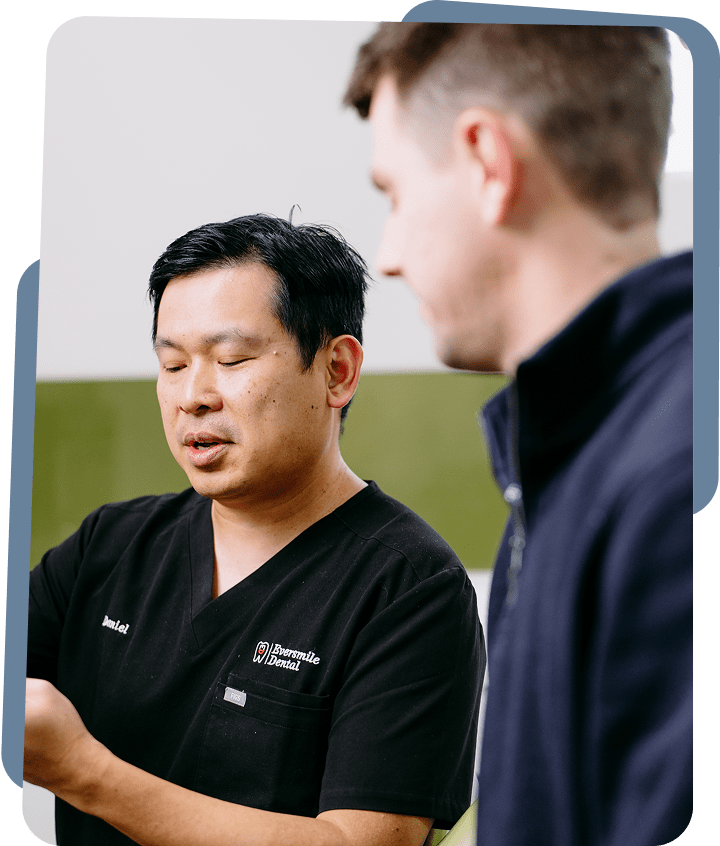
Cosmetic Dentistry Services at Eversmile Dental

Providing Dental Bonding in Bunbury

Considering dental bonding in Bunbury? This cosmetic treatment may help address minor chips, gaps, or discolouration using tooth-coloured composite resin.

Dental Bonding: A Treatment Option for Minor Cosmetic Concerns

A chipped tooth is sometimes visible when you smile. Dental bonding is a treatment that uses tooth-coloured resin and may help with minor issues, including small chips, gaps, or stains. This treatment can often be completed in a single appointment, depending on the extent of the adjustment needed. Many individuals find it a convenient option for addressing minor cosmetic concerns.

Is Dental Bonding Right for You?

  • Minor Chips
    Dental bonding may be suitable if your teeth have small chips from biting hard foods. This treatment reshapes chipped areas and can help improve the appearance of your teeth while preserving most of your natural tooth structure.
  • Tooth Discolouration
    Dental bonding may help cover areas of discolouration that remain visible after whitening. Dentists apply a tooth-coloured resin that aims to blend with surrounding teeth. This option is suitable for individuals with stains affecting one or more front teeth.
  • Small Gaps
    Dental bonding can help fill small gaps between teeth. It offers a conservative option for addressing minor gaps without the need for braces. Dentists carefully apply resin to reshape teeth, which can improve your overall smile appearance.
  • Uneven Edges
    If you have slightly uneven teeth, bonding can reshape them using a tooth-coloured resin that is designed to blend naturally with your smile. It offers a non-invasive way to enhance shape, resulting in a more balanced appearance.

What You Can Expect from Dental Bonding

  • Often Completed in One Visit
    Dental bonding may address minor cracks or slight gaps in teeth, often during a single visit, depending on individual circumstances. The procedure is typically straightforward for minor cosmetic concerns. Many patients can complete their dental bonding with minimal impact on their daily routine.
  • Aims for a Natural Appearance
    The composite resin is colour-matched to your natural teeth and may help achieve a smooth and natural-looking appearance. The procedure is applied and shaped to restore minor flaws, aiming for a balanced appearance.
  • Conservative Approach
    You can usually preserve most of your natural tooth structure with dental bonding, which often involves little to no removal of healthy enamel. It provides a conservative option that may be suitable for addressing minor cosmetic concerns.
  • Versatile Application
    Dental bonding can address various minor cosmetic concerns, including chips, gaps, discolouration, and uneven edges. The technique may be applied to one tooth or multiple teeth, depending on your individual needs and treatment goals.

Book a Smile Consultation at Eversmile Dental Today

Book your cosmetic dentistry consultation today to explore personalised treatment options that align with your dental goals. Each treatment is delivered safely and professionally to enhance your natural smile.

Eversmile Dental

A Look Inside Your Dental Bonding Appointment at Eversmile Dental

Here’s what to expect from a dental bonding appointment at our clinic. It is intended to address minor cosmetic concerns through a straightforward treatment process.

We'll listen to your concerns and carefully examine your teeth and gums. Our team may take photos or scans to understand your smile better and assess the condition of each tooth. You’ll discuss what’s bothering you and explore whether dental bonding is a suitable option for your specific needs. There’s no pressure to decide immediately, and you’re welcome to ask questions at any time during your visit.

Your dentist holds a shade guide next to your teeth and selects a resin colour that closely matches your enamel. You can preview the selected shade before application to check that it closely matches the colour of your natural teeth. This careful matching helps the bonded area blend with nearby teeth. Some people notice the precision of the process, which may result in a balanced appearance that looks natural.

We'll gently roughen the tooth surface using a dental tool to help the resin bond properly. A conditioning liquid is carefully applied, creating a surface that allows the resin to attach more effectively. This preparation process is quick, painless, and doesn’t involve drilling or removing any part of your natural tooth. You won’t need anaesthetic, and your tooth will be ready for bonding within just a few minutes. .

Your dentist applies a tooth-coloured resin in layers, carefully building it up to address the affected area. Each layer is sculpted to match your existing teeth, using dental tools for detailed and precise contouring. This process relies on technical experience and refined shaping skills to create a smooth, balanced, and natural appearance. You can sit back and relax while your dentist works patiently to address your cosmetic concerns.

A special light hardens the resin layer by layer, creating a bond without affecting nearby healthy tooth structures. Your dentist carefully polishes the surface to blend with the surrounding enamel, aiming for a smooth finish. They perform a bite check to confirm your comfort and make any necessary adjustments during the appointment. Our team will check your bite and make any necessary adjustments before you leave.

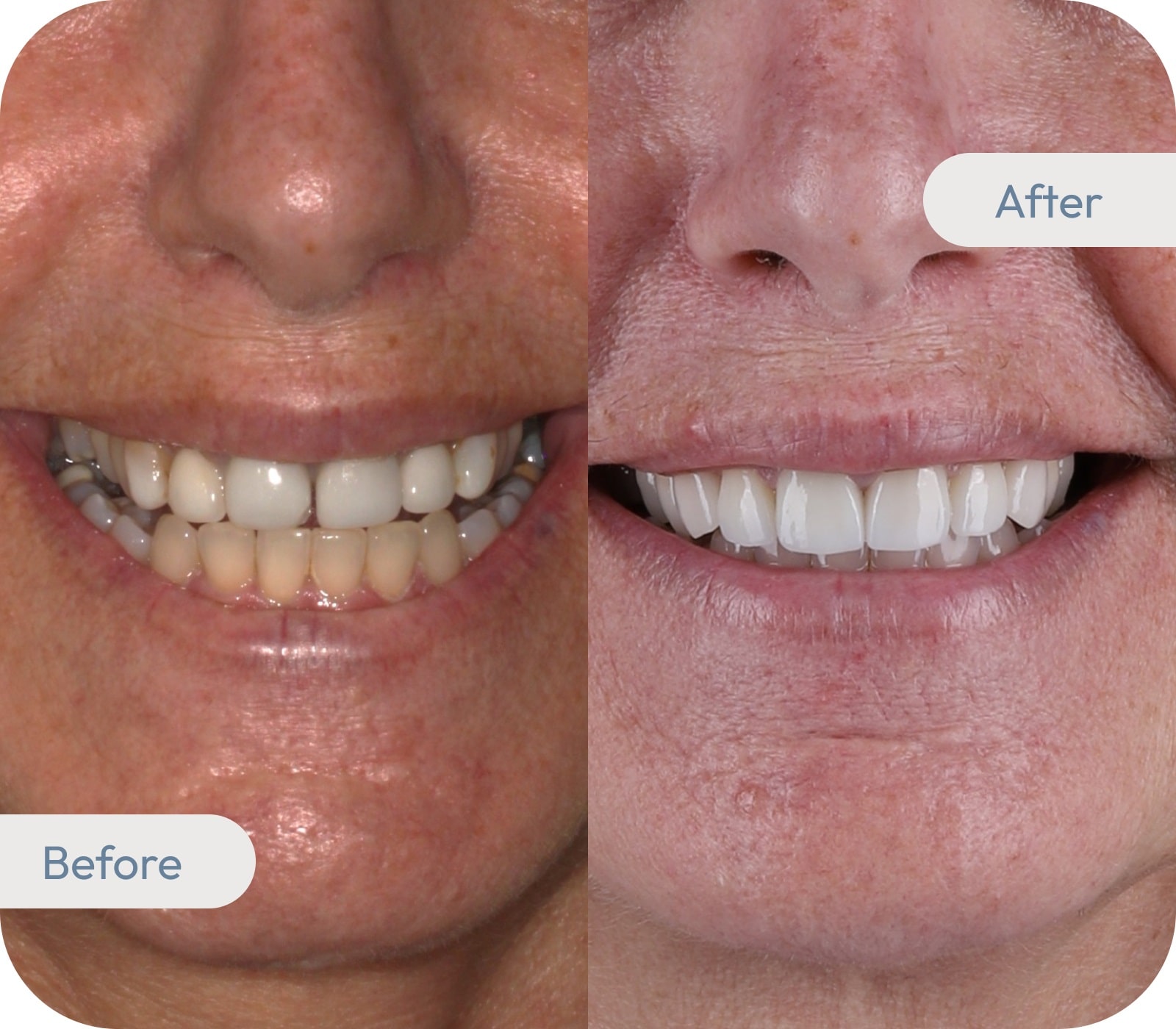
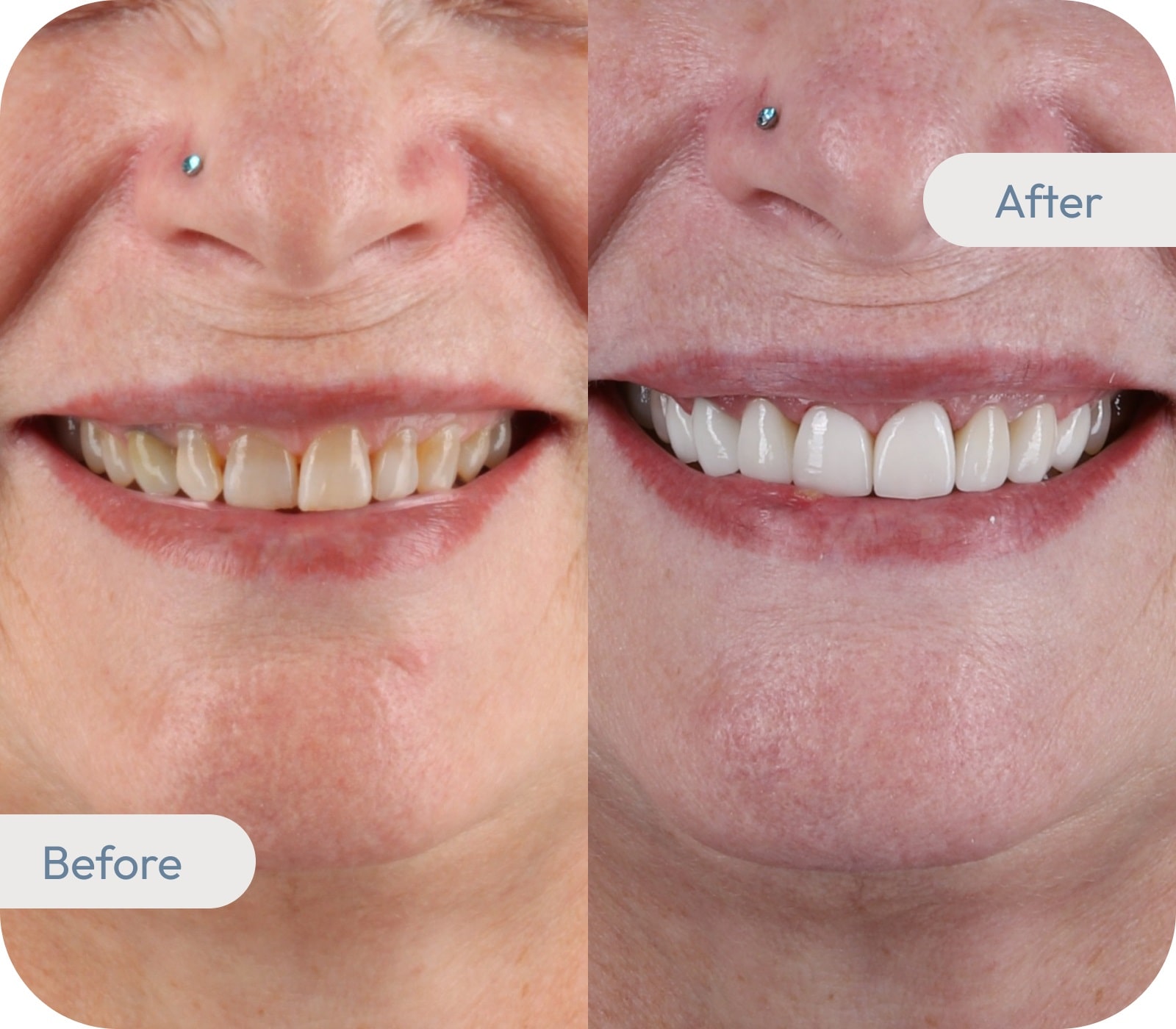
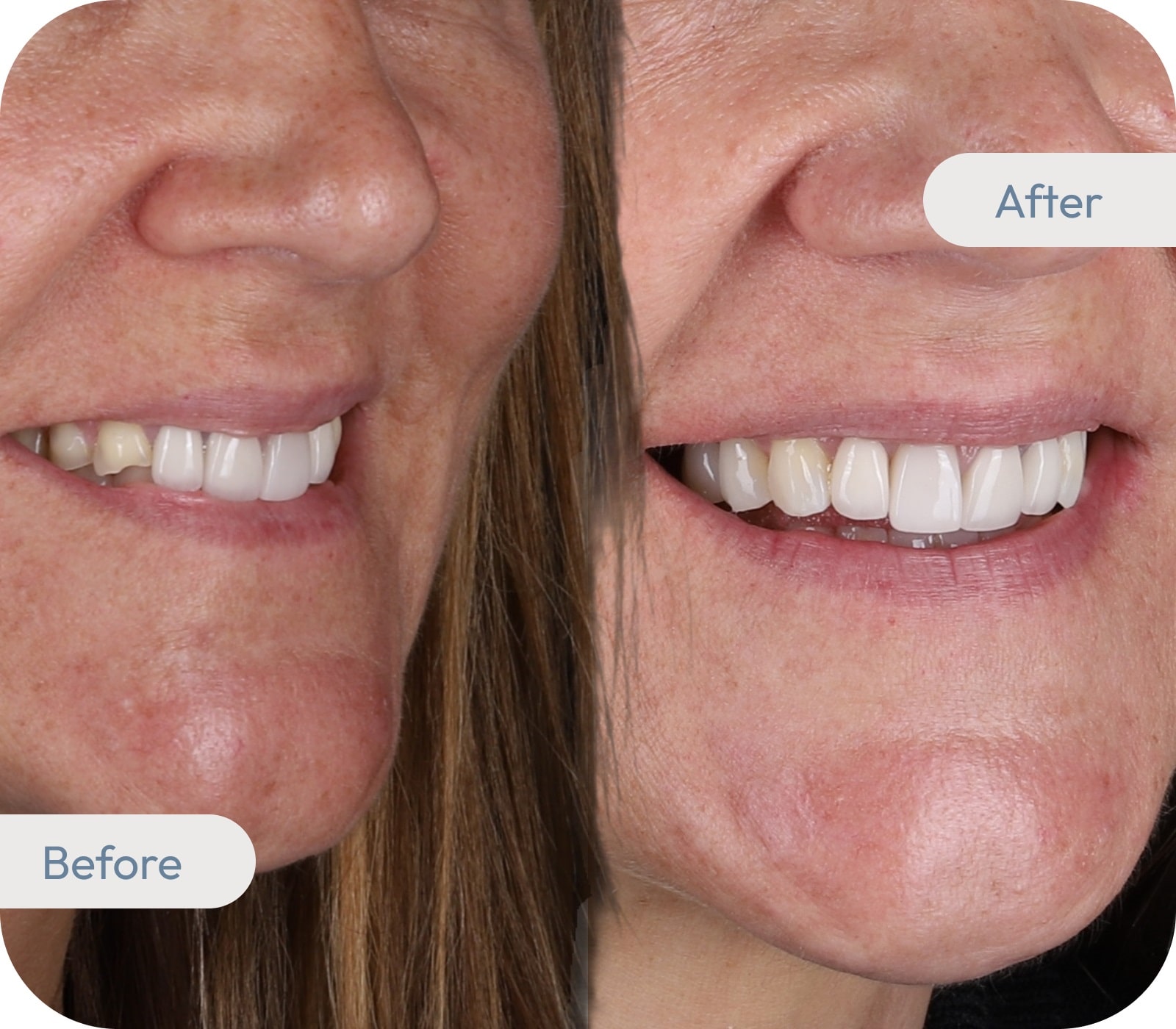
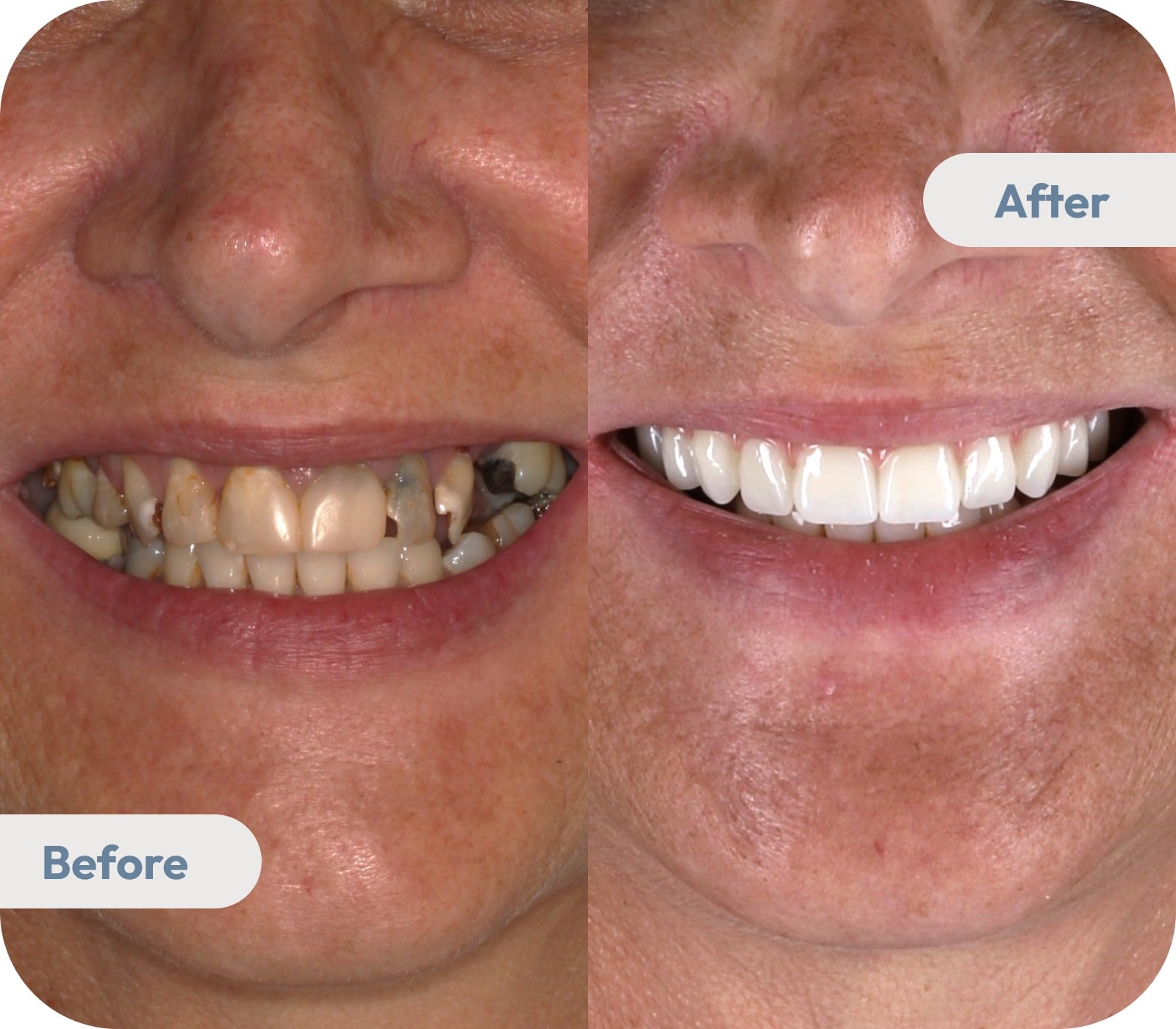
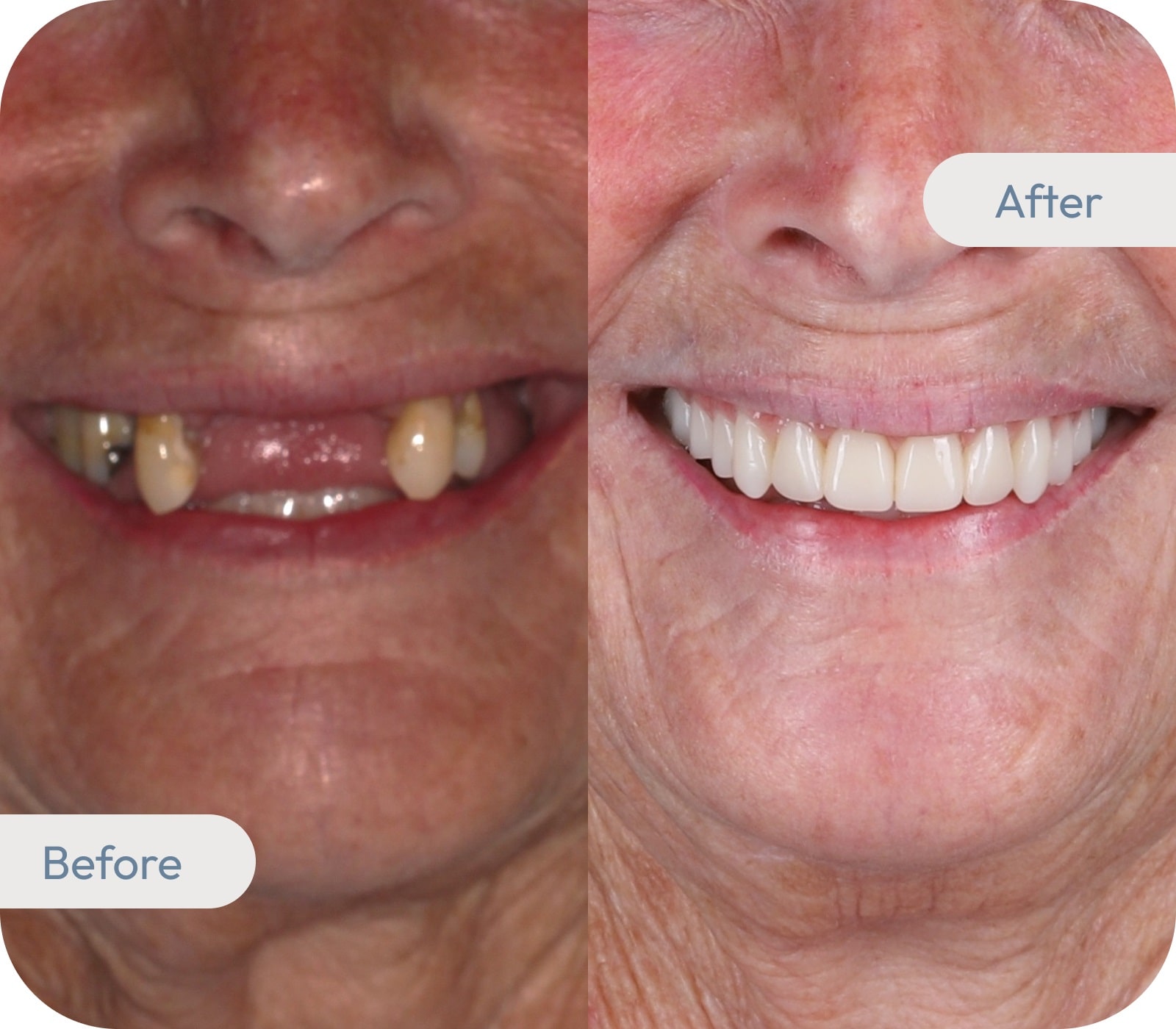
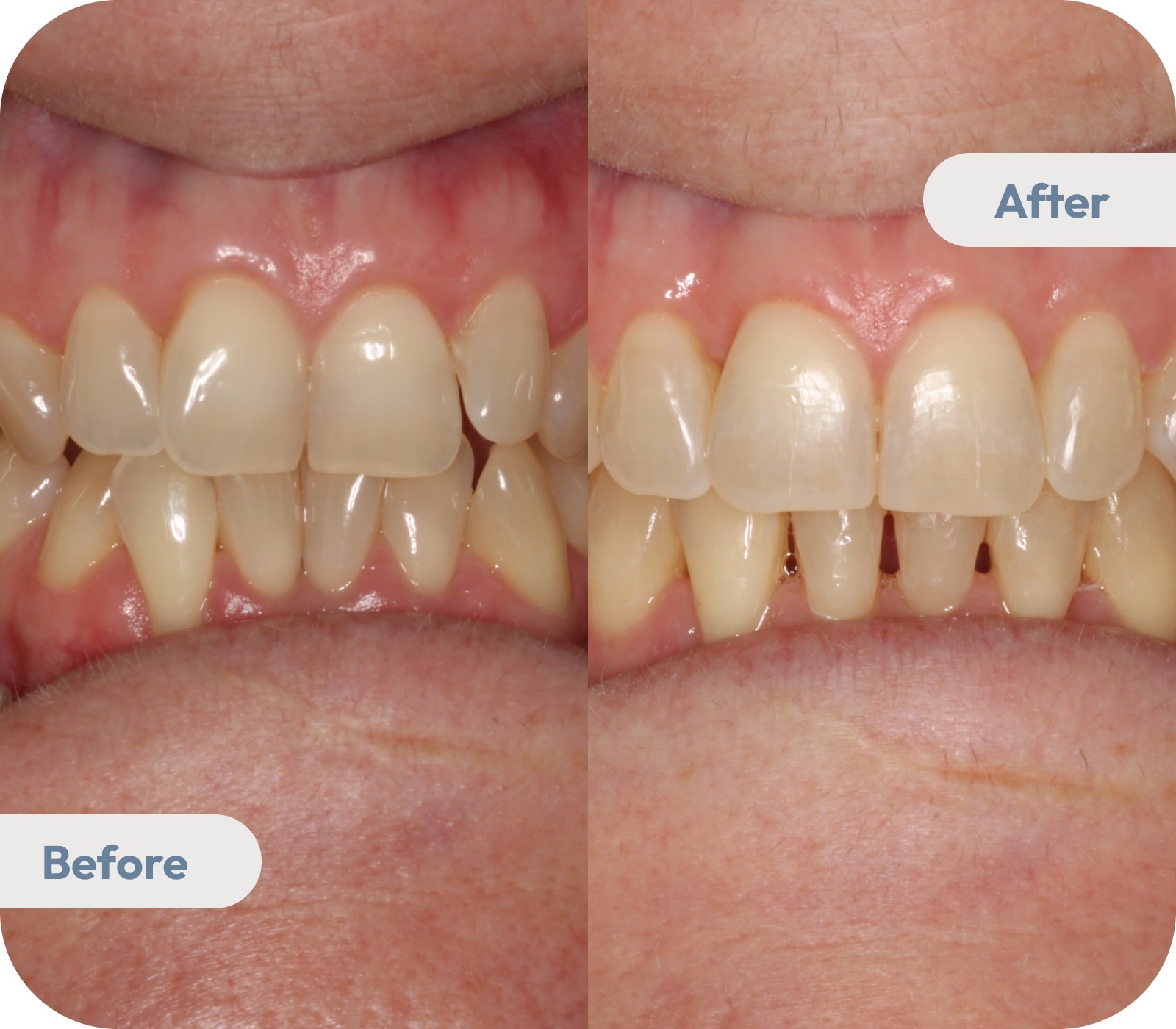
Smile Gallery – Before and After Treatment Examples

Explore real treatment outcomes in our gallery. These before-and-after photos show actual patients of Eversmile Dental, displayed with their consent. Outcomes vary between individuals, and results are not guaranteed. Images are unedited and taken under comparable conditions to reflect realistic treatment outcomes.

*These images display actual patients of our clinic. Every case is different, and treatment outcomes can vary according to individual conditions and needs.

Our Approach to Cosmetic Dental Care

Cosmetic dentistry can enhance the appearance of teeth. At Eversmile Dental, we offer personalised treatments tailored to your individual needs, with your oral health and comfort as our priorities.

  • Proudly Bunbury Locals
    Locally Based Dental Team
    We have been part of the Bunbury community for many years. The dentists at Eversmile Dental live and work here, which means patients see the same team members regularly and can expect continuity of care. Being a local team enables us to establish long-term relationships with patients and deliver care in a familiar and consistent environment.
  • Serving Since 2006
    Experience in Cosmetic Dentistry
    For nearly two decades, our clinic has provided cosmetic dental treatments, including veneers, teeth whitening, and other aesthetic options. We draw on this experience to assess what treatment may be suitable for each patient’s needs. While results can vary, experience enables us to discuss what may be achievable, outline the risks involved, and explain the type of maintenance that may be required. Our focus is on planning treatment that is clinically appropriate, evidence-based, and designed to support long-term function and aesthetics.

    These treatments are performed by Dr. Howard Chin, a registered dentist with the Dental Board of Australia (General Dentist, DEN0001580816).
  • Gentle Dental Care for Every Generation
    Cosmetic Treatments with Oral Health First
    Cosmetic dentistry does not replace the fundamentals of good dental health. At Eversmile Dental, we take a comprehensive approach, starting with a dental checkup to assess the health of your teeth and gums before recommending any cosmetic options. This helps reduce the risk of complications and supports both long-term function and appearance. Cosmetic care may be considered at different life stages, depending on individual suitability.
  • Personalised Care That Feels Right for You
    Individualised Treatment Planning
    No two patients are the same, and cosmetic dentistry requires a tailored plan. We begin with a consultation that focuses on your individual needs and oral health. During this appointment, we discuss different treatment pathways and outline what may or may not be appropriate for you. This way, each cosmetic treatment option is considered within the context of your dental health and personal circumstances.
  • Driven by Our Values
    Clear, Evidence-Based Advice
    Our recommendations are guided by clinical evidence and professional standards. We explain the likely outcomes, risks, recovery considerations, and costs so you have a clear understanding before making a decision. We do not make unrealistic claims or promises about results. If a treatment is not suitable, we will explain why and provide safer alternatives. Our role is to provide you with factual information, enabling you to make an informed choice without pressure.
  • Advanced Technology for Comfort and Precision
    Use of Modern Dental Technology
    Our clinic uses digital technology and modern dental equipment to assist with accuracy in cosmetic procedures. This includes tools such as 3D scanning, digital planning systems, and contemporary materials, which contribute to accuracy and consistency in treatment planning. Technology helps with precision, but it does not replace professional judgement and patient understanding. We use these tools to plan carefully, reduce risks, and support quality treatment outcomes, while prioritising patient comfort and safety.


Frequently Asked Questions

People often want to know what happens during dental bonding and what it feels like. We’ve answered common questions to help you feel more informed.

How does dental bonding work?

Eversmile dental bonding is a straightforward cosmetic procedure. When appropriately planned and applied, bonding may be used to address the appearance of minor flaws, like chips, stains, or irregular shapes. However, results vary depending on factors such as tooth structure and oral habits. Below is how the process works, step by step:

  1. Thorough Assessment and Personalised Planning: Your dentist will examine your teeth and discuss your cosmetic concerns. We will confirm if bonding is suitable for your dental needs and explain what you can expect from the procedure.
  2. Careful Tooth Surface Preparation: To help the bonding material adhere properly, we gently roughen the tooth’s surface. A conditioning liquid is also applied to create a stronger bond between your tooth and the resin.
  3. Precise Application of Tooth-Coloured Resin: We apply a tooth-coloured resin material to the prepared area. This resin is carefully matched to your natural tooth colour, aiming for a seamless appearance.
  4. Shaping and Sculpting for Natural Results: The resin is shaped and moulded to address the chip, gap, or uneven area. This step requires attention to detail to help achieve a natural match with your surrounding teeth.
  5. Hardening the Bond: Once the resin is shaped, a special light is used to harden the material. This process securely bonds the resin to your tooth in just a few minutes.
  6. Finishing Touches with Polishing and Refinement: The bonded tooth is polished until it achieves a natural shine that matches the colour of your enamel. This final step smooths the surface and aims to improve the tooth’s appearance.

Cosmetic dental bonding is often completed in a single visit, depending on the number of teeth requiring treatment. The treatment time may vary if the bonding involves multiple teeth or more detailed cosmetic adjustments. If you’d like to determine if dental bonding is suitable for your needs, we’re here to help.

At Eversmile Dental, we understand that many patients worry about discomfort during treatments. Dental bonding is a straightforward and non-invasive procedure that is generally considered manageable. Here’s what you can expect before, during, and after dental bonding:

  • Before the Procedure:
    • Dental bonding does not require local anaesthesia because it involves little to no removal of your natural tooth.
    • We will gently roughen the tooth surface to help the bonding material stick, but this step is not painful.
    • Your dentist will discuss the process with you so you know exactly what to expect beforehand.
    • The preparation phase typically involves minimal alteration to the tooth surface. However, sensitivity levels can vary depending on individual cases.
  • During the Procedure:
    • Applying the tooth-coloured resin is a controlled and straightforward process that does not involve drilling.
    • You might feel slight pressure while the dentist shapes and smooths the material, but it shouldn’t be painful.
    • A special light is used to harden the resin, which causes no discomfort at all.
    • Dental bonding is generally considered a low-discomfort procedure, as it does not involve invasive techniques. However, each person’s experience may vary.
  • After the Procedure:
    • Patients can often return to their normal activities immediately after treatment. However, some individuals may experience temporary sensitivity, which usually subsides within a few days.
    • Some teeth might feel slightly sensitive to hot or cold for a day or two, but this usually subsides quickly.
    • If you experience any discomfort after the procedure, please contact our team to arrange a review and adjustment.
    • Maintaining good oral hygiene may help your bonding last and keep your smile looking fresh.

Dental bonding is generally well-tolerated and may help address minor cosmetic concerns. However, individual comfort levels and sensitivity can vary.

Dental bonding is a popular choice for addressing small cosmetic concerns, but its lifespan depends on several factors. Here’s what you should know about how long dental bonding lasts:

  • Average Lifespan: Dental bonding typically lasts between 3 and 10 years, depending on individual factors like oral hygiene and lifestyle habits. Longevity varies, so regular dental checkups are important to monitor and maintain results.
  • Daily Habits Influence Longevity: Brushing, flossing, and avoiding habits like nail-biting or chewing pens may help extend the lifespan.
  • Diet and Lifestyle Play a Role: Frequent exposure to staining foods, such as coffee and red wine, or smoking, may cause bonded areas to discolour.
  • Regular Dental Checkups Help Maintain Results: Routine visits allow us to check the bonded areas and address any minor touch-ups before more significant issues arise.
  • Bonding is Durable: Bonding materials are strong, but they can wear down or chip over time, especially on teeth used for heavy biting.

With proper care and regular checkups, dental bonding can be a long-lasting option for addressing cosmetic concerns. Our team will provide tailored advice that may help maintain your results for as long as possible. If you’re seeking dental bonding in Bunbury, contact our friendly team.

Dental bonding is a popular choice for addressing minor cosmetic flaws, but like any treatment, it has its limitations. Below are important factors to consider before choosing this treatment:

  • Not as Strong as Other Options: Bonding materials are durable but can chip or break more easily than porcelain veneers or crowns.
  • May Stain Over Time: Composite resin bonding can pick up stains from coffee, tea, wine, or tobacco more quickly than natural enamel or porcelain.
  • Shorter Lifespan Compared to Veneers: Bonding usually lasts between 3 and 10 years, which is less than the lifespan of porcelain alternatives.
  • Not Ideal for Major Restorations: Dental bonding is ideal for small cosmetic improvements but may not be recommended for significant damage or bite-related concerns.
  • Requires Occasional Touch-Ups: Over time, bonded areas may need touch-ups or polishing to maintain their appearance and function.

While dental bonding is a simple and affordable option for minor issues, it’s important to understand its limitations. We will explain the risks and benefits of dental bonding to help you consider whether this treatment may be suitable for your needs.

Bonded teeth do not respond to traditional whitening treatments. The bonding resin maintains its original colour after placement. Whitening products can brighten your natural teeth but leave bonded areas, such as veneers, unchanged. If staining occurs, replacing the bonding material is often recommended for the most natural and even result.

We assess your smile before any whitening to plan the most suitable approach. For even colour, we may suggest replacing the bonded areas after whitening. This may result in a more consistent appearance that meets your expectations. Our team will always guide you with evidence-based recommendations for your dental care.

If you’re considering dental bonding in Bunbury, understanding the cost can help you plan your treatment. While prices can vary based on individual needs, here are a few key factors that influence the cost:

  • As a general guide, dental bonding for fractured or cracked back teeth generally starts at $260 per tooth surface. Bonding for front teeth typically starts at $465 per tooth surface.
  • Final costs can vary depending on the complexity of the case, the materials used, and your treatment requirements.
  • The location of the dental clinic—whether in central Bunbury or surrounding suburbs—may influence the overall cost of treatment.
  • The experience and qualifications of your dentist can influence the cost of dental bonding.
  • A personalised consultation is the most accurate way to determine your total treatment cost based on your specific smile goals.

Your Bunbury dentist can provide a tailored treatment plan that clearly outlines the costs and available options. This may help you in considering which treatment suits your unique needs and preferences.

At Eversmile Dental, we understand that patients often ask whether their health funds cover dental bonding. The answer depends on several factors.

Cover Depends on the Purpose:

  • Health funds generally cover treatments that address functional dental issues, not purely cosmetic enhancements.
  • If bonding is used to restore a chipped or damaged tooth affecting its function, some health funds may provide benefits.
  • When dental bonding is performed purely for cosmetic reasons, it is less likely to receive benefits from your health fund.
  • Every health fund has different policies, so it’s important to check your specific cover or speak with your provider.

Item Codes and Claims:

  • Our team can provide you with the relevant item codes used for dental bonding procedures.
  • You can present these codes to your health fund to check if they are eligible for benefits before your treatment.
  • We can provide information on how dental bonding is classified for health fund purposes.
  • Having a clear understanding of your cover may help avoid unexpected costs and support choosing the option that suits your needs.
  • While dental bonding may be eligible for health fund benefits, it’s important to check with your provider before treatment. Feel free to contact us for help checking your cover or discussing affordable dental treatments in Bunbury.

Various Payment Options Available

Eversmile Dental offers a range of flexible payment options to assist patients in managing the cost of their dental care. Please ask our team for details about the payment plans available.

Right Menu Icon