Supporting Early Dental Development

Early Orthodontics in Bunbury for Growing Kids

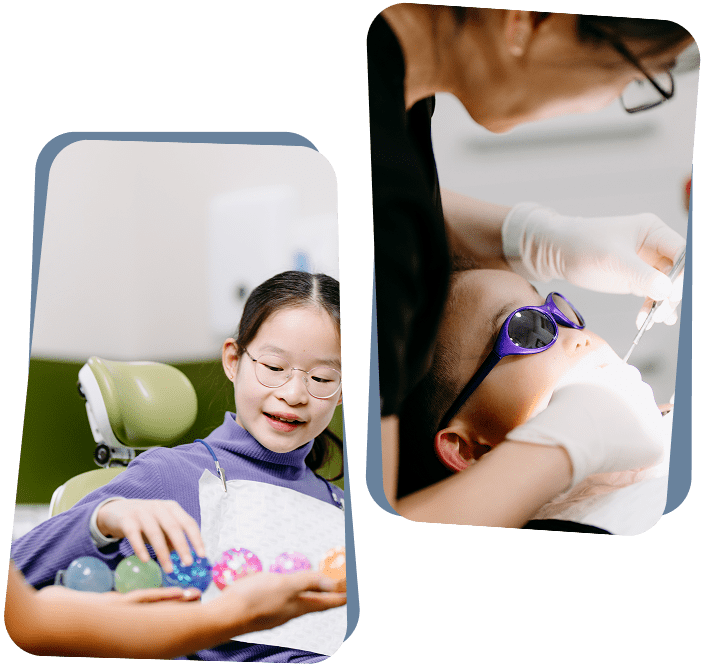
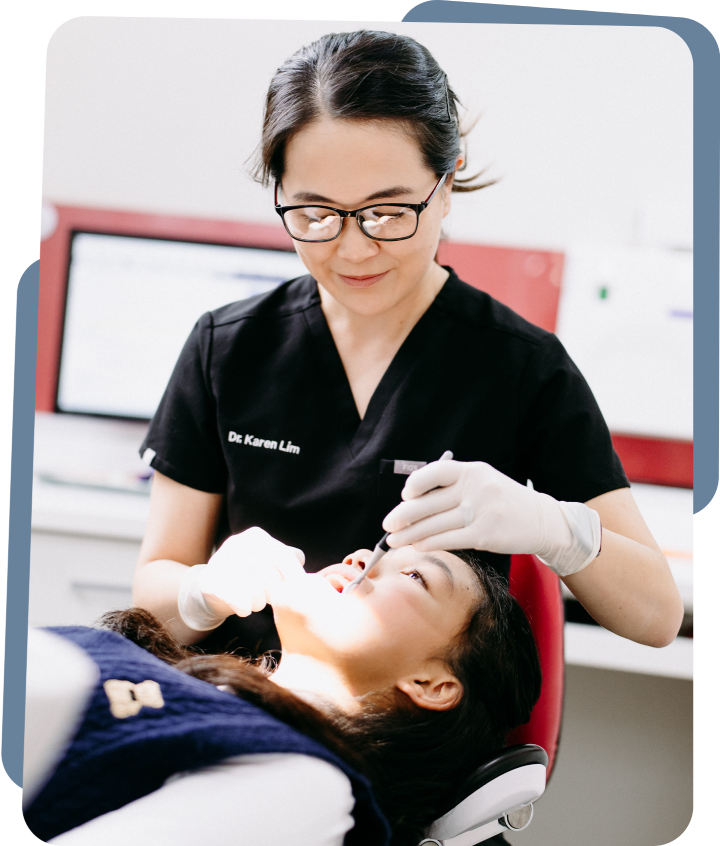
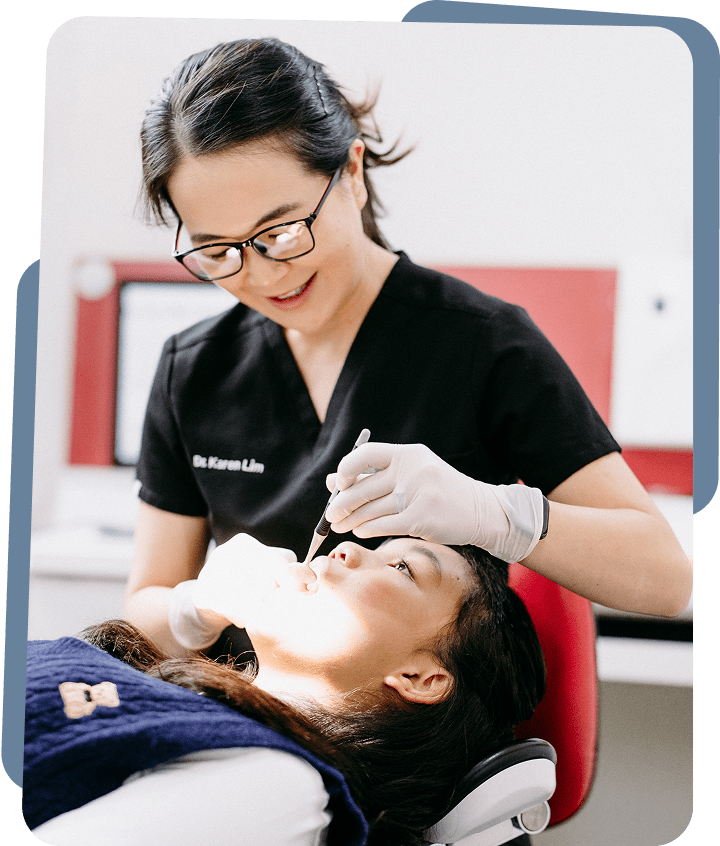
We provide early orthodontics in Bunbury. Early assessments help identify alignment changes as teeth and jaws develop, providing guidance to monitor early dental development.

Why Early Orthodontic Assessment Matters

Crowded teeth, bite problems, or uneven jaw growth can develop before parents notice any visible signs. If left unaddressed, these changes may affect chewing and speaking and may influence jaw development. An early orthodontic assessment enables the dental team to identify these concerns early and provide advice while your child’s teeth and jaws are still developing.

Signs Your Child May Need Early Orthodontic Care

  • Thumb Sucking
    Persistent thumb or finger sucking beyond age four can affect jaw growth and tooth alignment. A kids’ orthodontics in Bunbury appointment can help assess whether the habit is affecting your child’s bite development.
  • Early Tooth Loss
    Losing baby teeth too early may cause the remaining teeth to shift into the space left by the missing teeth. This can affect how adult teeth grow and may sometimes require interceptive orthodontics.
  • Crowded Teeth
    If adult teeth erupt without enough space, they may overlap or twist. This can make brushing difficult and increase the risk of decay. An early orthodontic assessment can help monitor spacing and support your child’s dental development.
  • Mouth Breathing
    Breathing through the mouth instead of the nose can influence jaw development and facial growth. It may also indicate bite concerns that are worth exploring during a child’s orthodontic consultation and early growth monitoring.

Help Your Child Smile Confidently With Early Care

  • Balanced Jaw Growth
    Early guidance of jaw development can promote balanced growth between the upper and lower jaws. This supports a healthier bite and may lessen the extent of orthodontic treatments, such as braces, during adolescence.
  • Improved Spacing
    Addressing crowding early helps maintain sufficient space for adult teeth to erupt in the proper position. An early orthodontic assessment can track these changes and lower the risk of misalignment.
  • Reduced Oral Habits
    Early care often identifies habits like thumb sucking or tongue thrusting. When addressed early, these behaviours can be managed before they begin to affect your child’s tooth alignment and bite development.
  • Simplified Future Care
    Using interceptive orthodontics can guide the development of teeth and jaws, potentially reducing the time, extent, or complexity of orthodontic care later on. Acting early often leads to fewer complications as your child grows.

We Accept CDBS—Check Your Child’s Eligibility Now

Eligibility is determined by Medicare. You can confirm your child’s status before booking an appointment— or contact our team, and we can help check eligibility. No referral is needed; just bring your Medicare details.
Eversmile Dental

Our Approach to Children’s Dentistry in Bunbury

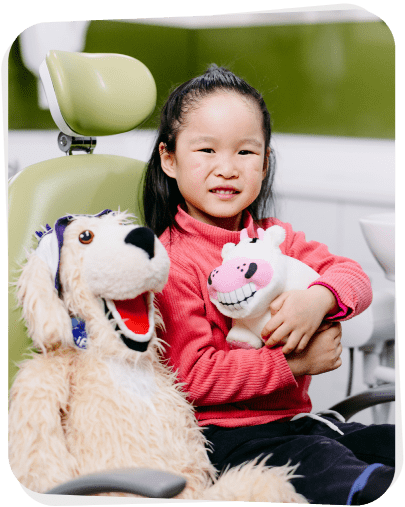
Choosing the right dentist for your child matters. At Eversmile Dental, we combine years of experience with a calm, caring approach with the aim to help kids (and parents) feel at ease. From baby teeth to custom mouthguards, our team provides care designed to support healthy oral habits from an early age.
  • Proudly Bunbury Locals
    Local Dental Care for Bunbury Kids
    We’re part of the Bunbury community, and many of us are parents ourselves. That means we understand local families, schools, and what makes kids feel supported. Our team has provided consistent dental care to local families for many years and is here for the long haul.
  • Serving Since 2006
    Providing Children’s Dental Care in Bunbury Since 2006
    For nearly 20 years, we’ve cared for Bunbury kids with kindness, patience, and clinical know-how. We continue to support local families across generations, offering consistent care in a familiar setting. Our goal is to maintain high standards and constructive visits.
  • Gentle Dental Care for Every Generation
    Encouraging Positive Dental Habits in Children
    Children’s dentistry is about more than teeth—it’s about establishing healthy habits and helping children feel comfortable in the dental chair. We aim to provide a welcoming environment tailored to children’s needs. Whether your child is chatty or shy, nervous or fearless, we tailor every appointment to them. Plus, we offer checkups for the whole family in one spot—easy and convenient.
  • Personalised Care That Feels Right for You
    Patient, Child-Focused Dentistry
    Appointments are scheduled with time for children to feel comfortable and ask questions. We explain procedures in clear, age-appropriate ways and adjust to each child’s needs. Every family is different, so we take the time to listen, provide clear information, and work together to make visits calm and constructive from the beginning.
  • Driven by Our Values
    Professional Care for Children’s Oral Health
    Eversmile Dental is guided by clear values and professional standards in children’s dentistry. We provide care that is appropriate for each stage of development, with an emphasis on clear communication and general well-being. Families can expect a consistent approach that prioritises comfort, safety, and continuity of care over time.
  • Advanced Technology for Comfort and Precision
    Modern Technology for Children’s Dentistry
    We use tools such as EMS Airflow, intraoral scanners, and low-radiation imaging to assist with diagnosis and treatment planning. These technologies can support accuracy and efficiency in dental care, but are always used alongside professional clinical judgement. Technology is part of the approach we take to providing appropriate care for each child.


Frequently Asked Questions

Here are answers to common questions parents have about early orthodontic care, from what to expect during the visit to when to consider an assessment.

At what age should a child see a dentist for an orthodontic assessment?

Most children have their first orthodontic assessment around age seven. At this stage, they usually have a mix of baby and adult teeth. This allows their dentist to assess how the teeth and jaw are developing.

Even if no treatment is needed yet, regular checks help guide future care decisions. For example, early signs of crowding or crossbites can be monitored and addressed if they begin to influence jaw growth or alignment. Some developmental issues may be simpler to address when identified at an early stage.

Braces are rarely recommended at age seven, but some children may benefit from early orthodontic care. Children still have baby teeth at this age, so full braces are not typically recommended.

Most children don’t begin complete orthodontic treatment until ages 11 to 13, once their adult teeth have come through. Instead, the focus is often on monitoring growth, guiding jaw development, or addressing early concerns that may affect future development, such as crowding, crossbites, or early tooth loss.

Some dental issues are easier to manage when spotted early, especially while your child’s teeth and jaws are still developing.

The following signs may suggest your child could benefit from early orthodontics in Bunbury:

  • Crowded or overlapping teeth:
    If there isn’t enough room in the mouth, teeth may push against each other or twist as they grow.
  • Early or late loss of baby teeth:
    Losing baby teeth much earlier or later than expected may affect how adult teeth come through.
  • Difficulty chewing or biting:
    Struggling to bite into food or chew comfortably may indicate a problem with jaw alignment.
  • Thumb sucking or dummy use beyond age four:
    Prolonged habits may change how the teeth and jaw develop, possibly causing bite problems.
  • Teeth that don’t meet properly:
    This includes overbites, underbites, crossbites, or open bites, where the top and bottom teeth don’t align as they should.

Early braces may be worthwhile for some children, depending on their needs and the development of their teeth and jaws. Rather than focusing on appearance at a young age, early orthodontic intervention supports healthy, functional development. This treatment aims to create better conditions for future oral health, not immediate cosmetic changes. Early braces may be worthwhile when they help with one or more of the following developmental goals:

  • Creating space for adult teeth:
    This may assist in managing crowding and could lessen the likelihood of extractions later on.
  • Guiding jaw growth:
    Supporting balanced development between the upper and lower jaws may assist with promoting better alignment.
  • Improving bite function:
    A well-aligned bite may reduce strain on the teeth and make chewing more comfortable.

Many children do not need braces until their adult teeth have come in. A dentist can assess your child’s development and discuss whether early braces may be helpful.

A palate expander is an orthodontic device that gently widens the upper jaw over time. The upper jaw (also called the maxilla) is made up of two halves that don’t fully fuse until later in childhood. While the jaw is still developing, an expander applies gentle pressure to move the two halves apart gradually. This may create additional space in the mouth and help support alignment. A palate expander may be used when:

  • The upper jaw is too narrow:
    A narrow jaw may lead to crowding, crossbites, or breathing issues through the nose.
  • There is not enough space for adult teeth:
    Widening the jaw may assist in managing crowding and could lessen the likelihood of extractions later.
  • A crossbite is present:
    This means the upper teeth sit inside the lower teeth when biting down. An expander may help guide the development of more favourable alignment.

Yes, some children can begin orthodontic treatment while they still have baby teeth. This is called interceptive or early orthodontic treatment. It focuses on guiding the development of the jaws and teeth during early growth stages, before all the adult teeth have come through. Treatment at this stage doesn’t usually involve full braces. Instead, it may include:

  • Palate expanders
    may be used to widen a narrow upper jaw.
  • Space maintainers
    are used to hold space for adult teeth if a baby tooth is lost early.
  • Removable appliances
    may help guide tooth movement or help manage habits such as thumb sucking.

No, it’s not too late. Many teenagers start orthodontic treatment between the ages of 12 and 16. By age 16, most adult teeth are present, and the jaws are still developing. This is a common time to begin treatment, as the teeth and bite can still be guided with care.

There’s no strict age limit for braces. The timing depends on your child’s dental development and individual needs. A dentist can help determine whether treatment at 16 is a good fit and discuss available options.

Invisalign may be an option for some younger children, depending on their dental development and how well they can follow instructions. Invisalign also offers a version for growing children known as Invisalign First. It’s designed for those with baby teeth or a mix of baby and adult teeth.

For treatment to work as intended, the aligners generally need to be worn for 20 to 22 hours each day. Because of this, they may be suitable for children who can wear the aligners consistently, have mild to moderate alignment needs, and prefer a clear, removable option as part of early care.

Various Payment Options Available

Eversmile Dental offers a range of flexible payment options to assist patients in managing the cost of their dental care. Please ask our team for details about the payment plans available.
Right Menu Icon