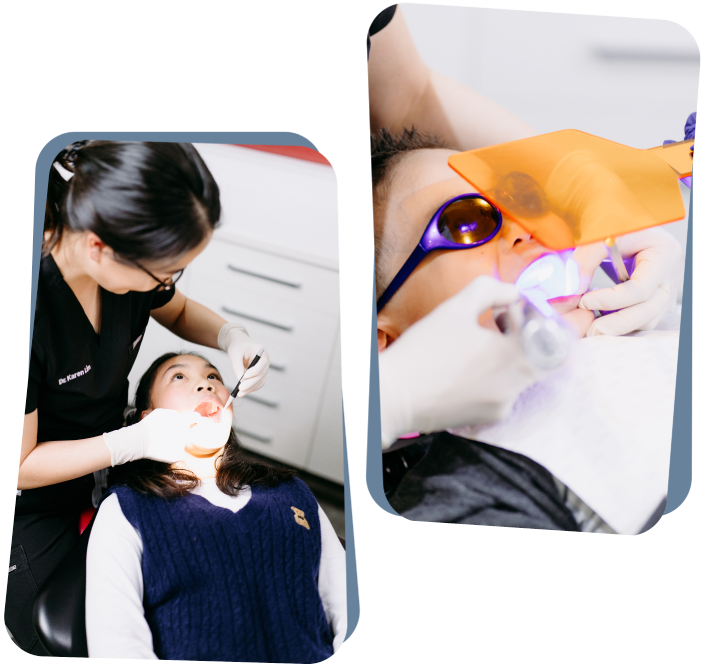


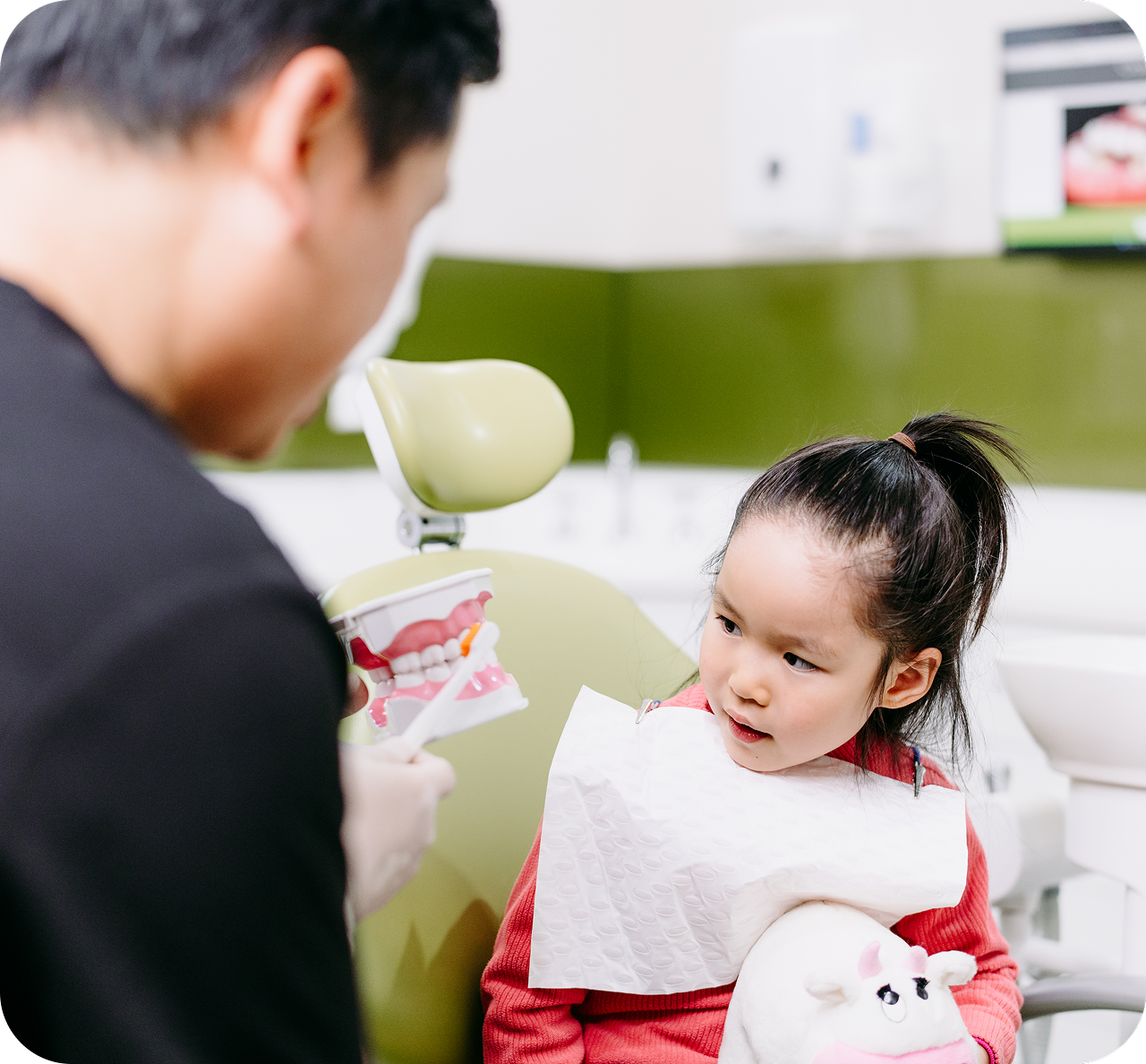

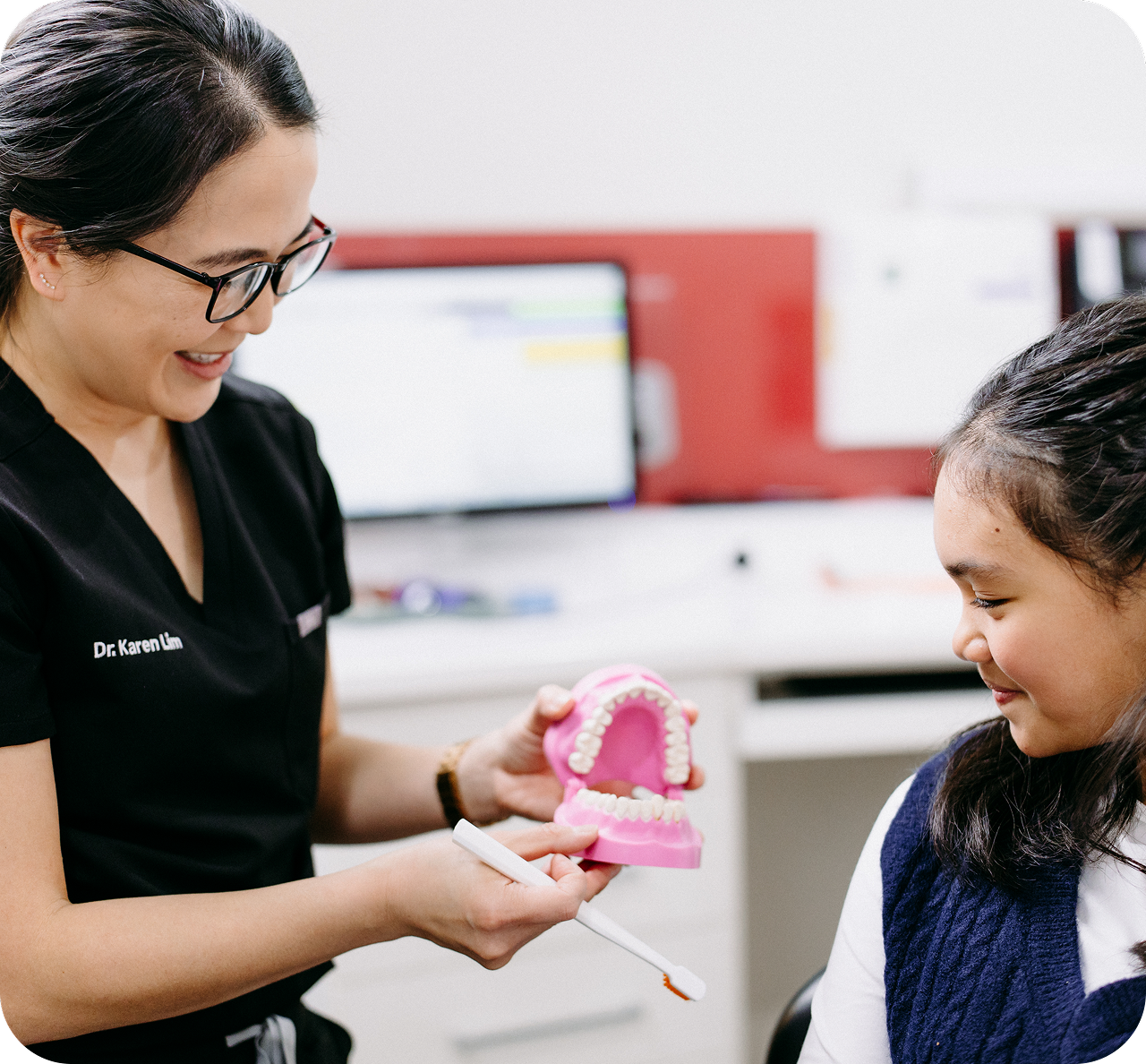
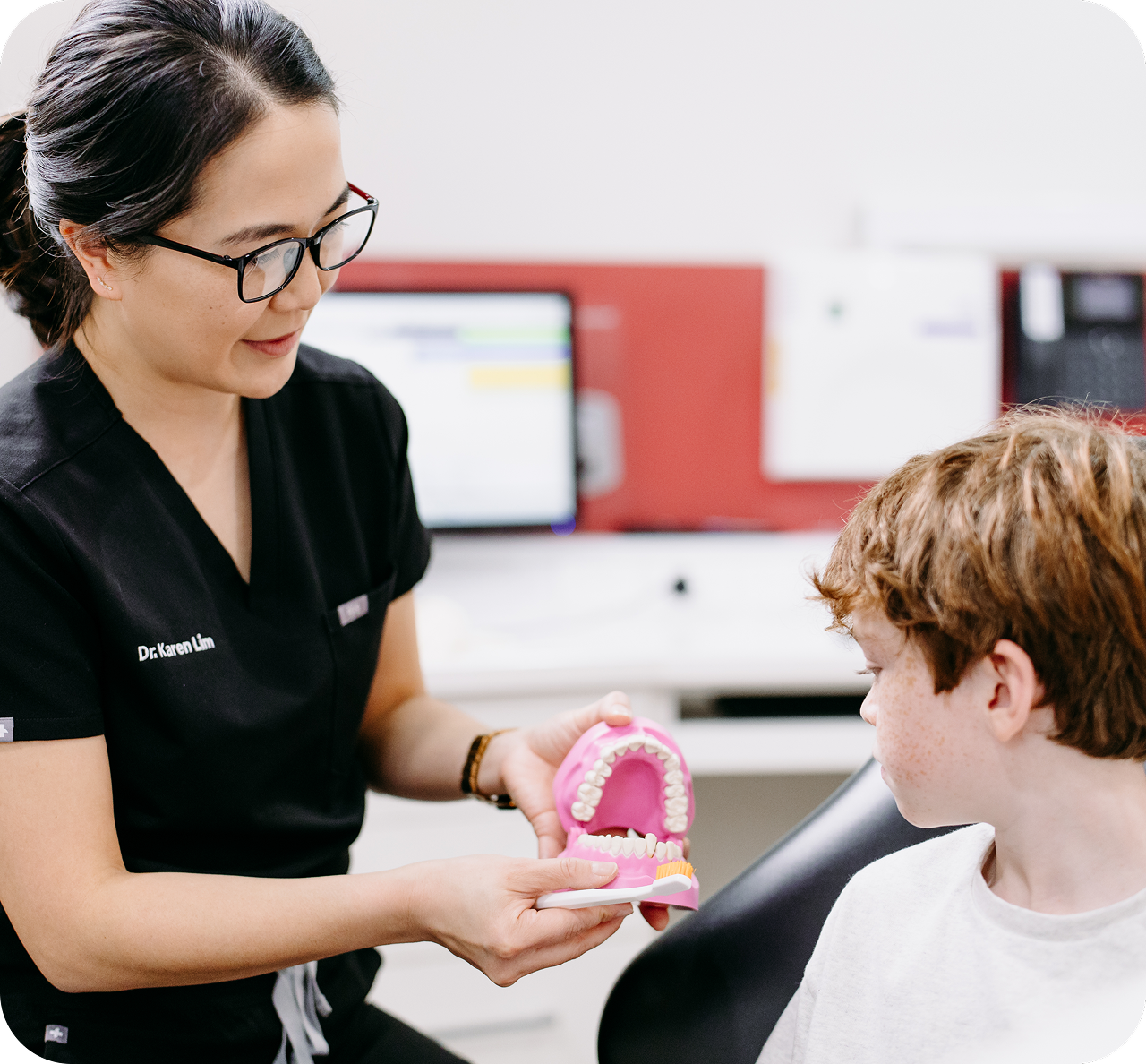
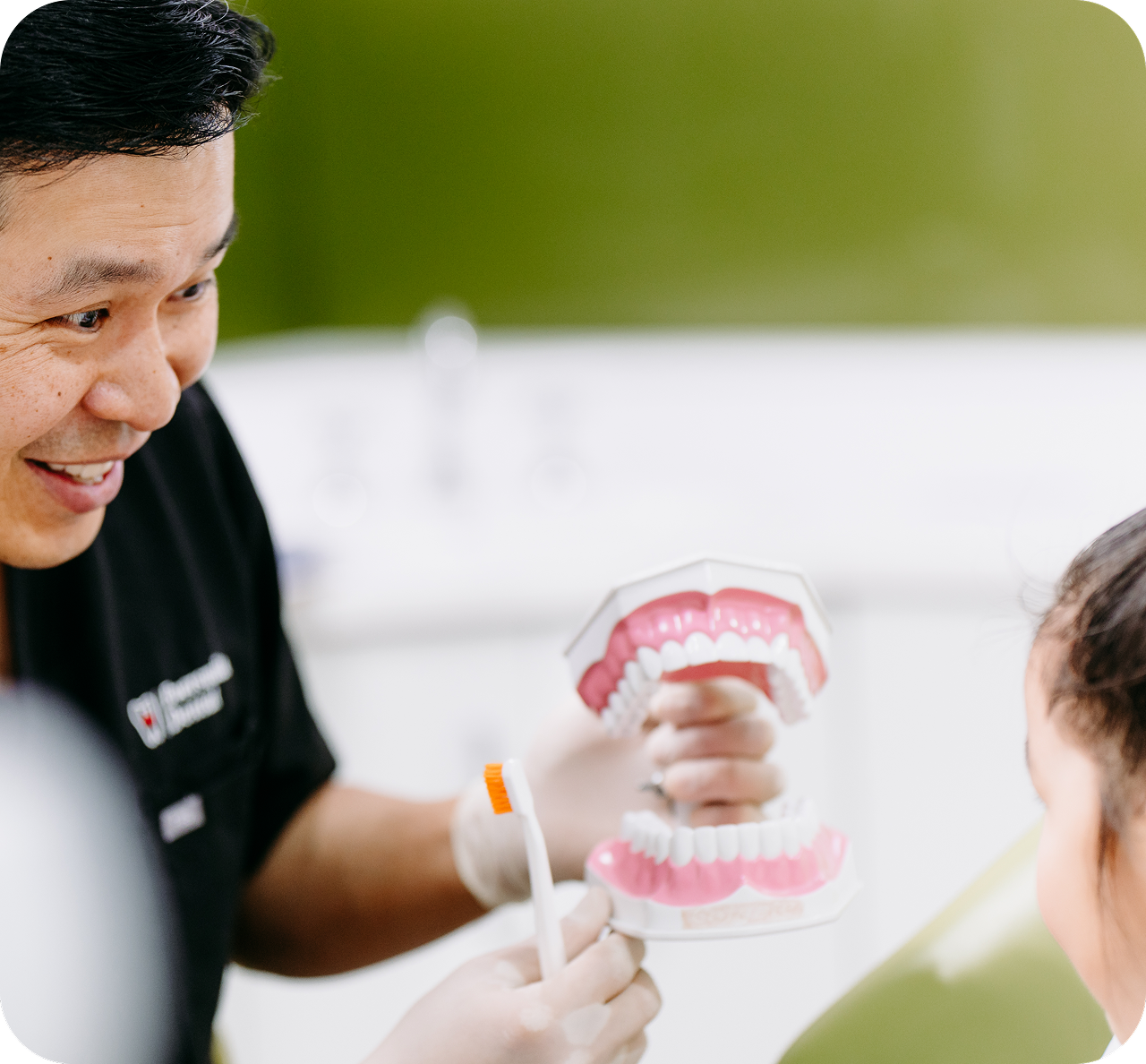
Creating Positive Dental Experiences for Children
Your Local Clinic for Children’s Dentistry in Bunbury
Dental Care That Helps Growing Smiles With Care
When Should Children
Visit the Dentist?
- First Baby Tooth
Children should see a dentist when their first tooth appears or by age one. Early visits with a kids’ dentist in Bunbury may help familiarise children with dental care and allow for early checks that support oral development where appropriate.
- Routine Checkups
Regular visits from an early age support healthy oral growth and preventive care. A child’s dental checkup in Bunbury may help detect concerns early and support the development of regular dental routines, though needs vary between children.
- Dental Discomfort
Pain, swelling, or sensitivity can affect eating and sleep. A family dentist in Bunbury can assess possible causes and recommend care tailored to the child’s age and oral condition.
- Tooth Changes
Brown or white spots, chips, or unusual marks may signal dental concerns. An early dental check may help identify if care is needed and can support tooth decay prevention for kids in Bunbury through timely advice and appropriate guidance.
Protecting Young Smiles With Ongoing Dental Care
- Early Habit Formation
Regular dental visits from a young age can help children develop healthy oral care routines. These appointments may encourage good brushing habits and help them become familiar with dental care as they grow.
- Development Monitoring
Dental care helps monitor the development of teeth and jaws over time. Dentists can assess bite development, spacing, and early alignment issues and provide guidance that supports oral health and future care planning.
- Cavity Prevention
Consistent care reduces the risk of decay by combining professional cleaning, education, and early detection. Preventive steps such as fluoride application and tailored advice on snacking habits can assist in maintaining oral health during growth.
- Comfort with Care
Frequent visits can help children become familiar with dental settings. For some patients, a dentist may consider sedation options where appropriate to help children gradually adapt to dental visits and feel more prepared for future appointments.
Essential Dental Services for Kids in Bunbury
First Dental Visit
The first dental visit introduces children to the dental setting in a calm and welcoming way. Dentists check the early development of teeth and gums, answer parents' questions, and offer tips on brushing, teething, nutrition, and habits like thumb-sucking. Early visits can help familiarise children with dental care.
CDBS Bulk Billing
Eligible families can access eligible dental services through the Child Dental Benefits Schedule (CDBS). Bulk billing may cover checkups, cleans, fluoride treatments, and other basic care. This program may cover basic dental services for eligible children, potentially with no out-of-pocket costs, depending on available benefits and service type. Conditions apply, and Medicare determines eligibility for each child.
Tooth Extractions
When a baby tooth is badly decayed, damaged, or infected, extraction may be advised. Dentists assess each case individually, explain the process clearly, and use age-appropriate techniques to support care. Tooth removal may help manage symptoms such as disrupted eating or sleeping if caused by dental issues.
Fissure Sealants
Fissure sealants may help reduce the risk of decay by sealing deep grooves that trap food and bacteria. This preventive treatment is commonly provided during school-age years. It reduces the risk of cavities on molars during the early stages of adult tooth development.
Early Orthodontics
Early orthodontic assessments help identify concerns with jaw growth, spacing, or bite alignment. While treatment may not be needed immediately, timely reviews allow dentists to monitor changes. Early evaluation may help monitor development and assist in determining if future care is needed.
Nitrous Oxide
Nitrous oxide (happy gas) is a mild sedation option that may help children feel more relaxed during dental treatment. It’s inhaled through a small nose mask and typically wears off quickly. Your dentist will assess whether it’s suitable based on your child’s comfort, needs, and health history.
Children’s dental services are provided by registered dental practitioners:
Dr. Daniel Tham (DEN0001580557) | Dr. Howard Chin (DEN0001580816) | Dr. Karen Lim (DEN0001595836) | Dr. Dhagash Patel (DEN0002503715) | Dr. Tina Kamarudin (DEN0002779832) | Dr. Joanna Chiam (DEN0002897537)
All practitioners hold general registration with the Dental Board of Australia.
Individual outcomes and recovery vary. Consultation is required before treatment.
We Accept CDBS—Check Your Child’s Eligibility Now
Eligibility is determined by Medicare. You can confirm your child’s status before booking an appointment— or contact our team, and we can help check eligibility. No referral is needed; just bring your Medicare details.

Our Approach to Children’s Dentistry in Bunbury
- Local Dental Care for Bunbury Kids
- We’re part of the Bunbury community, and many of us are parents ourselves. That means we understand local families, schools, and what makes kids feel supported. Our team has provided consistent dental care to local families for many years and is here for the long haul.
- Providing Children’s Dental Care in Bunbury Since 2006
- For nearly 20 years, we’ve cared for Bunbury kids with kindness, patience, and clinical know-how. We continue to support local families across generations, offering consistent care in a familiar setting. Our goal is to maintain high standards and constructive visits.
- Encouraging Positive Dental Habits in Children
- Children’s dentistry is about more than teeth—it’s about establishing healthy habits and helping children feel comfortable in the dental chair. We aim to provide a welcoming environment tailored to children’s needs. Whether your child is chatty or shy, nervous or fearless, we tailor every appointment to them. Plus, we offer checkups for the whole family in one spot—easy and convenient.
- Patient, Child-Focused Dentistry
- Appointments are scheduled with time for children to feel comfortable and ask questions. We explain procedures in clear, age-appropriate ways and adjust to each child’s needs. Every family is different, so we take the time to listen, provide clear information, and work together to make visits calm and constructive from the beginning.
- Professional Care for Children’s Oral Health
- Eversmile Dental is guided by clear values and professional standards in children’s dentistry. We provide care that is appropriate for each stage of development, with an emphasis on clear communication and general well-being. Families can expect a consistent approach that prioritises comfort, safety, and continuity of care over time.
- Modern Technology for Children’s Dentistry
- We use tools such as EMS Airflow, intraoral scanners, and low-radiation imaging to assist with diagnosis and treatment planning. These technologies can support accuracy and efficiency in dental care, but are always used alongside professional clinical judgement. Technology is part of the approach we take to providing appropriate care for each child.

Frequently Asked Questions
At what age should my child first see a dentist?
It’s recommended that children have their first dental visit by their first birthday or when their first tooth appears, whichever happens sooner. An early visit may assist with:
- Check the development of teeth and jaw:
A dental visit allows early checks for tooth decay, delayed eruption, or jaw growth concerns that could impact chewing or speech. - Get age-based oral care tips:
Parents can learn how to gently clean emerging teeth, use a soft toothbrush, and apply a rice-sized amount of fluoride toothpaste. - Build comfort with dental visits:
Early visits may help children become more accustomed to dental settings, encouraging a positive approach to ongoing care. - Talk about healthy drinks and bottle use:
Tips include offering tap water instead of juice, and avoiding milk bottles at bedtime may help reduce the risk of tooth decay in growing teeth.
How often should my child have a dental checkup?
Most children should have a dental checkup every six months, starting from their first visit around age one. Regular visits help monitor the development of your child’s teeth and jaws as they grow. They also allow early detection of issues such as tooth decay or problems with how teeth are erupting.
Sometimes, a checkup every three to four months might be advised. Checkups may be recommended more often due to dental concerns such as a higher risk of cavities or a history of frequent dental issues. Your kids’ dentist in Bunbury will recommend a schedule based on your child’s needs.
Is my child eligible for free dental care under Medicare?
Some children may qualify for basic services for children’s dentistry in Bunbury at no out-of-pocket cost (up to set limits) through Medicare’s Child Dental Benefits Schedule (CDBS). It helps cover basic services for eligible children aged 0 to 17, with a cap of $1,095 over two calendar years.
To be eligible, your child must:
- Be aged between 0 and 17 for at least one day of the calendar year.
- Be eligible for Medicare.
- Receive, or be part of a family receiving, a government payment such as Family Tax Benefit Part A.
Does Eversmile Dental bulk bill children's dental appointments?
Yes. If your child is eligible for the Child Dental Benefits Schedule (CDBS), bulk billing is available for approved services. This means there’s no out-of-pocket cost for eligible services, up to the benefit cap, if your child qualifies under Medicare’s rules.
Covered services may include:
- Routine checkups and cleaning
- X-rays
- Fillings
- Fissure sealing
- Tooth extractions
- Root canal treatments
Bulk billing through CDBS may assist families with managing dental care costs for eligible services.
When should children start brushing their teeth?
Children should start brushing when their first tooth comes through, which can happen around 6 to 10 months. At this stage:
- Use a soft, infant-sized toothbrush with a rice-grain-sized amount of fluoride toothpaste.
- Gently brush twice daily, once in the morning and once before bed.
- Focus on removing milk residue and plaque from the tooth surface.
Plain water can be used for children under 18 months unless advised otherwise. From 18 months to 6 years, continue brushing twice daily using a pea-sized amount of low-fluoride toothpaste. Supervision is important until your child can spit out toothpaste and brush properly without swallowing, which usually happens around ages 6 to 8.
Can I take my 3-year-old to the dentist?
Children can visit the dentist by age three if they haven’t already attended. At this age, most children have a full set of baby teeth. A checkup can help monitor tooth and jaw development and spot early signs of decay or crowding. During the visit, your child may sit in the chair, count their teeth, and have an age‑appropriate dental check designed to help them become more familiar with dental visits. Some children may be ready for a cleaning and fluoride application, depending on their comfort level.
What dental problems should I watch for in toddlers?
Toddlers can experience various dental issues, even though their teeth are new. Early identification may help reduce the risk of complications. Common concerns to look out for include:
- Tooth decay:
Watch for white, brown, or black spots on the teeth. Decay often starts near the gum line and may cause sensitivity. - Teething discomfort:
Swollen gums, drooling, and irritability are common during tooth eruption. A clean teething ring may provide relief for teething discomfort. - Early childhood caries (baby bottle decay):
Prolonged bottle feeding, especially with milk or juice at bedtime, can lead to decay on front teeth. - Delayed tooth eruption:
Most toddlers have several teeth by 18 months. Check with a dental professional if no teeth have come through by this age. - Thumb sucking or dummy use:
Ongoing habits after age three can affect how teeth and jaws grow. A dental visit allows the practitioner to provide advice on possible next steps if needed.
Can my child have a dental filling without an injection?
Children can sometimes have a dental filling without an injection, especially when the cavity is small and only affects the surface layer. This process is possible using current dental techniques and materials, such as tooth-coloured compounds that may be used in some cases without extensive drilling. Early decay may be cleaned and sealed, which can help maintain tooth structure, sometimes without the need for drilling.
Whether an injection is needed depends on several factors:
- The size and depth of the cavity:
Shallow cavities that haven’t reached the inner tooth layers are often less sensitive and may not require numbing. - Your child’s comfort during the appointment:
Some children tolerate mild sensations well. Others may feel anxious, and a numbing gel can help reduce discomfort. - The position of the tooth in the mouth:
Cavities in front teeth or on easy-to-reach surfaces may be simpler to manage. Back teeth can be more sensitive or harder to access.
Why are my child’s teeth yellow or grey?
There are a few possible reasons why a child’s teeth may appear yellow, grey, or darker than expected. Some causes are harmless, while others may need attention. Common causes include:
- Natural enamel colour:
Baby teeth are usually very white. When adult teeth start to appear, they may seem more yellow in comparison. This can be normal in many cases, as adult enamel is thicker and more translucent. - Plaque build-up or staining:
Poor brushing habits can lead to plaque, which traps stains from food and drinks. This can make teeth look yellow or dull. Regular brushing with fluoride toothpaste may help reduce surface staining. - Tooth injury:
If a tooth is bumped or injured, it may turn grey over time. This happens when the inner part of the tooth is affected. In some cases, the colour change develops gradually after the injury.
What if my child is nervous about going to the dentist?
It is normal for children to feel nervous before a dental visit, especially if it’s their first time. There are several strategies that may help children feel more familiar with the dental setting:
- Start with a simple, friendly visit:
Booking a short, pressure-free appointment may assist your child in becoming familiar with the setting at their own pace, without pressure to undergo treatment. - Read books or watch videos together:
Children’s stories about dental visits can introduce what to expect in a child-friendly way. - Use positive, simple language:
Avoid words like “hurt,” “needle,” or “drill.” Instead, explain that the dentist will “count your teeth” or “make them shiny.” - Bring a comfort item:
A favourite toy, blanket, or stuffed animal may help your child feel more comfortable during their appointment. - Let them observe:
If an older sibling is happy to go first, younger children may become more familiar after watching. - Schedule appointments early in the day:
Children are usually more relaxed in the morning before they’re tired or overwhelmed.
Various Payment Options Available
Book Your Appointment Online or Call Our Bunbury Dental Clinic Today
Book an appointment with our dentist in Bunbury to discuss your oral health needs. We provide tailored dental treatments and clear information to support informed decisions about your dental care.